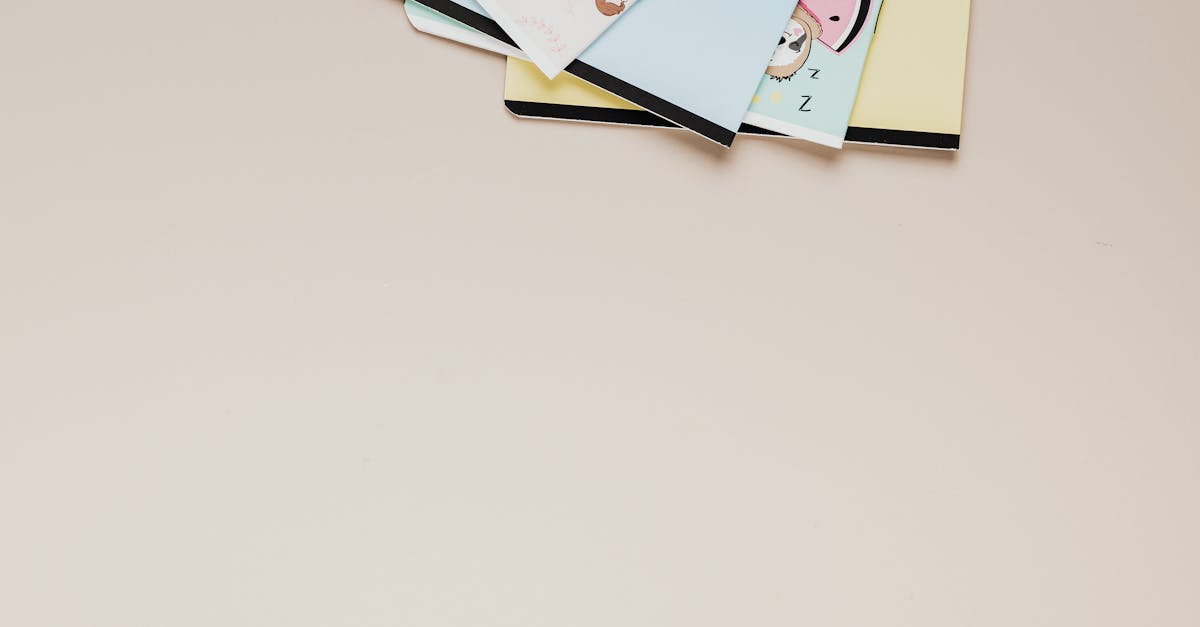
So what exactly is a long notebook?
I think most people have a vague picture in their head — it’s just a longer version of a regular book, right? But when you’re ordering for 300 students or for an entire government department’s paperwork, that vague picture gets expensive, fast. You need to know the actual numbers. The specs. The uses where it actually makes sense. Because here’s the thing: choosing the wrong notebook size is one of the most common — and costly — mistakes schools and businesses make. It’s not just about paper; it’s about workflow.
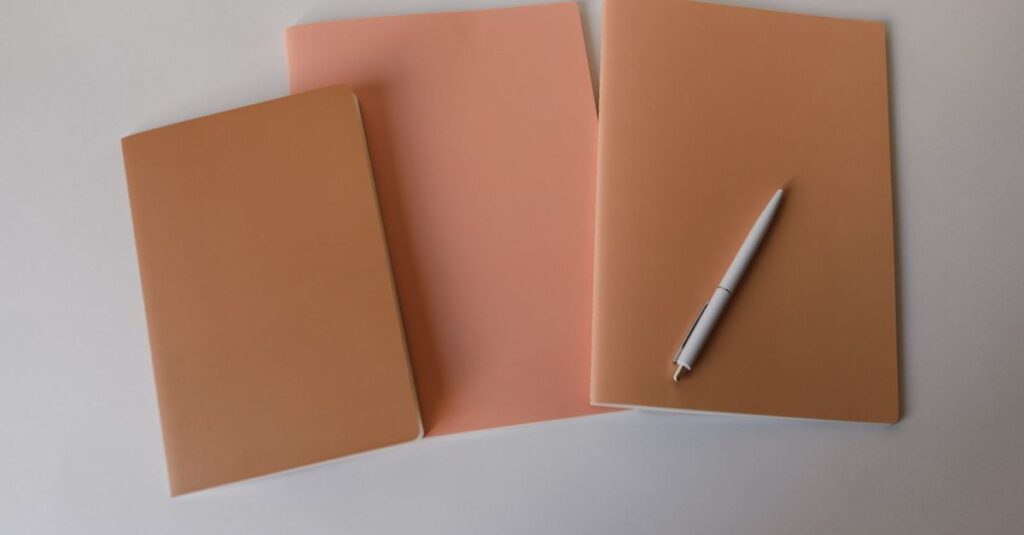
Anyway. The simplest answer: a long notebook is a specific, standardized size in the stationery world. Its dimensions are 27.2 cm by 17.1 cm. That’s the real-world measurement, not some made-up term. It’s taller and slightly narrower than the more common King Size notebook. If you’ve ever held an account book, a student’s main class copy, or a supervisor’s logbook in India, you’ve probably held a long notebook. It’s the workhorse.
And honestly? If you’re a procurement manager staring at a purchase order for 5,000 notebooks, this might be worth a quick look before you sign anything.
Why does this size even exist? (The real use cases)
Look, I’ll be direct. Manufacturers don’t invent random sizes just to confuse you. The long notebook exists because it solves specific problems. It’s built for work that needs more vertical space — for lists, for columns, for long-form notes that would get cramped in a smaller book.
Think about it this way. A teacher writing notes on the board. A student trying to copy them down in a hurry. The extra height means fewer page turns. It means a single page can hold a full lesson’s diagram and explanation. It’s functional, not fancy.
Here are the places I see them used most often, after forty years of making them:
- Schools & Colleges: This is the big one. Long notebooks are the default “main copy” for subjects where notes are lengthy — history, literature, science. The tall format matches the flow of written instruction.
- Corporate Offices: Not for everyone. But for roles like project managers, engineers, or researchers who sketch flowcharts or keep detailed meeting minutes, the vertical real estate is a lifesaver.
- Government & Institutional Record-Keeping: Ledgers, daily logs, inspection reports. The format feels official. It accommodates stamps, signatures, and multi-part forms better than a squat book.
- Distributors & Wholesalers: They stock it because it’s a steady, predictable seller. It’s a core SKU, not a seasonal fad.
I was talking to a procurement head from a big private school in Hyderabad last month. Over a terrible cup of office coffee, honestly. He said they switched back to long notebooks for senior grades after trying smaller ones. “The teachers complained,” he said. “They said the kids were finishing books twice as fast, and it looked messy.” It’s a small detail, but it changes everything.
Long Notebook vs. King Size: Picking the right tool
This is where most people get tripped up. They see “King Size” and think “bigger is better.” Not always. In fact, rarely. It’s like choosing between a sedan and an SUV — both are cars, but you use them for different things.
The King Size notebook (23.6 cm x 17.3 cm) is wider and shorter. It’s great for subjects that benefit from a broader canvas — think mathematics, where you work horizontally across the page, or art for younger kids. The long notebook (27.2 cm x 17.1 cm) prioritizes height. It’s for vertical flow.
Let me put it in a table. This makes it stupidly clear.
| Feature | Long Notebook | King Size Notebook |
|---|---|---|
| Dimensions | 27.2 cm x 17.1 cm | 23.6 cm x 17.3 cm |
| Primary Shape | Tall & narrow | Wide & short |
| Best For | Lengthy notes, lists, essays, logs | Math problems, drawings, spreadsheets |
| Page Turn Frequency | Lower – more content per page | Higher – you move across the spread |
| “Feel” in Use | Formal, structured, sequential | Creative, exploratory, spatial |
| Typical User | High school students, auditors, managers | Middle school students, designers, accountants |
So the question isn’t which one is “better.” It’s: what’s the job? If you’re ordering for a history department, go long. For the math department, King Size probably makes more sense. Mixing them up is a real headache for inventory, but getting it right makes the actual users’ lives easier. And they notice.
Beyond the size: What you’re actually buying (paper, binding, ruling)
Okay, so you’ve decided a long notebook is what you need. Great. Now the real decisions start. Because a notebook isn’t just a shape. It’s a combination of materials and construction. And this is where you can save money or create a nightmare.
Paper Quality (GSM): This is the weight of the paper. Most standard long notebooks use around 54-60 GSM paper. It’s thin enough to keep the book from being a brick, but thick enough that ink doesn’t bleed through. For premium corporate diaries or executive gifts, you might go to 70-80 GSM. But for bulk school orders? 54 GSM is the sweet spot. It feels good to write on, and it’s cost-effective. Going cheaper feels… sad. The paper crinkles. The writing experience is awful.
Binding: How the pages are held together.
- Stitched Binding: The classic. Pages are sewn together in signatures. It’s durable, lies flat, and is what most schools prefer. It feels permanent.
- Spiral Binding: Metal or plastic coil. The book folds back on itself completely. Excellent for artists or anyone who needs a flat surface, but the spirals can snag and bend in a packed school bag.
- Perfect Binding: Like a paperback book. Pages are glued at the spine. It looks clean and professional for corporate diaries, but it doesn’t lie flat as easily for writing.
Ruling Types: The lines on the page. This seems trivial, but it dictates function.
- SR (Single Ruled): One line. The universal standard for most note-taking.
- UR (Unruled): Blank pages. For sketches, diagrams, free-form thinking.
- DR (Double Ruled): Two lines close together. Often used for language practice (like Hindi or Urdu) where character positioning matters.
- FR (Four Ruled): For early learners, helping them size their letters.
Expert Insight
I was reading an old industry journal a while back — one of those thick, dusty things — and there was a line from a bindery manager that stuck with me. He said something like, “The difference between a notebook that lasts a term and one that lasts a week isn’t the cover. It’s the first and last page. How they’re anchored.” He was talking about “endpapers,” the blank sheets glued to the inside cover. If they’re too thin or poorly glued, the whole thing unravels from the outside in. I don’t have a cleaner way to put it than that. Everyone looks at the flashy cover. The real quality is in the parts you don’t notice until they fail.
The bulk buying blind spot (and how to avoid it)
Most procurement managers I talk to focus on two things: unit price and delivery date. That’s it. And I get it — those are the numbers on your KPI sheet. But if you’re ordering 10,000 long notebooks, you need to think about three other things that don’t show up on the PO but will show up in complaints.
1. Consistency Across the Batch. This is probably the biggest headache. The blue cover on book #1 needs to be the exact same shade as book #10,000. The ruling needs to be aligned on every single page. The binding tension needs to be uniform. A good manufacturer has processes for this. A cheap one doesn’t. And you’ll see the variance when the boxes are opened at the school or office.
2. Packaging for Transit. Notebooks are heavy. They get stacked on pallets. If they’re not bundled and boxed correctly, the corners get crushed in shipping. A dented corner might not seem like a big deal, but try explaining that to a principal who paid for “brand new” supplies. It looks shoddy.
3. The Hidden Cost of Customization. You want your school logo on the cover? Great. That needs a printing plate. A setup fee. Minimum order quantities. The per-unit price might look the same, but the initial cost is higher. For truly custom work, like unique page layouts or special paper, you’re better off working directly with a manufacturer who does custom notebook printing in-house, not just a reseller.
Here’s a micro-story. Rohan, 42, procurement manager for a chain of coaching institutes in Bangalore. Ordered 20,000 long notebooks from a new online supplier last summer. Price was 8% lower than his usual guy. The books arrived. The covers were fine. But when the students started using them, the pages started falling out in week three. The binding glue was weak. He spent the next month dealing with replacement requests, angry parents, and a reputation hit. The 8% saving cost him ten times that in hassle. He’s back with his old manufacturer now.
Which is… a lot to sit with.
Who should you buy from? (Manufacturer vs. Trader)
This is the million-rupee question. And the answer isn’t straightforward. It depends on your order size, your need for customization, and your tolerance for risk.
Working with a Trader/Wholesaler: This is easier. Lower minimum orders. Faster delivery if they have stock. It’s a transaction. But you’re paying a margin on top of the manufacturing cost. You have zero control over the production. And if there’s a quality issue, they’re just a middleman — they have to go back to the factory, which takes time.
Working Directly with a Manufacturer: This is harder at the start. You need to find a reputable one. MOQs are higher. Communication can be more technical. But. The price is better. You can specify exact paper, ruling, binding. You can visit the factory. You can build a relationship. For institutional buyers ordering year after year, this is the only way that makes long-term sense. You’re not just buying a product; you’re buying a production capability.
If your needs are standard — say, 5,000 single-ruled, 92-page, stitched long notebooks — a good wholesaler is fine. But if you’re a stationery distributor building your own brand, or a large corporation wanting a unique diary for your executives, you need the source. You need the factory.
Frequently Asked Questions
What is the standard page count for a long notebook?
The most common options are 92 pages and 200 pages. For school use, 92-page books are standard for a single term. 200-page books are often used as “year-long” notebooks or for detailed project work. We also make them in 52, 240, 320, and even 700-page versions for specific record-keeping needs.
Can I get a custom logo printed on a long notebook?
Absolutely. This is one of the most common requests from schools and businesses. Any reputable manufacturer will offer custom cover printing. You provide the logo artwork, and they’ll create a printing plate. There’s usually a setup fee and a minimum order quantity (often 500-1000 pieces), but the per-unit cost after that is very reasonable for bulk orders.
Is a long notebook the same as an A4 notebook?
No, they are different. An A4 sheet is 29.7 cm x 21 cm. A long notebook is 27.2 cm x 17.1 cm. So an A4 notebook is both taller and wider. A4 is an international (ISO) paper size. “Long notebook” is a traditional Indian stationery size. An A4 notebook will feel significantly larger and is more common in corporate offices. The long notebook is a more specialized, vertical format.
What’s the lead time for a bulk order of 10,000 long notebooks?
It depends on the manufacturer’s capacity and your specifications. For a standard specification (single-ruled, 92-page, stitched) from an established factory, you’re looking at 3-4 weeks for production, plus shipping. If you need custom printing or special paper, add 1-2 weeks for sample approval. Always, always ask for a physical sample before confirming a large order.
Which is more durable: stitched or spiral binding for a long notebook?
For pure durability in a rough environment like a school bag, stitched binding wins. The thread holds firm even if the cover gets bent. Spiral binding is great for laying flat, but the metal or plastic coil can get deformed, which can tear the pages and make the book hard to close. For corporate use where the book stays on a desk, both are fine. For students, stitched is the safer, longer-lasting bet.
Final thoughts
Look, I’ve been in this business for decades. The long notebook isn’t glamorous. It’s a tool. And the best tools are the ones you don’t think about — they just work. They fit the task. They last.
Choosing the right one comes down to understanding its purpose. It’s for vertical thinking. For order. For work that flows down the page. And when you buy it in bulk, you’re not just buying paper and glue. You’re buying consistency. You’re buying a promise that book number 5,000 will perform exactly like book number one.
I don’t think there’s one perfect supplier for everyone. Probably there isn’t. But if you’re reading this, you’re likely responsible for making that choice for an institution. You already know what you need — you’re just figuring out who you can trust to deliver it, year after year.
If the idea of working directly with a factory that’s been getting this right since 1985 sounds like a simpler path, it might be worth starting a conversation. The worst that happens is you get a clearer picture of your options.