You think you need lamination. You probably need something else.
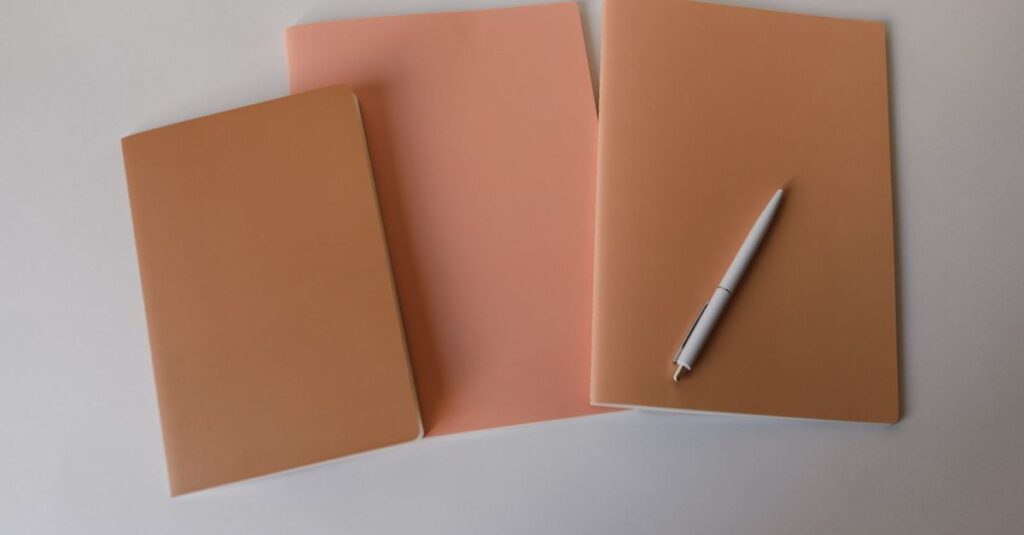
You’ve got a stack of corporate diaries, a pile of training manuals, or maybe a bunch of school notebooks with custom covers. You Google “laminating near me” because you think that’s the next step. But nine times out of ten — that’s not the right next step. You’re looking for protection, for durability. You want this stuff to last. But the real question isn’t where to laminate — it’s whether laminating is even the best way to get what you’re after.
And honestly? Most corporate procurement managers I speak to have the same story. They find a local shop, pay per sheet, deal with inconsistent results — and then they have to do it again next year. That’s the headache. It feels like a production step, but it’s actually a production bottleneck. If this sounds familiar, the real solution might not be a laminator at a copy shop — it might be a full-service printing and manufacturing partner.
What “Laminating” Actually Means in Notebook Manufacturing
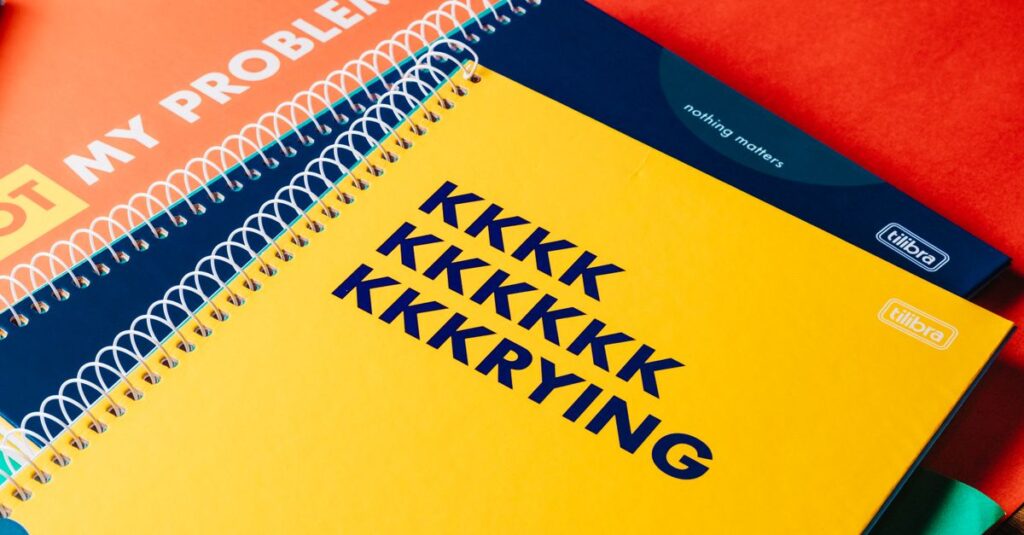
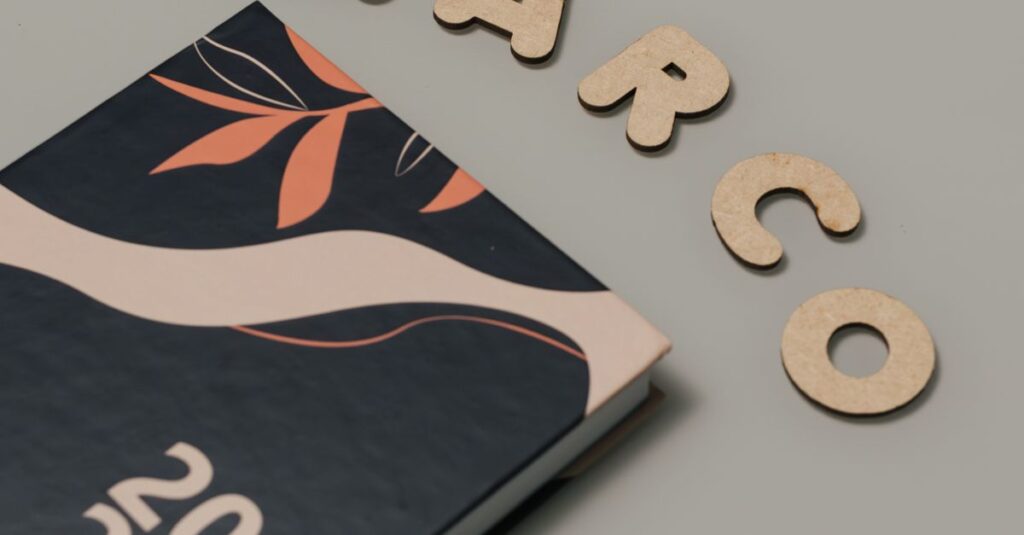
Okay, let’s get clear on this. In the notebook and stationery world, “lamination” isn’t just putting a plastic film over a sheet of paper. It’s a specific binding and finishing process. It usually refers to applying a thin, clear plastic coating — usually PVC — onto a printed surface. Think notebook covers. Think the glossy, wipeable surface on corporate diaries. Think the hard, durable front of a training manual.
The goal is simple: protect the design, make it look premium, and help it survive the daily grind of being opened, closed, and shoved into bags. But the way it’s done matters.
Here’s the thing. When a business searches “laminating near me”, they’re usually looking for a service. Someone who can take their printed items and coat them. But if you’re ordering bulk notebooks, diaries, or account books — you shouldn’t be laminating *after* printing. You should be manufacturing *with* lamination included. That’s the shift. You’re moving from a fragmented process (print here, laminate there) to a single, integrated one.
Which is… a lot more efficient.
The Two Worlds of Lamination
There’s DIY-style lamination — the hot or cold rolling machines you might find at a local stationery shop. And then there’s industrial lamination — done as part of the binding process in a factory. The difference isn’t just scale. It’s quality, consistency, and cost.
- DIY/Small Shop: Per sheet pricing. Limited to certain paper sizes. Risk of bubbles, wrinkles, or peeling edges. Fine for a few certificates. Terrible for 5000 notebook covers.
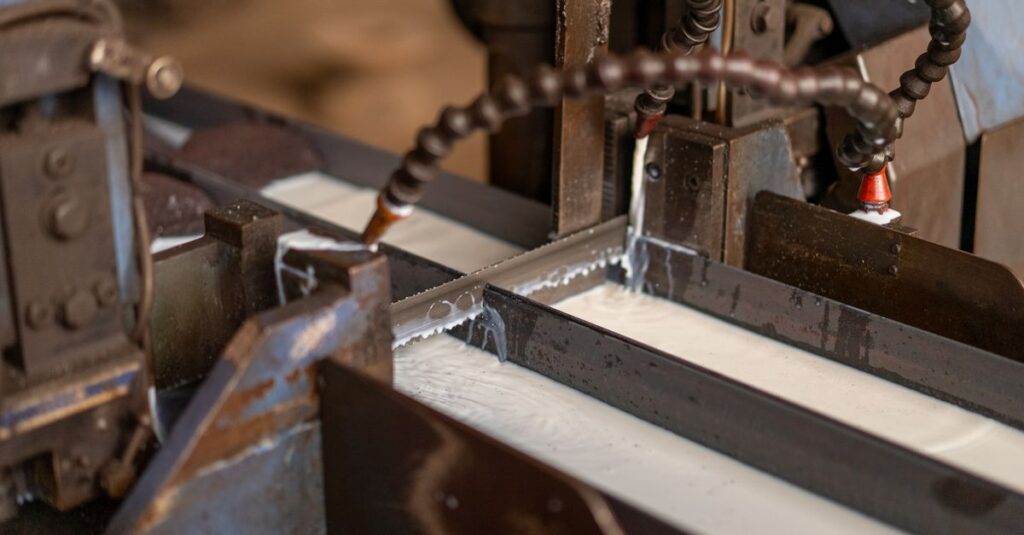
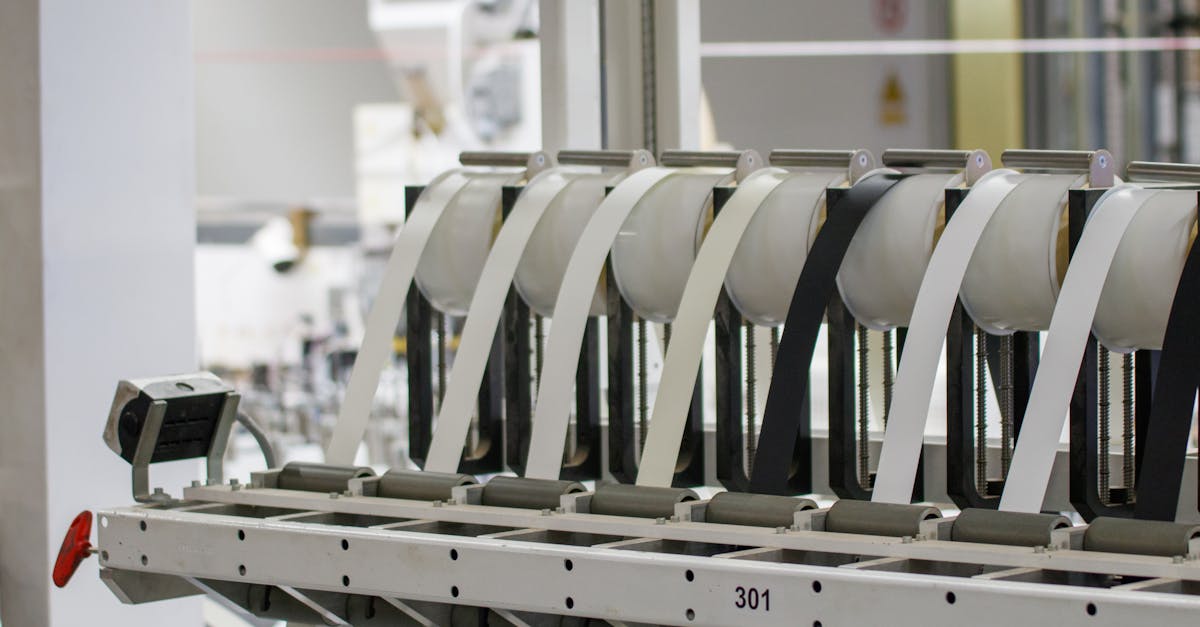
- Industrial/Manufacturing: Part of the cover production line. Applied to the entire cover sheet before cutting and binding. Uniform thickness. Heat-sealed adhesion. Designed specifically for the product’s end use.
I was talking to a procurement manager from a college last week — over email, actually — and she said something I keep thinking about. She’d been laminating their custom student notebooks locally for years. The cost was adding up, and the covers kept peeling after a semester. She switched to ordering the notebooks pre-laminated from a manufacturer. The unit cost went down. The durability went up. She stopped searching for “laminating near me”.
That’s it.
The Real Cost of “Near Me” Lamination for Businesses
Look, I’ll be direct. For a school ordering 10,000 notebooks, or a corporate office needing 2000 branded diaries, outsourcing lamination to a local vendor is almost always a financial mistake. Let’s break it down — not with perfect numbers, but with the real math I see all the time.
First, you pay for printing the covers. Then you transport them to the laminator. You pay a per-sheet laminating fee — which is high because their machine time is expensive. Then you transport the laminated covers to the binder or assembler. Three vendors. Three transports. Three sets of potential errors.
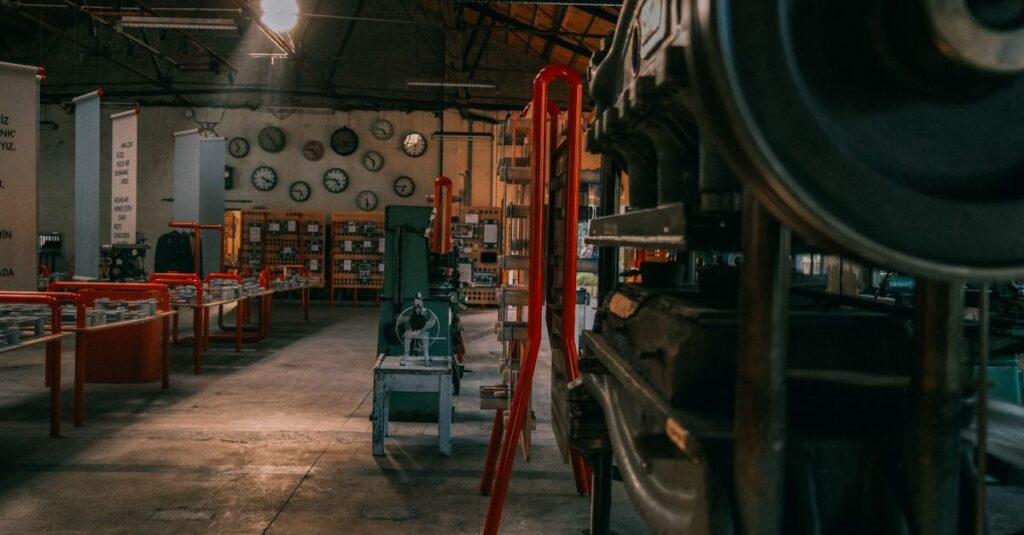
At our factory, the lamination happens on the same line where the cover is printed and cut. It’s one cost. One quality check. One responsibility. The question isn’t whether you need lamination. It’s whether you need an entire, separate supplier just for that one step.
Expert Insight
I was reading an industry report last month and one line stuck with me. It said something like — in bulk manufacturing, adding a separate post-production step like external lamination increases unit cost by 15-25%, not just the laminating fee itself, but through logistics, handling, and increased defect risk. I don’t have a cleaner way to put it than that. The more you fragment the process, the more you pay for the glue — not just the pieces.
When You Actually DO Need a Local Laminating Service
Right. So there are times when “laminating near me” is the perfect search. If you’re a small business with a batch of already-printed, already-bound notebooks that you want to upgrade — maybe for a special event. If you have a prototype sample that you need to toughen up for testing. If you have a few hundred items and the bulk order hasn’t been placed yet.
But — and this is the big but — if you’re planning a recurring, bulk order of notebooks, diaries, or any bound stationery, you should bake lamination into the initial manufacturing spec. It becomes a feature of the product, not an add-on service.
Think about it this way. You don’t buy a car and then go to a separate shop to add the windows. You order the car with windows.
Lamination vs. Other Protective Finishes
This is where it gets practical. Lamination is one option. But in notebook manufacturing, there are others. Sometimes, what you really need isn’t a plastic coat, but a different kind of protection.
| Finish Type | What It Is | Best For | Cost Impact | Durability |
|---|---|---|---|---|
| PVC Lamination | Clear plastic film heat-sealed to cover | Corporate diaries, premium notebooks, items needing wipe-clean surface | Medium | High – resists scratches, moisture |
| UV Coating | Liquid glossy coating applied & cured with UV light | Cover designs with high visual impact, photo covers | Lower than lamination | Medium – good abrasion resistance |
| Matte Coating | Non-glossy, smooth finish | Professional, understated look, reduces glare | Similar to UV | Medium |
| Soft Touch Finish | Velvet-like, tactile coating | High-end branding, luxury feel | Higher | Medium – can wear with heavy handling |
| No Coating / Plain Paper | Raw printed cover | Internal use notebooks, cost-sensitive bulk orders | Lowest | Low – requires careful handling |
What most people don’t realize is that the choice here affects the entire product feel. A laminated corporate diary feels official, durable. A UV-coated notebook feels vibrant, modern. It’s not just protection — it’s perception.
A Real-Life Moment (Not a Case Study)
Ankit, 38, procurement officer for a chain of coaching centers in Hyderabad. He was ordering 15,000 custom notebooks every quarter. He’d been getting them printed uncoated, then taking them to a local laminator in Secunderabad. The lamination cost was rising every year. The delivery timelines were unpredictable because of the two-step process. Last quarter, a batch got delayed — the laminator’s machine broke down. Ankit had to explain to 15 centers why their student notebooks were late.
He switched. Now he orders the same notebooks, but specifies PVC lamination as part of the manufacturing process. One supplier. One delivery date. The per-notebook cost is actually lower. He doesn’t search for laminating services anymore.
Anyway.
How to Actually Get Laminated Notebooks (The Smart Way)
So if you’ve decided laminated covers are what you need, here’s how to get them without the “near me” hassle.
- Specify it upfront: When you talk to a notebook manufacturer, ask about lamination options in the first call. It’s a standard service for most.
- Choose the right type: Discuss the end use. Will these diaries sit on executive desks? Or will they be in student backpacks? That decides the laminate thickness and type.
- Order in bulk: The economies of scale kick in hard here. Lamination as part of manufacturing is vastly cheaper per unit than post-production lamination.
- Check samples: Always get a physical sample of the laminated product before confirming the bulk order. Feel it. Try to scratch it. See how it behaves.
Most people I’ve spoken to say the biggest shift is just changing the question. Instead of “Where can I laminate these?”, ask “Who can manufacture these *with* lamination?”
Frequently Asked Questions
Can you laminate existing notebooks I already have?
Generally, no — not in a manufacturing sense. Once a notebook is bound, the cover can’t go through an industrial laminating machine. If you have already-produced notebooks, you’d need a local service with a small-scale laminator, which is what “laminating near me” usually finds. For future orders, specify lamination during production.
Is lamination necessary for all corporate diaries?
Not necessary, but highly recommended. Lamination protects the cover logo and design from daily wear, gives a premium feel, and makes the diary more durable. For internal-use notebooks, it might be optional. For client-facing or executive diaries, it’s almost standard.
What’s the difference between lamination and a glossy cover?
A glossy cover is often a UV coating — a liquid layer that’s shiny but thinner. Lamination is a separate plastic film applied on top. Lamination is thicker, more protective, and often more expensive. Glossy coating is about aesthetics; lamination is about protection.
How does lamination affect the notebook’s cost?
When done as part of manufacturing, it adds a modest cost per unit — think a small percentage increase. When done as a separate post-production service (“laminating near me”), the cost can be significantly higher due to double handling, transport, and service fees.
Can you laminate only the front cover?
In industrial manufacturing, lamination is typically applied to the entire cover sheet before it’s folded and bound. So both front and back get laminated. If you need only the front protected, a different finishing option like spot UV might be better.
So, should you search for “laminating near me”?
Probably not. If you’re buying in bulk — for schools, corporates, institutions — laminating should be part of your product specification, not a separate service you hunt for. It simplifies your supply chain, reduces cost, and guarantees consistent quality.
The real takeaway is this: you need durable, professional notebooks or diaries. Lamination is one way to get that. But the best way to get it is to work with a manufacturer who includes it in the process, not a vendor who adds it after. It turns a fragmented problem into a solved one.
I don’t think there’s one answer for every situation. But if you’re ordering more than a few hundred items, the math and the logistics almost always point to integrated manufacturing. You already know you need the quality — you’re just figuring out the smartest way to get it. If that’s where you are, talking to a manufacturer directly might be the next step.