You need to know this before you order
You’re looking at a spec sheet for notebooks. Or a catalog for corporate diaries. And there’s this line item: laminated paper. Maybe it’s an option. Maybe it’s mandatory for a certain type of book. Your gut says it’s probably just a fancy term for something that costs more. Right? And you’re right.
But you’re also wrong. Here’s the thing — it’s not just a price bump. It’s a physical change to the paper that changes how the notebook behaves. And honestly? Most people buying notebooks in bulk don’t actually need it. But some absolutely do. I’ll tell you who.
If you’re a procurement manager for a school, a business ordering branded diaries, or a distributor trying to figure out if a higher GSM is enough — this is for you. You can look at standard notebooks, but laminated ones are a different animal.
It’s not “laminate” like a floor
First, let’s clear this up. When someone talks about laminated paper in the notebook and stationery world, they’re usually talking about something else. They’re not talking about plastic sheets glued onto paper. That’s for menus or ID cards. In our line — notebook manufacturing — laminated paper means a specific manufacturing process. It means bonding two or more sheets of paper together to create a single, thicker, stronger sheet.
Why? Well, imagine you need a notebook cover that feels substantial. A cover that won’t bend when someone grabs it. Or a diary that needs to survive a year in a bag without getting dog-eared. A single sheet of 120 GSM paper might be thick, but it can still be flimsy. But if you bond that 120 GSM sheet to another 80 GSM sheet? You get a 200 GSM composite sheet that’s stiff. It has backbone.
That’s laminated paper in notebooks. It’s about structural integrity, not just decoration.
Expert Insight
I was talking to a designer from a big corporate client last month — over coffee, actually — and he kept asking for “thick covers” for their executive diaries. He didn’t want the term “laminated” on the invoice because his boss thought it meant plastic. We ended up calling it “bonded board” in the specs. The point is, the industry term doesn’t always match what the buyer understands. The more capable someone is at design, the harder it becomes to explain the factory process. I don’t have a cleaner way to put it than that.
The real-world use cases (and the waste)
Okay, so where does laminated paper actually make sense?
1. Notebook & Diary Covers: This is the most common use. Especially for corporate diaries, premium journals, or account books meant for heavy use. The cover isn’t just a pretty face; it’s the spine of the book’s durability. Laminating two paper layers gives that rigid feel. It’s the difference between a book that feels “professional” and one that feels “cheap” in the hand. It’s a tactile thing.
2. Heavy-Duty Page Sheets: Sometimes. For things like drawing books where kids might press hard, or for record books in workshops where pages get handled with grimy hands. A laminated page is harder to tear. But honestly? For most writing notebooks, this is overkill and a waste of money. The writing paper we use — around 54 GSM — is designed for smooth writing, not for surviving a demolition. Laminating writing pages makes them stiff and weird to write on.
3. Presentation Folders & Portfolio Covers: This is a big one. When you’re making something that needs to stand up on a desk, or be handed out in meetings and not look battered by lunchtime, laminated paper is the go-to. It’s the secret behind that crisp, authoritative feel.
And here’s the part nobody says out loud: for standard school notebooks, you almost never need laminated paper. Schools buy in bulk, they need affordability, and the books get used for a year. A good stitched binding and a decent cover paper (like 120 GSM) does the job. Lamination here is just an unnecessary cost. I’ve seen specs from tender documents that demand laminated covers for student notebooks. It’s baffling. Probably someone copied a corporate diary spec and didn’t think about it.
Think about it this way: you’re paying for a car. Do you need the reinforced steel frame of an SUV if you’re only driving on city roads? No. You need it if you’re going off-road. Same logic.
A little story about specs
Ramesh, a procurement manager for a chain of private schools in Hyderabad, called me. He had a tender requirement for 10,000 long notebooks. The spec said “laminated cover.” He asked me what it meant, and if it was necessary. I told him what I just told you. Then I asked him: “How are these notebooks used?” He said they’re for daily classwork, stored in bags, used for a year. We sent him samples — a notebook with a standard 120 GSM cover, and one with a laminated cover (two 80 GSM sheets bonded). He tested them. Bent them. Threw them in a bag with other books for a week.
The standard cover held up fine. The laminated one was stiffer, sure. But for a student’s notebook? No practical difference in durability. He changed the spec, saved about 12% on the order cost, and got the same functional product. That’s the kind of thing that happens when you understand the material, not just the label.
Laminated Paper vs. High GSM Paper — What you’re comparing
This is where most confusion lives. Is a 200 GSM single sheet better than a laminated sheet of 100 GSM + 100 GSM? They’re both 200 GSM total, right? Not quite.
| Feature | High GSM Single Sheet | Laminated Paper (Two Sheets Bonded) |
|---|---|---|
| Feel & Stiffness | Thick, but can still have some flexibility. Like a heavy card. | Often more rigid and board-like. Less likely to warp or curl. |
| Production Cost | Usually lower. It’s one manufacturing step: making the thick paper. | Higher. Requires making two sheets, then bonding them together. |
| Surface for Printing | One consistent surface. Good for high-quality print. | The bonding layer can sometimes affect print smoothness on one side. |
| Tear Resistance | Good, but a tear will go through the entire sheet. | Excellent. A tear might start in one layer but not propagate easily. |
| Common Use in Notebooks | Premium cover paper, thick diary covers. | Executive diary covers, hard-use account book covers, presentation items. |
| When to Choose | When you want a thick feel but don’t need extreme rigidity. | When you need structural stiffness and long-term shape retention. |
The table makes it obvious: laminated paper isn’t just about thickness. It’s about creating a different physical property. If your need is stiffness, choose laminated. If your need is just a thick, premium feel, a high GSM single sheet is often better and cheaper.
And honestly? For most notebook covers, the high GSM single sheet is the sweet spot. It’s what we use for most of our corporate diary orders unless the client specifically asks for that board-like stiffness.
How it’s actually made (the factory view)
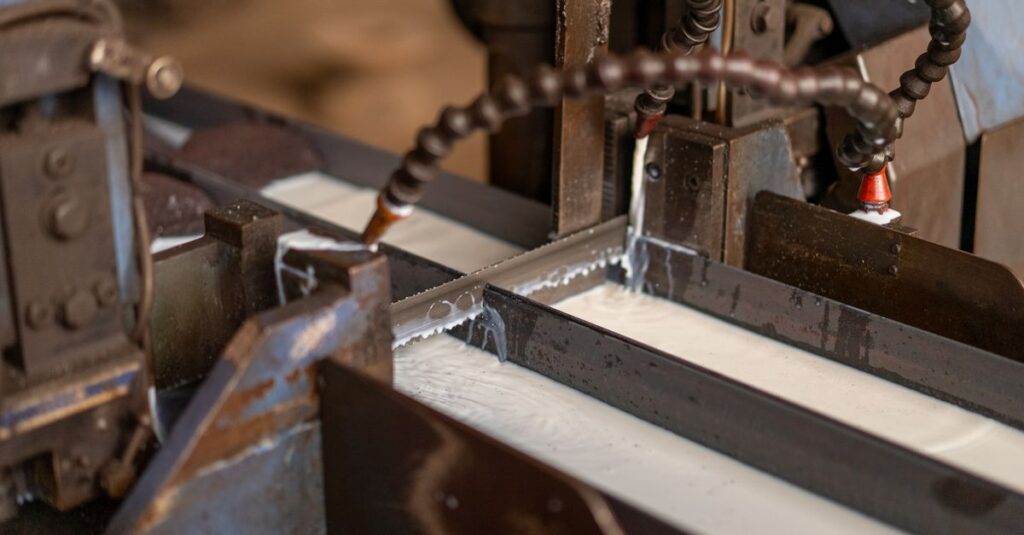
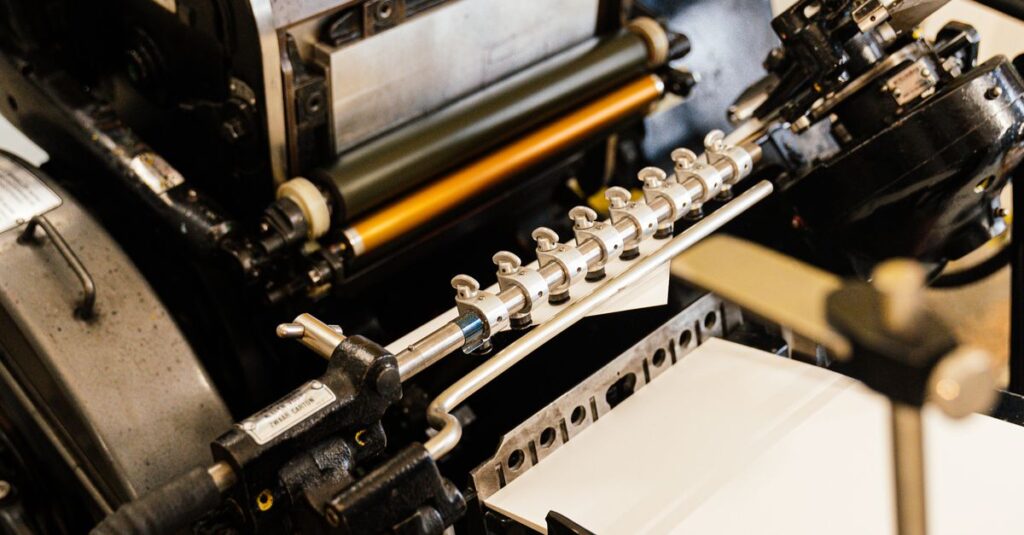
From the manufacturing side, laminated paper is a process. It’s not a raw material you buy. At our factory, when an order calls for laminated covers, we run two sheets of paper through a bonding machine. It uses a thin adhesive layer — not glue that seeps out, a specific kind of adhesive — to press and bond the sheets under heat and pressure.
The key is alignment and avoiding bubbles. If the bonding isn’t perfect, you get a wavy cover or, worse, a cover that starts to delaminate over time. It’s a skilled step. It adds time to the production line. That’s why it costs more.
I think — and I could be wrong — that a lot of buyers assume laminated paper is a fancier *type* of paper. It’s not. It’s a process applied to regular paper. So if you’re ordering, you’re paying for that extra labor and machine time.
The question you should ask before specifying it
Look, I’ll be direct. When you’re drafting a purchase order for notebooks or diaries, and you see the option for laminated paper, ask yourself this one question: Is this product going to be judged by its rigid, un-bending physical presence?
If yes — like a board meeting diary, a premium gift journal, a catalog that needs to stand on a shelf — then laminated paper makes sense. The cost is justified.
If no — like student notebooks, internal office notepads, bulk scribbling pads — then it’s probably a waste of your budget. Go for a higher GSM single sheet instead. You’ll get the perceived quality without the unnecessary process cost.
Most people I’ve spoken to in procurement say they just follow previous specs. They don’t question the “laminated” line item. But questioning it can save real money, or ensure you get the right product for the job. It’s that simple.
Frequently Asked Questions
Is laminated paper waterproof?
No. Not in the notebook context. Laminated paper here is paper bonded to paper. It’s still paper. It will get wet and damaged if water spills on it. If you need waterproofness, you’d need a plastic laminate coating, which is a completely different process and material. For notebooks, that’s extremely rare and expensive.
Can laminated paper be used for notebook writing pages?
Technically yes, but it’s almost never a good idea. Laminated writing pages become too stiff. They don’t fold or flip easily. The writing experience feels odd. And it’s costly. For writing pages, the right GSM and smoothness are what matter, not lamination.
Does laminated paper affect printing quality on covers?
It can, slightly. Because the bonding might create a slightly uneven surface on one side. Usually, we print on the outer side of the laminated sheet, which is fine. But for extremely high-resolution logo printing, a single thick sheet (high GSM) can sometimes give a smoother result. It’s something to test with samples.
Is laminated paper more eco-friendly?
It’s less eco-friendly, honestly. It uses more paper (two sheets instead of one) and adds an adhesive layer. If sustainability is a concern for your organization, a single-sheet, higher GSM, recyclable paper is a better choice. Laminated paper is harder to recycle cleanly.
How do I know if I need laminated paper for my custom notebooks?
The easiest way: ask your manufacturer for samples. Get a sample with a laminated cover and one with a high GSM single sheet cover. Feel them. Bend them. Put them in a bag. See if the extra rigidity matters for your use case. Most good custom notebook printing services will provide these samples because they know it’s a practical decision.
So, what’s the answer?
Laminated paper in notebooks is a tool. It’s a specific solution for a specific problem — the need for stiffness and structural integrity in a paper product. It’s not a generic upgrade. It’s not a mark of premium quality in every context.
For bulk orders, especially for schools or general office use, you can almost always skip it and save budget. For corporate branding where the physical feel of the diary is part of the brand message, it might be worth it.
I don’t think there’s one universal answer here. Probably there isn’t. But if you’ve read this far, you already know what your product needs — you’re just figuring out if laminated paper is the right way to get it. And that’s the whole point of knowing what it actually is.
If you’re specifying an order and want to talk material options — not just catalog terms — that’s the kind of conversation we have every day. It starts with a sample.