Let’s be honest about “magazine printing near me.”
You type that into Google. Maybe you’re a school administrator who needs a few hundred annual magazines. Maybe you’re a corporate procurement manager handling the company’s new internal newsletter. Or maybe you’re a stationery distributor and a client just asked for a custom catalog.
The search is urgent. The need is specific. But here’s what you find: a list of local print shops that do wedding invitations, business cards, and maybe… small runs of magazines. And that’s the problem. Nine times out of ten, “near me” printing isn’t set up for what you actually need. They can’t handle 5,000 bound copies. They can’t source the right paper in bulk. They don’t have the binding machines for a professional finish. They give you a per-unit quote that makes your finance department wince.
You’re not looking for a print shop. You’re looking for a manufacturer. There’s a huge difference, and most of those local listings won’t tell you that. What you need is a production facility, not a copy center. Right.
What “magazine printing” really means for bulk orders.
Okay, so let’s break this down. When a school or a business says “magazine,” they’re usually talking about a bound, multi-page publication. Think yearbooks, corporate reports, alumni magazines, product catalogs. It’s not a one-off. It’s a project.
The search intent behind “magazine printing near me” is almost always commercial, not informational. You’re ready to buy. You have a quantity in mind. You need a quote, a timeline, and a partner who won’t mess it up. The emotional state? A mix of slight anxiety (this is a visible, important project) and pragmatic frustration (why is this so hard to source reliably?).
You need someone who understands paper gsm, binding spine thickness, cover lamination options, and how to pack 500 units into a carton for shipping. You need someone who has done this for a district office or a mid-sized company before. That local print shop with the fancy designer? Probably not that someone.
Real-life micro-story
Take Priya, 42, procurement manager for a chain of coaching institutes in Hyderabad. She needed 8,000 copies of their annual “Topper’s Digest” — a 92-page magazine for parents. She searched “magazine printing near me,” got three quotes from city printers. One said they’d have to outsource the binding. Another quoted a 6-week timeline. The third’s sample copy had pages falling out. She told me this over email — she was on her third coffee of the day, no food since lunch. She finally found a manufacturer, not a printer, two states away. The magazines arrived perfect, on time. But the local search failed her completely.
Which is… a lot to sit with.
The big disconnect: Local printing vs. bulk manufacturing.
This is the core of the issue. Your local printer is fantastic for short-run, digitally printed items. 50 brochures? 100 flyers? Go see them. They’re your neighbors.
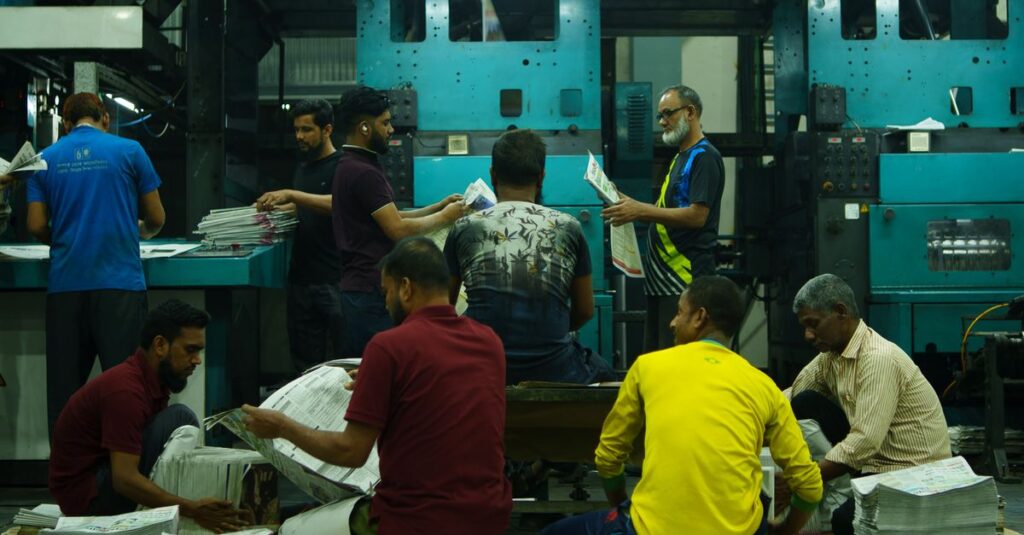
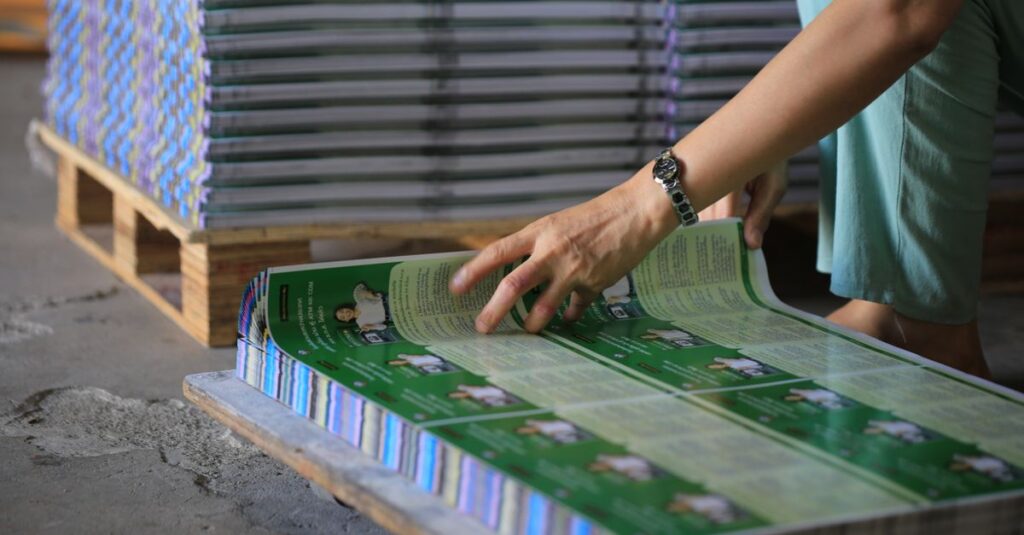
But for a magazine run in the thousands, you cross a threshold. The economics and machinery change entirely. Offset printing becomes cheaper per page than digital. Specialized binding lines (perfect binding, saddle stitching) are needed. Paper is bought by the truckload, not the ream. The whole process shifts from printing to manufacturing.
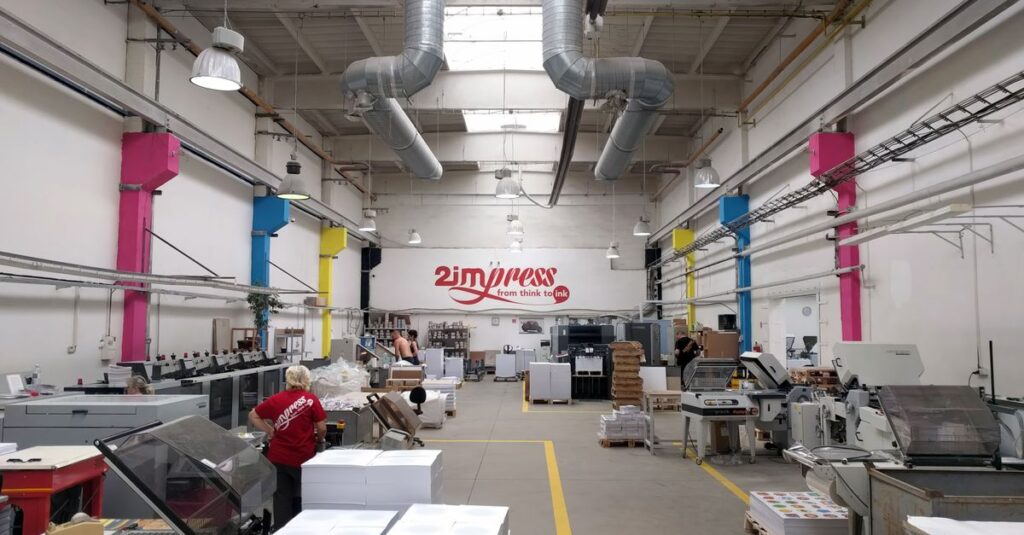
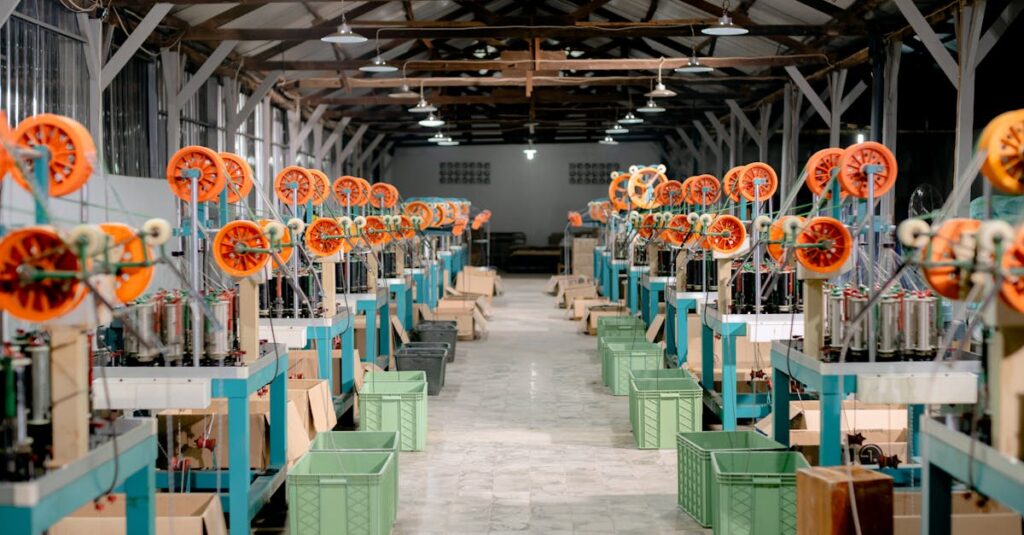
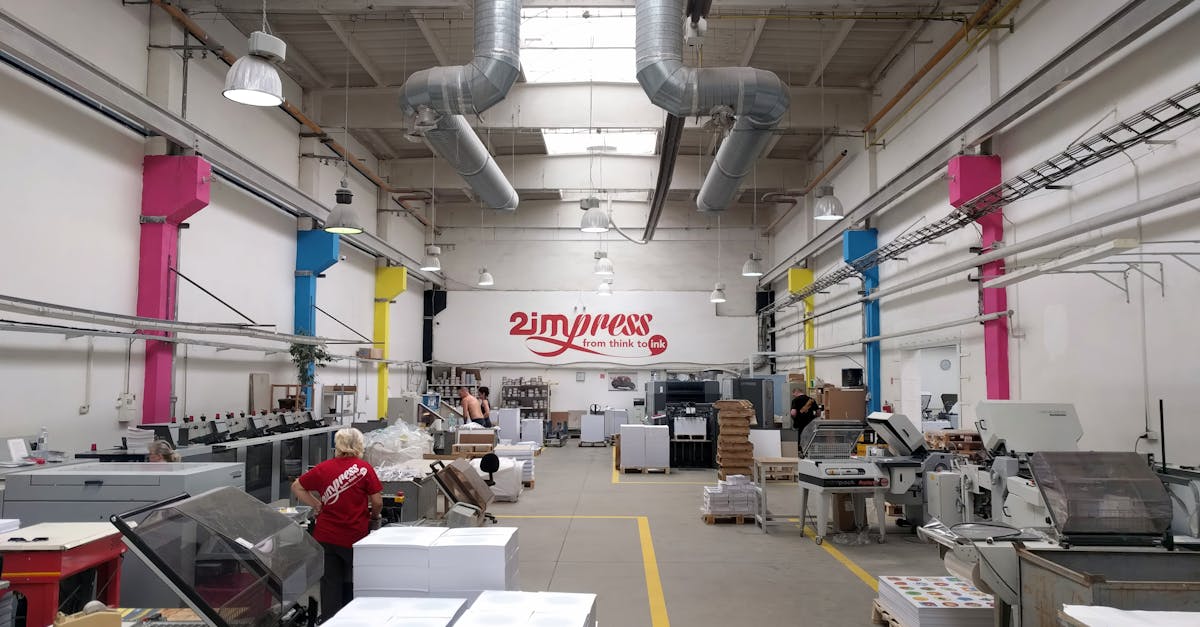
And that word — manufacturing — is what you should be looking for. A place with a factory floor, not just a print room. A company that makes notebooks and diaries in bulk can almost always handle your magazine project better than a local print shop. Because the skills are the same: bulk paper handling, precise cutting, durable binding, and industrial-scale production.
Look, I’ll just say it. If your quote is based on a “per page” digital cost, you’re probably talking to the wrong kind of supplier.
| Factor | Local Print Shop | Bulk Notebook/Magazine Manufacturer |
|---|---|---|
| Best For Quantity | 1 – 500 copies | 500 – 50,000+ copies |
| Printing Method | Digital (high per-unit cost) | Offset (low per-unit cost at scale) |
| Paper Sourcing | Retail/wholesale reams | Direct from paper mills (bulk rolls) |
| Binding Capability | Stapling, basic coil | Perfect binding, saddle stitch, sewn binding |
| Cost Driver | Machine time + markup | Material volume + efficiency |
| Project Management | Often you are the project manager | Dedicated production team handles workflow |
What to actually look for (and ask).
So, if “near me” is leading you astray, what should your search be? And what questions do you ask when you find a potential supplier?
First, expand the search. You’re looking for “bulk magazine manufacturers,” “custom yearbook printing,” “catalog production services.” Distance matters less than you think — shipping a pallet from a state over is often cheaper than the inflated unit cost from a local guy trying to make small-run tech work for your big job.
When you get them on the phone, ask these questions:
- “What’s your minimum order quantity for a perfect-bound magazine?” (This tells you their scale.)
- “Can I get a paper docket with GSM options?” (A good manufacturer will have this ready.)
- “Walk me through your binding process for a 100-page book.” (Listen for words like “gathering,” “spine milling,” “hot melt glue.” That’s expertise.)
- “What’s the lead time for 5,000 copies?” (If they hesitate or say it depends on too many external factors, be wary. A real factory has a schedule.)
And honestly? Ask for client references. Not testimonials on a website. Actual names of schools or companies they’ve supplied. A manufacturer who’s been around for decades, like Sri Rama Notebooks, will have done this for hundreds of institutions. That’s the trust factor you need.
Expert Insight
I was reading an industry report last month, and one line stuck with me. A production manager said something like — the most expensive print job is the one you have to do twice. Because of a late local supplier, or poor binding, or wrong paper.
I don’t have a cleaner way to put it than that. The risk isn’t just the money. It’s the deadline for Orientation Day. It’s the launch of the corporate annual report. The cost of a reprint is nothing compared to the cost of missing that moment.
The binding is everything. No, really.
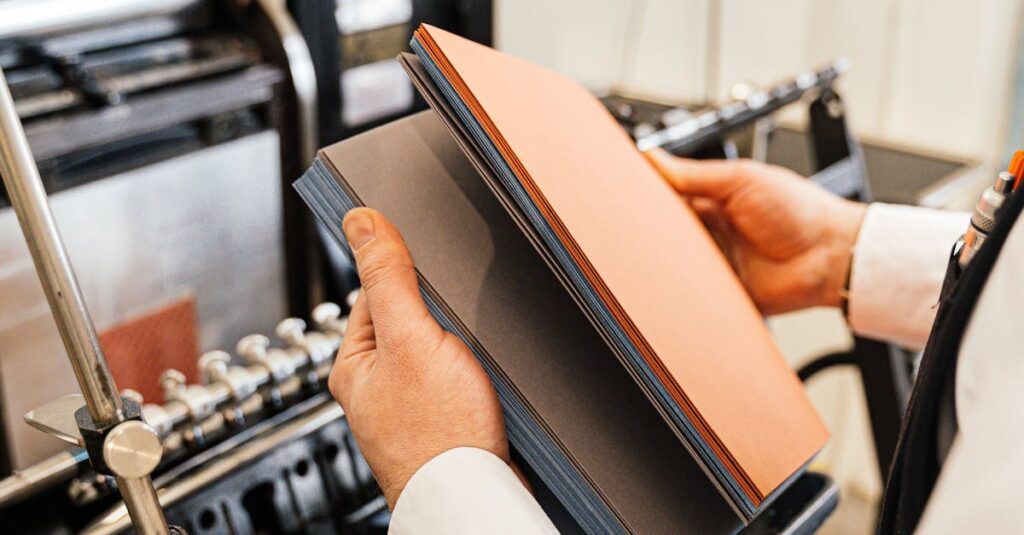
People focus on the cover design and the paper quality. Which matters. But the binding is what makes a magazine feel professional — or cheap. It’s the difference between something that lasts a year on a shelf and something that sheds pages after one reading.
For magazines, you’re typically looking at two options:
Saddle Stitching: That’s staples through the spine. Good for thinner magazines (up to about 92 pages, depending on paper). It’s cost-effective and classic. Most school magazines and newsletters use this.
Perfect Binding: That’s the flat spine you see on thick magazines, annual reports, or yearbooks. The pages are glued together at the spine with a strong, flexible adhesive. It looks and feels premium. It allows for a printed title on the spine.
Your local printer might offer saddle stitching. They almost never have a perfect binding line. It’s a dedicated, bulky machine. This is probably the single biggest technical reason to go with a manufacturer. They have the machine. They know how to run it. The glue temperature matters. The clamp pressure matters. It’s not guesswork.
Three things happen when binding is done wrong: the book doesn’t open flat, pages pull out with gentle tugging, or the spine cracks when you bend it back. Done.
Thinking beyond “near me” — the logistics of bulk.
Okay, let’s say you find a great manufacturer. They’re not exactly “near you.” How does that work?
Better than you’d think. Here’s the thing — manufacturers who work with schools and corporations are set up for logistics. They’re not waiting for you to pick up a box. They calculate shipping into the quote. They palletize. They use reliable freight partners. They send tracking info. The magazine printing near me search often assumes you’ll carry the boxes yourself. But who wants 3,000 magazines in their trunk?
The real benefit is consolidation. A good manufacturer will often print, bind, poly-pack (that plastic wrapping), box, and ship. One point of contact. One accountability line. That alone is worth its weight in gold compared to coordinating between a local printer, a separate binder, and a packing guy.
I’ve heard this enough times now from procurement managers: the relief isn’t in saving 5% per unit. It’s in not having to think about the project after the PO is issued. It just arrives, on time, as specified. That’s the actual goal.
Anyway. Where was I.
So, what now?
If you’ve read this far, you already know the local search is a minefield for something as specific as bulk magazine printing. The intent is right — you want a reliable, quality supplier. But the phrase “near me” pulls you into a world of retail printing, not industrial manufacturing.
Shift the search. Look for capability, not proximity. Look for a factory, not a storefront. Ask about binding machines and paper mills, not just turnaround time.
The question isn’t whether you need a local printer. It’s whether your project is a print job or a production run. Most institutional magazine needs are the latter. Treat them that way, and you’ll find the right partner — even if they’re a few hundred kilometers away.
Frequently Asked Questions
What is the minimum order quantity for magazine printing?
It varies wildly. Local digital printers might do 100. Real manufacturers often start at 500 or 1,000 copies for it to be cost-effective using offset printing. For saddle-stitched magazines, we often see a 500-copy minimum. For perfect binding, it might be 1,000. Always ask.
What is the difference between digital and offset printing for magazines?
Digital is great for low quantities and variable data (like personalized names). Offset is for bulk. The per-page cost of offset drops dramatically with volume, and the color consistency is superior for long runs. For anything over 500 copies, offset is usually the way to go.
How long does bulk magazine printing take?
From final approved artwork, a professional manufacturer can typically turn around 5,000–10,000 copies in 2–3 weeks. This includes printing, binding, drying time for glue, and packing. Always build in extra time for proof approvals and shipping.
Can I get custom sizes for my magazine?
Yes, but be prepared for implications. Standard sizes (like A4, A5) use pre-cut paper, which is cheaper. A custom size means custom paper cutting, which adds cost and time. A good manufacturer will guide you on the most cost-effective size for your page count and vision.
How do I choose between saddle stitch and perfect binding?
Page count is the main driver. Up to about 92 pages (on standard paper), saddle stitch is perfect and economical. Beyond that, or if you want a more premium look with a printed spine, go for perfect binding. A manufacturer can make a sample of each so you can feel the difference.
I don’t think there’s one perfect supplier for everyone. Probably there isn’t. But if your search for “magazine printing near me” has felt frustrating, it’s because you’re looking for an industrial solution in a retail directory. The good news? The right kind of manufacturer isn’t hiding. They’re just not always the first result on Google Maps. You might just need to reach out directly and start a conversation about what you’re really trying to make.