The stuff we sell, and why it matters
You’ve probably got a notebook on your desk right now. Maybe it’s for meetings. Maybe it’s your kid’s school book. You order them, we make them. But here’s something I think about a lot in our factory: notebooks aren’t just bound paper. They’re containers. Containers for plans, mistakes, lessons, and invoices that nobody wants to lose. They’re a specific kind of tool. And most people ordering them in bulk don’t think about what tool they’re actually ordering. If you’re buying for a school, a corporation, or as a distributor, getting the wrong notebook isn’t just a waste of money. It’s a waste of potential.
What a notebook really is (and what a journal is)
Most people use the words interchangeably. I’ve seen corporate buyers ask for “journals” when they mean meeting notebooks. I’ve seen schools ask for “notebooks” when they need graph books. It’s a headache, honestly. So let’s break it down from a maker’s point of view.
A notebook is a tool for recording and retrieving information. Its job is functional. The paper needs to be smooth enough for quick writing, the binding needs to survive a year of being shoved into bags, and the ruling needs to match the task—single ruled for essays, four-ruled for young kids learning letters. It’s designed for utility and volume. When you’re ordering 10,000 units for a school, you’re ordering a tool. The manufacturing focus is on consistency, durability, and cost-efficiency.
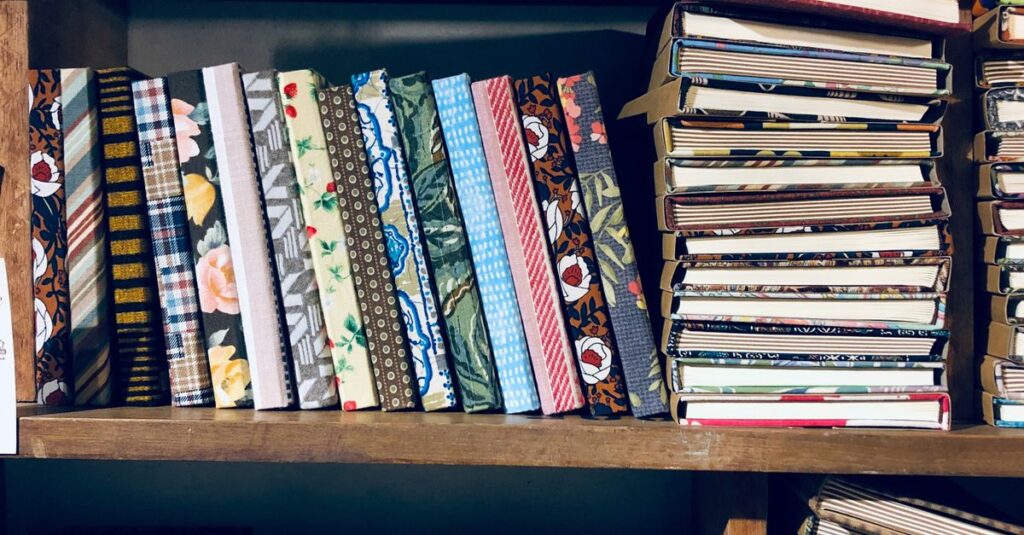
A journal is something else. It’s a container for reflection, not just recording. The paper quality often feels different—maybe thicker, with a nicer finish. The cover is more personal, sometimes even decorative. Binding might be more robust because it’s meant to last longer, hold more sentimental weight. It’s still a product we make, but the intent behind it changes everything. When a corporation orders branded journals for executives, they’re not just buying stationery. They’re buying a gesture. A signal. The manufacturing focus shifts to presentation, finish, and that subtle feel of quality.
The question isn’t which one is better. It’s which one your order actually needs.
The factory floor view: how intent changes everything
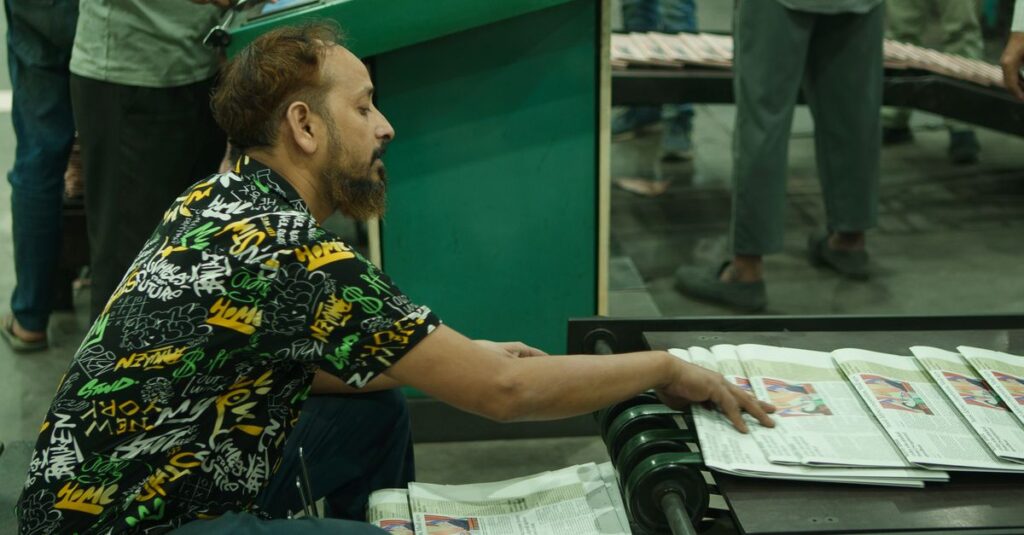
I walked through our production line yesterday. On one side, we’re running a massive order of 52-page single-ruled school notebooks. The machines are humming, cutting, stitching, stacking. The goal is clean, functional, dependable. On the other side, we’re hand-checking the finish on a batch of 240-page corporate diaries with perfect binding and custom logo foiling. The pace is slower. The attention is different. The silence had weight.
Three things happen when you confuse the two:
- You over-spec and overspend on a simple tool.
- You under-spec and get a product that fails its job.
- You end up with stock that nobody uses—which is the worst outcome for everyone.
Here’s a micro-story that sticks with me. Priya, a procurement manager for a chain of private schools in Hyderabad, ordered 5,000 “notebooks” last year. She asked for “good quality.” We sent our standard 54 GSM single-ruled longs. The teachers complained. The paper was too thin for the fountain pens the students used; ink bled through. The ruling was too narrow for their handwriting style. Priya wasn’t wrong to ask for good quality. We weren’t wrong to send our standard. But the tool didn’t match the task. We recalibrated. Switched to a 70 GSM paper with broad ruling. Problem solved. It wasn’t about better or worse. It was about fit.
Expert Insight
I was reading something last month and one line stuck with me. A designer said something like—the most functional object is the one that disappears into its use. A notebook should feel like part of the hand, not an object the hand holds. I don’t have a cleaner way to put it than that. In our factory, the goal for a bulk school notebook is that disappearance. For a journal, it’s the opposite. It should feel present, noticed, intentional. That’s the line.
Paper, binding, ruling: the trifecta nobody talks about
Look, I’ll just say it. Most bulk buyers focus on price and page count. Which makes sense. But price per unit is meaningless if the unit fails. You need to think about paper GSM, binding type, and ruling as one system. They work together or they fail together.
Standard notebook paper is around 54 GSM. It’s designed for pencil and ballpoint, smooth, fast writing. It’s economical. If your users are writing with fountain pens or need to erase heavily, you need heavier paper—70 GSM or more. That’s a different product. It costs more. But ordering the cheaper 54 GSM for that task means ink bleed, torn pages, frustration. You’ll re-order next term. Or you’ll get complaints.
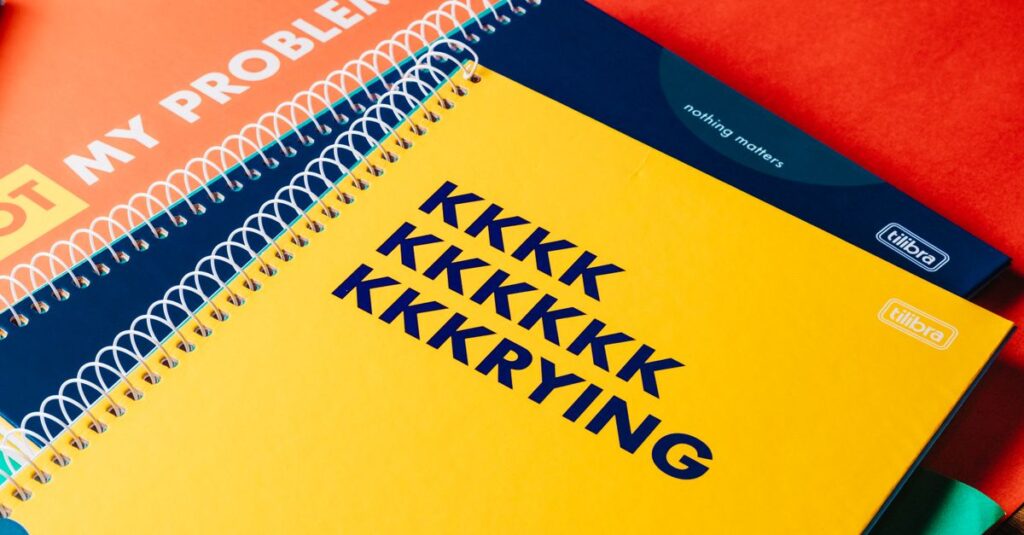
Binding is about lifecycle. Stitched binding is tough, cost-effective, ideal for school notebooks that last an academic year. Spiral binding allows flat opening, great for artists, designers, or meeting notes where you need the page fully exposed. Perfect binding—that glued, clean-edge look—is for corporate diaries, journals, things that sit on desks and need to look professional. Each has a different cost, a different production line, a different purpose.
Ruling. This is the most overlooked part. Single ruled (SR) for general notes. Double ruled (DR) for accounting or two-column notes. Four ruled (FR) for young children learning letter sizing. Unruled (UR) for drawing, diagrams, freeform thought. Center Broad Ruled (CBR) for specific ledger formats. Choosing the wrong ruling makes the notebook unusable for its core task. It’s like buying a hammer with a rubber head.
Anyway. Where was I. The point is, these three specs talk to each other. A heavy-paper journal with spiral binding and unruled pages is a sketchbook. A light-paper notebook with stitched binding and four ruling is a primary school book. They’re different tools. Getting the combo right is probably the biggest reason bulk orders succeed or fail quietly on the shelves.
Notebooks for institutions vs. journals for brands
Let’s compare. Because this is where most confusion happens for buyers.
| Feature | Institutional Notebook (Schools, Govt.) | Branded Journal (Corporate, Gifts) |
|---|---|---|
| Primary Goal | Uniformity, function, cost-efficiency | Presentation, perception, brand value |
| Paper Quality | 54-60 GSM, writing-focused | 70+ GSM, feel-focused |
| Binding | Stitched (durable, low-cost) | Perfect or Spiral (looks, flexibility) |
| Cover | Simple, printed design, mass-produced | Custom, often foil-stamped/embossed |
| Ruling | Strictly task-matched (SR, DR, FR) | Often unruled or lightly ruled |
| Page Count | Standard (52, 92, 200 pages) | Higher (240, 320, 700 pages) |
| Production Pace | High-speed, bulk runs | Slower, quality-check intensive |
The table makes it obvious. They’re different products with different manufacturing rhythms. Ordering a “corporate journal” with the specs of a school notebook gets you a product that feels cheap. Ordering a “school notebook” with journal specs blows your budget. You need to know which lane you’re in. Most people don’t—they just ask for “notebooks.”
And honestly? That’s where talking to a manufacturer who actually makes both helps. We see the whole spectrum. From the 40,000-notebook-a-day school orders to the 500-piece custom journal run for a Mumbai law firm. The machinery is the same, but the mindset is different. Knowing what you need before you order saves time, money, and a lot of back-and-forth emails.
The bulk order reality: what we see from Rajahmundry
We’ve been here since 1985. Rajahmundry isn’t a stationery hub like Mumbai or Delhi. It’s a factory town. We make things. And what we see in bulk orders has changed. Earlier, schools wanted the cheapest option. Now, they want the right tool—paper that doesn’t tear, binding that lasts the term, ruling that helps teachers. Corporations used to order generic diaries. Now they want branded pieces that reflect their identity. The shift is subtle but real.
In my experience working with international buyers, the confusion is even higher. A distributor from Africa might ask for “notebooks” but mean heavy-paper, thick-count products for university students. A wholesaler from the Gulf might ask for “journals” but actually want affordable, functional notebooks for retail. The words don’t translate cleanly. The specs do.
So here’s my advice—probably the biggest one I can give. Don’t start your order with “I need notebooks.” Start with: What will they be used for? By whom? For how long? With what pen? Answer those, and the specs—paper, binding, ruling—become obvious. Then you can talk price, volume, timeline. It’s backwards from how most people buy, but it’s the only way that works.
We can produce 30,000 to 40,000 bound notebooks a day. But that capacity is useless if the product isn’t right. The real problem: nobody talks about use first.
Frequently Asked Questions
What’s the main difference between a notebook and a journal?
A notebook is a functional tool for recording information—think schoolwork, office notes. It’s built for durability and cost-efficiency. A journal is more about reflection and presentation—think corporate gifts, personal diaries. It often has better paper, finer binding, and a more designed cover. The intent behind each changes how they’re made.
Which paper GSM is best for school notebooks?
For most school use with pencils and ballpoint pens, 54 GSM paper is standard and perfect. It’s smooth, affordable, and durable enough for an academic year. If students use fountain pens or need to erase often, go for 70 GSM or higher to prevent ink bleed and paper tearing.
What binding should I choose for corporate diaries?
For corporate diaries that need to look professional on a desk, perfect binding (glued, clean edges) is typical. If you want the diary to open flat for easy writing, spiral binding is better. Stitched binding is more for utilitarian notebooks. Think about how it will be used and seen.
How do I decide the ruling for bulk notebooks?
Match the ruling to the task. Single Ruled (SR) for general writing. Double Ruled (DR) for accounting. Four Ruled (FR) for young children’s handwriting practice. Unruled (UR) for drawing or freeform notes. Center Broad Ruled (CBR) for ledger formats. Wrong ruling makes the notebook hard to use.
Can I get custom covers for bulk school notebooks?
Absolutely. We regularly do custom covers for schools—with school logos, names, even year-specific designs. It’s a simple print process and doesn’t significantly affect cost. It adds identity and reduces mix-ups. Just provide the design and we integrate it into the production run.
So, what are you actually ordering?
Earlier I said notebooks are containers. That’s not quite fair—it’s more that they’re tools shaped by the hand that uses them. Your bulk order isn’t just a purchase. It’s a decision about what those hands will do. A school notebook that tears in a month is a broken tool. A corporate journal that feels cheap is a missed message.
The takeaway? Don’t start with the product name. Start with the use case. The user. The pen. The duration. Then let the specs—paper, binding, ruling—fall out of that. That’s how you get the right tool, not just the right price.
I don’t think there’s one answer here. Probably there isn’t. But if you’ve read this far, you already know what you’re looking for—you’re just figuring out if it’s okay to want it. And it is. Sometimes talking to the factory helps.