The Notebook Supplier’s Secret Weapon
Right. Let's talk about machines. Because if you're the person responsible for ordering 5,000 branded notebooks for your corporation, or 50,000 units for schools, you're not just buying stationery. You're buying trust. You're buying durability. And somewhere between you placing the order and those boxes arriving on a pallet, a huge chunk of that trust gets built by a machine you'll likely never see.
That machine is an offset printing machine. And honestly? Nine times out of ten, it's the only thing that makes large-scale notebook printing not just possible, but profitable and perfect.
I've been in this world — notebook manufacturing — for a long time. Since 1985, to be precise. And the number of procurement managers who've asked me, over a WhatsApp message or a rushed call, "Can you just print our logo clearly?" is… well, it's a lot. The answer is always yes. But the real question behind that question is about the how. And the "how" almost always starts with offset printing.
If you're comparing quotes or wondering why one manufacturer's sample looks crisper than another's, the printing process they use is the first thing you should ask about.
Okay, But What Is It, Really?
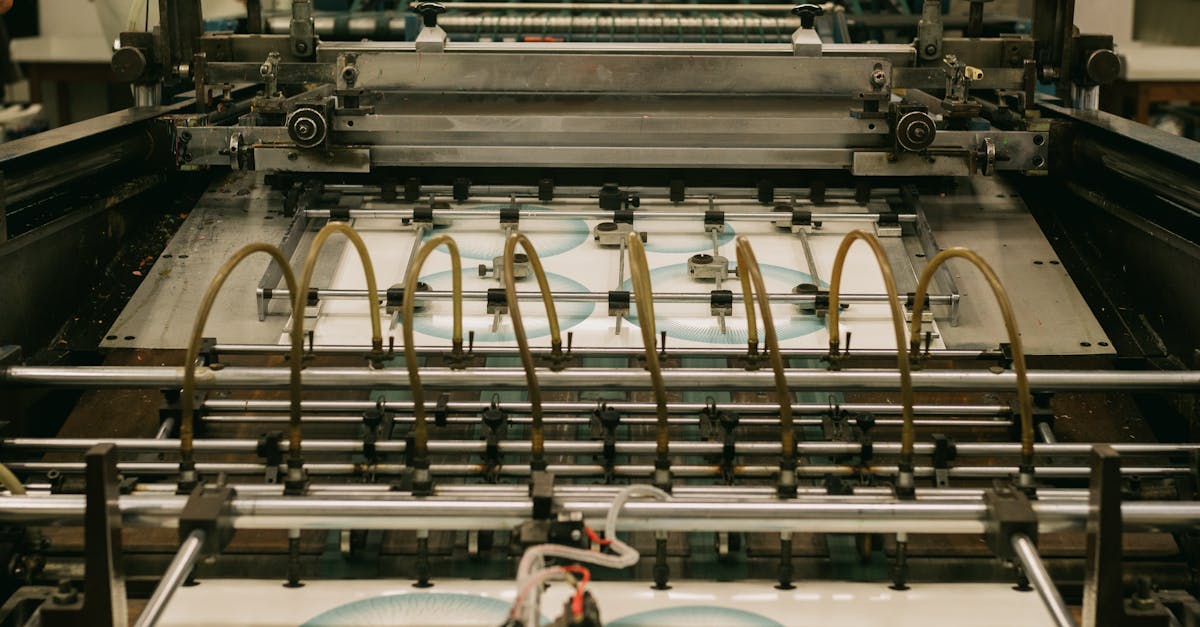
Think of it like a high-precision stamp, but one that doesn't actually touch the paper. That's the core idea. An offset printing machine transfers ink from a metal plate to a rubber blanket, and then from that blanket onto the paper. The "offset" part is that middle step — plate to blanket to paper. It sounds like an extra, pointless step. It's not.
That rubber blanket is why. It conforms to the texture of the paper, whether it's a slightly rough notebook cover or a smooth, glossy sheet for a diary. It gives you a cleaner, sharper, more consistent image than if you slammed a metal plate directly onto the page. For bulk notebook orders, where you might have a hundred thousand sheets rolling through, that consistency is everything. A tiny smudge on plate 10,000 becomes a disaster without that buffer.
Here's the thing — it's not the only way to print. Digital printers exist. They're fantastic… for the right job. But for mass-producing notebooks, diaries, or any stationery where the print run is in the thousands, offset is the workhorse. The economics flip at a certain volume. The setup takes longer, but once that machine is humming, it's like a train at full speed: efficient, relentless, and incredibly cost-effective per unit.
Which brings me to a story. I was talking to a procurement head from a university last month — let's call him Ravi, from Hyderabad. He was frustrated. Their last order of 20,000 lab notebooks had logos that faded near the spine. The supplier had, to save on a small order, used a digital flatbed printer not suited for the binding process. The heat and pressure messed with the toner. A classic case of using the wrong tool for the job. We reprinted them on our offset machine. The difference wasn't subtle. Ravi didn't need to know the mechanics; he just needed to know his problem wouldn't happen again.
Offset vs. Digital: The Showdown for Your Notebook Order
Most people think printing is printing. It's not. Choosing between offset and digital for your corporate diaries or school notebooks is like choosing between a cargo ship and a speedboat. Both move things. One is built for massive scale and low cost-per-mile. The other is agile, perfect for quick, small trips.
Let me break it down, the way I would to a new buyer sitting across from me.
Digital Printing: Great for prototypes. For when you need 50 custom notebooks yesterday to show the board. No plates needed, so setup is almost instant. The cost per page is high, but for tiny quantities, it's fine. The catch? The color might shift slightly from one batch to the next. The ink (toner, actually) sits on top of the paper. It can crack if the cover is folded too aggressively during binding. For a run of 500? Maybe a risk you take. For 5,000? It becomes a very expensive gamble.
Offset Printing: This is for production. The upfront cost is in making the plates — think of them as the master negatives for your design. Once that's done, the machine is a beast of efficiency. The ink soaks into the paper fibers. The colors are richer, more consistent across ten thousand sheets. The per-unit cost plummets as the quantity goes up. This is why bulk notebook manufacturers like us rely on them. The machine itself is a significant investment, a quarter-century of engineering humming on our factory floor in Rajahmundry. It's not something you fire up for a hundred books.
The real headache for buyers comes when a supplier uses digital for a job that needs offset, just to win the bid. The sample looks okay. But when the full order arrives, the color matching is off, or the print feels fragile. You get what you pay for, but only if you know what you're paying for.
| Factor | Offset Printing | Digital Printing |
|---|---|---|
| Best For Quantity | Large runs (1,000+ units) | Small runs (1-500 units) |
| Setup Cost & Time | High (plate creation) | Low to none |
| Cost Per Unit | Decreases dramatically with volume | Stays relatively high |
| Color Consistency | Excellent across entire run | Can vary between batches |
| Paper Flexibility | Handles a wide range, including textured covers | Best on standard, smooth stocks |
| Durability of Print | Ink soaks in; very durable | Toner sits on top; can crack |
Look, I'll be direct. If you're a school administrator ordering annual notebooks, or a corporate manager sourcing branded diaries for your team, your volume almost certainly justifies offset. Asking your potential supplier which method they'll use isn't being nitpicky. It's the first sign you know what you're doing.
Why the Machine Is Just the Start
Owning an offset printing machine isn't a magic wand. This is the part most blog posts don't tell you. The machine is a tool. The skill is in the operator, and in everything that happens around it.
The paper has to be right. Feeding 70 GSM paper through at high speed is different from feeding 200 GSM cardstock for a hardcover diary. The machine needs adjusting. The ink viscosity changes with the humidity in Rajahmundry — and yes, we have to account for that. There's a whole dance of make-ready, where the operator gets the plates locked in, the ink wells calibrated, and the pressure just so. You can waste hundreds of sheets just getting to the point where the print is perfect.
And then there's the binding. This is where notebook manufacturing separates from general printing. That beautifully printed cover sheet now has to be folded, stitched, glued, and trimmed. If the print isn't perfectly aligned — what we call "in register" — the final notebook looks off. The margin on the left might be narrower than on the right after trimming. It feels cheap.
I think about this a lot. The machine is the star, but the binding line is the unsung hero. A perfect print can be ruined by a misaligned stitching head. We run spiral binding, perfect binding, and stitched binding lines all in the same facility for a reason. The print job dictates the bind. You can't just outsource one part and hope it all comes together.
Expert Insight
I was reading an industry journal last month, and one line from an old press manager stuck with me. He said something like — the mark of a good offset shop isn't just clean prints, it's how little paper they waste getting to that clean print. That's the efficiency that gets passed on to the buyer. It's not about cutting corners; it's about deep, ingrained knowledge of the material. When we run an order for, say, 92-page single-ruled school notebooks, we know exactly how that paper will behave through the dryer. That knowledge… you can't buy it. You earn it over forty years of trial and error.
What This Means for You, The Buyer
So you're not a printing technician. You shouldn't have to be. But knowing a few key things can save you from a bad order.
First, ask about the process directly. "Will this be printed using offset or digital?" The answer tells you a lot about how they view your order. If it's a bulk order and they say digital, probe why. There might be a valid reason (a super complex variable data print), but often, it's a red flag.
Second, request a physical dummy. Before you approve a 10,000-unit print, ask for a non-printed dummy notebook made with the exact paper and binding you want. Feel it. Flip through it. Try to tear a page. The machine prints, but the paper quality and binding are what make it a notebook. We do this for all our major clients because it eliminates "it didn't feel like I imagined" syndrome.
Third, understand the proofing stage. With offset, you get a hard proof — an actual print from the plates — before the full run starts. This is your last chance to catch a color error. Don't approve it looking at a PDF on your screen. Screen colors lie. Hold the proof under the same light your end-users will see it in.
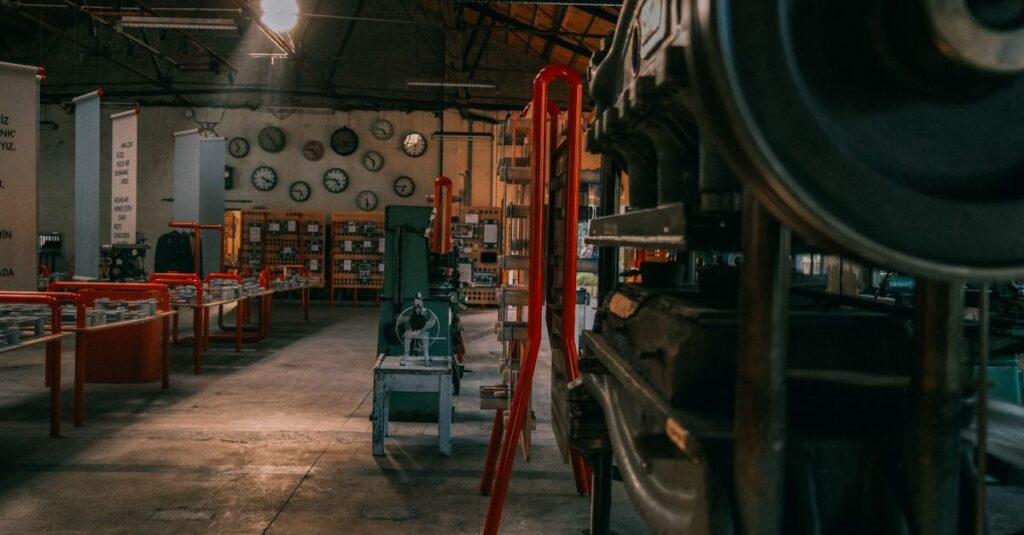
And a fourth thing, maybe the most important: visit if you can. I know, schedules are impossible. But if you're making a six-figure commitment on corporate gifts, seeing the factory floor matters. You see the machines. You smell the ink and paper. You get a gut feel for the operation. We've had buyers from the Gulf and Africa come to Rajahmundry. They don't come to audit us; they come to see the capacity. They see the offset presses lined up, the binding lines whirring, the pallets being wrapped. It turns an abstract supplier into a real partner.
Anyway. Where was I. The point is, your due diligence as a buyer shouldn't stop at the price per unit. It should go into the how. Because the how determines whether those notebooks sit proudly on an office desk for a year, or get tossed in a drawer because the logo peeled off.
Frequently Asked Questions
What is the main advantage of an offset printing machine for notebooks?
The main advantage is cost-effectiveness and superior quality at high volumes. Once the plates are made, printing thousands of sheets costs very little per page. The ink soaks into the paper, making the print more durable and the colors more vibrant and consistent across the entire run, which is crucial for professional-looking corporate diaries or uniform school notebooks.
Is offset printing better than digital for custom logo notebooks?
For any order over 500-1,000 units, almost always yes. Digital is faster for setup and great for small, urgent batches. But for bulk custom notebooks, offset gives you sharper logos, perfect color matching, and a more professional, durable finish. The per-notebook cost will be significantly lower with offset at those quantities.
How long does it take to set up an offset machine for a new notebook design?
Setup (or "makeready") can take a few hours. This involves mounting the printing plates, calibrating ink levels, and running test sheets to ensure color and alignment are perfect. It's this upfront time that makes offset unsuitable for tiny orders, but it's what guarantees perfection for the thousands of notebooks that follow.
Can offset printing handle different notebook paper types and covers?
Absolutely. That's one of its strengths. A good offset machine can handle everything from 54 GSM writing paper inside a notebook to 250 GSM cardstock for a hardcover diary. The rubber blanket adapts to textured, smooth, or coated surfaces, giving a clean print every time. This flexibility is key for a full notebook product range.
Why would a notebook manufacturer use both offset and digital printing?
Smart manufacturers use the right tool for the job. We use digital for short-run proofs, sample batches, or highly customized one-off orders. We use our offset printing machines for the main production of bulk school notebooks, corporate diaries, and account books. It's about efficiency and quality, not choosing one over the other.
The Bottom Line
At the end of the day — and I mean at the actual end of a long day on the factory floor — the hum of an offset press is the sound of reliability. It's the sound of an order being fulfilled correctly, consistently, and at a scale that makes sense for institutions and businesses.
I don't think there's one right answer for every single print job. But if you're sourcing in bulk, the question isn't whether you need quality printing. It's whether your supplier has invested in the machinery and the know-how to deliver it. That investment is what separates a commodity vendor from a manufacturing partner. And if you've read this far, you're probably looking for the latter.
Look, if this sparks more questions about your specific project — whether it's for 5,000 or 50,000 notebooks — the best thing to do is just talk it through. Drop us a line. We can tell you straight which process fits, and why.