So You Need a Printer for Books – Here's What Nobody Tells You
I've been in this business long enough to know that when someone searches for printers for books, they're not just looking for a list of names. They've already been burned once — or they're scared of getting burned.
A delay of two weeks can mess up an entire school term. A binding that falls apart after three uses? That’s not just bad quality. That’s your reputation walking out the door.
And here’s the thing: most printing companies look the same on paper. They all have the machines. They all promise on-time delivery. But I’ve seen too many bulk orders go sideways because someone picked the wrong printer.
So if you’re the person responsible for ordering 10,000 notebooks or 5,000 diaries — you need to know what separates a decent printer from one who actually cares. If this sounds familiar, Sri Rama Notebooks has been on the other side of that conversation for almost 40 years.
What Makes a Good Printer for Books — The Real Deal
Not all printers are the same. That sounds obvious, but you’d be surprised how many people assume any shop with a press can handle a bulk book order.
Three things matter most:
- Paper quality — 54 GSM writing paper is standard for notebooks. Anything lower and the ink bleeds. Anything higher and the cost jumps unnecessarily.
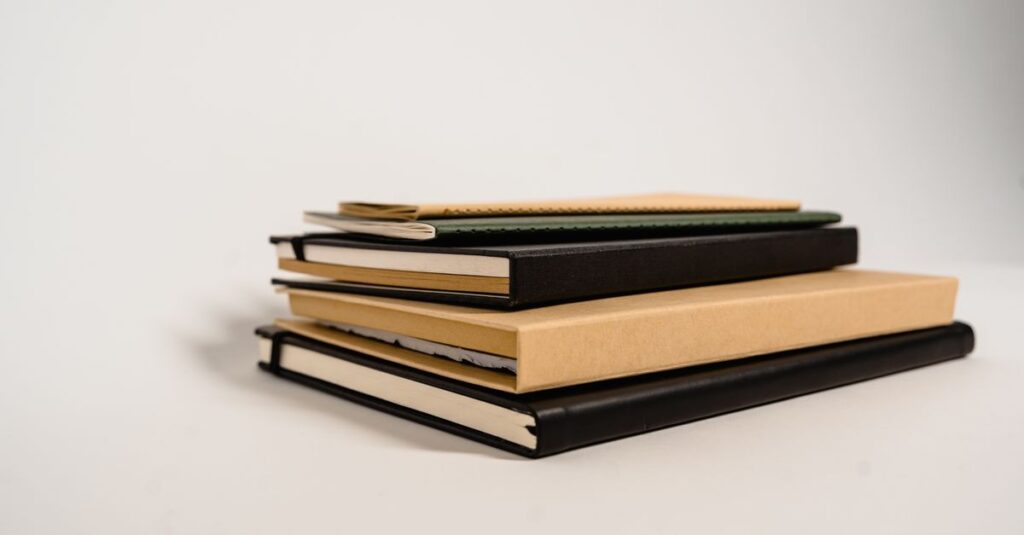
- Binding durability — Stitched binding lasts. Perfect binding looks cleaner but can crack if overstuffed. Spiral binding is great for diaries but lousy for heavy-use notebooks.
- Print registration — If your logo is even 1mm off on 5,000 covers, you notice. And so do your clients.
The Offset vs Digital Debate
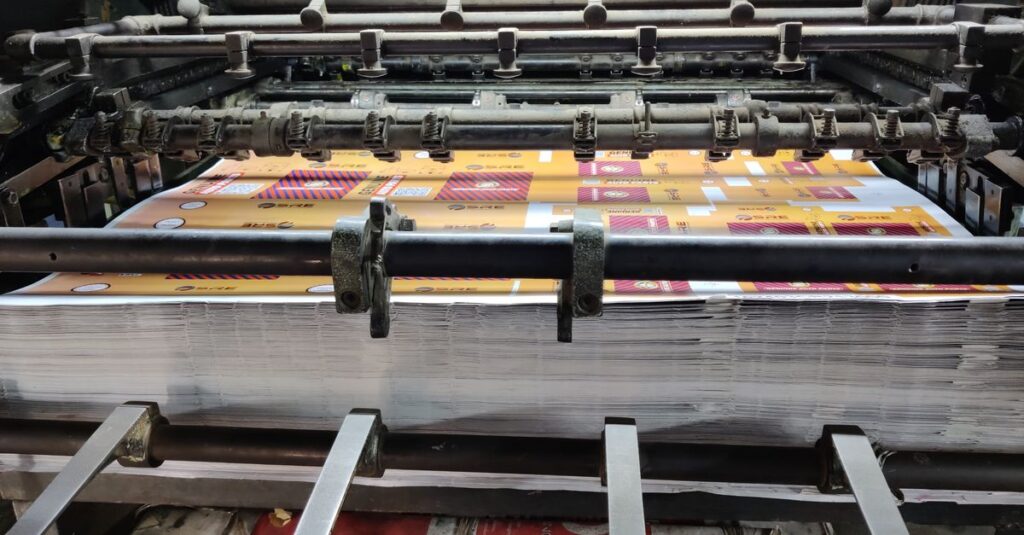
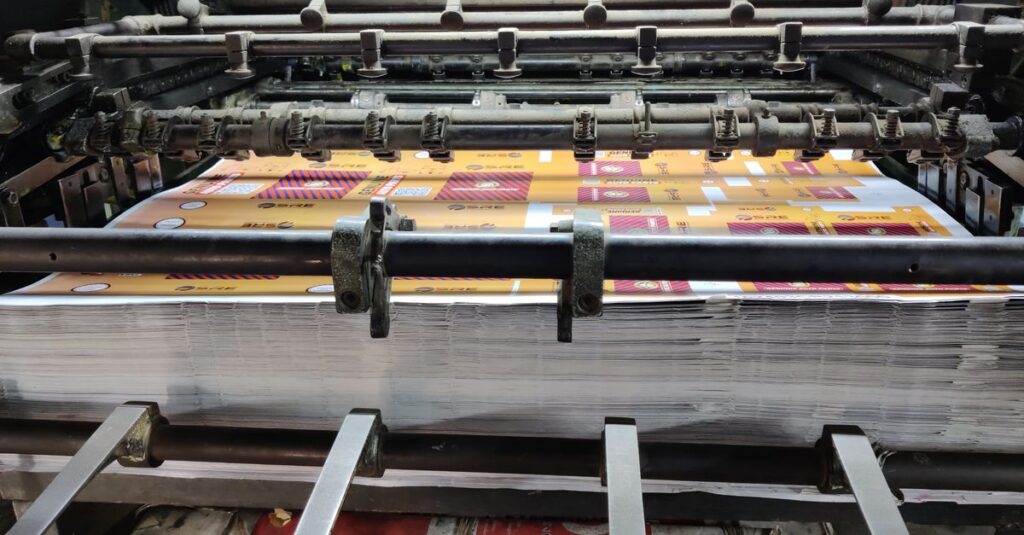
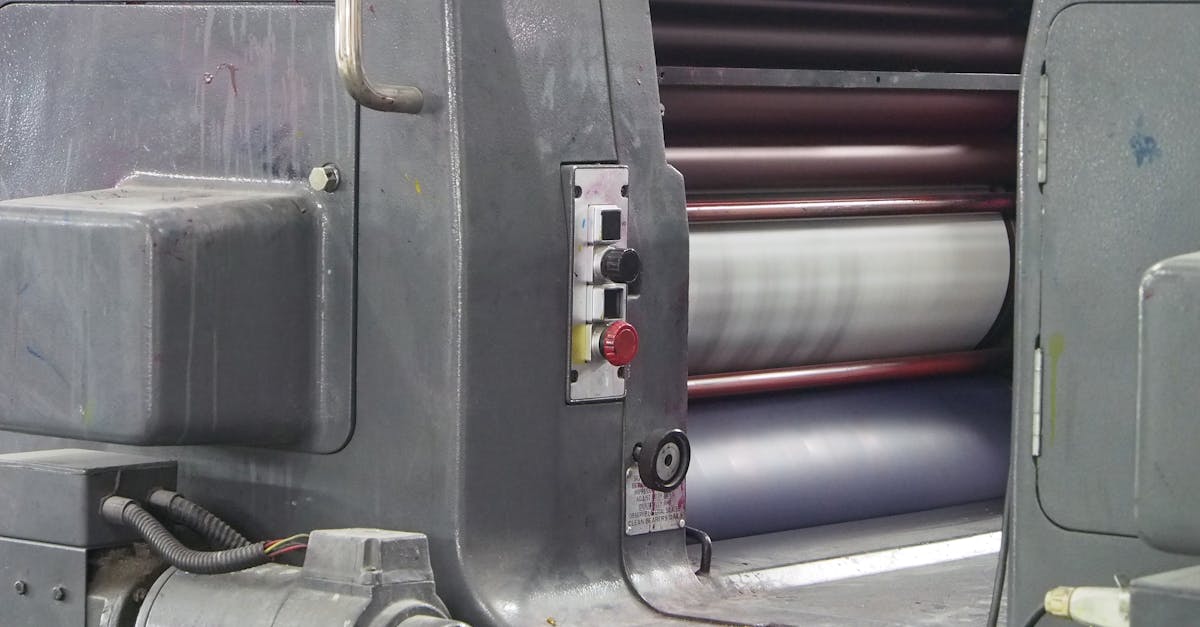
Here’s the short version: offset printing is the workhorse for large quantities. The setup cost is higher, but once the plates are made, each additional unit costs very little. Colors stay consistent across the entire run. I’d never recommend offset for anything under 500 copies — the setup kills the margin.
Digital printing is faster to start, perfect for short runs or variable data (different names on each cover, for instance). But the per-unit cost doesn’t drop much, and color matching can be a headache. Nine times out of ten, for bulk books, you want offset.
Comparison Table: Offset vs Digital for Book Printing
| Factor | Offset Printing | Digital Printing |
|---|---|---|
| Best for quantity | 500+ copies | Under 500 copies |
| Per-unit cost at scale | Low | High |
| Setup time | 1–2 days (plate making) | Minutes |
| Color consistency | Excellent across run | Good but can drift |
| Paper options | Wide range (coated, uncoated, textured) | Limited (mostly coated) |
| Customization per copy | Not cost-effective | Easy (variable data) |
| Binding options | All types available | Often limited to perfect or saddle-stitch |
Which one do you need? It depends. But if you’re ordering 2,000+ copies of a notebook or diary, offset is almost always the answer.
How to Pick a Printer for Books Without Getting Ripped Off
Look, I’ll be direct. Asking a printer “Can you print books?” is like asking a restaurant “Can you cook?” — the answer is always yes, but the result varies wildly.
Here’s what I ask every new supplier before I trust them:
- Ask for a pantone reference. If they don’t know what that is, run.
- Request a dummy copy. Not a digital mockup. A physical sample with the exact paper and binding you want. Pay for it if needed.
- Check their lead time for reprints. If the first batch goes wrong, how fast can they fix it?
I once met a procurement manager — let’s call him Ravi, 42, works for a school chain in Visakhapatnam — who ordered 3,000 notebooks from a printer he found online. The price was too good. The delivery came a week late. The binding started shedding pages within a month. He spent the next three months replacing them out of his own pocket. “Never again,” he told me. And he meant it.
That’s the kind of story I hear too often. And honestly? Most of it could have been avoided with one phone call to check a reference.
Expert Insight — A Memory That Stuck With Me
A few years back I was talking to an old-timer who runs a press in Vijayawada. He told me about a rush job — 2,000 annual reports for a local bank. Everything was fine until they started binding. The paper had been stored in a humid warehouse. It warped. Every single copy had to be re-fed through the creaser. Thirty hours of overtime. The client never knew, but I think about that whenever someone asks me “How long will it take?”
Good printers for books aren’t just good at printing. They’re good at anticipating problems before they happen. That’s the difference between a job that ships on time and one that quietly explodes behind the scenes.
Why Local Matters When You’re Choosing Printers for Books
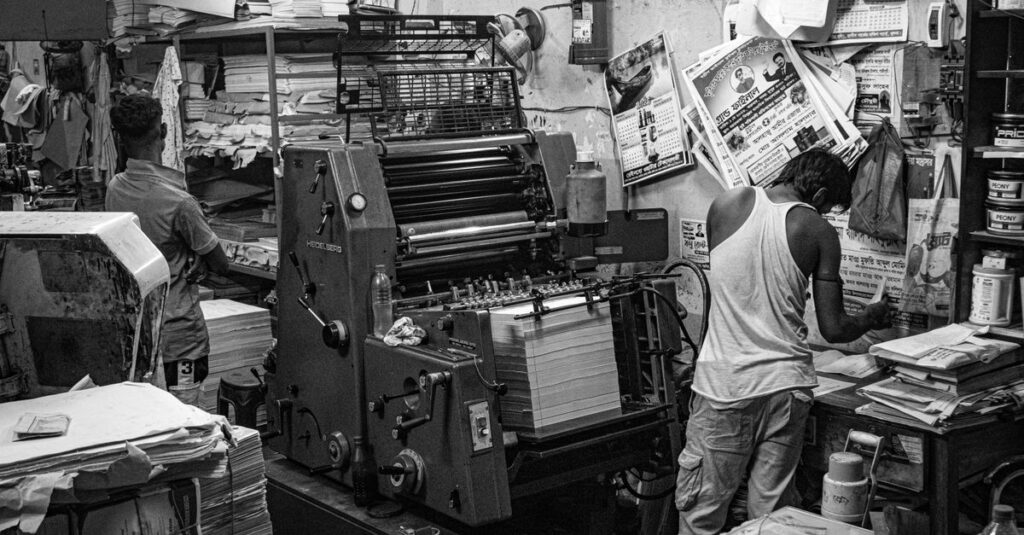
I’m based in Rajahmundry, Andhra Pradesh. It’s not a big city. But there’s a reason schools and distributors from all over India work with us — we’re close to the paper mills, we understand regional paper sizes, and we know what humidity does to binding glue.
When you’re sourcing bulk books, distance can kill your timeline. Shipping from one end of the country adds days. Changing seasons add risk. A printer who’s within a day’s trucking distance of your distributor can fix problems that an out-of-state vendor can’t.
Does that mean you should only look local? No. But if you’re comparing two quotes and the local one is only 10% higher, I’d take it. The flexibility is worth more than the savings.
Frequently Asked Questions
Frequently Asked Questions
What is the difference between offset and digital printers for books?
Offset uses plates and wet ink — better for large runs with consistent color. Digital prints directly from a file — faster setup but higher per-unit cost and limited paper options. For bulk book orders, offset is usually the smarter choice.
How do I know if a book printer uses quality paper?
Ask for the GSM (grams per square meter). For notebooks, 54 GSM is standard. Thinner paper may cause bleed-through. Heavier paper adds cost. Also ask about the paper’s opacity — hold a sample up to light. If you can see through it, it’s too thin.
What binding is best for a 200-page notebook?
Stitched binding (also called section sewing) is the most durable for notebooks used daily. Perfect binding works for books that will stay on a shelf. Spiral binding is fine for diaries but doesn’t last if the book is stuffed in a bag.
Do printers for books offer custom cover design?
Some do, some don’t. Many printers focus only on production and won’t design covers. If you need logo printing, embossing, or foil stamping, ask upfront. At Sri Rama Notebooks, we handle custom cover design and branding in-house.
How long does a bulk book printing order take?
Typical lead time for 5,000 notebooks is 10–14 working days after approval of proofs. Rush orders can be done in 5 days, but expect a surcharge. Always add buffer time — paper availability and binding can throw off schedules.
Conclusion
Printers for books aren’t interchangeable. The difference between a good one and a bad one shows up in the details — paper that doesn’t bleed, binding that doesn’t crack, delivery that actually matches the promise.
I don’t think there’s a perfect formula for choosing one. Probably there isn’t. But if you’ve read this far, you already know that cheap price tags usually hide expensive problems.
If you’re looking for a printer who’s been doing this since 1985, we’re here. No pressure. Just Sri Rama Notebooks.