So, What the Heck is OM Printing?
Look, if you’re ordering notebooks in bulk — for your school, your corporation, or even as a distributor — you’ve probably seen this term thrown around. OM. You might think it’s some complicated industry jargon, but here’s the thing. It’s not. Most people I’ve spoken to just nod along, not wanting to admit they don’t know, and then end up paying for something they didn’t fully understand. That’s a headache, honestly.
OM printing, in the simplest terms, is the standard cover printing method for an entire industry. The “OM” refers to a specific, standard cover size for notebooks, and “OM printing” is the process of designing and printing covers for that entire product line. It’s about having one print run that services multiple different notebook variants under that same cover size. It’s not fancy. It’s fundamental. If you’re buying thousands of units, you need to know this stuff. It’s the difference between an efficient, cost-effective order and a logistical mess. If that sounds like a familiar challenge, our main product page might be worth a look.
How It Actually Works in the Factory
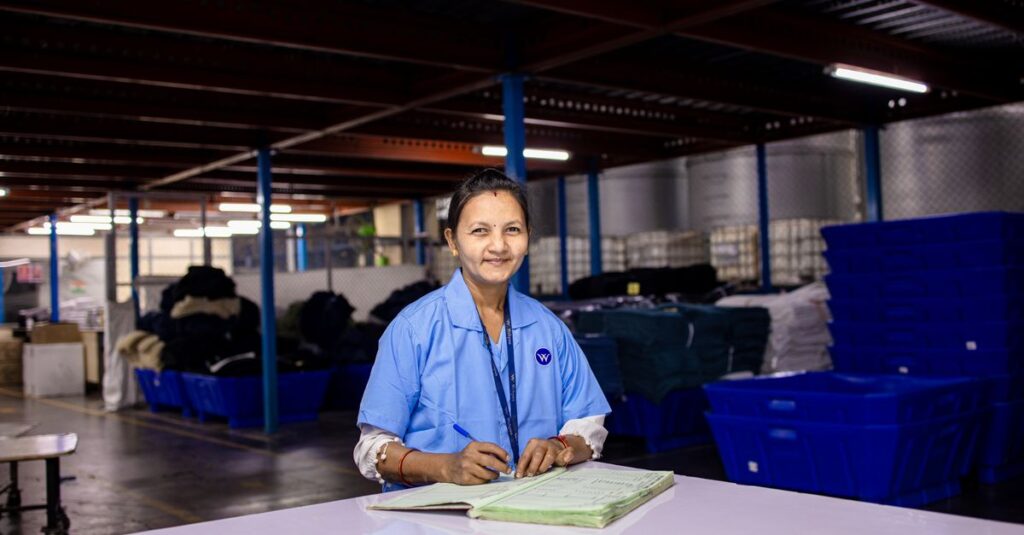
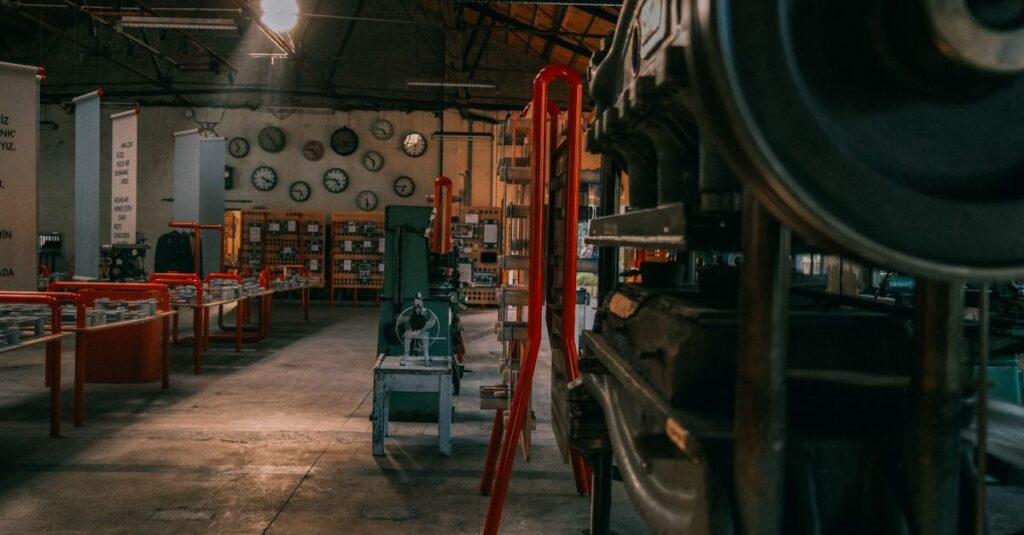
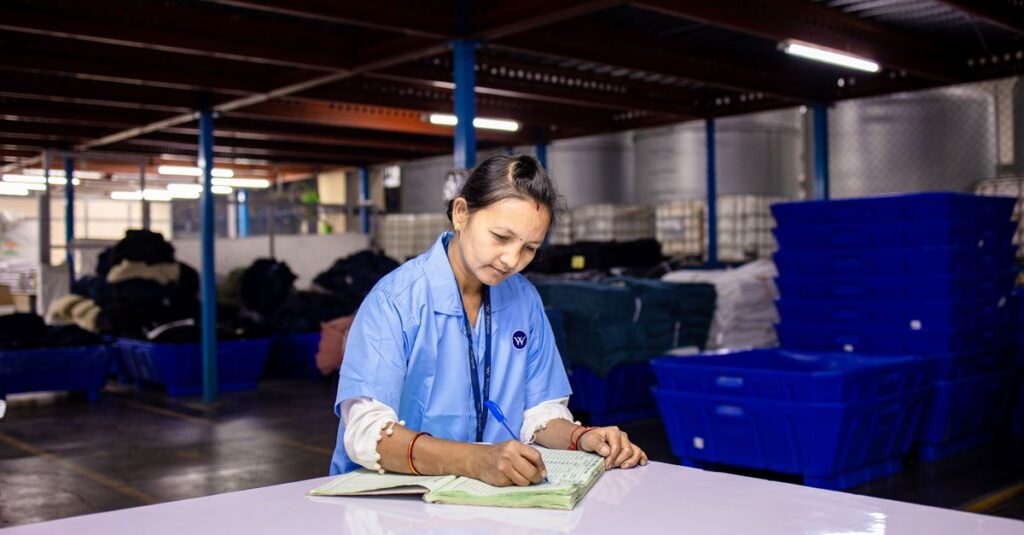
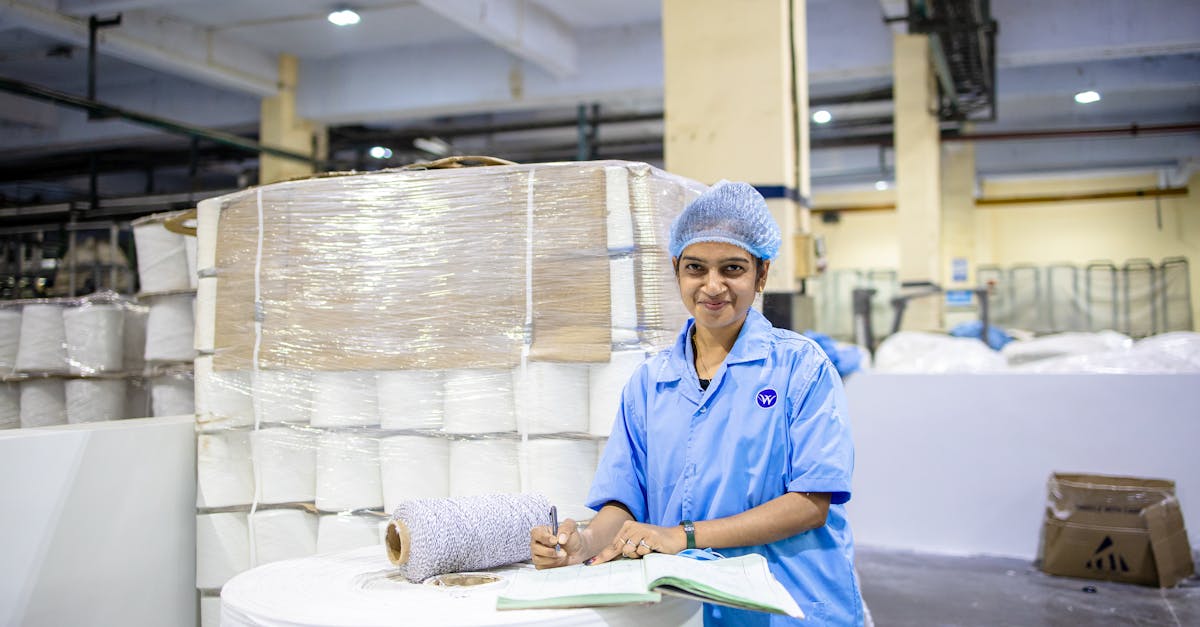
Okay, let me walk you through what this looks like on our factory floor in Rajahmundry. I’m not just talking theory here — I’ve been watching this process since I was a kid.
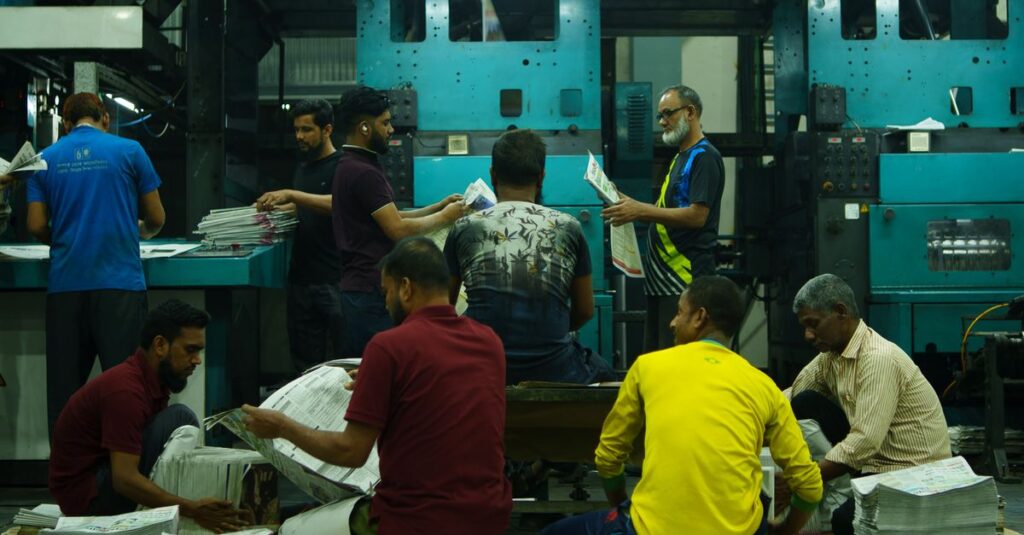
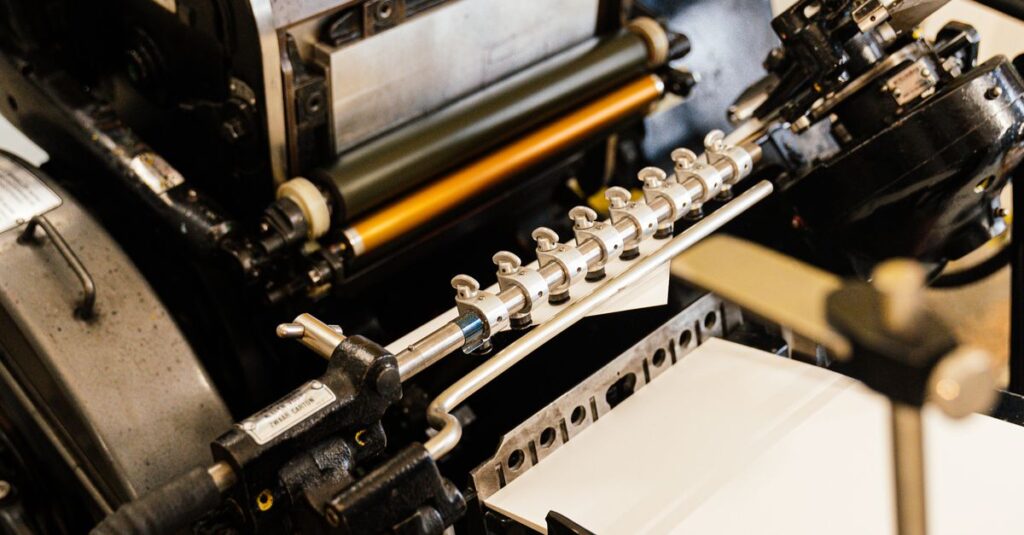
First, you have the OM cover sheet. This is a large, standard-format sheet of art paper or card stock. The design is laid out on this big sheet in what’s called a “print run layout”. This is the clever bit. A single large sheet will contain the artwork for maybe 10, 12, or 16 individual notebook covers, all arranged to minimize paper waste. They’re all the same design, printed in one go. The machines roll through — it’s loud, it smells like ink and paper — and out comes this huge stack of printed sheets. Each one is a grid of identical covers.
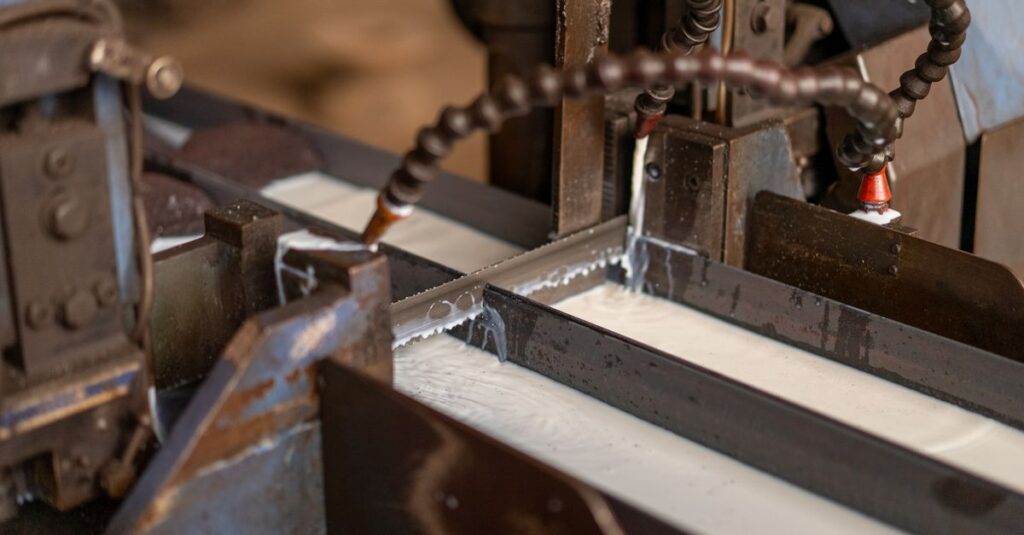
Then, the cutting begins. A giant guillotine or a die-cutting machine slices the big sheet up into individual notebook covers. Done. Now you have a pile of hundreds, thousands, of identical covers ready to be bound. The entire process hinges on repetition and scale. Every cover in that pile is exactly the same, which is the whole point. Later, these identical covers get bound to different types of ruling inside — single-ruled, double-ruled, unruled, you name it. That’s how one print run creates a whole family of products.
I was talking to a procurement manager from a Hyderabad college last month — over the phone, actually — and he finally admitted he thought OM was a special coating. It’s not. It’s the blueprint.
Notebook Covers & The Cost of Being Unique
Here’s the part nobody says out loud. The biggest benefit of OM printing isn’t quality. It’s economics. This is why bulk suppliers and schools love it. You’re printing one design, on one size of paper, in one massive batch. The setup cost for the printing press gets spread so thin across thousands of covers that the per-unit cost plummets. It’s brutally efficient.
The alternative? Custom printing for every single SKU. Imagine you need 500 Single-Ruled, 500 Double-Ruled, and 500 Unruled notebooks. With fully custom printing, that’s three separate print runs, three separate setups, three separate piles of waste paper from alignment and testing. The cost triples. Maybe more. With OM printing, you print 1500 of the same cover and just bind them to different insides. The price stays sane.
That’s the real magic. It allows institutions to have uniform, branded stationery across departments or grade levels without paying a premium for the privilege. The cover says “Unity School” or “XYZ Corporation,” and everyone gets the same professional look, whether they’re in accounts or the science lab. It builds brand identity for schools and companies in the most practical way possible.
It also makes inventory and ordering brain-dead simple for a distributor. You stock one cover. You apply it to multiple products. Your warehouse isn’t a chaotic rainbow of slightly different covers. It’s organized. Predictable.
| Aspect | OM Printing (Standard Cover) | Fully Custom Printing (Per SKU) |
|---|---|---|
| Primary Goal | Cost efficiency & uniformity across product lines | Unique design for every single product variant |
| Setup Cost | One-time cost for the entire order | Multiple setups (one for each unique cover) |
| Best For | Bulk orders, schools, corporations, distributors | Boutique products, limited editions, high-end gifts |
| Lead Time | Faster (one print process) | Slower (multiple sequential processes) |
| Flexibility | Low (one design, many interiors) | High (each product is completely unique) |
| Unit Cost (Bulk) | Significantly lower | Significantly higher |
The Other Guys: When OM Isn’t the Answer
Earlier I made OM printing sound like the only sane choice. That’s not quite fair — it’s more that it’s the right choice for 90% of bulk, functional stationery. But there are times you need to step outside the OM box. If your project is about prestige, or art, or a very specific gift, the standard process can feel… standard. Which is the last thing you want.
Think premium corporate diaries for C-suite clients. Or a special anniversary edition notebook for a luxury brand. Here, you might want foil stamping on the cover. Embossing. A unique texture of paper that the OM sheets don’t come in. You might want the cover to be A5 when the interior is A4, or use a cloth binding instead of standard card. This is where fully custom, per-SKU printing and manufacturing comes in. Every element is a choice. And you pay for every single one of those choices.
The job changes. The conversation stops being about “how many units at what price” and starts being about samples, material swatches, and pantone colours. It’s a different world. We do that too, but it’s a different part of the factory, a different pace of work. For most institutional buyers — the schools, the government offices, the big corporates buying employee diaries — that world is overkill. They need reliable, good-looking, and affordable. That’s the OM zone.
Expert Insight
I was reading an old industry journal last month and one line stuck with me. A veteran production manager wrote something like — the most innovative thing a manufacturer can sometimes do is to perfectly standardize the boring stuff. Because that reliability frees up the budget and mental space for the client to be creative where it actually matters: in the content, in the teaching, in the work. I don’t have a cleaner way to put it than that. OM printing is that perfect standardization. It’s the boring genius that makes everything else possible.
What to Look For When You’re Ordering
Right. So you’re convinced OM printing is the way to go for your bulk notebook order. Here’s what you need to ask your supplier. Don’t just take the quote. Dig a little. It saves so much trouble later.
- Clarity on ‘OM Size’: Ask them to confirm the exact finished cover dimensions. “OM” is a standard, but tiny variations exist. Make sure it matches your expectation and, more importantly, your existing branding or storage.
- Paper GSM for the Cover: This is crucial. A flimsy cover screams cheap. For standard school notebooks, 250-300 GSM art card is typical and durable. For corporate diaries or premium notebooks, you might go 350 GSM or higher. Ask. Feel a sample.
- Print Proof Before the Run: Any decent manufacturer will send you a digital or physical proof. Check every detail. The logo. The font. The colour. This is your one chance to catch a typo before it’s multiplied by ten thousand.
- Binding Options for the OM Cover: How will this cover be attached? Standard center-stitching? Spiral binding? Perfect binding? Ensure the cover stock is suited to the binding method. Thick board doesn’t work for spiral, for example.
- Lead Time Realism: OM printing is fast, but be wary of the supplier who promises the moon. Ask for their current production schedule. A good partner will be honest about capacity. We usually say 15-20 working days for a large bulk order, start to finish.
And honestly? Most people don’t ask half of these questions. They focus only on the per-notebook price. But the unit price is just one part of the total value — and the total headache. The right notebook manufacturer will walk you through this stuff without you having to ask. That’s the real test.
A Real-Life Example (Because Theory is Dry)
Let me tell you about Anjali. She’s 34, a procurement officer for a chain of private schools in Vijayawada. Her job is to order supplies for 12 campuses. Last year, each principal wanted slightly different notebooks. One wanted a blue border, one a green. The cover had to say the specific campus name. It was a nightmare of small, expensive print runs.
This year, we sat down. We designed one clean, professional OM cover for “Sunrise Group of Schools.” The cover had the group logo and a smart, neutral design. The only variable was a small, printed line on the first inside page that said “Issued to:” and had a space for the student’s name and class. That was it.
She ordered 50,000 notebooks in one go. Single print run. They were then bound into different rulings and page counts based on each grade’s requirement. The cost per notebook dropped by nearly 20%. The principals were happy because everything looked cohesive and high-quality. Anjali’s job got simpler. The delivery was on one truck, on one day.
She told me later the biggest win wasn’t the money saved. It was the time and stress she got back. She didn’t have to manage 12 separate orders, 12 separate complaints, 12 separate deliveries. That’s the power of the standard OM process.
Frequently Asked Questions
What does “OM” stand for in printing?
In the notebook industry, “OM” refers to a standard outer cover measurement or format. It’s not an acronym for specific words like “Offset Machine” or anything technical — it’s simply the industry shorthand for the standard size of a full notebook cover. OM printing means printing covers to that universal specification, allowing for mass, cost-effective production.
Is OM printing lower quality than custom printing?
Not at all. It’s a different application. OM printing is about standardizing the cover size for efficiency. The print quality itself — colour vibrancy, sharpness, ink durability — can be just as high as any custom job. The potential limitation is in customization, not quality. You’re choosing one fantastic design for a huge batch, rather than many different designs.
Can I get my logo printed with OM printing?
Absolutely. That’s one of the most common uses! OM printing is perfect for branding. You provide your logo and design, and we print it on thousands of standard covers. It’s how schools, universities, and corporations create their signature stationery at a bulk price. The process is ideal for logo-based branding across a range of internal products.
How does OM printing reduce costs?
It comes down to volume and simplicity. One print setup, one plate, one paper size, one massive print run. This eliminates the repeated setup costs and material waste that happen when you print each product variant separately. The efficiency savings are huge, and they get passed directly to you on the unit price, especially for orders in the thousands.
What’s the minimum order quantity for OM printing?
This varies by manufacturer, but the economics only make sense for bulk. At our facility, we typically recommend a minimum of 2,000 to 5,000 notebooks for an OM print run to be worthwhile. For smaller, boutique quantities, a fully custom digital print job might be more suitable, even if the per-unit cost is higher. It’s always best to discuss your specific needs to get the right advice.
Wrapping This Up
So here’s the takeaway. OM printing is the industrial-grade workhorse of the notebook world. It’s not glamorous, but it is indispensable. It’s the reason schools can afford to give every student a decent notebook. It’s the reason your company can have branded diaries for every employee without blowing the annual stationery budget.
Understanding it means you stop being a passive buyer and start being an informed partner in the manufacturing process. You know what you’re paying for, and more importantly, you know what you’re *not* paying for. You can spot when a supplier is trying to upsell you on unnecessary custom work, or when they’re cutting corners on paper quality.
I don’t think there’s one perfect way to source anything. Probably there isn’t. But if you’ve read this far, you’re not just looking for a box of notebooks — you’re looking for a sensible, scalable solution for your institution or business. You’re figuring out how to get quality without the nonsense.
And maybe that’s the point. Getting the boring stuff right leaves room for everything else to be remarkable. If you’re planning a bulk order and want to talk specifics — paper, ruling, binding, the whole process — we should talk. Reach out here.