Right. Let’s talk about the thing that literally covers your notebooks.
If you're ordering in bulk — thousands of notebooks, custom diaries for your company, branded stationery for schools — you've probably heard the term offset printing tossed around by manufacturers. And maybe you nodded along, thinking it’s just industry jargon for "good printing." It is good printing, but it's also way more specific than that.
Here's the gut-check moment: you're about to spend serious money on a product that represents your school, your brand, your company. The last thing you want is a notebook cover that looks cheap, with blurry logos or colors that fade after a month. That’s where understanding the offset process isn’t just technical — it's about protecting your investment and your reputation. If that sounds familiar, then understanding how we print things here might be worth a look before you place that next big order.
What is Offset Printing, Actually?
Think of it this way. You know how a rubber stamp works? You ink the stamp, then press it onto paper. Digital printing is kind of like that — a direct transfer. Offset printing is the clever, slightly roundabout cousin. Instead of stamping directly, it first transfers the inked image onto a rubber blanket cylinder, and THEN that blanket rolls the image onto the paper.
Why the extra step? Because it works. Beautifully. That rubber blanket conforms to the texture of the paper, giving you a sharp, consistent image even on slightly rough notebook paper. It’s the reason a textbook cover or a corporate diary feels professionally done. The colors are dense. The text is crisp. It doesn’t rub off on your fingers.
I was talking to a procurement manager for a chain of schools last week — over the phone, waiting for a flight, actually — and he said something that stuck. He said, "I don't need to know how the engine works. I just need to know the bus is reliable and gets all the kids to school on time." Offset is the reliable bus. For bulk.
The Real Nitty-Gritty: How the Offset Process Works
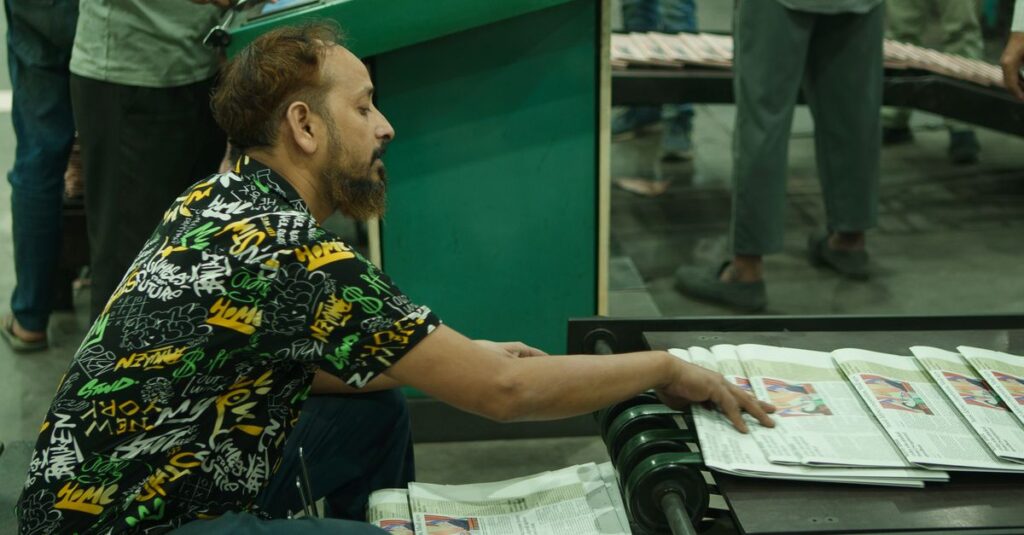
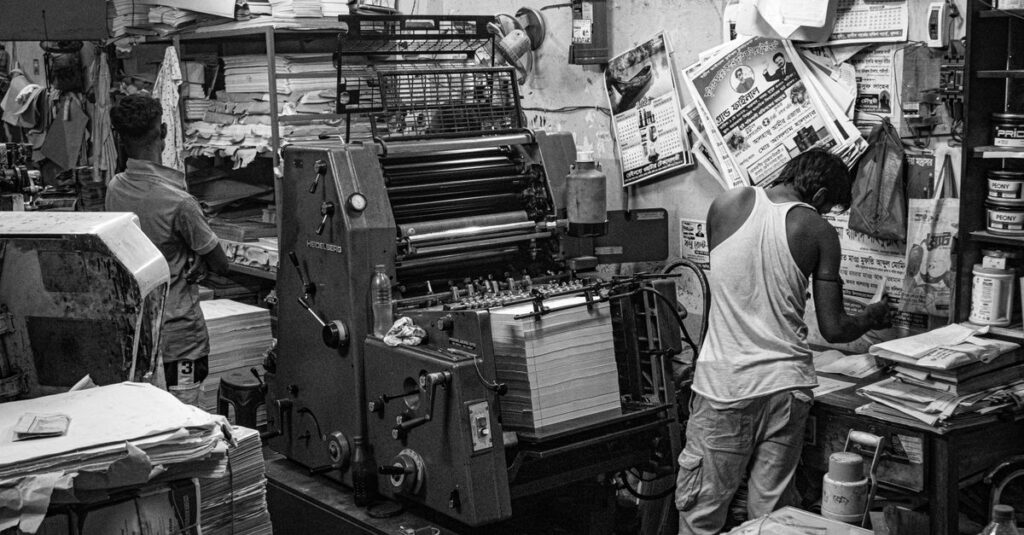
Okay, let's walk through it. Not like a textbook, but like you're standing in our factory in Rajahmundry, watching it happen. Because that's where I see it every day.
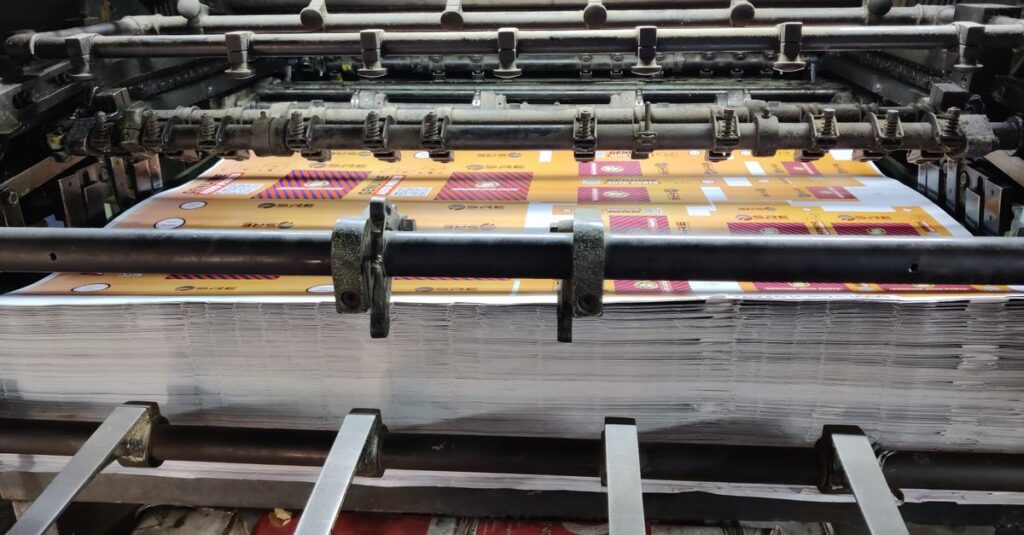
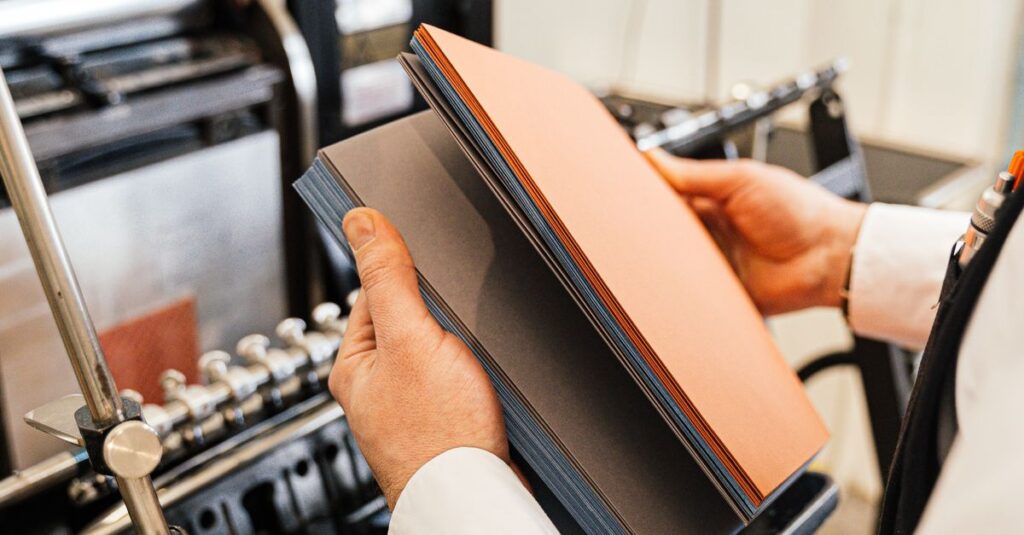
The process starts long before the machine runs. Your design — a school emblem, a corporate logo, a complex pattern — is separated into the four basic ink colors: Cyan, Magenta, Yellow, and Black (CMYK). Each color gets its own printing plate, which is usually a thin sheet of aluminum. These plates are where your design is etched, one color layer at a time.
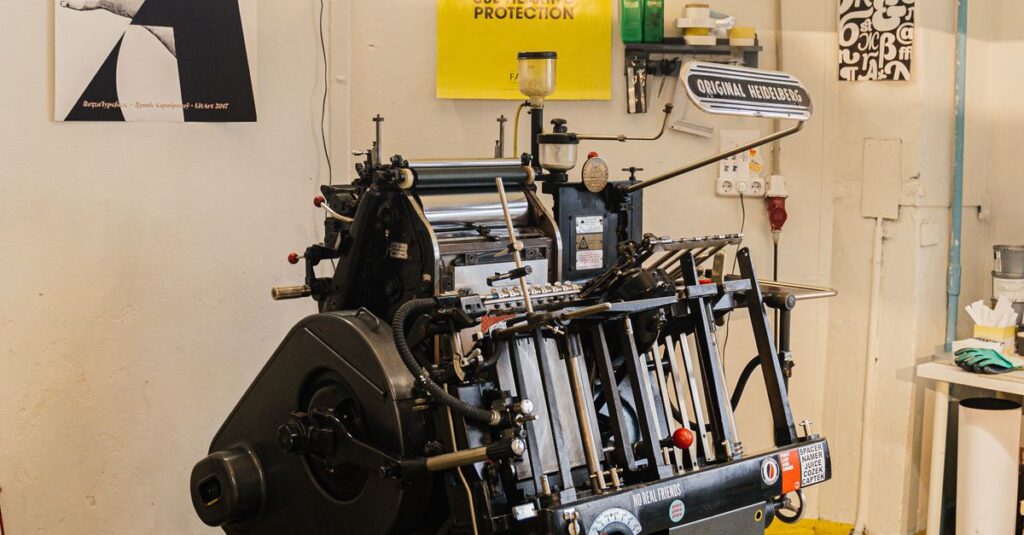
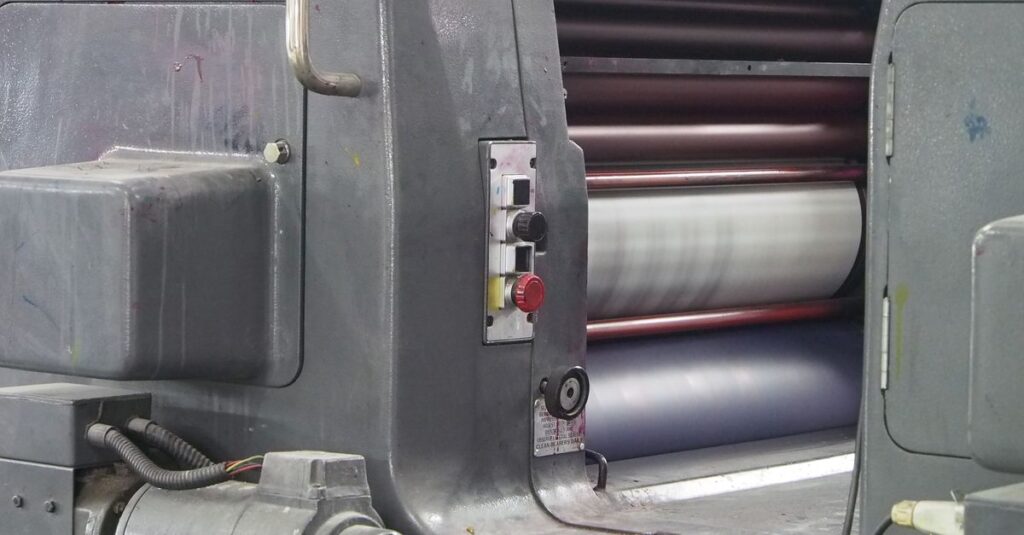
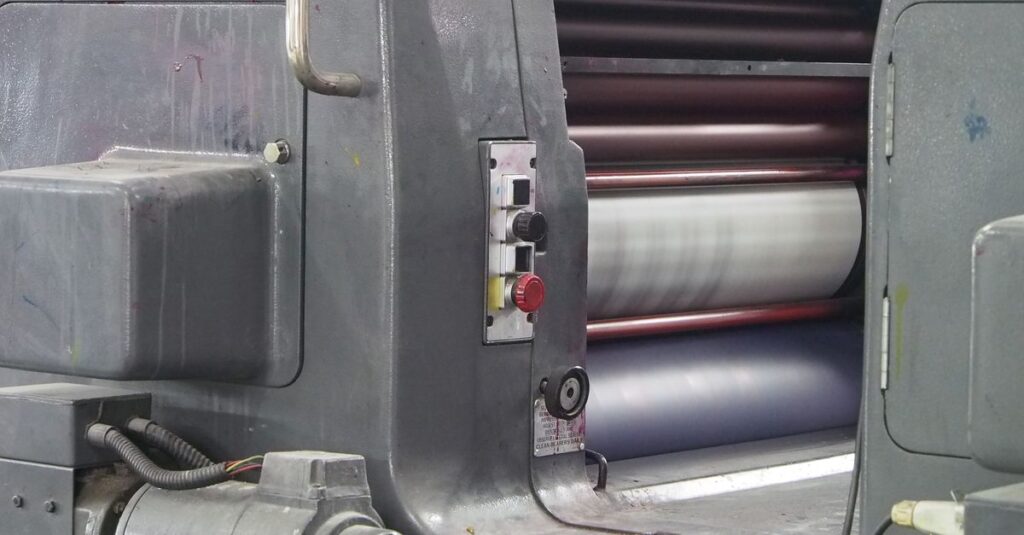
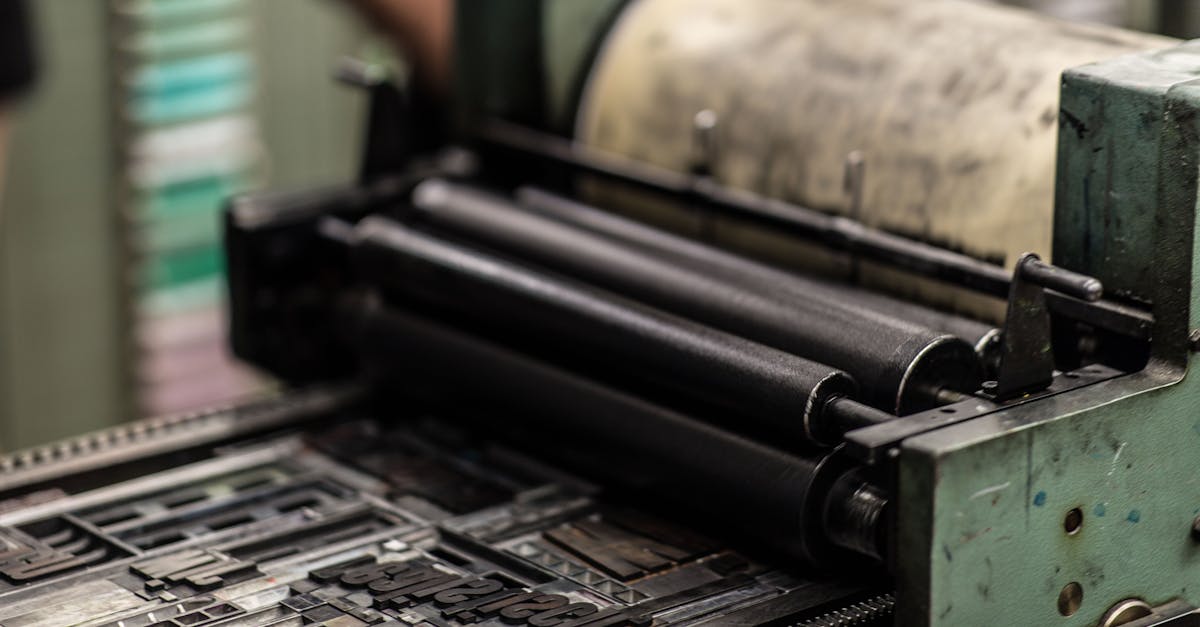
- Step 1: The Plate Cylinder. Each plate is wrapped around its own cylinder on the press. It gets inked. But here’s the trick: the etched parts of the plate attract ink; the blank parts don't. They attract water instead. It’s a chemistry thing.
- Step 2: The Blanket Cylinder. This is the middleman. The inked image from the plate transfers (or "offsets") onto this rubber-coated cylinder. You now have a mirrored, inked image on rubber.
- Step 3: The Paper. The paper — your notebook cover paper, rolling through the press — comes into contact with the blanket cylinder. The rubber presses the inked image onto it. This happens for each of the four colors in rapid succession, layering them perfectly to create the full-color image you designed.
The consistency this method creates is hard to beat. Once the plates are made and the press is calibrated, you can run 10,000 sheets and the 10,000th will look identical to the first. That’s the magic for bulk orders. It’s not fast for a dozen copies. But for a truckload? It’s the only way to go.
A Real-Life Tangent
We had an order from a university in Vijayawada last year. Five different notebook designs for five departments. The client was worried the engineering department's complex schematic logo wouldn’t come out clean on the dark blue cover. We showed him a sample from the offset press. The fine lines were perfect. No bleeding. He just nodded and said, "Okay. Print them." No drama. That's what you want.
Offset vs. Digital: It’s Not Just About Quality, It’s About Math
This is the comparison most buyers need. It’s not that one is "better." It’s about which one is right for your specific order. Let me break it down without the fluff.
| Factor | Offset Printing Process | Digital Printing |
|---|---|---|
| Best For Quantity | Large volumes (1,000+ copies). Cost per unit drops sharply. | Short runs (50-500 copies). Fixed cost per unit. |
| Setup Cost & Time | Higher upfront. Needs plates and press calibration. | Almost none. Send a file and print. |
| Print Quality | Superior. Richer colors, sharper detail, works on any paper. | Very good, but can struggle with solid color coverage on some stocks. |
| Customization Per Unit | No. Every copy in a run is identical. | Yes. Can change details (like names) on each copy. |
| Turnaround for Bulk | Faster once running. Slower initial setup. | Slower for bulk. Faster for tiny jobs. |
| Material Flexibility | High. Great on coated, uncoated, even thicker cover stock. | Limited. Best on standard, smooth papers. |
So, if you're a stationery distributor ordering 50,000 Long Notebooks for the back-to-school season, offset is your only sane choice. The plate cost gets absorbed over thousands of books, making each one cheaper. If you're a startup wanting 100 custom branded notebooks for a conference, digital is perfect. The question isn't which is better technology. It's which is better economics for your exact situation.
Why Your Bulk Notebook Order Needs Offset
Look, I'll be direct. You're not buying notebooks. You're buying consistency, durability, and perceived value. Offset delivers that in a way buyers can literally feel.
- The Color Stays Put: The ink in offset doesn't just sit on top of the paper. It's pressed in. It resists smudging when a student shoves a notebook into a bag or when a sales rep handles a diary all year.
- Brand Integrity: Your logo color is Pantone 285 Blue. It needs to be Pantone 285 Blue on every single notebook, in every batch, reordered next year. Offset color matching is precise and repeatable.
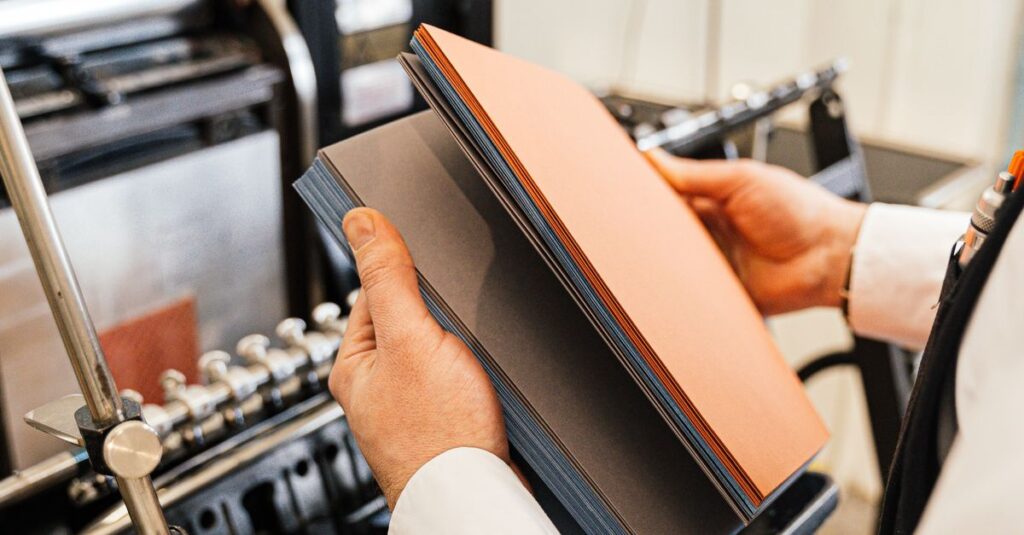
- Paper is a Variable: Notebook paper isn't always pristine, photo-quality stock. Sometimes it has a bit of tooth, a texture. The rubber blanket in offset adapts, giving a clean print anyway. Digital can sometimes highlight paper imperfections.
And here's the thing procurement managers whisper about: cost per unit over the life of the project. That initial quote for digital might look lower for a test run of 500. But scale it to 10,000, and the offset price will make your finance person much happier. It's built for scale. Period.
Expert Insight
I was reading an old industry journal last month — mostly out of nostalgia — and one line from a press operator with 40 years in the business hit me. He said, "Offset isn't a process you watch. It's a process you listen to." He meant that when a giant web offset press is running perfectly, it has a specific, rhythmic hum. Any change in that sound means something's off with the ink, the paper feed, the registration. The best quality control isn't just checking sheets at the end; it's in that constant, subconscious listening. It’s a craft that becomes instinct. I don't have a cleaner way to put it than that.
Common Questions (And Some Honest Answers)
Frequently Asked Questions
Is offset printing more expensive than digital?
It depends entirely on quantity. For small batches, yes, digital is cheaper due to near-zero setup. For bulk notebook orders — think thousands — offset becomes significantly cheaper per unit. The high initial cost (plates, setup) gets spread thin, making each notebook less expensive.
How long does the offset process take from order to delivery?
Longer setup, faster production. For a new design, factor in plate creation and press calibration (1-2 days). But once running, we can produce tens of thousands of notebook covers per day. For a standard bulk order, 2-3 weeks total turnaround is typical, including binding and finishing.
Can you match specific brand colors with offset?
This is where offset shines. Absolutely. We use the Pantone Matching System (PMS). Give us your Pantone number, and we can mix the ink to that exact formula, ensuring your corporate or school colors are perfect and consistent across every single notebook and every future reorder.
What are the limitations of offset printing?
Two main ones. First, it's not economical for tiny quantities. Second, you can't personalize individual items within a run. Every notebook in that batch will be identical. If you need 5,000 notebooks with 5,000 different student names, you'd need a hybrid approach.
Is offset printing durable for school notebooks?
Extremely. The ink is pressed into the paper fibers, not just laid on top. It can withstand the rough-and-tumble of a school bag, repeated friction, even some moisture better than most other printing methods. It’s the standard for a reason.
The Takeaway: It’s About Trust, Not Just Technology
At the end of the day — and I mean this — you're not just buying a printing service. You're buying peace of mind. You're handing over your brand's image, your school's identity, or your company's professionalism to be reproduced thousands of times. The offset process, with its old-school mechanics and proven reliability, is one of the most trustworthy ways to do that at scale.
It has weight. It has consistency. It feels substantial. In a world of quick digital prints, that still matters. Maybe more than ever.
I don't think there's one perfect solution for everyone. But if you've read this far, you're probably dealing with a big order where quality can't be an afterthought. You already know what you need — you're just figuring out who gets it right. If you want to see how this process translates to real notebooks for real schools and businesses, the work we've done for others might give you a clearer picture.