This Is How Your Notebooks Get Made
If you're ordering 5,000 notebooks for a school or a corporate gift campaign, the first thing you think about is the logo on the cover. It needs to look sharp. Crisp. Professional. Nobody wants a fuzzy, faded-looking logo on their branded notebooks.
So you ask around, or you search online, and you keep hearing this phrase: offset printing services. It sounds technical. It sounds old-school. And honestly, it sounds expensive. Right?
But here's the thing — for bulk orders, it's almost always the right choice. Digital printing gets a lot of hype. It's fast, it's flexible. But when you need ten thousand identical notebooks, with perfect color consistency from the first to the last one, you're talking about offset.
I've been doing this since 1985. I've seen printing technologies come and go. Offset printing is the one that stuck, for very good reasons. If you're a procurement manager or a distributor looking to understand why, this might be worth a look.
What Offset Printing Actually Is (No Textbook Explanation)
Okay, let's cut through the jargon. Offset printing isn't printing directly onto paper. That's the first misconception. It's a transfer process.
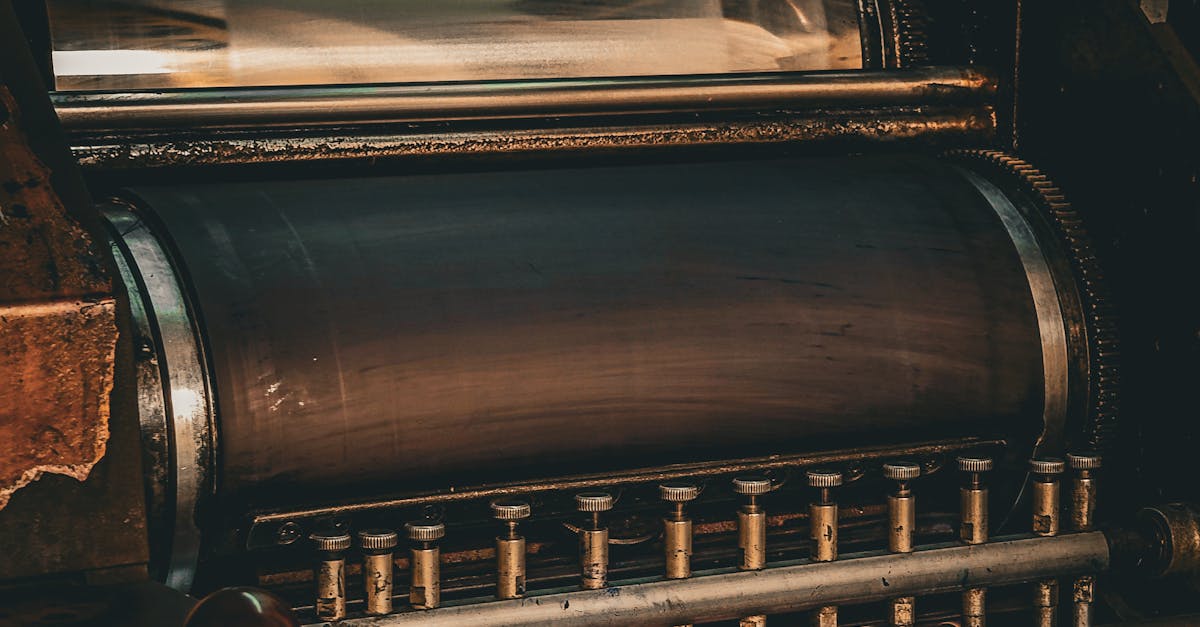
The design gets etched onto a metal plate — think of it like a permanent template. Ink gets applied to that plate. The ink is then transferred — 'offset' — onto a rubber roller. And finally, that roller presses the ink onto the paper.
The name makes sense now. The ink is offset from the plate to a blanket, then to the paper.
Why this convoluted route? Because the rubber blanket conforms to the paper texture. It gives you a smooth, even print on any surface, even grainy notebook cover stock. A metal plate pressing directly onto paper would be… less forgiving.
The result? A print that's consistent. Vibrant. And incredibly durable. This is the process behind most of the mass-produced books, magazines, and yes, bulk notebooks you see.
The Real-World Advantages Nobody Talks About
People love to talk about digital printing's speed for small jobs. That's true. But for bulk? Offset has advantages that aren't just about quality.
- Cost per unit drops dramatically with volume. Setting up the plates takes time and money. But once they're made, running ten thousand sheets costs barely more than running one thousand. The economy of scale is brutal — and in your favor.
- Color matching is absolute. You approve a Pantone color for your corporate blue? That blue will be the same on every single notebook, from the first batch to the last re-order you place two years later. Digital printers can drift.
- It handles weird paper like a champ. Notebook covers aren't always smooth, premium cardstock. Sometimes it's a textured material. Offset doesn't care. The rubber blanket adapts.
But the biggest one, in my experience? Long-run reliability. When you're supplying notebooks to 200 schools across a state, you can't afford a machine glitch ruining 500 covers. Offset presses are built for marathon runs.
I was talking to a procurement officer from a government institution last month — over a surprisingly good cup of tea in our office — and he said something that stuck. "We don't need the latest tech. We need the one that won't fail us on a deadline of 50,000 units." He was right.
A Quick, Real Story
Ramesh, 48, runs a stationery distribution business in Hyderabad. He got a tender to supply 25,000 custom notebooks to a university. The cover had a detailed, two-color university crest. His first supplier tried digital. The gold color looked muddy on the brown cover stock. The client complained. He switched to a manufacturer using offset — us, actually — and the reprint was flawless. He didn't lose the contract. He just showed me the two notebooks side-by-side last week. The difference was obvious.
You don't get that story from a spec sheet.
Offset vs Digital: The Actual Choice for Bulk Orders
Look, I'll be direct. Digital printing is fantastic. For short runs, quick prototypes, or variable data (like printing different names on diaries), it's unbeatable. But comparing it to offset for bulk notebook manufacturing is like comparing a scooter to a freight truck. They're for different jobs.
| Factor | Offset Printing | Digital Printing |
|---|---|---|
| Best For | High-volume, identical runs (5,000+ units) | Low-volume, variable, or urgent runs (under 500) |
| Cost Efficiency | Very high for large quantities | High for small quantities |
| Color Consistency | Perfect across entire run | Can vary slightly between batches |
| Material Flexibility | Excellent on textured, thick cover stock | Best on smooth, pre-treated papers |
| Setup Time / Cost | Higher initial setup (plate making) | Almost no setup, ready to go |
| Turnaround Time | Longer for setup, faster once running | Immediate start, but slower per unit for bulk |
| Durability of Print | Highly durable, resistant to wear | Can be less durable on certain materials |
The table makes it clear. If your order size is in the thousands, the math shifts heavily towards offset. The initial setup cost gets swallowed by the volume.
Expert Insight
I was reading an industry report last year — can't remember the exact source — and one line caught me. It said something like, "In commodity printing (books, notebooks, magazines), offset lithography remains the dominant technology not because it's new, but because it's predictable." Predictable. That's the word. In bulk manufacturing, predictability isn't a nice feature. It's the whole game. You predict your cost, your quality, your timeline. And you deliver.
That's why, after 40 years, we still have offset presses running daily alongside digital ones. Each has its place.
How This Actually Works in a Notebook Factory
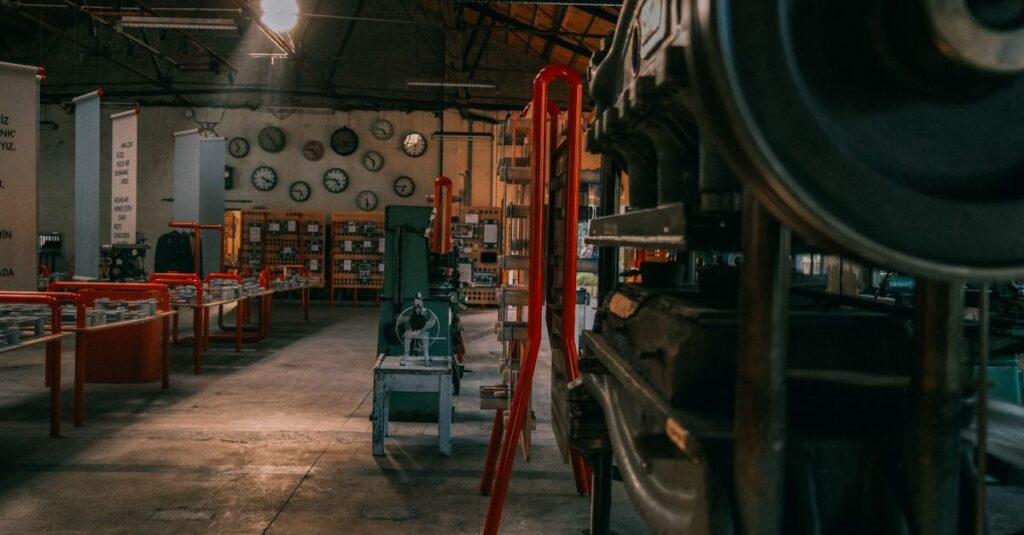
So how does this look on our floor in Rajahmundry? Let's walk through it.
You send us your logo or cover design. We create the metal plates. One plate for each color. If your logo is blue and black, that's two plates. This is the 'make-ready' phase. It takes time.
Then we load the paper — the notebook cover sheets. The press starts. The plates get inked. The ink offsets to the rubber blankets. The blankets press onto the sheets. It's a rhythmic, mechanical process. Once it's running, it's like a heartbeat. Sheet after sheet, identical.
Those printed covers then go to the binding line, where they get married to the inner pages — stitched, or spiral-bound, or perfect-bound. Then trimming, packing.
The entire flow depends on that first offset stage being rock-solid. If the printing is off, everything after is wasted. That's the pressure. And that's why the skill of the press operator — knowing how to adjust ink density, plate alignment — is something you can't replace with software. It's human touch on a giant machine.
We produce 30,000 to 40,000 bound notebooks a day here. That volume isn't possible without a printing method that's built for endurance. Seeing the process makes the choice obvious.
What You Should Ask Your Supplier
If you're evaluating a notebook manufacturer for a bulk order, the printing method matters. Here's what to ask.
- "Do you use offset or digital printing for runs over 5,000 units?"
- "Can you match a specific Pantone color?"
- "What's the maximum sheet size your offset press can handle?" (This determines your notebook cover size.)
- "How do you handle color proofing before the full run?"
- "What's the lead time for plate creation?"
Their answers tell you everything. A supplier who brushes off these questions is likely not doing true bulk production. They're maybe outsourcing or patching together small digital runs.
And honestly? That can work for a few hundred notebooks. But for a school district order or a corporate nationwide campaign, it's a risk.
Frequently Asked Questions
Is offset printing more expensive than digital?
For small jobs, yes — the setup costs make it expensive. For large bulk orders, no. The cost per unit drops so low that offset becomes significantly cheaper than digital. The breakpoint is usually around 2,000–3,000 identical items.
Can offset printing handle custom logos on notebooks?
Absolutely. In fact, it's the preferred method for crisp, professional logo reproduction on notebook covers in bulk. We create a custom metal plate for your design, ensuring every copy is identical.
What paper types work best with offset printing?
Offset is incredibly versatile. It works excellently on the standard cover stocks we use for notebooks — from smooth cardstock to textured, recycled papers. The rubber blanket adapts to the surface.
How long does it take to set up an offset print run?
The 'make-ready' — plate creation, machine calibration — can take a few hours to a day, depending on color complexity. But once running, the production speed is very high. For bulk, the setup time is a small fraction of the total production timeline.
Is offset printing environmentally friendly?
Modern offset presses use vegetable-based inks and efficient washing systems. While any industrial process has an impact, offset printing for paper products is relatively sustainable, especially since the plates can be reused for repeat orders.
The Takeaway
So, if you're ordering corporate diaries for your entire staff, or notebooks for an entire academic year, the printing method isn't just a technical detail. It's the backbone of your project's quality and cost.
Offset printing services might sound like an old technology. It is. But in notebook manufacturing, it's the old technology that won the race. Because reliability, consistency, and cost at scale aren't glamorous. They're just necessary.
I don't think there's one perfect answer for every print job. But for bulk notebooks, the evidence is pretty clear. It's in the thousands of identical, crisp-covered notebooks we ship every day. If you're planning a large order and want to understand the process better, getting the details right from the start saves a lot of trouble later.