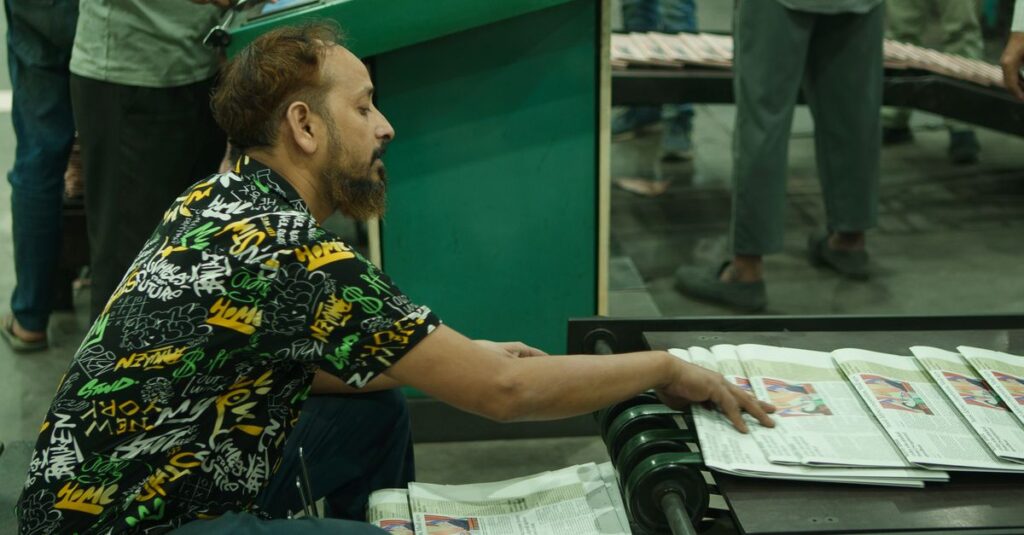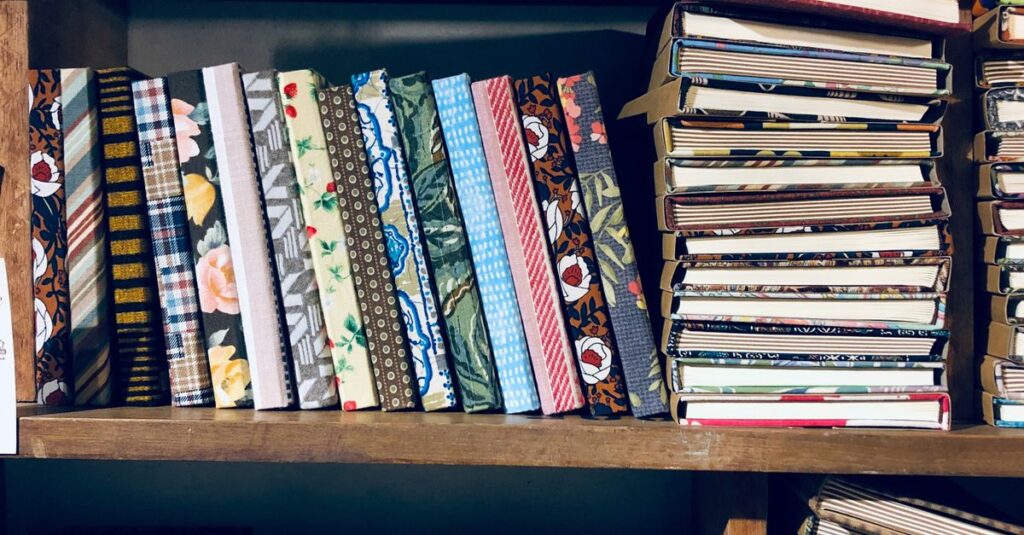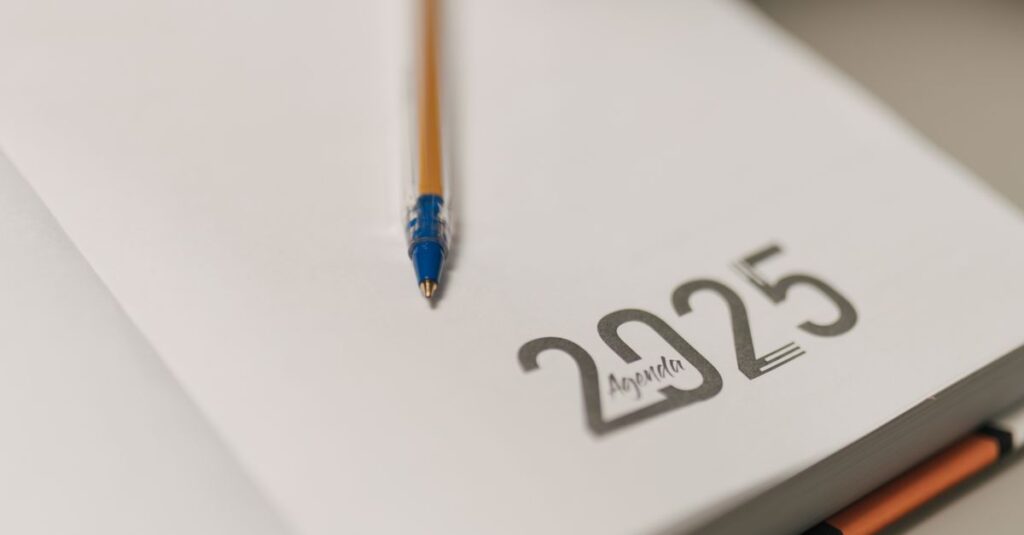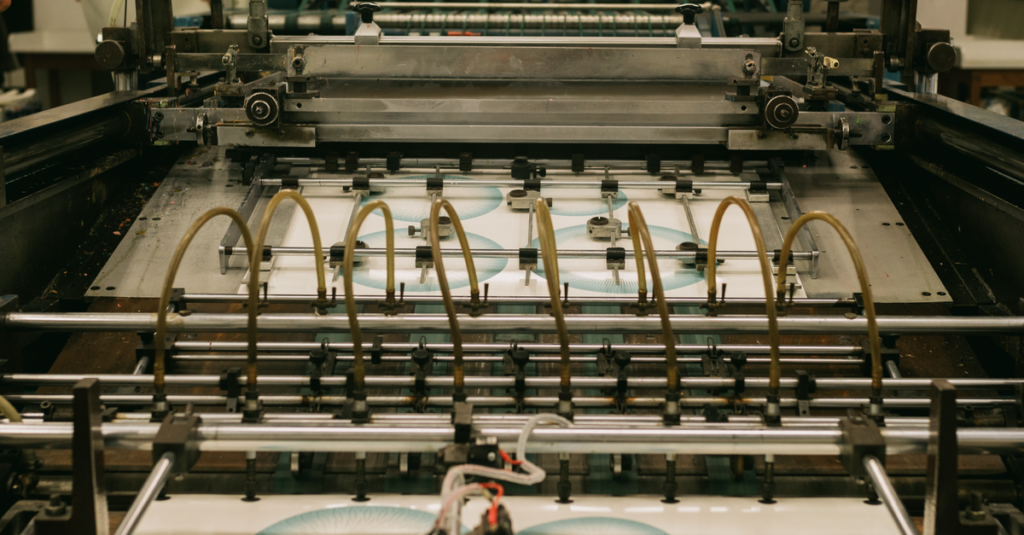


You’ve probably been handed one of these notebooks.
It’s that corporate diary the sales manager gave you at the quarterly meeting. The training manual from HR that feels solid in your hands. Or maybe it’s the branded notebook you got at a conference — the one that still looks sharp after being tossed in a bag for months.
That’s perfect binding at work. And if you’re the one placing the order for thousands of those notebooks — for your company, your school, your government department — you need to know what you’re buying. Not the marketing spiel. The real, on-the-floor manufacturing truth.
Because here’s the thing: picking the right binding isn’t about checking a box. It’s about what happens six months after you hand those notebooks out. Will the covers still be attached? Will pages fall out when someone flips through it a little too fast? I’ve seen it happen with the wrong binding choice, and it’s a headache you don’t need. Honestly, if you’re looking for a durable, professional finish that makes your brand look premium, understanding perfect binding is the first step.
What Perfect Binding Actually Is (No Jargon)
Let me explain it the way I would to a procurement manager standing in our factory. Forget the technical manuals.
Imagine a stack of paper. Neat, trimmed. Now, instead of stapling or threading wire through the side, you rough up the very edge of that stack — the spine edge. It creates a fuzzy, textured surface. You then apply a strong, flexible adhesive (like a specialized hot melt glue) to that roughened edge and press the cover on. The glue seeps into those tiny paper fibers and sets. That’s it.
The result? A clean, squared-off spine. No staples, no coils. Just a smooth, flat surface you can print the company logo or notebook title on. It looks… finished. Professional.
Why does this matter for bulk buyers? Three things happen when you choose this method. One, you get a product that feels more like a book than a notepad — which instantly elevates its perceived value. Two, it allows for full-cover printing without any hardware getting in the way. And three — the part nobody says out loud — it’s often more cost-effective for large runs than hand-stitched binding. You’re buying perceived premium at a bulk-manufacturing price.
The Real-World Use Cases: Where Perfect Binding Makes Sense
I was talking to a client last week — a college administrator from Hyderabad — and he asked the best question: “When should I NOT use this?” Because that’s where the real decision is made.
Perfect binding is fantastic for:
- Corporate Diaries & Planners: That premium feel is non-negotiable. It sits on a desk all year.
- Training Manuals & Course Books: Thicker page counts (200+ pages) that need to stay bound under frequent use.
- Branded Presentation Notebooks: For conferences or client gifts. The flat spine is a perfect canvas for your logo.
- Annual Reports or Company Profiles: When it needs to look archival, even if it’s not.
But. There’s a big but.
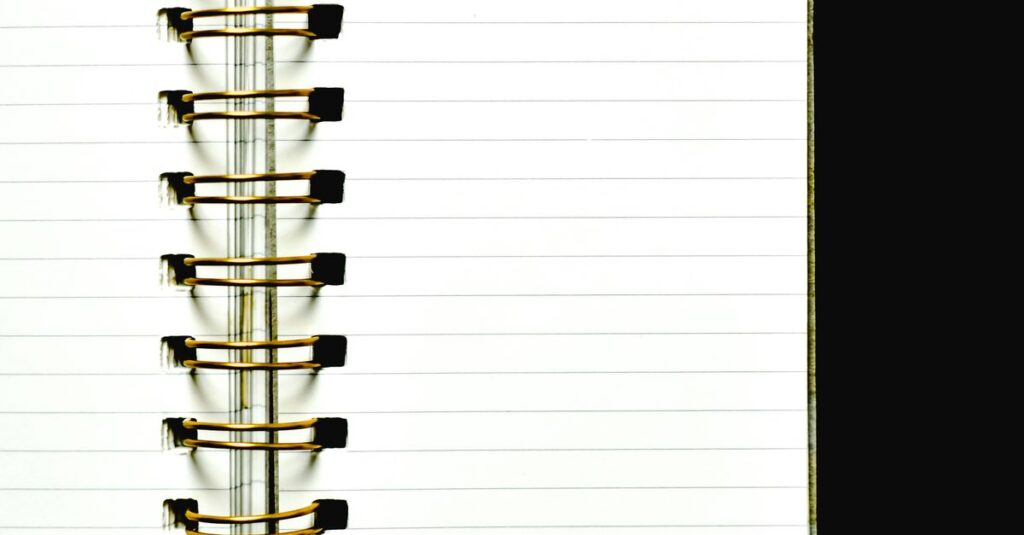
If you need a notebook to lay perfectly flat on any page — like for a sketchbook or a lab journal — this isn’t the best choice. The glue at the spine creates a slight curve. And if someone is going to be ripping pages out violently? Go for spiral. This binding is for preservation, not for dissection.
Think of it this way: it’s for recording, not for rough drafting.
A Story From the Factory Floor
Let me tell you about Ravi. He runs procurement for a chain of private schools in Vijayawada. Orders thousands of notebooks every summer. Last year, he switched the school’s standard senior-year notebooks from stapled to perfect bound.
His reasoning was simple, and it stuck with me. He said, “The kids treat it differently.” A stapled notebook gets bent, folded, the cover tears off. But this one, with its square spine and firm cover — they treat it more like a textbook. It lasts the whole academic year. Fewer replacements, less waste. The cost per unit was a bit higher, but the cost per student per year went down.
That’s the kind of calculation a good buyer makes. It’s not just unit price. It’s total value.
Perfect Binding vs. The Other Guys: A Straight Comparison
Look, you’ve got options. Let’s be blunt about what you’re choosing between.
| Feature | Perfect Binding | Spiral Binding | Stitched (Saddle-Stitched) Binding |
|---|---|---|---|
| Lay-Flat Ability | Moderate. Won’t lay completely flat. | Excellent. Flips 360 degrees. | Good. Lies flat but can have a bulge. |
| Durability (Spine) | Very High. Glue bond is strong if done right. | Moderate. Wire/plastic can bend. | Low-High. Depends on staple quality & page count. |
| Page Count Suitability | Best for higher page counts (52 to 700+ pages). | Good for all counts, but thick books get bulky. | Only for lower page counts (usually under 100). |
| Professional Look | Premium, book-like. Clean spine for printing. | Functional, academic/office. | Simple, classic (like a magazine). |
| Cost for Large Runs | Very cost-effective at scale. | Moderate. Cost of coil adds up. | Most cost-effective for thin booklets. |
| Customization | Full-wrap cover printing, printed spine. | Cover only (spine obscured by coil). | Full-wrap cover printing. |
The takeaway? If you want a thick, durable, professional-looking notebook that says “quality” and you’re ordering in bulk, perfect binding is probably your workhorse. It’s the quiet, reliable choice.
How to Spot Good Perfect Binding (And Avoid the Bad Stuff)
Not all perfect binding is created equal. I’ve seen batches where the glue didn’t penetrate, and pages just… slip out. It’s embarrassing for everyone. So if you’re evaluating a supplier, here’s what to ask for or look for in a sample:
- The Spine Flex Test: Gently flex the book open. A good binding will have some give, but you shouldn’t hear cracking or see the glue line separate from the paper. It should move as one piece.
- The Paper Quality at the Edge: Look closely at the inner spine. The edge of the paper block should look uniformly rough, not smooth. That roughness is what gives the glue something to grip.
- Squareness: The whole book should be square. Crooked spines are a sign of sloppy trimming after gluing.
- Ask About the Glue: Seriously. Just ask. A good manufacturer uses hot melt adhesives formulated for paper, not generic glue. It makes all the difference in flexibility and longevity, especially in different climates.
This is where 40 years in Rajahmundry teaches you something. The humidity here can ruin a bad binding in weeks. If it holds up here, it’ll hold up anywhere.
Expert Insight
I was reading an industry paper last month — one of those dry technical things — and one line stuck with me. It said the strength of a perfect-bound book isn’t really in the glue itself. It’s in the bond between the glue and the paper fibers. The glue just fills the spaces; the mechanical grip is what lasts.
I don’t have a cleaner way to put it than that. It’s a partnership. If the paper quality is garbage, or the fiber preparation is skipped to save three seconds, the best glue in the world won’t stick. Most failures start there, with a shortcut nobody sees until it’s too late.
Your Questions, Answered Honestly
Frequently Asked Questions
Is perfect binding durable for school notebooks?
It can be, especially for older students. For rough, daily use by younger kids who might bend and twist the book, a stitched or spiral binding might be more forgiving. But for secondary school or college notebooks that need to last a full year of reference, perfect binding is an excellent, durable choice.
What is the minimum and maximum page count for perfect binding?
You can technically do it with as few as 40-50 pages, but it really starts to shine and feel “right” around 90 pages and up. We routinely manufacture notebooks with 200, 320, even 700 pages using perfect binding. The upper limit is more about how thick a book is practical to use, not the binding’s capability.
Can you print on the spine of a perfect bound notebook?
Yes, and that’s a major advantage. The flat, squared-off spine is perfect for printing the notebook title, subject, or your company logo. This is a key feature for corporate diaries or branded series where you want a professional, library-style look on a shelf.
How does perfect binding compare in cost to spiral binding for bulk orders?
For large runs (thousands of units), perfect binding is often more cost-effective. Spiral binding adds the cost of the metal or plastic coil and a more labor-intensive punching/winding process. Perfect binding is highly automated for scale, so the per-unit cost drops significantly. The printing and binding process is just more streamlined.
Is the glue in perfect binding notebooks toxic?
No. Modern hot melt adhesives used by reputable manufacturers are non-toxic and solvent-free. They’re solid at room temperature and melt at high heat in the binding machine. Once cooled, they’re inert and safe. Always a good question to ask your supplier, though.
Wrapping This Up
So, what’s the verdict on perfect binding? It’s a workhorse. It’s the binding you choose when you need a notebook to look and feel substantial, to endure being referenced over time, and to proudly carry a brand on its spine.
It’s not the flashiest option. It won’t spin 360 degrees. But for corporate gifts, annual reports, training materials, and serious academic notebooks, it just… works. It communicates quality before a single page is turned.
I don’t think there’s one perfect binding for every single job. That’s why we offer stitched and spiral too. But if you’ve read this far, you’re probably weighing an order where presentation and durability matter more than anything. And for that, it’s probably the right place to start the conversation.