Let’s be honest about ‘press near me’
So you’ve typed it: “press near me.” Maybe you’re a school admin with a grant to spend, a corporate manager who needs branded diaries yesterday, or a distributor tired of flimsy stock. The search is familiar — you want it fast, you want it local, you want someone to just do it. Right?
Here’s the thing I’ve seen after four decades in this business: that search, 90% of the time, leads you straight to a jobber. A middleman with a small digital printer in a back room. They’ll take your file, run off a few hundred notebooks with your logo, and charge you a premium for the “local service.” The binding will be weak. The paper will ghost. And when you need 10,000 units for the next academic year? They’ll go quiet. I’ve had enough procurement managers tell me this story over the phone, sounding genuinely baffled at why their “local guy” couldn’t scale, that I know it’s a pattern.
Look — the real need isn’t for a printer down the street. It’s for a manufacturer who understands volume, quality, and the specific headaches of institutional supply. If you’re reading this because that last quote from the “press near you” seemed off, this is probably what you’re actually looking for.
What you’re really getting (and what you’re missing)
Let’s break down what “near me” usually finds. You’ll get digital printing. That’s great for short runs, prototypes, or a one-off event. The setup is quick. The per-unit cost is high, but the total order is small so you swallow it. The problem? Durability. Digital toner sits on top of the paper. It can crack on the fold. The binding is often a cheap plastic coil or a weak glue that gives up in humidity. For a student’s notebook that gets shoved in a bag for a semester, or a corporate diary that needs to last a full year, it’s just not built for it.
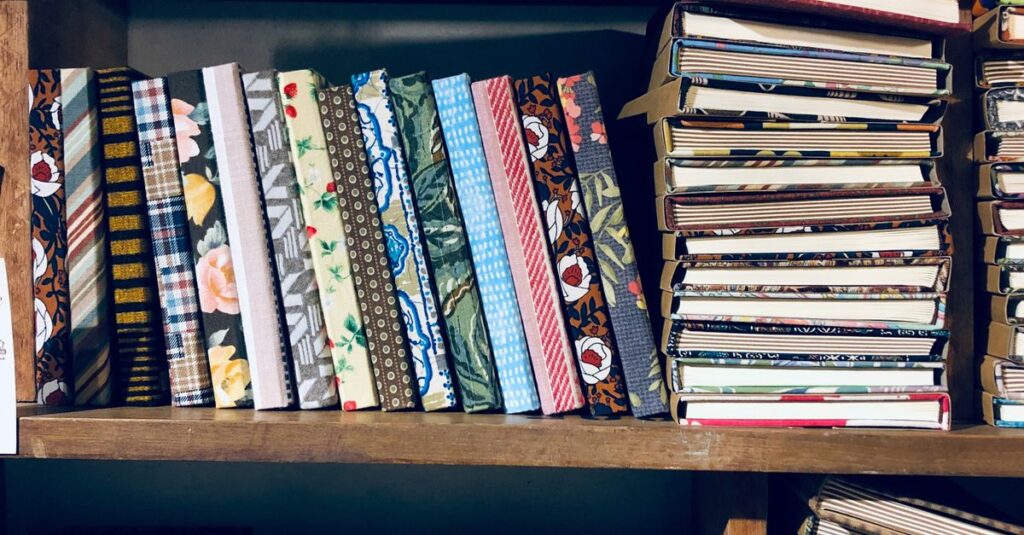
Now, what you almost never get from that local press: offset printing for long runs, proper stitched or Smyth-sewn binding, paper options above 70 GSM that don’t bleed, and the ability to customize everything from the cover board to the ruling on page 37. They don’t have the machinery. They don’t buy paper by the truckload. They can’t.
I remember a buyer from a college in Bangalore. She’d used a local printer for years for their lab notebooks. They were always complaining — pages fell out, graphs bled through. She thought that was just how notebooks were. Then she saw a sample from a proper mill. “Oh,” she said. “It’s supposed to lie flat.” That shift — from accepting a hassle to seeing what’s possible — that’s the whole game.
The three types of “press” and who they’re for
Not all presses are the same. Knowing the difference saves you months of headache.
The Digital Print Shop
This is your “press near me” champion. 1-500 units. Fast turnaround (3-5 days). High per-unit cost. Limited size and paper options. Perfect for: testing a design, small workshops, a single corporate gift set. Useless for: annual bulk supply, anything requiring durability, strict budget-per-unit projects.
The Commercial Printer
A step up. They might have a small offset machine. They can do 1,000-5,000 units. Better quality, more paper choices. But notebooks? They’re often a side hustle. Binding is outsourced. The lead time gets shaky when you push their capacity. They’re the middle ground that often disappoints everyone — not cheap enough to win, not capable enough to deliver real quality at scale.
The Integrated Manufacturer
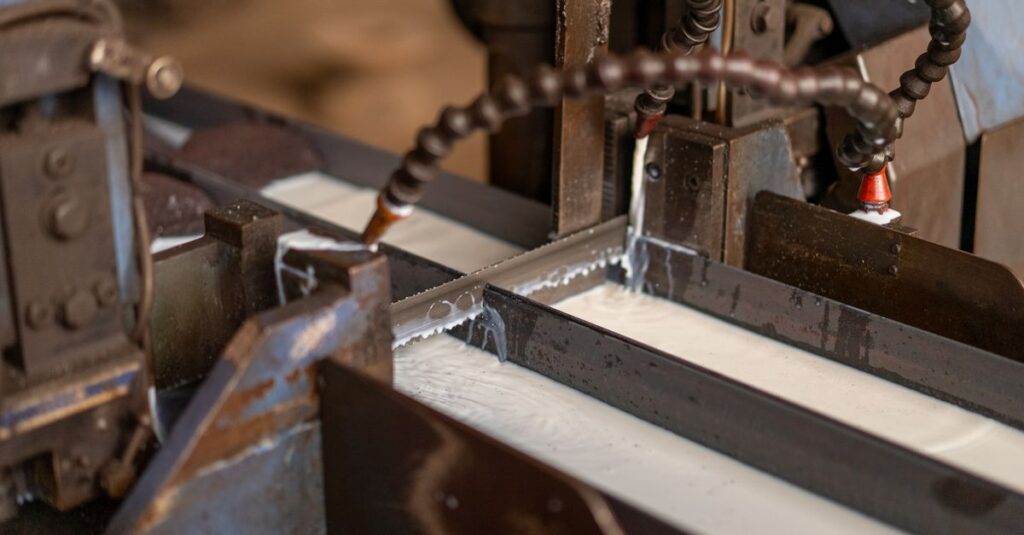
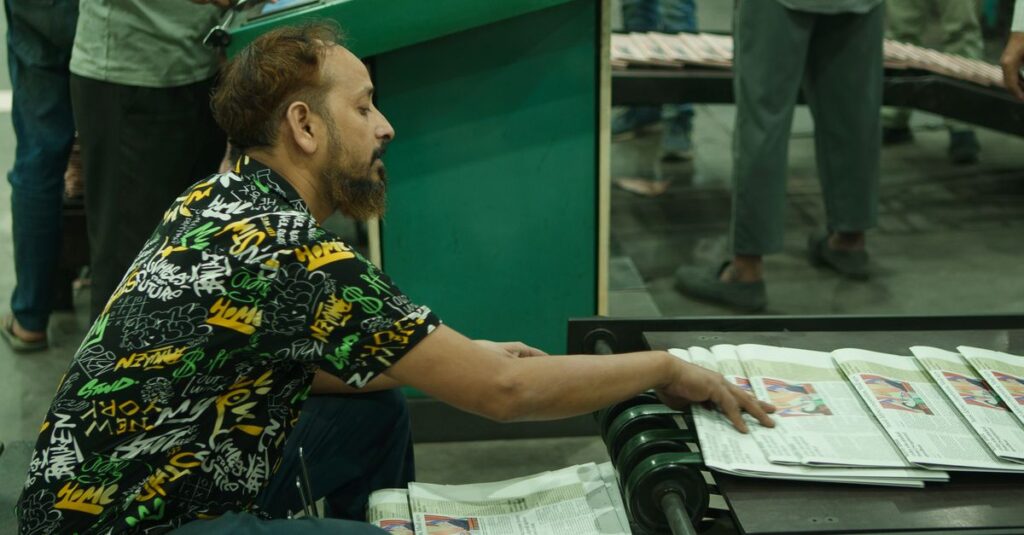
This is us. This is what you need for bulk. The paper comes in one end, bound notebooks come out the other. We control every step: printing, cutting, folding, stitching, binding, packing. The cost per unit nosedives after 10,000 pieces. The lead time is planned in weeks, not days, because we’re building to order, not rushing a job. It’s for schools, corporations, governments, distributors. It’s not “near you” in the sense of a 10-minute drive. It’s near you in the sense of being a reliable partner who answers the phone when you have a 50,000-unit emergency order for next semester.
Think about it this way: you wouldn’t buy a city’s textbook supply from a photocopy shop. The principle is the same.
| Aspect | Local Digital Press ("Near Me") | Integrated Notebook Manufacturer |
|---|---|---|
| Ideal Order Size | 1 – 500 units | 5,000 – 500,000+ units |
| Printing Method | Digital (toner on surface) | Offset (ink absorbed into paper) |
| Binding Durability | Plastic coil, weak perfect binding | Stitched, thread-sewn, robust spiral |
| Paper Quality Choice | Limited (usually 60-70 GSM) | Full range (54 GSM to 100+ GSM, various finishes) |
| Customization Depth | Logo on cover, maybe page color | Cover material, endpapers, ruling type per page, header/footer text, packaging |
| Cost Structure | High per-unit, low total | Very low per-unit, higher total (volume) |
| Scalability | Very Low | Built for scale |
The hidden costs of going “local”
It’s not just the price on the quote. It’s the cost of the re-order because the first batch fell apart. It’s the time your staff spends re-packing and shipping defective products. It’s the reputation hit when you hand a client a branded diary that cracks at the spine in February. For institutions, that’s the real budget killer — operational friction.
Procurement isn’t just about purchase order value. It’s about total cost of ownership. A cheap notebook that needs replacing is more expensive than a durable one. An unreliable supplier who misses a back-to-school deadline costs you in panic, expedited freight, and trust.
I was on a call with a stationery distributor from Kenya last month. He’d been sourcing from a “press” in another city. Every shipment had quality variances. The blues didn’t match. The page counts were off by 5 sheets. He spent more on QC and customer refunds than he made in profit. He thought it was the industry norm. When we talked about our process control — how we check samples against approved dummies, how we batch paper to ensure color consistency — he went quiet. “So it doesn’t have to be a gamble,” he said. Exactly.
Expert Insight
I was reading an industry report a while back — one of those dry, expensive ones — and a line stuck with me. It said the biggest shift in B2B purchasing isn’t towards digital platforms, but towards reduced risk. Buyers would rather pay 10% more for 100% certainty than get a bargain with a 30% chance of disaster. That’s the clearest way to frame the “press near me” dilemma. The local option feels certain (you can drive there!). But the supply risk is huge. The manufacturer feels distant, but the supply risk is engineered out. The question isn’t about proximity. It’s about where the real risk lies.
So, how do you actually find the right manufacturer?
Forget “near me.” Start searching like a pro.
- Search for verticals: “school notebook manufacturer,” “corporate diary supplier,” “bulk exercise book factory.”
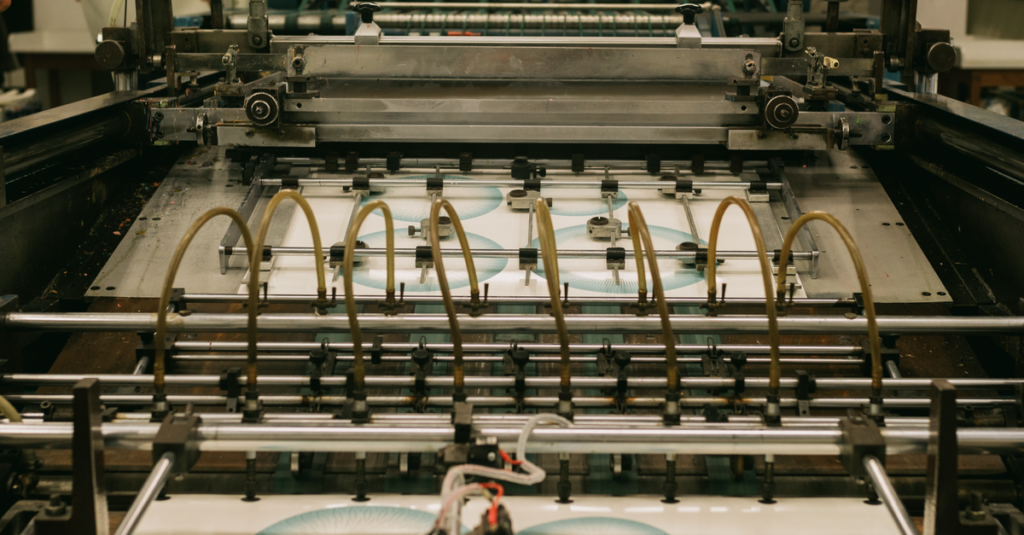
- Look for proof of scale: Do they show machinery? Do they talk about daily production capacity (ours is 30-40k notebooks, for reference)? A small press won’t have that info.
- Ask for a physical sample pack. Always. Feel the paper. Try to tear a page out. Fold it back on itself. Does the binding protest? Does the paper crack? A manufacturer worth their salt will send this for the cost of shipping.
- Ask the two killer questions: 1) “What’s your lead time for 50,000 A4 single-ruled notebooks?” 2) “Can I get a different ruling on the first and last 10 pages?” The first tests capacity. The second tests real customization flexibility.
Your goal isn’t to find the closest supplier. It’s to find the most capable one for your specific need. For a lot of the buyers we talk to, that capability gap is the single biggest thing holding back their projects. They design a beautiful, functional custom notebook, then try to force a local printer to make it. It’s like designing a sports car and asking a bicycle shop to build it.
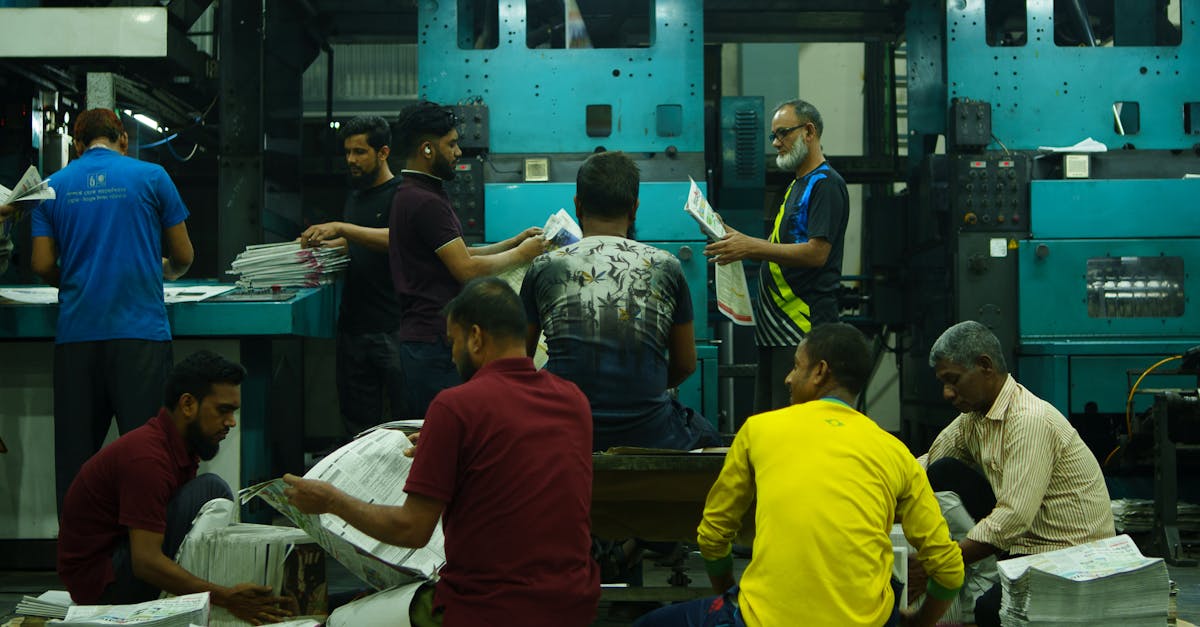
Seeing the scale of a real operation changes your expectations. It has to.
Conclusion: It’s not about location, it’s about logistics
At the end of the day, “press near me” is a search for convenience. But in bulk notebook supply, convenience is a myth. The real convenience is a shipment that arrives on time, in spec, and lasts. That comes from capability, not geography.
I don’t think there’s one answer for every order. If you need 50 custom notepads for a board meeting next week, by all means, Google that local press. But if your need is institutional — if it’s about educating students, branding a corporation for a year, or building a distribution business — then you’re not looking for a press. You’re looking for a manufacturing partner. The logistics, the quality control, the cost engineering… that’s what you’re actually buying. And that doesn’t come from a map search.
It comes from a very different kind of conversation. One that starts with volume and ends with a product that does its job, silently, for months. If your current search isn’t leading to that talk, maybe it’s time to change the keywords.
Frequently Asked Questions
What’s the main difference between a local press and a notebook manufacturer?
A local press is set up for short-run, fast-turnaround jobs on a variety of materials (flyers, brochures). A notebook manufacturer is a factory built to produce bound, multi-page paper products at scale, with in-house control over printing, paper, and binding. The manufacturer is for volume and durability; the press is for speed on small quantities.
Why can’t a local press handle my order for 10,000 school notebooks?
They likely lack the specialized binding and high-speed folding machinery. They’d have to outsource the binding, losing control and margin. Their paper sourcing isn’t geared for bulk, making material costs prohibitive. It’s not what their business is built for.
Is offset printing really better than digital for notebooks?
For anything over 500 copies, absolutely. Offset ink is thinner and soaks into the paper, making it more flexible and resistant to cracking on the fold. The color is more consistent across thousands of sheets. The per-unit cost is far lower at high volumes.
How do I know if a supplier is a real manufacturer and not just a broker?
Ask for factory photos or a video tour. Ask about their daily production capacity. Ask for details about their in-house processes (e.g., “Do you stitch in-house?”). A broker will be vague or show stock images. A manufacturer will have specific details and evidence.
What should I expect as a lead time for a bulk custom notebook order?
For a true manufactured order (5,000+ units), expect 4-8 weeks. This includes sample approval, paper procurement, printing, binding, and quality checks. Any quote promising a few days or weeks for a large, custom order is a red flag — they’re either not doing it themselves or cutting massive corners.