

Everyone Uses the Term — But What Is Print World Really?
I was on a call last week with a procurement manager from a school chain. He kept saying “we need to check with print world.” I nodded. But honestly? Most people outside the industry have no clue what that phrase actually means. They think it’s a store name. Or some vague concept. It’s neither.
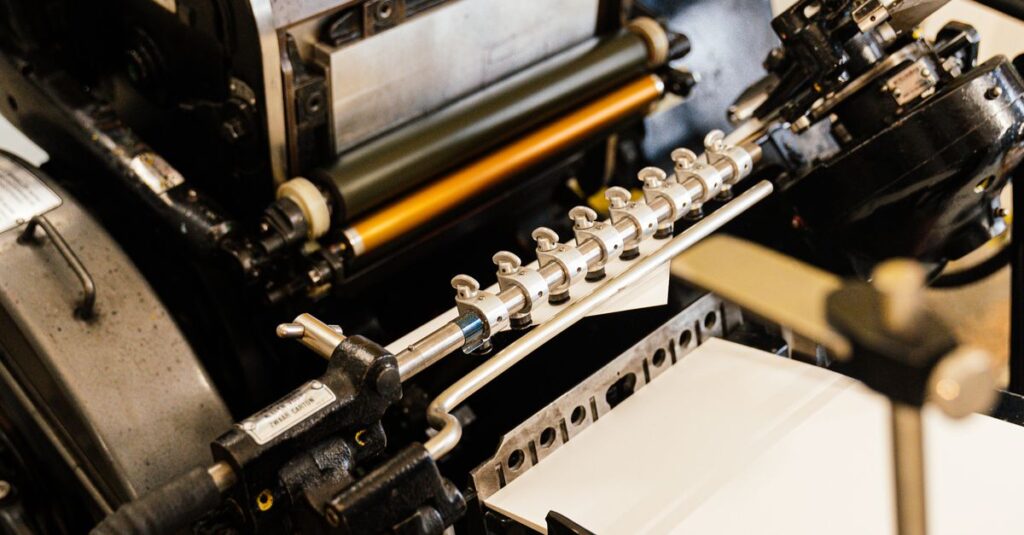
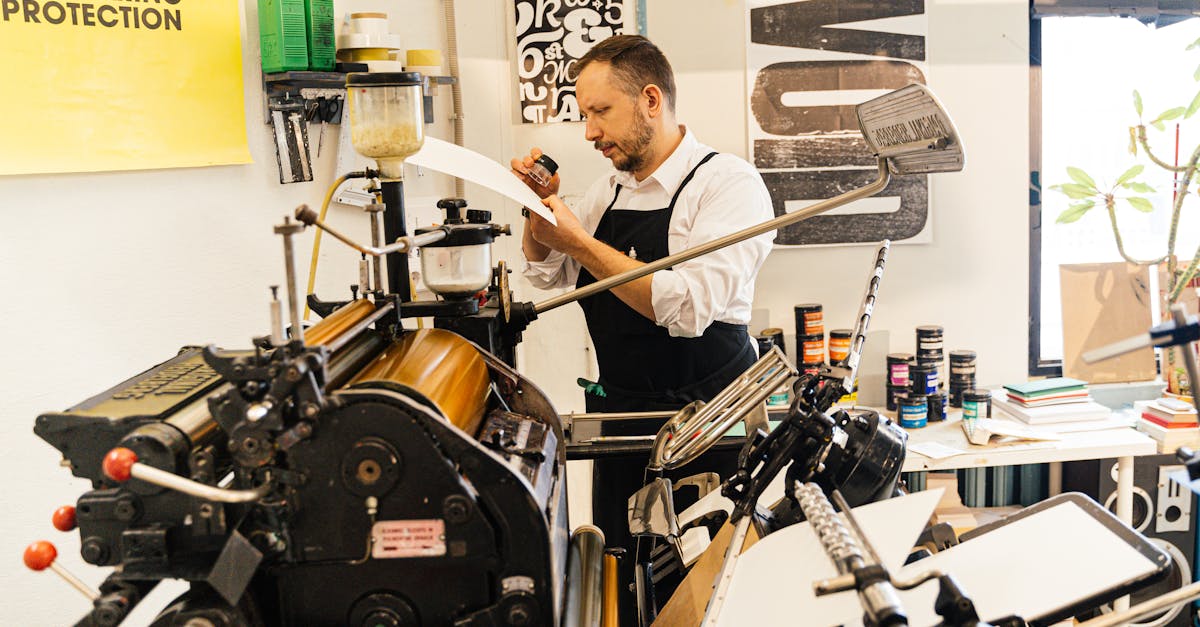
Here’s the truth: “print world” in our business is just shorthand for the entire printing and production side of making notebooks. The machines, the plates, the ink, the paper. The people who make sure your school’s logo doesn’t look like a blurry mess on 10,000 notebooks. That’s print world.
If you’re ordering notebooks in bulk — and you’ve heard this term thrown around — you need to understand it. Because it decides the quality you get. And if you’re curious about what goes into making a good notebook, check out how we approach it.
The Two Sides of Print World You Actually See
Print world looks different depending on where you stand. If you’re the buyer, you see the final product — a crisp logo, clean lines, pages that don’t smudge. If you’re the manufacturer, you see the process. And the process is where things go right, or where they fall apart.
Most people don’t realize how many steps there are between “I need 5,000 notebooks with our branding” and the finished stack sitting in a warehouse. It’s not one machine. It’s a chain. And that chain is print world.
What Happens Before the First Page is Printed
- File preparation — your artwork needs to be converted to print-ready format (CMYK, correct bleed, no weird fonts)
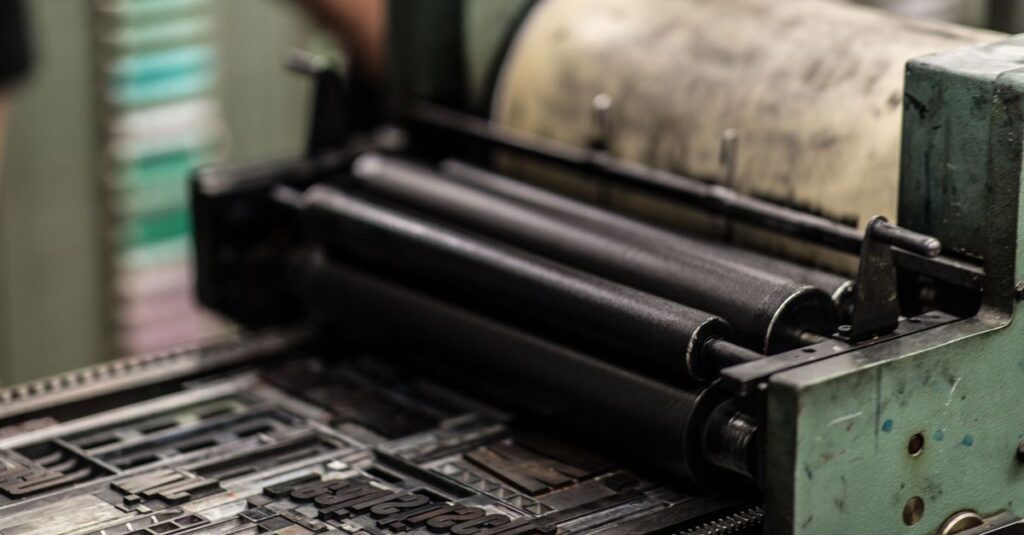
- Plate making — offset printing needs metal plates for each color
- Paper selection — GSM matters more than people think
- Ink mixing — matching a specific brand color isn’t automatic
- Test runs — always a proof run before full production
A lot of people skip the test run. I don’t recommend that.
There’s a moment in every print run where the machine operator pulls the first printed sheet and holds it up to the light. That’s the moment. If it looks good, the whole run breathes. If it doesn’t, everyone starts talking fast. Print world is just a series of those moments.
Why Print World Quality Varies So Much Between Notebook Suppliers
I’ll be direct about this. Not every notebook manufacturer treats print world the same way. Some treat it as an afterthought — “just print the logo, it’ll be fine.” Others have dedicated teams and calibrated machines. The difference shows.
Think about it. You’ve probably seen a notebook where the logo is slightly off-center. Or the color doesn’t match your brand guidelines. Or the print fades after a month. That’s not bad paper. That’s bad print world.
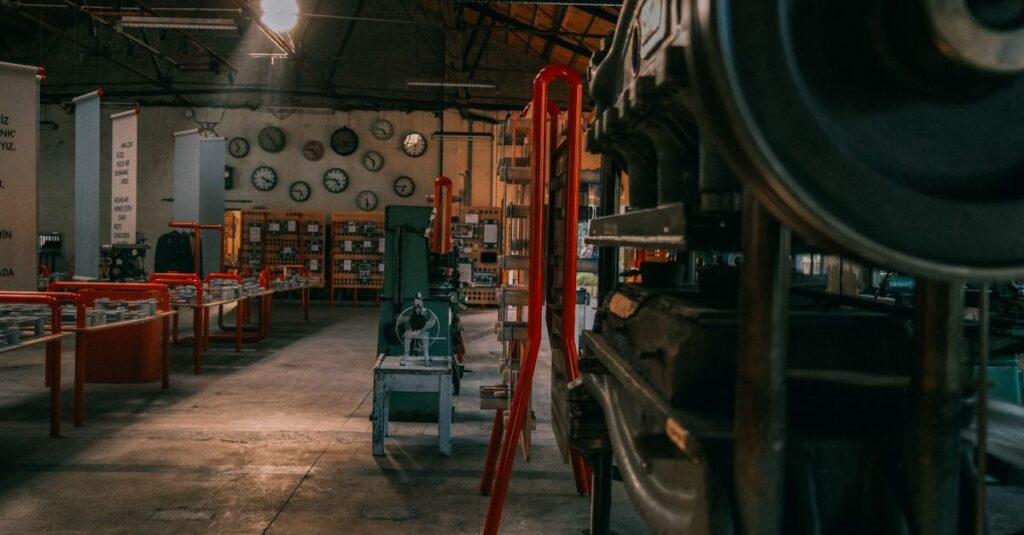
In our facility in Rajahmundry, we’ve been running offset printing machines since 1985. They’re not new. But they’re maintained. And the people operating them have been doing it for years. That matters more than shiny equipment.
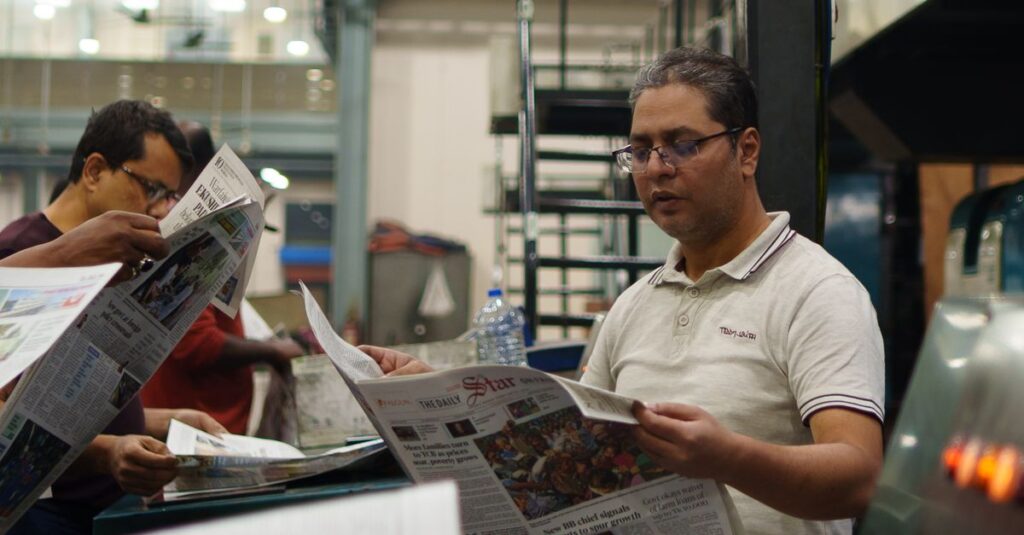
Here’s something I notice again and again when buyers visit our factory. They walk past the binding section quickly. But they stop at the printing area. They watch the sheets come out. They touch the paper. That’s when they get it.
Comparison: Offset Printing vs Digital Printing for Notebooks
| Factor | Offset Printing | Digital Printing |
|---|---|---|
| Best for | Large runs (500+ notebooks) | Small runs (under 200 notebooks) |
| Cost per unit | Lower for bulk orders | Higher per unit, no setup cost |
| Color accuracy | Very high (Pantone matching) | Good but less consistent |
| Turnaround time | Longer (setup needed) | Fast (no plates) |
| Durability | Higher (ink bonds better) | Decent for short-term use |
| Customization | Same print on all units | Variable data possible |
Most bulk notebook orders go offset. It just makes sense.
How Print World Affects Your Bulk Notebook Order
I’ve seen this enough times now to know it’s not coincidence. Orders that start with a clear conversation about print requirements end up with fewer problems. Orders where the buyer just says “print our logo” and walks away? Those are the ones where someone calls a week later saying the color is off.
Expert Insight
I was talking to our senior press operator — he’s been here since the 90s — and he told me something I keep thinking about. He said: “A customer once sent us a logo that was 72 DPI. Just a tiny image pulled from a website. They wanted it on 10,000 notebooks. They didn’t understand why we said no.” He wasn’t complaining. He was explaining. Print world has limits. Not everything can be fixed in the machine. Sometimes the problem is where it starts — the file itself. And that’s not a manufacturing issue. It’s a communication gap.
Here’s a story. A few months ago, a distributor from Vijayawada named Ramesh (he’s been in the stationery business for about 12 years) called me. He was frustrated. His usual supplier had printed 2,000 corporate diaries with his client’s logo in the wrong shade of blue. Not close. Just wrong. “They told me it’s within acceptable variance,” he said. “But my client noticed immediately.” He switched suppliers after that.
That kind of thing doesn’t happen when print world is taken seriously. It happens when printing is treated as a checkbox instead of a craft.
What to Ask Your Notebook Supplier About Their Print World
If you’re ordering notebooks or diaries in bulk, you don’t need to become a printing expert. But you do need to ask the right questions. I’ve put together a short list that covers the basics.
- What printing method do you use? Offset gives better quality for large runs. Digital can work for small batches.
- Can you match a specific Pantone color? The answer should be yes, with a proof.
- Do you do a pre-production proof? If they say no, that’s a red flag.
- What file formats do you accept? PDF with bleeds is standard. Make sure they explain it clearly.
- How do you handle color correction? Good suppliers check every batch, not just the first one.
These aren’t technical questions. They’re common sense. But you’d be surprised how many buyers never ask them. And then they wonder why the print doesn’t look right.
Our printing process is straightforward. We don’t hide anything. You can ask us the same questions.
The Part Nobody Talks About in Print World
Look, there’s a side of print world that doesn’t come up in sales conversations. It’s about consistency. Not just one notebook. Every notebook. When you order 5,000 pieces, notebook #1 should look the same as notebook #4,972. That’s harder than it sounds.
Imagine a machine running for 10 hours straight. Paper changes slightly. Ink viscosity changes slightly. Temperature and humidity in the press room change. All those small shifts can affect the print. A good print world team accounts for those shifts. They adjust. They check. They don’t just let the machine run and hope for the best.
Anyway. I’ve gone on longer than I planned. But this is the part of notebook manufacturing that doesn’t get enough attention. Everyone talks about paper quality and binding. Printing is the thing people see first. And if it’s off, nothing else matters.
The question isn’t whether your supplier has a printing setup. It’s whether they care about the details. And that’s a harder thing to find out.
Frequently Asked Questions
What does “print world” mean in the stationery industry?
It’s a casual term for the entire printing and production side of making notebooks and diaries. It covers everything from file preparation and plate making to ink mixing, press operation, and quality checks. It’s not a specific place — it’s the whole process.
Is offset printing or digital printing better for bulk notebooks?
Offset printing is almost always better for bulk orders of 500 or more notebooks. It has lower cost per unit, better color accuracy, and more durable print. Digital printing works well for small batches or custom short runs where setup costs don’t make sense.
How do I make sure my logo prints correctly on notebooks?
Send a high-resolution file (at least 300 DPI), use CMYK color mode, and include any Pantone references if color accuracy matters. Always ask for a pre-production proof before the full print run. That’s the best way to catch issues early.
Can print world handle complex designs like foil stamping?
Yes, but these are separate processes that happen after the main printing. Foil stamping and embossing need additional setup and specialized machines. If you want these finishes, mention them upfront so they can be planned into the production timeline.
Why does print quality vary between different notebook manufacturers?
Mostly because of equipment condition, operator experience, and quality control processes. A manufacturer with maintained presses, experienced operators, and regular color checks will produce much more consistent results than one without these things.
I don’t think there’s one perfect answer when it comes to choosing a printing partner. Probably there isn’t. Every factory has its strengths and blind spots. What matters is that they’re honest about both.
If you’ve read this far, you probably care more about the details than most buyers. And that’s a good sign. It means your notebooks will turn out the way you want them to. You just need a team that takes print world as seriously as you do.
Talk to us about your next bulk order — we can walk through the printing process together.