What Actually Happens When You Search for Printing Cards Online
You type it in. Maybe you need wedding invitations. Or corporate greeting cards. Or maybe you are a procurement manager who ordered 5000 notebooks last month and now someone is asking for branded cards too.
And honestly — printing cards online feels like a gamble. You upload a design. Pick paper. Click order. And then you wait. Sometimes the colours match. Sometimes your logo looks like a photocopy of a photocopy.
I have been in this industry since 1985. Not doing cards specifically — but printing. Paper. Binding. The whole messy process of turning a design into something people hold in their hands. And here is the thing nobody tells you about printing cards online: it is not about the design. It is about what happens after you click submit.
Let me explain.
The Four Things Nobody Checks Before Ordering Cards Online
Most people focus on the wrong things. They pick a template. They adjust the font. They pay extra for thick paper. And then the cards arrive and something is off.
Here is what I check. Every time.
- File format and bleed area — Most online printers expect CMYK. Not RGB. If you submit the wrong format, the colours shift. Dramatically. And nobody tells you until it is printed.
- Paper weight tolerance — Some printers say 300 GSM. What they mean is somewhere between 260 and 310. The cheaper the printer, the bigger the gap.
- Turnaround time vs actual delivery — Printing cards online often means printing is the fast part. Shipping is where everything falls apart. Ask for tracking upfront.
- Minimum order hidden costs — The price shown is for basic specs. Add a corner round. Add foil stamping. Add a custom envelope. Suddenly the price has doubled.
Sounds obvious, right? But I have seen this happen to people who have been ordering for years.
Why I Stopped Recommending Cheap Online Card Printers
I used to think — go with whoever is cheapest. Everyone is using the same machines. Paper is paper. Ink is ink. What is the difference?
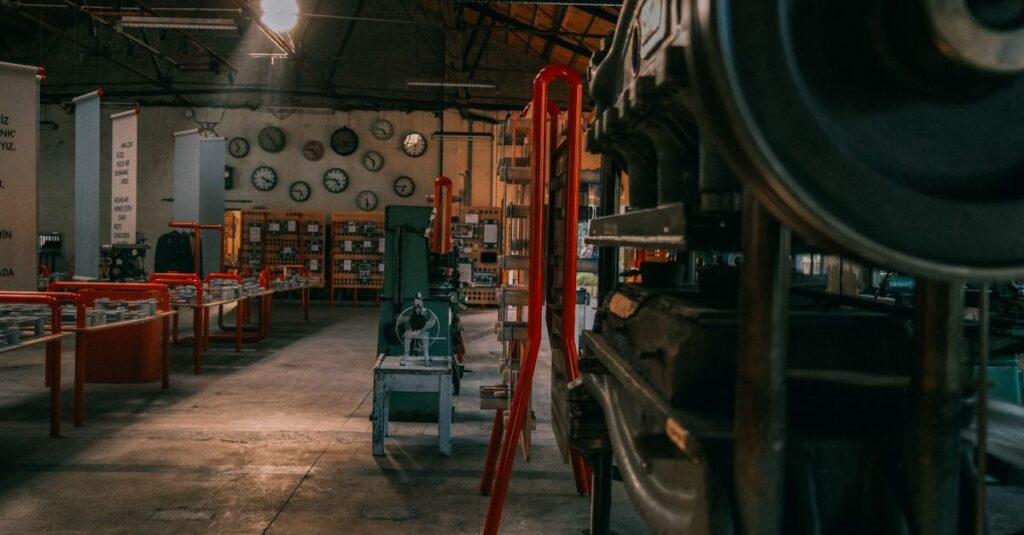
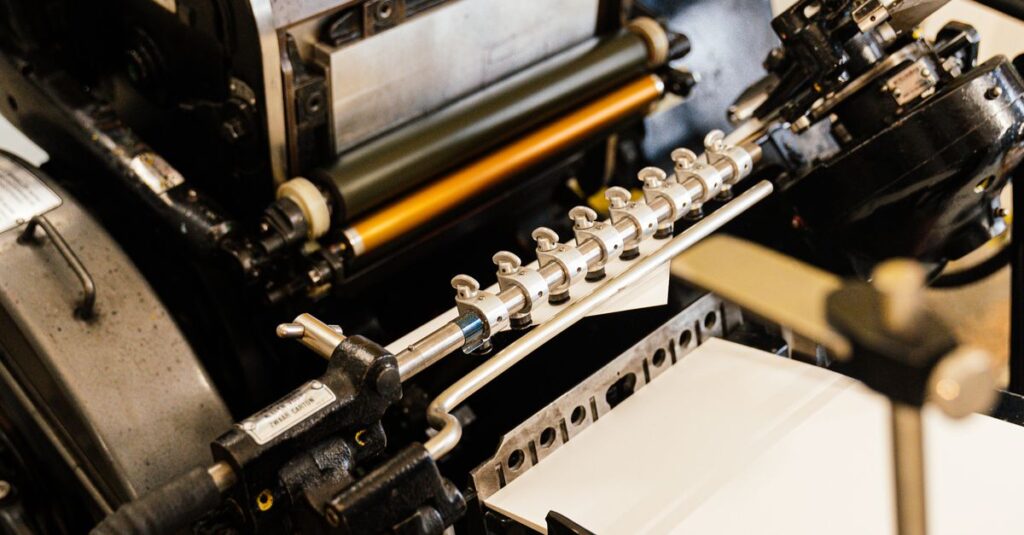
Then I visited a small printing unit in Rajahmundry. Not the one I work with. A different one. Small operation. Two machines. One guy running both. And I saw something that changed my mind.
He was checking every sheet by hand. Not because he had to. Because he wanted to. He caught a misalignment on the third sheet. Stopped the press. Fixed the plate. Restarted. Lost twenty minutes. Saved six hundred cards from being wasted.
That is the difference. Not the machine. Not the paper. The willingness to stop when something is wrong.
I don't think there is a checkbox for that on any website.
Expert Insight
I was talking to a long-time supplier last month. He said something I keep thinking about. He told me: “The most expensive card I ever printed was the one I didn't check.” He meant it literally — a corporate order, twenty thousand cards, wrong PMS colour throughout. Had to reprint the whole thing. Client lost trust. He lost money. He still remembers the exact date. It was a Tuesday. He was tired. Didn't double-check. Twenty thousand cards.
I don't have a cleaner way to say it than that.
Comparing Online Card Printing vs Local Print Shops
I have done both. Many times. Here is the honest comparison.
| Factor | Online Printing | Local Print Shop |
|---|---|---|
| Convenience | Order from anywhere, any time | Need to visit in person |
| Price for bulk (1000+ cards) | Often cheaper initially | Comparable when shipping is added |
| Colour accuracy | Hit or miss without a proof | You can match on press |
| Turnaround reliability | Shipping delays are common | Pick up same day if urgent |
| Customisation options | Limited to what the website offers | Almost anything is possible |
| Accountability | Email support — slow | You talk to the person who printed it |
I am not saying online is bad. I am saying it is a trade-off. And most people I have spoken to regret it exactly once before they figure out what matters to them.
A Story That Made Me Rethink Printing Cards Online
Ravi. 34. He runs a small design studio in Kakinada. He needed 500 cards for a client launch. He ordered online. Standard process. Uploaded everything. Paid extra for rush delivery.
The cards arrived on time. He opened the box in front of his client. The logo was the wrong shade of blue. Not a little off. Completely wrong. His client didn't say anything. Just looked at the cards. Then looked at him. Then back at the cards.
Ravi had to reorder from a local printer. Paid twice. Delivered three days late. Lost the repeat contract.
He told me later: “I knew something was off when I uploaded the files. The preview looked different. But I clicked order anyway.”
I have done that too. We all have.
The question is whether you learn from it.
What To Look For When You Are Printing Cards Online — Finally
If you are going to do it — and most people will — here is what actually matters.
- Ask for a physical proof. Not a PDF. A printed sample. If they mail it to you before the full run, they are serious about quality.
- Check the bleed and margin requirements. Every printer has a different spec. Ignore it at your own risk.
- Read reviews for colour accuracy specifically. Not general reviews. Look for comments about colour. That is where the truth is.
- Verify the shipping timeline. Not the production timeline. The shipping. Production is fast. Shipping is where things get stuck.
- Order a small batch first. Spend a little extra to test. It is cheaper than reprinting 5000 cards.
I know this sounds like common sense. But common sense and common practice are two different things. At least in my experience.
Frequently Asked Questions
What is the best file format for printing cards online?
CMYK PDF with 3mm bleed on all sides. Do not use RGB. Do not use PNG. Even if the website accepts it, the colour will shift. A proper PDF ensures the printer interprets colours correctly.
How long does printing cards online take?
Production usually takes 3–5 business days. Shipping adds 3–10 days depending on location. If a website promises 2-day delivery including production, ask questions. That timeline is almost always too tight.
Why do printed cards look different from the screen?
Monitors use RGB. Printers use CMYK. The two colour spaces do not match exactly. Also, paper texture and coating affect how ink looks. Always request a physical proof before approving a large order.
Can I order cards online in small quantities?
Yes, but the per-unit price will be higher. Most online printers have minimums around 50–100 cards. For small orders, consider digital printing instead of offset. It is cheaper for short runs.
What paper weight is best for business cards?
350–400 GSM is standard. It feels substantial without being too thick. Avoid anything below 300 GSM for business cards — they will feel flimsy. For postcards, 300–350 GSM works well.
Final Thoughts — It's Not About The Card
Here is what I keep coming back to. Printing cards online is not really about the card. It is about trust. You are trusting a machine you cannot see. A person you have never met. A process you cannot control. And sometimes it works. Sometimes it doesn't.
I don't have a perfect answer. Maybe there isn't one. But I know this: the people who check the small things — bleed, colour proof, shipping timeline — they are the ones who do not end up with a box of unusable cards.
If you want someone who actually checks before printing, Sri Rama Notebooks has been doing this since 1985. Not just cards — notebooks, diaries, custom stationery, everything with paper. And we still check each run. By hand. Every time.