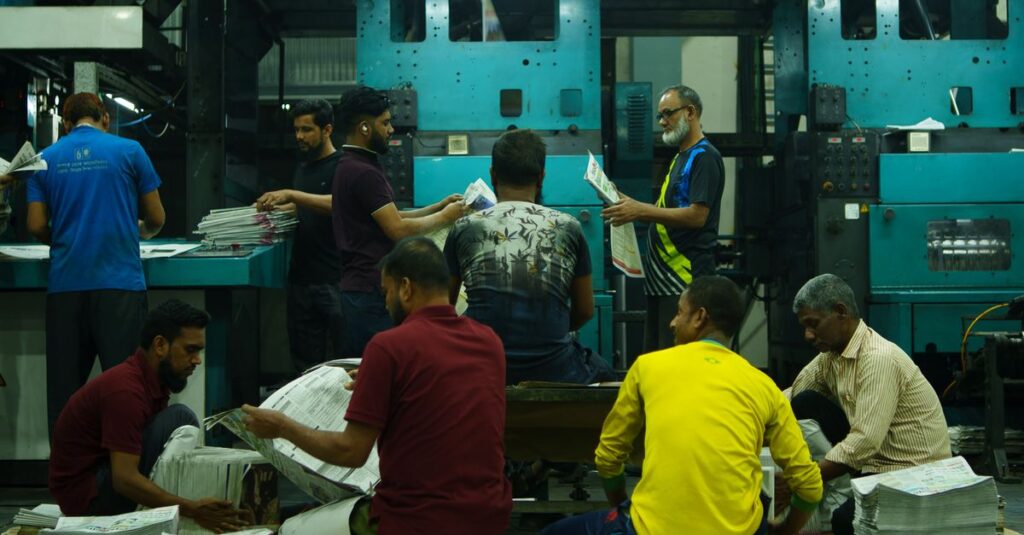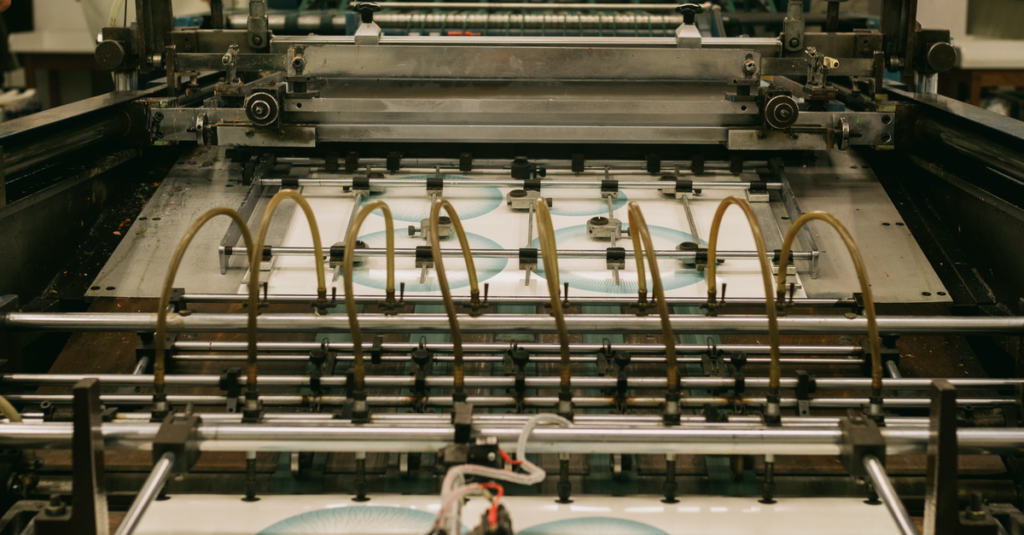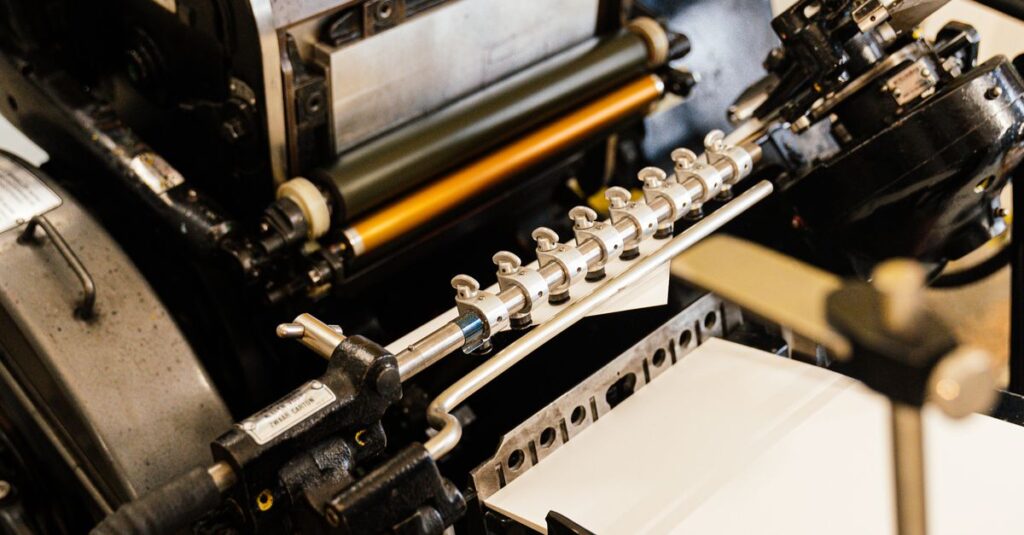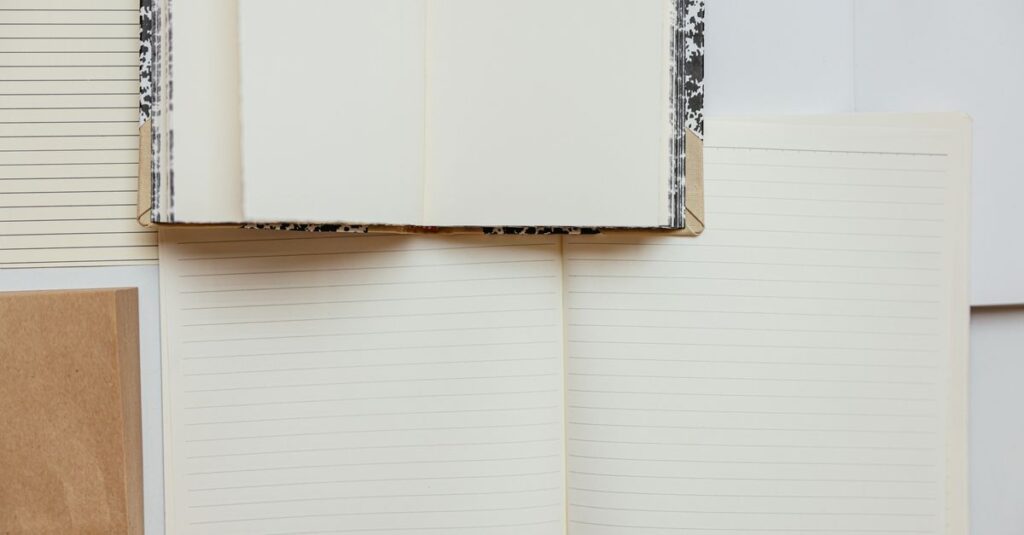
Where It All Begins: Paper Selection and Cutting
Most people never think about the paper. They grab a notebook off the shelf and assume it's all the same. It's not. Not even close.
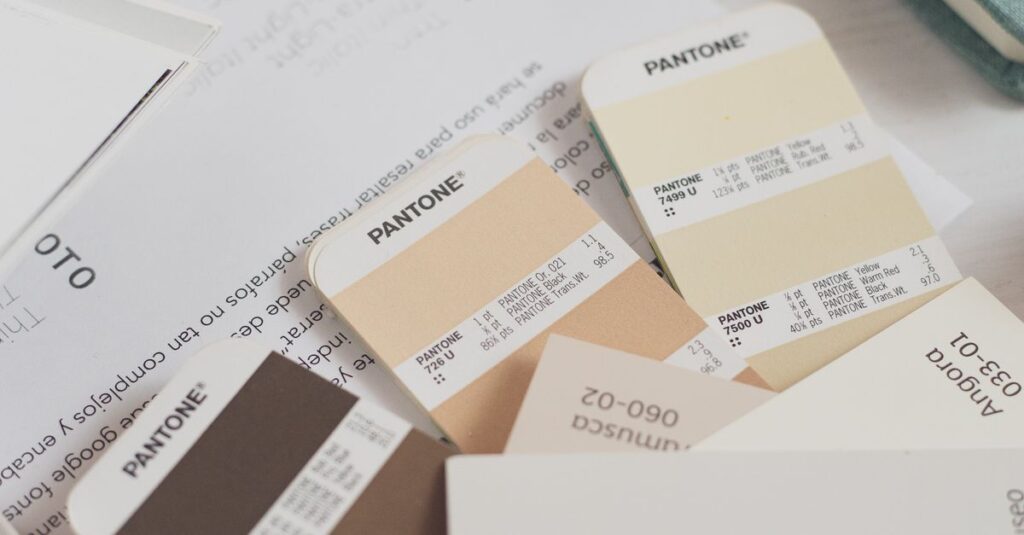
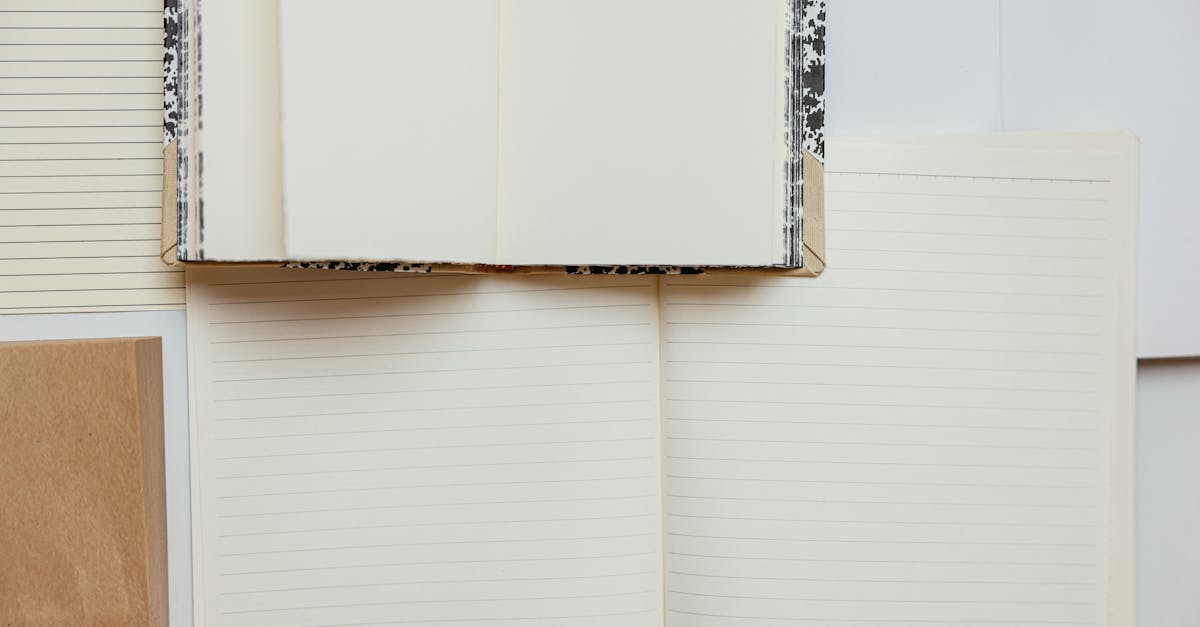
The complete notebook production process explained step-by-step starts with one thing: the right paper. You need the right GSM — that's grams per square meter. For school notebooks, we usually use 54 GSM writing paper. For diaries where people write with fountain pens, we go thicker. 70 GSM or even 80.
Here's where most manufacturers cut corners. They buy cheaper paper that feathers and bleeds through. Then everyone blames the pen. It's usually the paper.
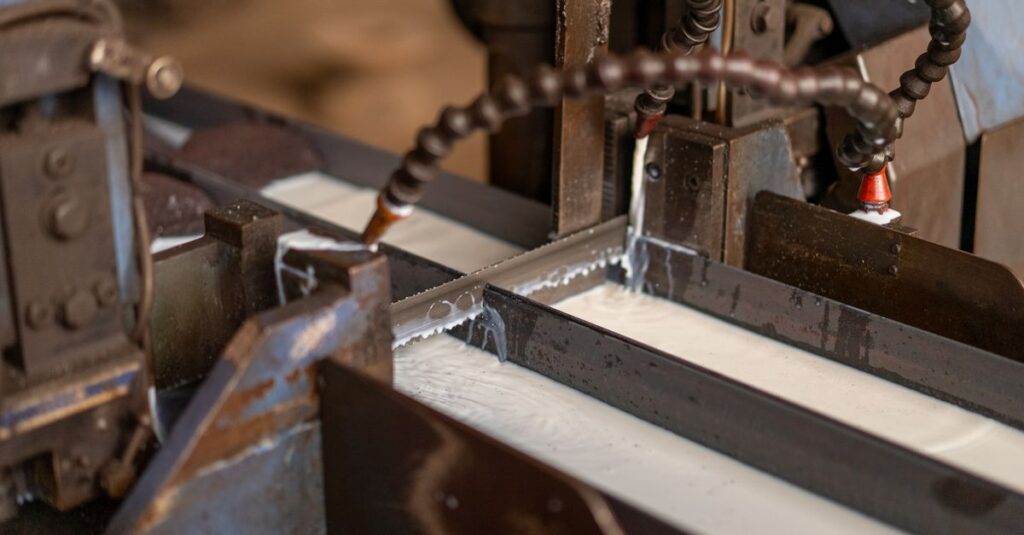
Once the paper arrives in rolls or sheets, it goes through a cutting machine. We cut it down to the required size — King, Long, Short, A4, A5, Crown. Each size has its own dimensions. King notebook is 23.6 cm by 17.3 cm. Long is 27.2 by 17.1. These numbers matter because the next steps — printing, folding, binding — all depend on accurate cutting.
The cutting machine operator has a checklist. He checks thickness, alignment, and corner sharpness. If the cut is off by even 2 mm, the whole batch can be rejected later. We've learned that the hard way.
And honestly? That's the part most buyers don't see. They see the finished product. But the first step — the paper quality and cutting precision — sets the tone for everything else.
Printing the Pages — Offset vs Digital
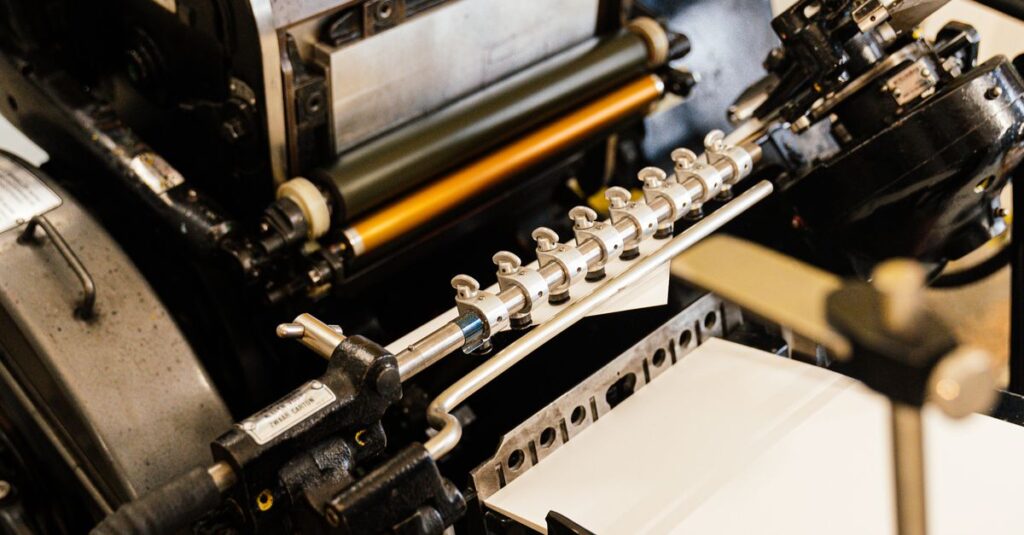
After cutting, the sheets are printed. This is where the lines, margins, and ruling patterns appear. Single ruled, double ruled, four ruled, cross ruled — you name it.
The complete notebook production process explained step-by-step would be incomplete without talking about printing methods. We use two main types: offset printing and digital printing.
| Aspect | Offset Printing | Digital Printing |
|---|---|---|
| Best for | Bulk orders (10,000+ notebooks) | Small batches or custom covers |
| Cost per unit | Lower at high volume | Higher per unit but no setup cost |
| Setup time | Needs plates — takes hours | No plates — ready in minutes |
| Color quality | Consistent, sharp | Good, but slight variation run-to-run |
| Customization | Fixed design per run | Variable data possible |
| Paper compatibility | Wide range | Limited to certain papers |
For most bulk orders — schools, colleges, corporate diaries — offset is the way. The setup cost is higher but per-unit cost drops fast. We can print 30,000 to 40,000 notebooks a day with offset.
But here's something I learned the hard way. Offset plates wear out. After a certain number of impressions, the lines start fading. You need someone checking the press every 15 minutes. Not AI. A human being who says, 'That rule line is getting thin.' We have two guys who do nothing but walk around and check prints. Sounds old school. Works.
Digital is great for small runs — like 200 custom diaries with logo printing. But for the main body of a standard notebook? Offset gives you that crisp, consistent look that schools expect.
The Binding Stage — Stitched, Spiral, Perfect Binding
This is where the magic happens. Or the disaster, if you rush it.
Once the pages are printed and folded into signatures (groups of pages), they need to be bound together. There are three main methods we use:
- Stitched binding — also called saddle stitch or side stitch. Pages are stapled along the spine. Cheap, strong, but notebooks don't lay flat.
- Spiral binding — a wire coil goes through holes punched along the edge. Notebooks open fully, lie flat. Great for diaries and corporate gifts.
- Perfect binding — pages are glued into a wrap-around cover. Looks professional, like a paperback book. Used for premium notebooks and account books.
Most people assume spiral is the best. It isn't always. Spiral coils can bend, get snagged in bags, and sometimes come loose. Stitched binding is actually more durable for school notebooks that get thrown around. But it doesn't look as fancy.
Expert Insight
I remember a conversation from last year — I was talking to a school principal in Kakinada, Mr. Rao. He'd been ordering notebooks for his school for 15 years. He told me he once got a batch of perfect-bound notebooks, and within a month, the covers were peeling off. The glue didn't hold. He switched back to stitched after that. He said, 'I don't care what it looks like. I care if it lasts till exams.'
That stuck with me. Because it's not about the prettiest binding. It's about the right binding for the use case. And nobody tells you that when you start out.
Cover Design and Customization Options
So now the pages are bound. Next comes the cover. This is where bulk buyers get excited and also where things can go wrong.
We offer custom cover design — logo printing, embossing, foil stamping, private label, OEM. If you want your school's logo on the front, we can do that. If you want the corporate branding embossed in gold, we can do that too.
But here's a real story. Last year, a procurement manager named Lakshmi from a college in Vijayawada placed an order for 5,000 custom notebooks. She wanted foil stamping in silver. The foil stamping die cost extra, and she wasn't sure. I said, 'Let's do a sample first.' We made one. She showed it to the principal. He loved it. The order went through.
That sample saved us both trouble. The die would have been wrong if we'd just taken her word over email. The point is: never skip a proof. Even if you've ordered a hundred times before. Paper colors, foil shades, embossing depth — they all vary.
We also print inside the covers sometimes — school rules, motivational quotes, or simply blank for notes. It's the small touches that make a custom notebook feel 'ours' rather than 'just another notebook.'
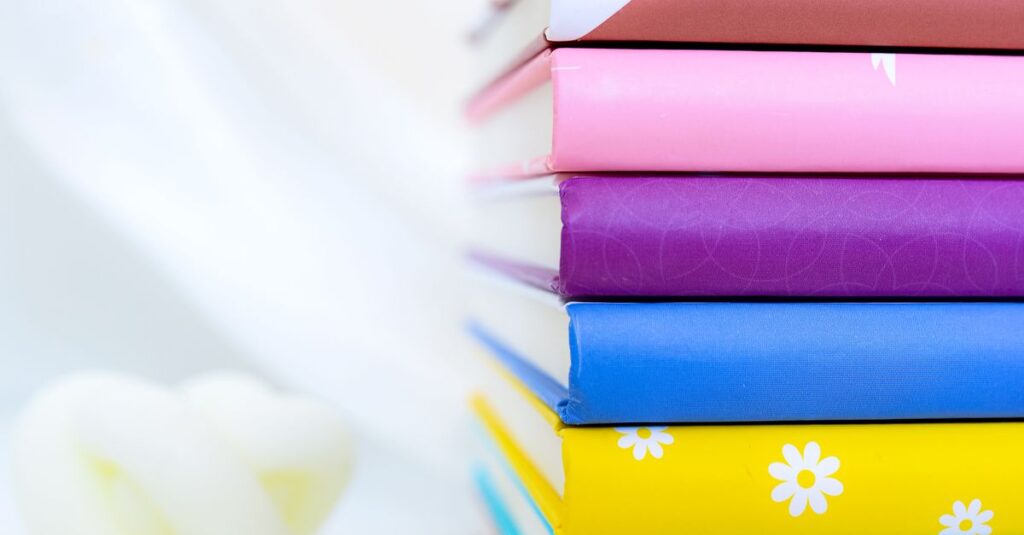
And let me be honest: the cover is the first thing users see. If the cover is flimsy, they assume the whole notebook is cheap. So we use at least 200 gsm cover paper for standard notebooks, and thicker for premium. It's one part we don't cut corners on.
Quality Checks and Packaging for Bulk Orders
The complete notebook production process explained step-by-step doesn't end at assembly. In fact, the last steps are the most boring and the most critical.
Every batch goes through quality checks. We look for cut misalignment, binding gaps, ink smudges, cover damage. We randomly pull out notebooks from the middle of the stack — not just the top ones. Some manufacturers only inspect the first few and call it done. That's lazy.
Then comes packaging. Bulk orders need strong cartons that won't collapse during shipping. We pack notebooks in bundles of 25 or 50, then into export-quality cartons for international orders. For local orders, we use simpler cardboard boxes but still reinforce the edges.
Honestly, packaging is where many notebook factories lose money. If a carton tears in transit, the notebooks get dirty, the buyer rejects them, and you've lost the whole profit on that lot. We've had that happen. Only once. But once was enough.
So now we tape every carton with heavy-duty tape, mark the weight, and stack them on pallets. For export, we add a moisture barrier layer. Because nobody wants moldy notebooks arriving in Dubai.
Anyway. That's how it goes from paper stack to finished product.
Frequently Asked Questions
What is the complete notebook production process explained step-by-step?
The process includes paper selection, cutting to size, printing ruling patterns, folding into signatures, binding (stitched, spiral, or perfect), cover design and printing, quality inspection, and packaging. Each step requires precision to ensure durability.
How long does it take to manufacture a batch of notebooks?
For a standard batch of 10,000 notebooks, it typically takes 5 to 7 working days from paper cutting to final packaging. Custom orders with foil stamping or embossing may add 1–2 days for die preparation and sample approval.
What binding type is best for school notebooks?
Stitched binding (side stitched) is generally the best for school notebooks because it's durable and cost-effective. Spiral binding is better for diaries or notebooks that need to lay flat, but it can snag in school bags.
Can I get my company logo printed on the cover?
Yes. We offer logo printing, embossing, and foil stamping for custom covers. You can also provide your own artwork for lithographic printing. We recommend ordering a sample or proof before full production.
What paper GSM do you recommend for bulk notebooks?
For standard writing notebooks, 54 GSM is sufficient. For premium diaries or fountain pen use, 70–80 GSM is better. Heavier paper reduces bleed-through and gives a better writing experience.
I don't think there's one perfect way to make a notebook. There are trade-offs at every step — cost versus quality, speed versus precision, style versus durability. The key is knowing what you're actually buying and why.
If you're sourcing notebooks in bulk and want to understand the details before you commit, Sri Rama Notebooks has been doing this since 1985. We can walk you through the options that fit your budget and your use case.