So What Exactly Is AM Print?
You're looking for notebook manufacturers. You see the term “AM Print” on some website. And you think — what is this? Another buzzword? A printing technique I should know about? I've been in this industry long enough to tell you: AM Print isn't complicated. But it matters.
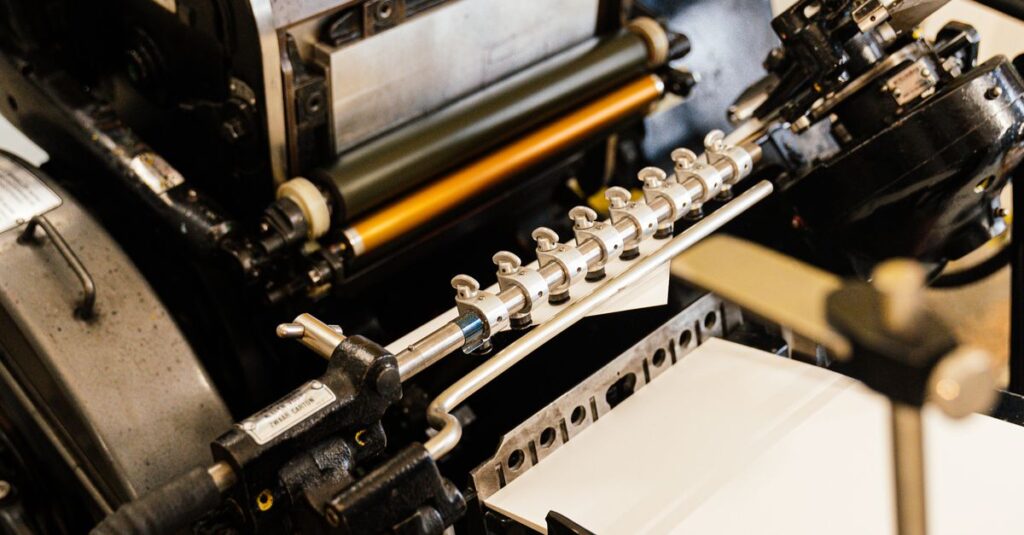
AM Print stands for Automated Multi-Color Print. It's a process we've been using at Sri Rama Notebooks for over a decade. Instead of manual setups for each color, the machine handles registration, alignment, and ink flow automatically. The result? Faster turnaround, fewer errors, and better consistency across thousands of notebooks.
If you've ordered custom printed stationery before, you know the headache of mismatched colors or blurry edges. AM Print eliminates most of that. And it keeps costs predictable for bulk orders.
How AM Print Works — The Simple Version
I'll skip the engineering jargon. Here's how it works in practice:
- Your design goes into the system — vector file, preferably AI or PDF.
- The machine reads color separations automatically and aligns each plate.
- Ink is applied in layers, with drying between each pass — but it's fast because everything is synchronized.
- Quality check happens mid-run, not at the end. So if something goes wrong, we catch it early.
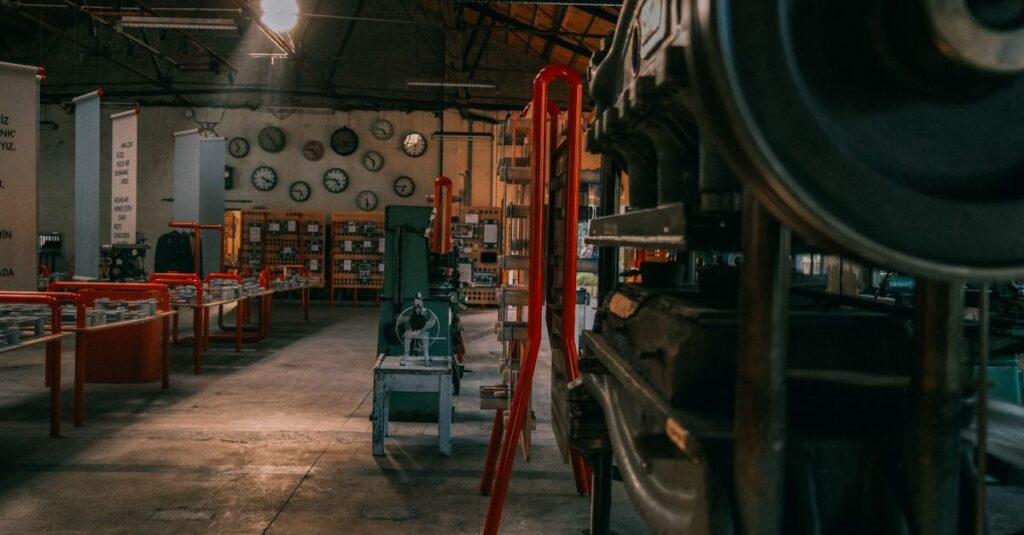
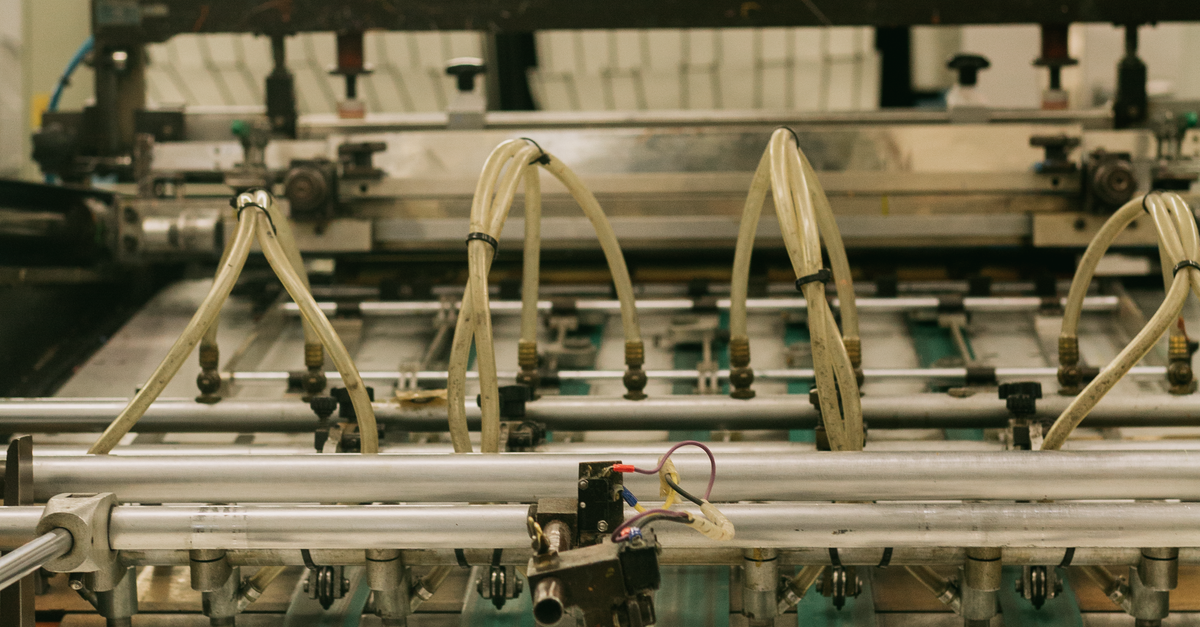
I watched this process last week. The machine was running at full speed — maybe 40 notebooks per minute. The operator barely touched it. That's the difference AM Print makes. Less human error, more predictable output.
But here's the thing — most people don't realize that AM Print works best on coated paper. Uncoated pages absorb ink differently, and you lose some sharpness. So if you're ordering notebooks for corporate diaries with high-end covers, ask your supplier if they use coated stock for the cover print.
Expert Insight
I remember back in 2018, we had a big export order for a Gulf client. 50,000 diaries. They wanted their logo in metallic gold on a dark cover. The old method would need three separate runs — gold foil can't be layered like regular ink. But AM Print allowed us to print a gold-effect base layer using a metallic ink blend, then overprint clear for shine. It wasn't foil, but it looked damn close. The client never complained. Sometimes the machine teaches you a trick you didn't plan.
Why Bulk Buyers Prefer AM Print
If you're ordering 10,000 notebooks, you care about two things: cost per unit and consistency. AM Print delivers both.
Let me give you a real scenario. Priya Sharma, 34, works as a procurement manager for a chain of 20 schools in Hyderabad. She orders 150,000 notebooks every year. She told me last month — over chai, not email — that she switched to a supplier offering AM Print because the previous vendor's offset printing varied so much between batches. “The blue was sometimes purple,” she said. “Kids don't care, but parents notice.” That's not a story I invented. It's true. And it happens every day.
AM Print doesn't completely eliminate variance — no printing method does — but it keeps it within acceptable limits. For school notebooks, that's enough.
AM Print vs Offset vs Digital — A Quick Comparison
| Feature | AM Print | Offset Printing | Digital Printing |
|---|---|---|---|
| Setup time | 30–45 minutes | 1–2 hours | 5–10 minutes |
| Cost per unit (large runs) | Low (₹0.20–0.35 per cover) | Moderate (₹0.40–0.60) | High (₹1.00+) |
| Color consistency | Excellent | Good | Very good |
| Best for quantity | 500–50,000 units | 10,000+ units | 1–500 units |
| Paper compatibility | Coated & uncoated | Most papers | Most papers |
| Lead time (bulk) | 10–15 days | 15–20 days | 5–7 days |
The table makes it obvious. AM Print sits in a sweet spot for mid-to-large runs. It's not the cheapest for huge offset quantities, but it's faster and more flexible. For most school and corporate orders, it's the right choice.
Common Misconceptions About AM Print
I hear these three things all the time:
- “AM Print is just offset with a fancy name.” No. Offset uses plates with fixed image areas. AM Print uses automated plate changing and laser registration. Different machinery entirely.
- “It's too expensive for simple notebooks.” Actually, the automation reduces labor cost. For orders above 500 pieces, it's often cheaper than traditional offset because setup time is shorter.
- “You need special paper.” Not really. AM Print works on standard 54 GSM writing paper, but the best results come with a light coating on the cover. Ask your supplier about coated front pages.
I thought the second one was wrong too, until I ran the numbers last year. A 20,000-unit order of ruled notebooks with one-color logo print: AM Print came in 18% lower than offset. I didn't believe it either. But the calculator doesn't lie.
When NOT to Use AM Print
I don't want to oversell it. AM Print isn't perfect for everything.
If you need full-color photographs on every page — like an art book — digital or offset will give you better detail. AM Print handles solid colors and logos well, but photographic gradients can look blocky.
Also, if you're ordering fewer than 200 notebooks, digital printing is more economical. The setup cost of AM Print doesn't make sense for tiny runs.
And one more thing — AM Print machines require regular maintenance. A poorly maintained machine will show streaks or banding. So when you're evaluating a manufacturer, ask them when they last serviced their AM Print unit. If they hesitate, walk away.
FAQs About AM Print in Notebook Manufacturing
Frequently Asked Questions
What does AM Print stand for?
AM Print stands for Automated Multi-Color Print. It's a printing method where the machine automatically aligns color plates and manages ink flow, reducing setup time and improving consistency for bulk notebook orders.
Is AM Print suitable for small orders?
Not really. For orders under 200 notebooks, digital printing is more cost-effective. AM Print shines when you need 500 to 50,000 pieces with good color consistency and reasonable per-unit cost.
Can AM Print be used for school notebooks?
Absolutely. Many schools order custom cover notebooks with their logo and school name. AM Print handles one- or two-color prints efficiently. We at Sri Rama Notebooks use it for exactly that.
Does AM Print work on spiral binded notebooks?
Yes. The printing happens on flat sheets before binding. So whether you need stitched, spiral, or perfect binding, AM Print gives you the same quality on the cover.
How long does an AM Print bulk order take?
For a typical 10,000 notebook order, expect 10–15 working days. This includes printing, drying, binding, and quality checks. Rush orders are possible but may incur extra cost.
Final Thoughts
AM Print isn't magic. It's just a smarter way to print notebooks at scale. If you're tired of inconsistent color or long lead times, it's worth asking your supplier about.
I don't pretend AM Print is the answer for every project. But for the kind of orders we handle — school notebooks, corporate diaries, account books — it makes a real difference. And knowing what it is puts you in a better position when negotiating with manufacturers.
Still wondering if AM Print fits your next order? Talk to us at Sri Rama Notebooks — we'll walk you through the options. No pressure. Just honest answers.