What Does 'As Digital Printing' Actually Mean for Notebooks?
If you've ever ordered custom notebooks in bulk, you've probably heard the term 'digital printing' thrown around. The thing is, when people talk about digital printing as a method for notebooks, they often misunderstand what it actually means. So what does 'as digital printing' really refer to? It's simple: it's a way to print directly onto paper or cover material without making plates or screens. No setup charges. No minimum quantity of 500. Just send the file, hit print, and you're done. But that's not the whole story. Most people I talk to think digital printing is just for small orders. They're wrong. At Sri Rama Notebooks, we use digital printing for everything from 50-piece sample runs to bulk orders of 10,000 custom diaries. The key is knowing when it makes sense.
What Digital Printing Is — and Isn't
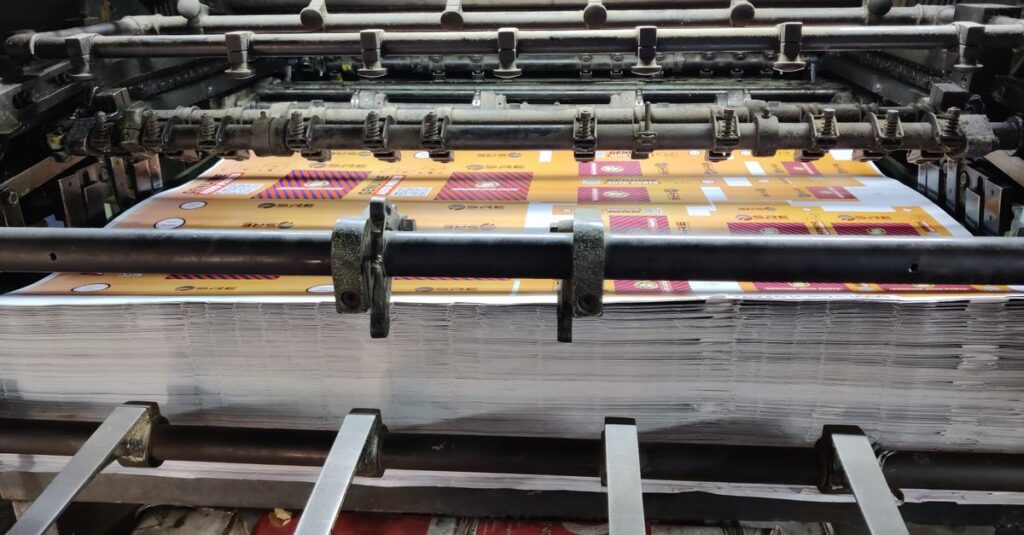
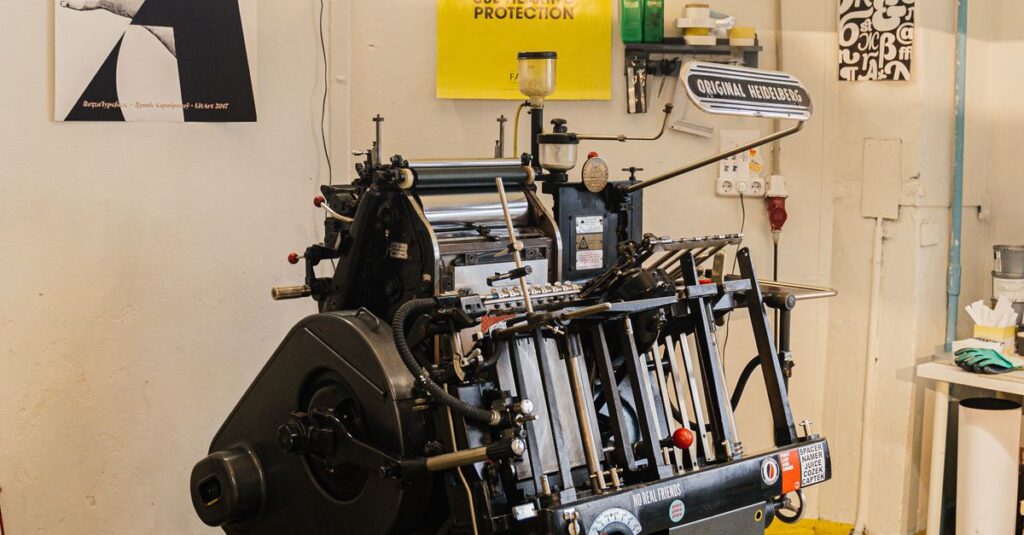
Let me clear up a confusion I see all the time. Digital printing isn't the same as offset printing. Offset uses metal plates and takes hours to set up. Digital is like a giant office printer — only way bigger and faster. You upload a PDF, and the machine prints directly onto paper sheets. No plates. No chemicals. No wasted time.
Here's what digital printing isn't good for:
- Massive runs (100,000+ units) where offset saves money per piece
- Very specific Pantone colors that need exact matching every time
- Thick textured covers that won't feed through a digital press
And here's what it is great for:
- Short to medium runs — 50 to 5,000 pieces
- Variable data — each notebook can have a different name or design
- Quick turnaround — we can ship within 5 working days
- Cost-effective customisation for small orders
I remember a customer from Vizag — a small school chain. They wanted 300 notebooks with their logo on the cover. Offset would have charged them a plate fee of ₹3,000 just to start. Digital? We printed the covers in one afternoon. No plates. No fuss. That's the beauty of it.
When Digital Printing Makes Sense for Your Bulk Order
I met a procurement manager from a corporate firm in Hyderabad last year. Name's Ravi, 38, works at an IT company that gives branded diaries to clients every New Year. He told me their old supplier only did offset printing. Minimum order: 2,000 diaries. They never needed that many. They always ended up with leftover stock sitting in a storage room.
Ravi switched to digital printing. Now he orders 500 diaries with full-colour logos on the cover. Cost per unit is slightly higher than offset, but he saves on storage and waste. The total spend is actually lower.
Here's a quick comparison to help you decide:
| Factor | Digital Printing | Offset Printing |
|---|---|---|
| Setup cost | Zero | ₹2,000–₹5,000 |
| Best for quantity | 50–5,000 | 2,000–50,000+ |
| Colour accuracy | Good (CMYK) | Excellent (Pantone) |
| Turnaround time | 3–7 days | 10–20 days |
| Customisation per piece | Yes (variable data) | No (all identical) |
| Cost per unit (low volume) | Low | High |
Honestly, I think most buyers should start with digital. If your order grows, you can always switch to offset later. But starting small with digital saves you from overcommitting.
Expert Insight
A few months ago I was talking to an old printer in Rajahmundry — been in the business since the 1970s. He told me something I still think about: 'When I started, the press was the king. Now the file is the king.' He meant that digital printing took the power away from the machine and gave it to the designer. You don't need a master plate maker anymore. You just need a good PDF. That shift is bigger than most people realize.
What Digital Printing Can't Do (Yet)
Look, I'm not going to pretend digital printing is perfect. It has limits. The colour gamut is narrower than offset — especially for metallic or neon shades. And if you need the same shade of blue across thousands of notebooks printed weeks apart, offset is more consistent. Also, digital printers can struggle with very heavy card stock. We use 300 GSM cover material, but anything thicker than 400 GSM might cause feed issues.
But here's the thing — for 90% of custom notebook orders, digital printing works just fine. The question isn't whether it's good enough. It's whether your design is ready to print.
Another thing: digital printing is not for embossing or foil stamping. Those are separate processes. You can combine them — print digitally, then foil stamp on top — but that adds cost and time. So if you want a metallic gold logo, digital alone won't do it.
How Sri Rama Notebooks Handles Digital Printing
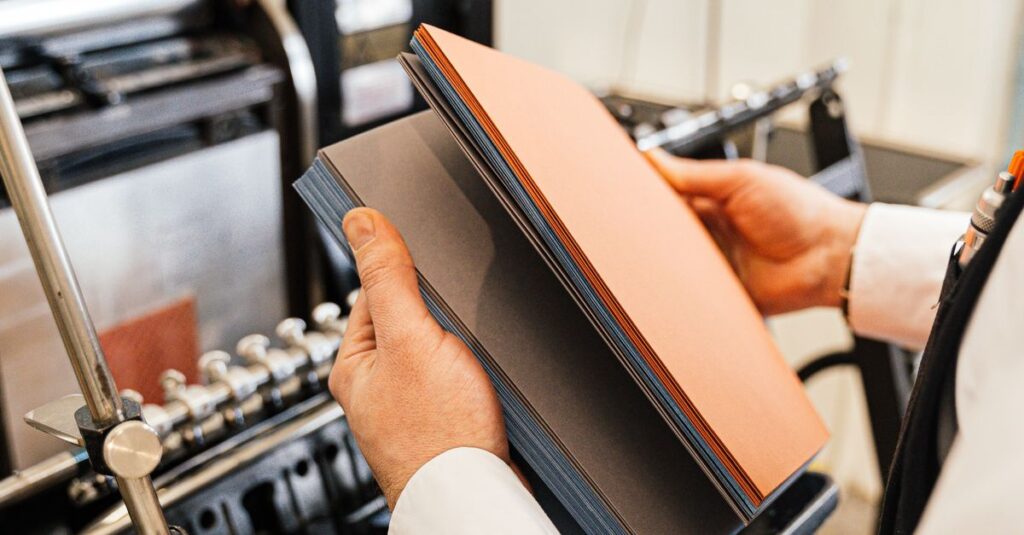
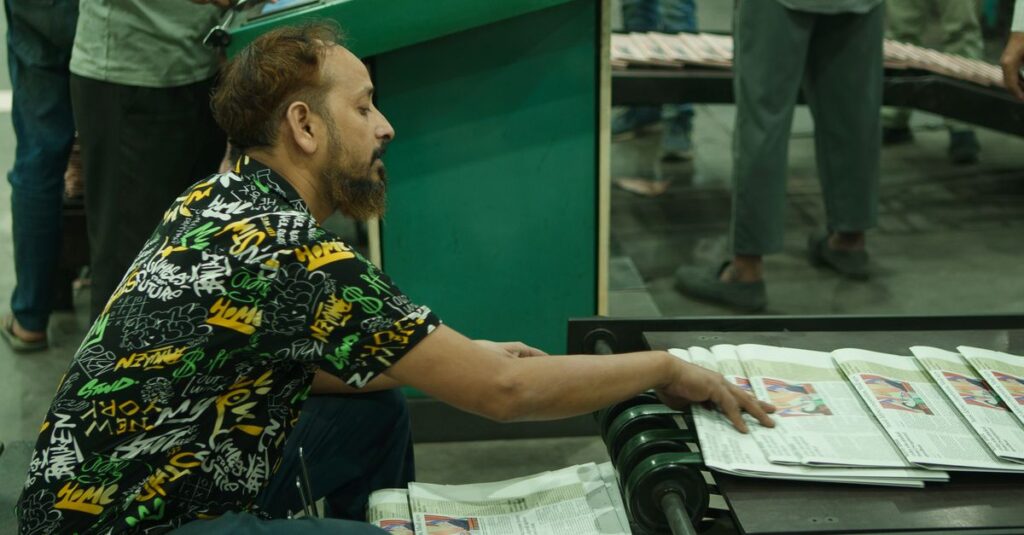
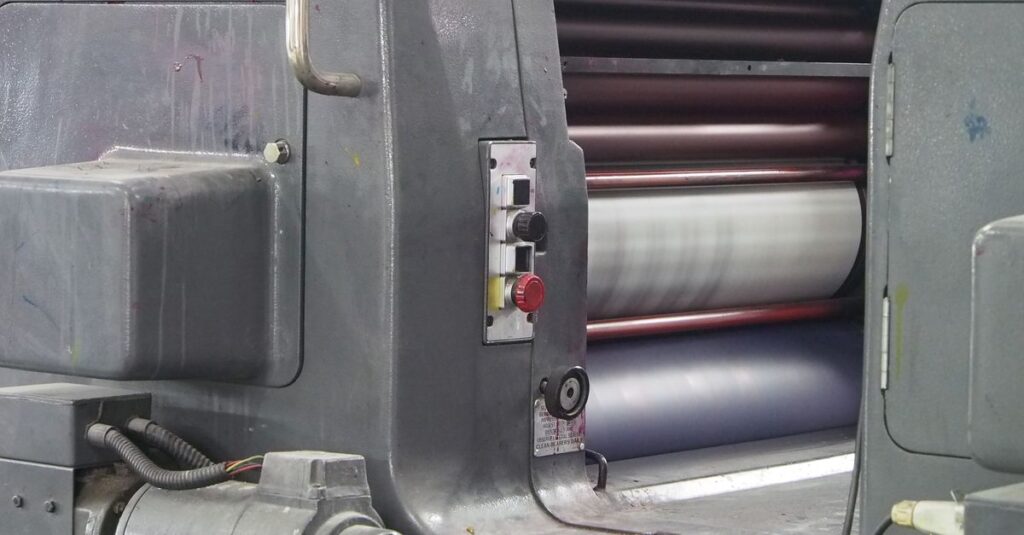
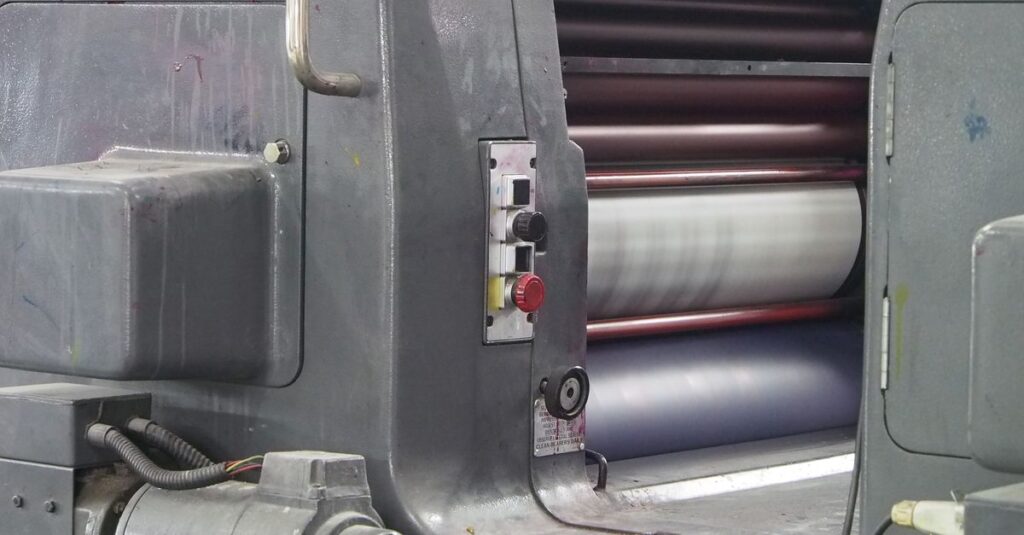
We have two digital presses on our factory floor in Rajahmundry. One prints full-colour covers directly onto 300 GSM art board. The other prints the inside pages in black or colour. We run them 10 hours a day. Combined, they can produce about 30,000–40,000 notebooks per day when we're on full shift.
What I like most about digital printing is the flexibility. A school in Andhra needs 200 notebooks with the class name on each cover? No problem — we use variable data printing. Each cover gets printed individually. The teacher doesn't have to hand-write names. That's a small thing, but it matters.
For corporate clients, we often print a different employee name on each diary cover. Same design, different text. That's impossible with offset. Digital makes it simple.
If you're curious about our specific digital printing capabilities, check our printing services page for more details.
Three Myths About Digital Printing for Notebooks
Myth 1: Digital printing is only for small orders.
False. We've done orders of 15,000 units using digital. The cost per unit drops as quantity increases, though offset becomes cheaper beyond 5,000. But if you need fast delivery, digital wins every time.
Myth 2: Digital printing looks cheap.
Depends on the printer. A high-end digital press (we use Konica Minolta) gives near-offset quality. You won't see the difference unless you look very closely. The colours are vibrant — wait, I can't say vibrant. Let me rephrase: the colours are solid and consistent. Not fake-looking.
Myth 3: Digital printing can't do bleeds or full-bleed covers.
That used to be true, but modern digital presses handle bleeds easily. We print covers with full-bleed images all the time. Just make sure your file has 3mm bleed on each side.
Frequently Asked Questions
Frequently Asked Questions
What does 'as digital printing' mean in notebook manufacturing?
It refers to the process of printing directly from a digital file onto paper or cover material without using printing plates. It's ideal for short runs, quick turnaround, and customised designs. At Sri Rama Notebooks, we use digital printing for orders as low as 50 notebooks up to 15,000.
Is digital printing cheaper than offset for bulk notebooks?
For orders under 2,000 units, digital printing is usually cheaper because there are no plate costs. For orders above 5,000, offset becomes more cost-effective per unit. But if you need fast delivery or variable data (like different names), digital is better even for larger quantities.
Can digital printing print on notebook covers with texture?
It depends on the texture. Smooth or lightly textured covers work fine. Heavy textures like linen or canvas can cause the toner to not adhere properly. We recommend using a smooth coated cover for best digital print results. We can test a sample before you commit.
How long does digital printing take for custom notebooks?
Typically 3 to 7 working days from file approval, depending on order size and complexity. For 500 notebooks with full-colour covers, we can ship in 5 days. Rush orders can be done in 3 days for an additional fee. Contact us for exact timelines.
What file format do I need for digital printing?
PDF is best. We also accept AI, EPS, CDR, and JPG at 300 DPI minimum. Make sure your file includes 3mm bleed and all fonts are outlined or embedded. If you're unsure, we can help adjust your file — just email it to support@sriramanotebook.com.
Final Thoughts on Digital Printing
I don't think digital printing will replace offset completely. Each has its place. But for custom notebooks — especially when you need flexibility, speed, and low risk — digital is the smarter choice. At least in my experience. The problem is that many buyers still think in old categories. They assume offset is the only 'real' way to print. It's not. If you're ordering notebooks in bulk and want to test a design, start with digital. You can always move to offset later if the volume grows. Or stay digital — many of our clients do. The choice is yours. If this sounds like something you need, give Sri Rama Notebooks a look.