The Real Problem With Math Notebooks (And Nobody's Talking About It)
Here’s the thing — ordering notebooks for a whole school or business isn't about picking a pretty cover. It's a supply chain headache. You need paper that doesn't ghost when someone writes in pen, bindings that survive a year in a backpack, and enough of them to land on every desk on the first day of term. And math notebooks? They're a whole different animal. Get the ruling wrong, and you've just created a year's worth of frustration for a thousand students. I've seen it happen.
The emotion when you search for this? It's not excitement. It's the quiet, practical stress of a procurement manager at 4:30 PM, staring at a spreadsheet of options, trying to balance cost, quality, and a delivery deadline that feels impossible. You're not looking for a blog. You're looking for a solution that doesn't waste your time. If that sounds familiar, this might be worth a look.
Anyway. Let's talk about what a math notebook actually is.
What Is a Math Notebook, Really?
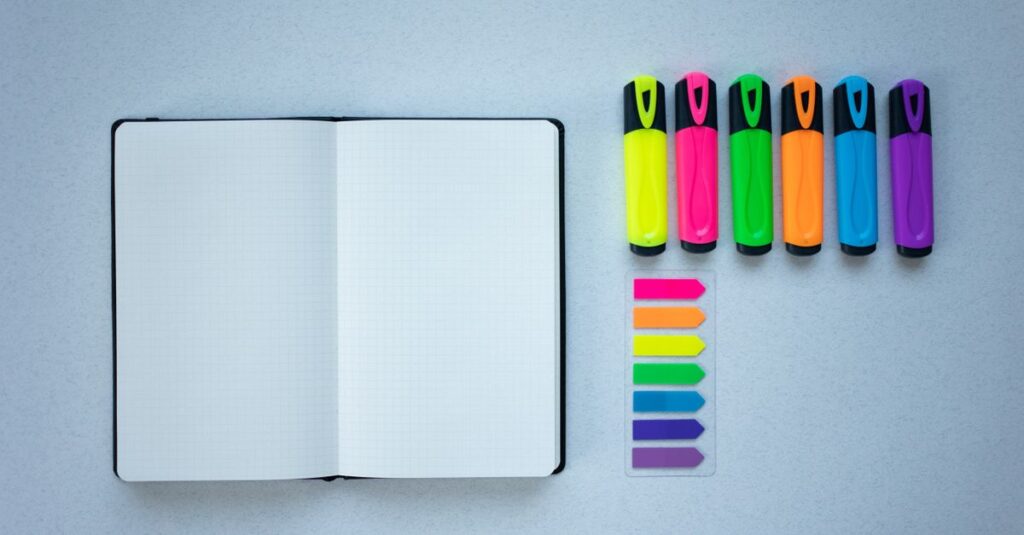
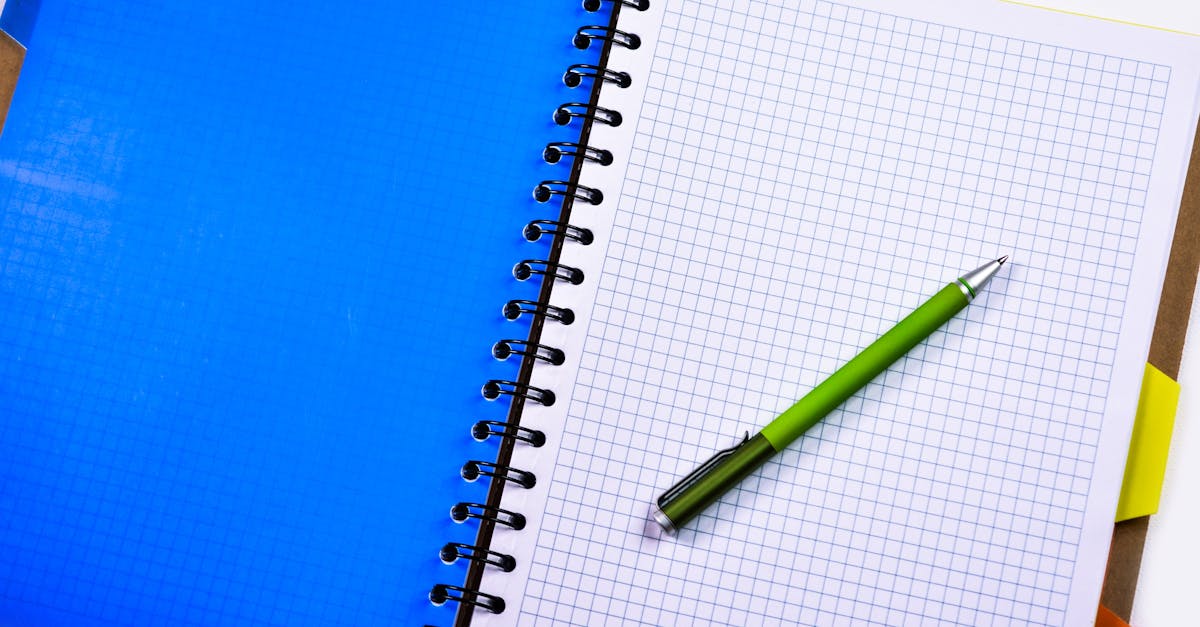
Most people think it's just a book with squares. Not quite. In the world of bulk manufacturing, a math notebook is a specific tool defined by its ruling, paper weight, and durability. It's engineered for pencil work, erasing, and diagrams — not for flowing cursive. The ruling, usually a grid of squares (we call it Cross Ruled or Graph ruling), provides a guide for plotting graphs, keeping columns neat in accounts, or drawing geometric shapes.
But the paper quality is the silent deal-breaker. Standard 54 GSM writing paper? It's fine for notes. For math, you need something a bit tougher. A student presses down with a compass or erases a calculation three times — flimsy paper tears. It's not just annoying; it makes the notebook useless halfway through. The binding matters too. A cheap staple job won't hold 200 pages of dense work. You need stitched binding. Every time.
And look — I think the biggest mistake buyers make is treating it as a commodity. It's a tool. Getting the wrong one is like handing a carpenter a butter knife. We've been making these for over 40 years, and the feedback is always the same: the good ones get used until the last page. The bad ones get abandoned by October.
Key Features You Can't Compromise On
Let me be direct. When you're evaluating a math notebook supplier, you need to check three things first. If they miss one, walk away.
1. The Ruling (It's Not Just Squares)
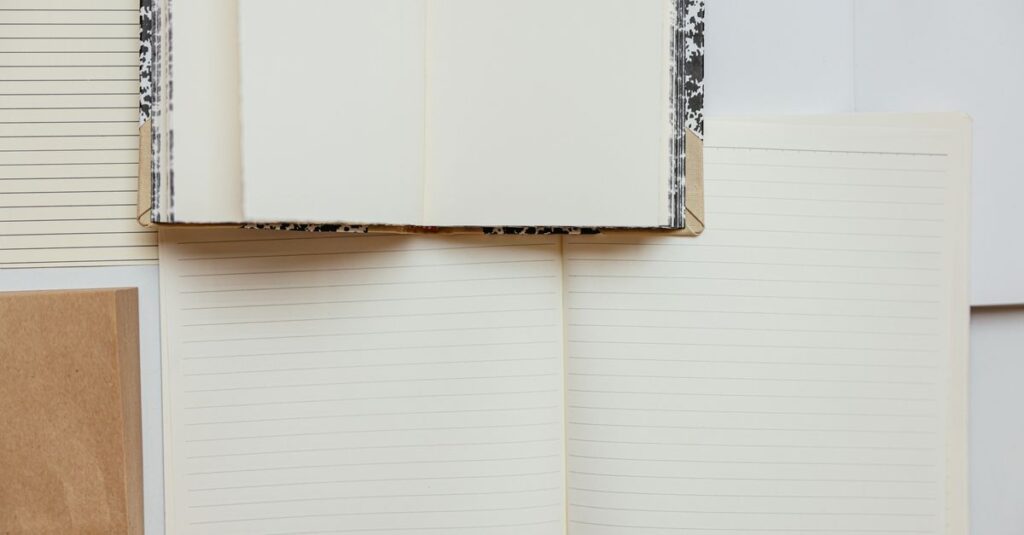
You'll see different codes. CR for Cross Ruled (the classic graph paper). FR for Four Ruled (often used in younger grades for number formation). For most secondary school and college math, accounting, or engineering, you want CR. The size of the squares matters — usually 5mm or 7mm. 5mm is denser, better for detailed graphs. 7mm gives more space. You need to ask.
- Cross Ruled (CR): The standard. Perfect for coordinates, geometry, matrices.
- Four Ruled (FR): Often used in primary math notebooks.
- Center Broad Ruled (CBR): A hybrid — broad lines with a center margin. Less common, but some institutions swear by it for organizing work.
2. Paper Weight & Quality
54 GSM is the baseline for writing. For a math notebook that sees heavy pencil use and erasing, you should be looking at 60-70 GSM paper. It feels thicker. It resists bleed-through from pens on the other side. This isn't a premium — it's a requirement for functionality. I was talking to a school principal in Vizag last month. She said they switched to 70 GSM two years ago, and their notebook replacement rate dropped by half. The notebooks lasted the full academic year.
3. Binding That Lasts
Spiral binding lays flat, which is great. But for a 200-page notebook, a strong stitched binding is more durable. It won't snag or get bent out of shape in a bag. Perfect binding (like a paperback book) is clean-looking for corporate or branded notebooks but isn't as tough for daily, rugged student use.
Here's a quick story that stuck with me. Ananya, 28, a procurement officer for a chain of coaching centers in Hyderabad. She ordered 5,000 notebooks based on price alone. The ruling was faint, the paper thin. By the third month, they were getting complaints. Parents were annoyed. Students were frustrated. She had to scramble for a mid-year re-order, which cost more in panic and logistics than if she'd just gotten it right the first time. The detail? She told me this over a rushed WhatsApp voice note, not some formal meeting. Just trying to fix a problem.
Math Notebook vs. General Subject Notebook: The Comparison
Don't assume they're the same. They serve completely different purposes. Here's the breakdown.
| Feature | Math Notebook | General Subject Notebook |
|---|---|---|
| Primary Ruling | Cross Ruled (CR) / Graph | Single Ruled (SR) / Broad Ruled (BR) |
| Paper Weight (GSM) | 60-70 GSM (recommended) | 54-60 GSM (standard) |
| Key Purpose | Calculations, graphs, diagrams, columns | Note-taking, essays, long-form writing |
| Binding Priority | Lay-flat durability (Spiral or Stitched) | Cost-effective neatness (Stitched or Perfect) |
| Common Page Count | 92, 200 pages (more working space) | 52, 92, 200 pages |
| Erasing Factor | Critical – paper must withstand erasure | Less critical |
The table makes it obvious. Using a single-ruled notebook for advanced math is like trying to build a house without a level. It just creates more work.
How to Order Math Notebooks in Bulk (Without the Stress)
Right. This is the part most guides gloss over. The actual process. From my experience working with hundreds of schools and distributors, here's how to not get lost.
Step 1: Define Your Exact Specs
Don't just say “math notebooks.” You need a spec sheet. Size (Long? King Size?), Page Count (200 pages is the sweet spot for a year), Ruling (CR, 5mm), Paper GSM (70), Binding (Stitched). Cover type (Single colour, printed, laminated). Get this wrong at the quote stage, and your final product will be wrong.
Step 2: Get Physical Samples
Any serious manufacturer will send you a sample book. Not a PDF. A physical book. Feel the paper. Try erasing on it. Open it flat. Test the binding. I don't care how good the website looks — if they won't send a sample, that's a red flag.
Step 3: Understand Lead Time & Logistics
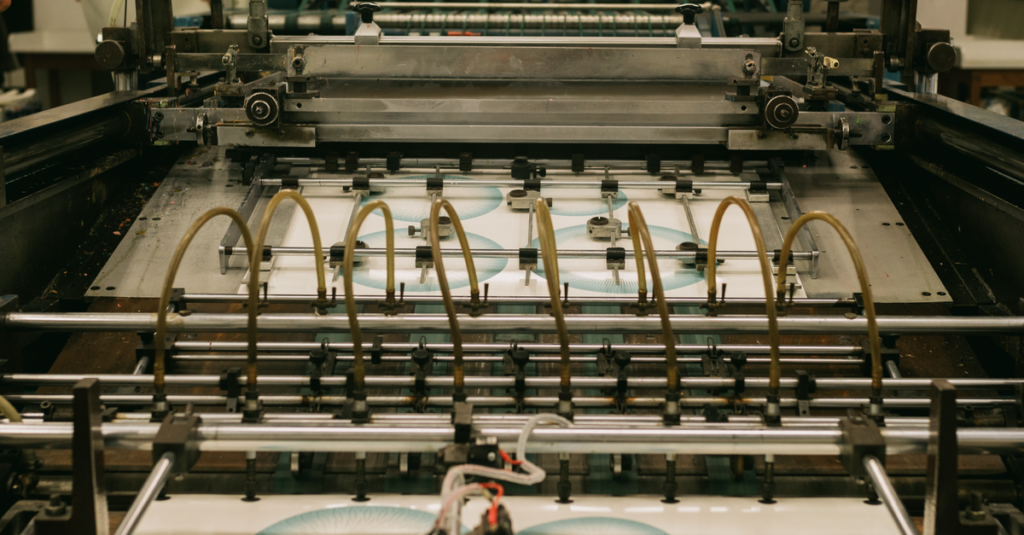
A custom print run for 10,000 notebooks isn't an Amazon Prime delivery. It needs production time. For a standard spec, a good factory like ours can turn around 30,000-40,000 units in a few days. But if you need custom logos, complex cover designs, or special packaging, factor in extra time. And ask about palletizing for shipment. Loose cartons get damaged.
Expert Insight
I was reading an industry report last year — one line stuck with me. It said that in institutional bulk buying, the total cost of ownership is often ignored for the sticker price. A cheaper notebook that falls apart means re-ordering, administrative hassle, and user frustration. The real cost is two or three times the invoice. The researcher said something like — the more capable a procurement team is, the harder it becomes to justify the initially higher quality spend. I don't have a cleaner way to put it than that. The math on quality rarely gets done until it's too late.
Customization: Your Logo, Your Rules
For businesses, corporate gifts, or schools wanting their crest on the cover, customization is where it gets interesting. This isn't just slapping a logo on. It's about creating a tool that represents your institution.
We can do custom cover designs in full colour, laminate them for protection, and even adjust the inside layout. Need a specific header on each page for the student's name and class? Done. Want the first few pages to have multiplication tables or important formulas? That's possible with our custom printing services. It turns a generic supply item into a branded asset. For corporate clients, a well-made custom math notebook or engineering pad says more about attention to detail than a cheap plastic pen ever will.
But. A word of warning. Every customization adds a step and time. Plan for it. Communicate your artwork clearly. And for god's sake, get a hardcopy proof before the full run goes to press.
Frequently Asked Questions
What is the best size for a school math notebook?
For most Indian schools, the Long Size (27.2 cm x 17.1 cm) is the standard workhorse. It gives ample space for calculations and diagrams without being too bulky. The King Size (23.6 x 17.3 cm) is also very popular and a bit more portable.
How many pages should a math notebook have?
For a full academic year, 200 pages is the most common and practical choice. It provides enough working space for daily use without needing multiple books. For shorter terms or specific projects, 92-page notebooks are a good option.
Can I get different coloured graph rulings?
Yes, absolutely. While the traditional graph ruling is in a light grey or blue ink, you can customize this. Common requests are for green or red grids. Just specify this during the quoting stage for your custom math notebook order.
What is the minimum order quantity for custom notebooks?
It varies by manufacturer. For a company like ours with large-scale production, we typically have MOQs that make sense for bulk institutional buyers — often starting at 500 to 1000 pieces for custom print runs. For truly massive orders like for government tenders, we scale up daily.
Do you export math notebooks internationally?
We do. We regularly supply bulk notebooks to the Gulf, Africa, the USA, and other markets. The key is understanding export packaging (sea-worthy cartons, palletization) and the required documentation. We handle that end-to-end.
The Final Tally
So, the main takeaways? A math notebook is a precision tool, not stationery. Focus on the ruling, the paper weight, and the binding. Never skip the physical sample. And calculate the real cost — not just the price per book, but the cost of it failing halfway through its job.
I don't think there's one perfect notebook for everyone. Probably there isn't. But if you've read this far, you already know the specs you need — you're just figuring out who can deliver them reliably, on time, and without drama. That's the real calculation. If you want to talk specs and get a real sample in your hands, reach out to us. We've got the machines running.