So You Need A4 Spiral Notebooks. Let’s Talk Reality.
Here’s the thing — “notebook a4 spiral” sounds straightforward. It’s a simple search. But if you’re a procurement manager, a school administrator, or a distributor typing those words, you’re not just looking for a definition. You’re in the middle of a purchase order. You’re staring at a budget sheet. You’re trying to figure out if this is the right spec for 500 students or 1000 corporate attendees. And the last thing you need is fluff.
You need to know what you’re actually getting, if it’ll last, and how much it’ll cost you in bulk. That’s the real intent. That’s the headache.
I’ve been making notebooks for decades, and the questions around A4 spirals are always the same. Let’s cut through the noise. If you’re sourcing for your business or institution, our notebook product line might have what you’re looking for.
What Is An A4 Spiral Notebook, Actually?
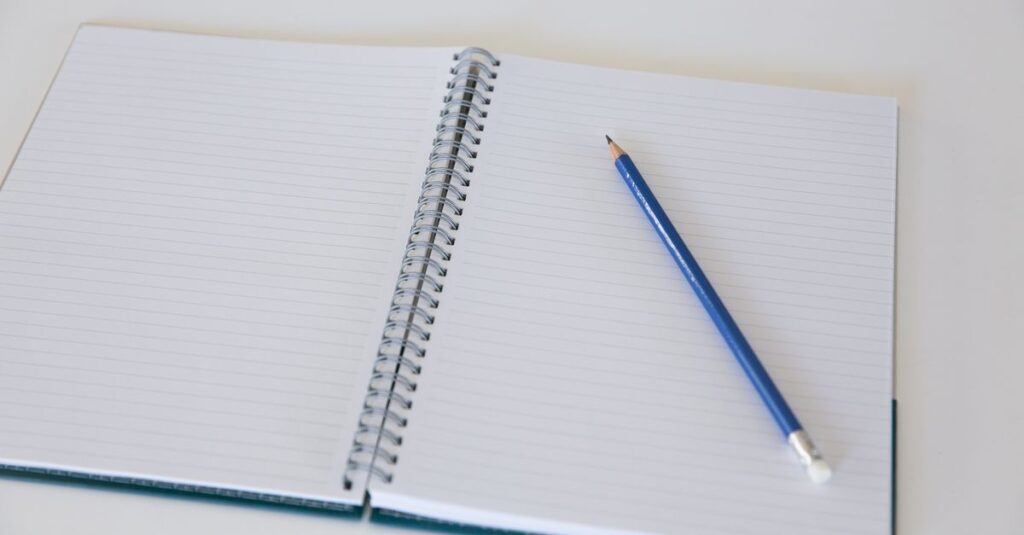
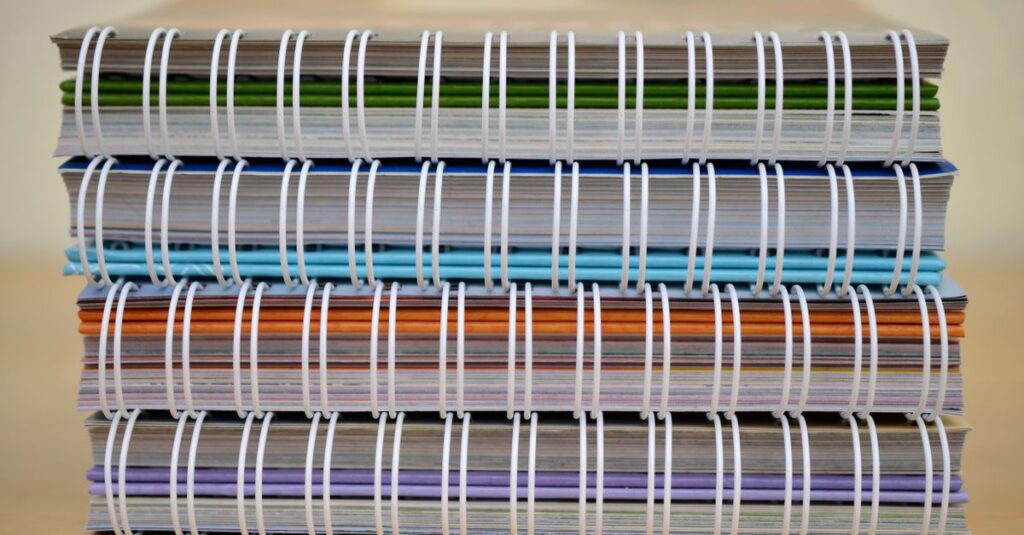
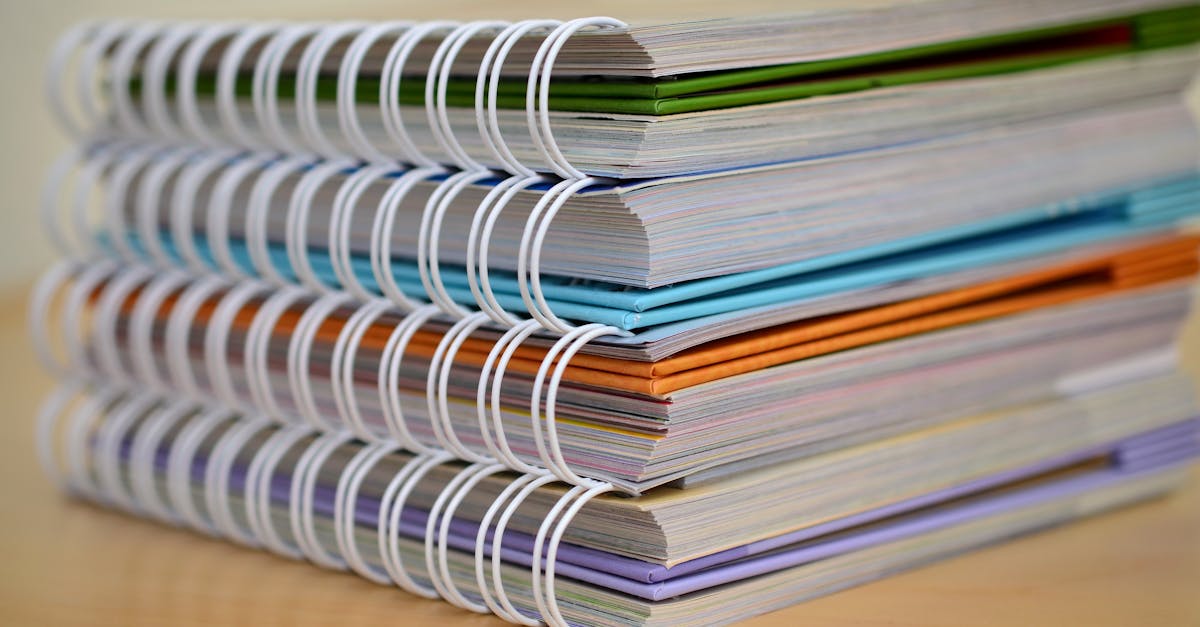
Right. Let’s define it, but not like a dictionary. In practical terms, an A4 spiral notebook is a bound book of A4-sized paper (that’s 29.7 cm x 21.0 cm, or about 11.7 x 8.3 inches) held together by a plastic or metal coil running through prepunched holes along the side. It’s the standard workhorse for offices, universities, and anyone who needs space to think on paper.
But here’s where people get tripped up. “A4” is an international paper size standard. It’s not a brand. It’s not a fancy feature. It’s a specific dimension that ensures compatibility with printers, folders, and filing systems. When you order A4, you’re ordering a predictable, universal size.
And the “spiral”? That’s the binding. It’s a continuous coil that allows the notebook to lay perfectly flat. No fighting the spine. No losing text in the gutter. You can fold it right back on itself. For note-takers, artists, or anyone who needs to use the entire page, that flat lay is everything. It’s a functional choice, not just an aesthetic one.
The question isn’t whether you need a notebook. It’s whether a flat-laying, standard-sized work surface is what your team or students actually need.
The Real-Life Use Cases: Who Needs These & Why
Look, I’ll be direct. Not every notebook fits every job. You wouldn’t give a sketchbook to an accountant. So who’s the A4 spiral for?
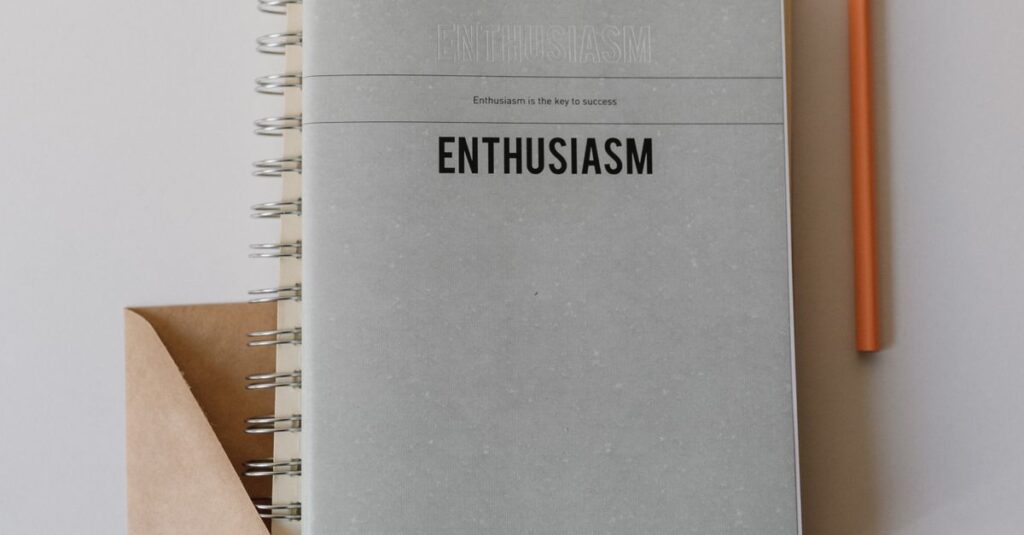
Think about corporate training sessions. Handing out branded notebooks. The A4 size feels substantial, professional. The spiral binding means attendees can easily write on both sides of the page during lectures. It lies flat on those narrow seminar tables. We’ve supplied thousands for exactly this — companies wanting their logo on a useful giveaway that doesn’t feel cheap.
Then there are universities and graduate programs. The amount of notes, diagrams, and research snippets is massive. A4 provides the real estate. Students clip in printed A4 handouts next to their notes. The spiral copes with being shoved in a backpack and opened a hundred times a day. I was talking to a college supplier last week — over a very rushed coffee — and he said the main complaint about cheaper stapled books is pages ripping out. Spirals handle the abuse.
And government offices. Seriously. The amount of forms, minutes, and draft documents that get worked on by hand? A4 is often the mandated size for official paperwork. A spiral book becomes a chronological, tamper-evident record of meetings. It’s about audit trails as much as note-taking.
Take Ananya, 28, a project manager in Hyderabad. She orders for her tech firm’s onboarding kits. “The new hires get a laptop, a handbook, and this notebook,” she told me. “The notebook is the only thing they all use instantly. In every meeting. For every plan. If it doesn’t lay flat, they stop using it.” She didn’t care about the color. She cared about the function. That’s the detail most catalogs miss.
Anyway. Where was I.
Spiral Binding vs. Everything Else: The Honest Breakdown
People ask: “Is spiral binding better?” It’s not better. It’s different. It serves a specific purpose. Let me show you what I mean.
| Feature | Spiral/Coil Bound | Perfect Bound (Glued) | Stitched/Saddle Stitched |
|---|---|---|---|
| Lays Flat | YES. Perfectly. | Rarely. Fights you. | Sometimes, but not fully. |
| Durability | Very High. Coil can bend back. | Moderate. Spine glue can crack. | Low for high page counts. Pages pull out. |
| Page Count Capacity | High. Can do 200+ pages easily. | Very High. Good for thick books. | Low. Best for sub-100 pages. |
| Perceived Value | Professional, functional. | Book-like, formal. | Standard, economical. |
| Cost (Bulk Manufacturing) | Moderate. Added coil/punching step. | Often lower. Simple gluing. | Lowest. Fast to produce. |
| Ideal For | Note-taking, workbooks, art, frequent use. | Reference manuals, journals, final reports. | Short-term notebooks, flyers, thin booklets. |
See? If flat-lay and durability for active use are your top priorities, spiral is the only real choice. If you want a sleek look for a gift diary, perfect binding wins. It’s about matching the binding to the book’s job. Most of our custom printing clients come to us with a use case first, and we figure out the binding second.
Expert Insight
I was reading an old trade magazine last month, and one line from a designer stuck with me. She said something like — the binding is the most intimate part of the notebook’s design. It’s the part the user interacts with physically, every single time they open it. Get it wrong, and the quality of the paper, the beauty of the cover… none of it matters. The coil is the handshake. If it’s stiff or cheap, you’ve lost them. I don’t have a cleaner way to put it than that. It’s the first point of trust.
What Bulk Buyers Need to Know Before Ordering
This is where the corporate and institutional buyers need to focus. Ordering 50 notebooks is one thing. Ordering 5000 is a different game. The specs matter more. The cost of a mistake is multiplied.
First, paper GSM. For a standard A4 writing notebook, you’re typically looking at 70-80 GSM paper. It’s thick enough to prevent serious bleed-through from pens, but not so thick it makes the book bulky and expensive. 54 GSM is common for school exercise books, but for corporate A4 spirals? It feels too flimsy. Go thicker. It signals quality.
Second, coil diameter. More pages need a wider coil. A 200-page A4 book needs a 25mm coil to allow smooth turning. A supplier using a 15mm coil on that count is setting you up for pages that bind and tear. Ask the question.
Third — and this is critical — customization. Your logo on the cover. A header on each page. Custom rulings. This is where working directly with a manufacturer changes everything. You’re not stuck with a distributor’s generic stock. You can build the exact tool you need. The process for this isn’t magic. It’s just communication. You send a design. We talk about paper and coil. We produce a sample. You approve. Then we run your bulk order. It’s probably the biggest value we add for B2B clients.
Look, the market is flooded with cheap imports. But for bulk, you need consistency. You need every notebook in the shipment to be identical. You need them to arrive on time, packed securely. That’s where a specialized manufacturer with a long history, like ours, takes the edge off the risk. You’re not just buying paper and plastic. You’re buying reliability.
The Manufacturing Angle: How We Actually Make Them
I think — and I could be wrong — that knowing a bit about the process helps you buy smarter. It demystifies the price.
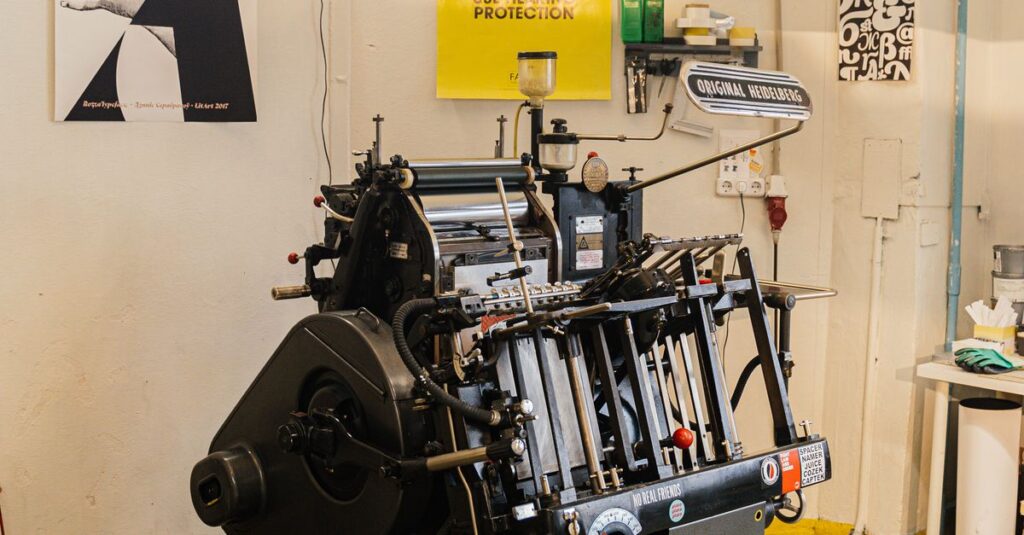
It starts with the A4 sheets. Giant rolls of paper are cut precisely to 29.7cm x 21.0cm. Then they’re printed, if needed. Ruling lines, margins, headers. This is where your custom text goes. After printing, the sheets are collated into sets — 50 sheets for 100 pages, 100 sheets for 200 pages.
Then the pile goes to the punching machine. A die punches a line of holes along the left edge. Precision here is non-negotiable. If the holes are off by a millimeter, the coil won’t thread, or the pages will catch.
Next, the coil winding machine. A plastic coil wire is fed through the holes and crimped at both ends. This is the moment it becomes a spiral notebook. The cover — already printed and laminated — is added during this step.
Finally, quality check, packing, boxing. It’s a rhythm. When you’re producing 30,000-40,000 units a day, that rhythm has to be perfect. Every step is a chance for a defect. A good manufacturer’s job is to eliminate those chances before the box is sealed.
Earlier I said the coil is a handshake. The manufacturing process is the promise behind it.
Frequently Asked Questions
What is the standard page count for an A4 spiral notebook?
There’s no single “standard,” which is why you specify. Common bulk configurations are 100 pages (50 sheets), 200 pages (100 sheets), and 240 pages (120 sheets). It depends entirely on use. For corporate notetaking, 200 pages is a popular, substantial choice.
Can A4 spiral notebooks be custom printed with our company logo?
Absolutely. This is one of the most common requests we get. You can print your logo, brand colors, and even custom text on the cover. We can also print internal headers or footers on every page. It’s a straightforward process once we have your design files.
Are plastic coils or metal coils better for A4 notebooks?
For most writing applications, high-quality plastic coils are excellent. They’re durable, flexible, and come in colors. Metal coils are stronger but can bend out of shape permanently and aren’t as common for general office/school use. We recommend plastic for 99% of cases.
What paper quality (GSM) is best for an A4 spiral notebook?
For a professional feel that minimizes ink bleed-through, 70-80 GSM paper is the sweet spot. It’s substantial without being wasteful. Cheaper notebooks use 60 GSM or less, which feels flimsy. For sketching or heavy marker use, you’d go even thicker, like 100+ GSM.
What’s the minimum order quantity (MOQ) for custom A4 spiral notebooks?
This varies by manufacturer. For a full custom job (unique cover, page printing), our MOQ typically starts at 500 pieces. For larger bulk orders like schools or nationwide corporate gifts, we scale into the tens of thousands. The more you order, the lower the per-unit cost.
Wrapping This Up
So, an A4 spiral notebook. It’s a specific size. It’s a specific binding. But what you’re really buying is utility and durability for the people who will use it. For the procurement manager, it’s about value for money and flawless execution of a bulk order. For the end-user, it’s about a tool that doesn’t get in the way of their work.
The key takeaways? Know why you need the flat lay. Don’t skimp on paper GSM if you want it to feel professional. And if you’re ordering in volume, talk directly to the maker. It cuts out the guesswork.
I don’t think there’s one perfect notebook for everyone. Probably there isn’t. But if you’ve read this far, you already know what your organization needs — you’re just figuring out how to source it reliably. If you want to discuss what a custom run looks like, get in touch with us. We can make that sample.