Introduction
You’ve got a stack of quotes from suppliers, a budget that’s tighter than you thought, and a deadline that’s creeping closer every day. Maybe you’re a school administrator trying to order notebooks for a thousand students before term starts. Or a procurement manager trying to source corporate diaries for the upcoming year. Or maybe you’re a wholesaler wondering if the numbers on that sheet actually make sense.
The thing about buying notebooks and paper in bulk is that it’s supposed to be simple. It’s not. The cost per unit looks fine, but then the paper quality is a gamble. The binding looks sturdy in the picture, but snaps after a month. And the delivery date? That’s a story you don’t want to hear. I’ve seen this happen enough times. It’s not about price. It’s about everything that happens after you place the order.
If you’ve been down this road before, you’re probably looking for a way to make the next order less of a headache. Honestly, that’s the whole point. That’s why we’ve been doing this for four decades. You can see what that looks like on our site if you’re curious.
What you’re actually buying (and what you’re not)
When someone sends you a quote for “notebook and paper”, they’re selling you a promise. The notebook part is obvious. But the paper part is where the real conversation happens. Or doesn’t. I mean, 54 GSM paper sounds standard. But 54 GSM paper that’s brittle and tears when a student tries to erase a mistake isn’t standard at all. It’s cheap.
And the ruling? Single ruled, double ruled, four ruled, cross ruled. It’s not just lines on a page. It’s about whether a kid can write neatly without the ink bleeding, or whether an accountant can make entries without the columns feeling cramped. It’s functional. But most suppliers treat it like decoration.
Expert Insight
I was talking to a school principal from Hyderabad last month. Over a very rushed phone call, actually. He said something I keep thinking about. He said, “We don’t need the best paper in the world. We need paper that doesn’t make the teachers complain every September.” That’s it. The goal isn’t luxury. It’s reliability. The kind that doesn’t show up in a marketing brochure.
Anyway.
The three things that go wrong (and how to spot them early)
Look, I’ll just say it. Most bulk notebook orders go fine. But the ones that go wrong follow a pattern. And you can see it coming if you know what to ask.
First, the paper weight mismatch. The supplier says 60 GSM. You get 50 GSM. The difference isn’t just numbers. It’s a notebook that feels flimsy, that doesn’t sit right in a bag, that shows every crease. You can ask for a sample cut-off. A small square of the actual paper they’ll use. Not the finished notebook. The raw paper. Feel it. Try writing on it. Then try erasing.
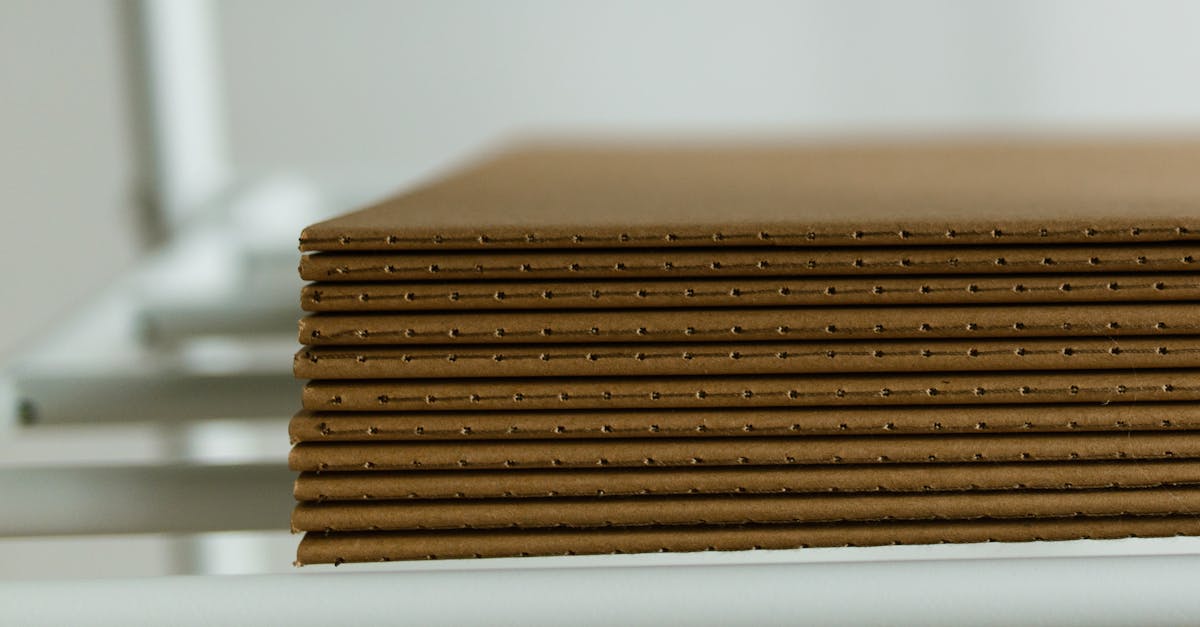
Second, binding failures. Stitched binding should hold for years. Spiral binding should let pages turn without catching. Perfect binding should look clean. But if the glue is weak or the wire is thin, it fails. Fast. Ask how they test it. Seriously. “Do you actually drop a batch from a table height to see if it comes apart?” Most don’t. We do. Because a school bag isn’t a gentle place.
Third, delivery delays. This is the classic. The date on the quote is optimistic. The date on the ground is… flexible. The only real way to gauge this is to ask about their current production load. Not their capacity. Their actual daily output right now. If they’re running at 90% capacity, your order will wait. If they’re at 50%, it might move faster.
Here’s a micro-story that isn’t rare. Anitha, 42, procurement manager for a mid-sized corporate firm in Chennai. She ordered 500 custom diaries for a client event. The sample was perfect. The bulk order arrived with covers slightly misaligned, the gold foil printing smudged on 30% of them. The event was two weeks away. She had to accept the delivery, pay the invoice, and then spend three days manually checking each diary, setting aside the defective ones. She didn’t have a choice. The supplier’s “quality check” was a stamp on a packing list.
That’s the quiet cost of a bad bulk order. It’s not just money. It’s your time, your reputation, and your peace of mind.
A4, A5, Long, Short – Why size matters more than you think
Okay, let’s talk sizes. Because this is where most confusion lives. A4 is standard for offices. A5 is common for personal diaries. Long notebooks (27.2 cm × 17.1 cm) are the default for Indian schools. Short notebooks (19.5 cm × 15.5 cm) are for younger students. Crown size, account book size – they all exist for a reason.
But here’s the thing. When you’re ordering for an institution, the size isn’t just a preference. It’s a system. Schools have storage cabinets designed for Long notebooks. Accountants have filing systems built for Account book dimensions (33.9 cm × 21 cm). If you switch sizes arbitrarily, you break the system. The notebooks don’t fit. They stack wrong. They look wrong on the shelf.
I think the most common mistake I see is businesses ordering A4 corporate diaries because it’s “professional”, but then realizing their employees carry A5 bags. The diaries stay on the desk. Unused. Size is functional. Not aesthetic.
If you’re unsure, just ask the end-user. The teachers. The accountants. The sales team. They know what fits their workflow. Not what fits a catalog.
Customization – What’s possible and what’s just a sales pitch
Custom printed notebooks. Private label manufacturing. Logo printing. These words sound great on a website. But the reality is messier.
True customization means you can choose the cover material, the paper inside, the ruling, the binding, the page count, and the packaging. And each of those choices has a cost and a timeline. A sales pitch often glosses over the timeline part. “Yes, we can do a custom cover design!” But that means a new plate for printing, a test run, approval, then production. That’s 10 extra days minimum.
Private label means your brand name is on the cover, maybe on the back page. But it also means the notebook itself is your responsibility. If the binding fails, it’s your brand that looks bad. So you need to trust the manufacturer’s process, not just their printing machine.
And logo printing? It’s not just slapping a logo on a standard notebook. It’s about color matching, placement, and finish. Foil printing looks premium but needs a specific paper coat. Digital printing is faster but can fade. Offset printing is sharp but needs volume.
The question isn’t “Can you customize?”. It’s “How will you customize, and what does that change about the delivery and the cost?”. Always ask for a physical sample of the custom element before you approve the bulk order. Not a digital mockup. A real, printed, bound sample.
Notebook manufacturing vs. notebook assembly
This is the part nobody says out loud. A lot of suppliers are assemblers. They buy paper from one mill, covers from another printer, binding material from a third vendor. They put them together. That’s assembly.
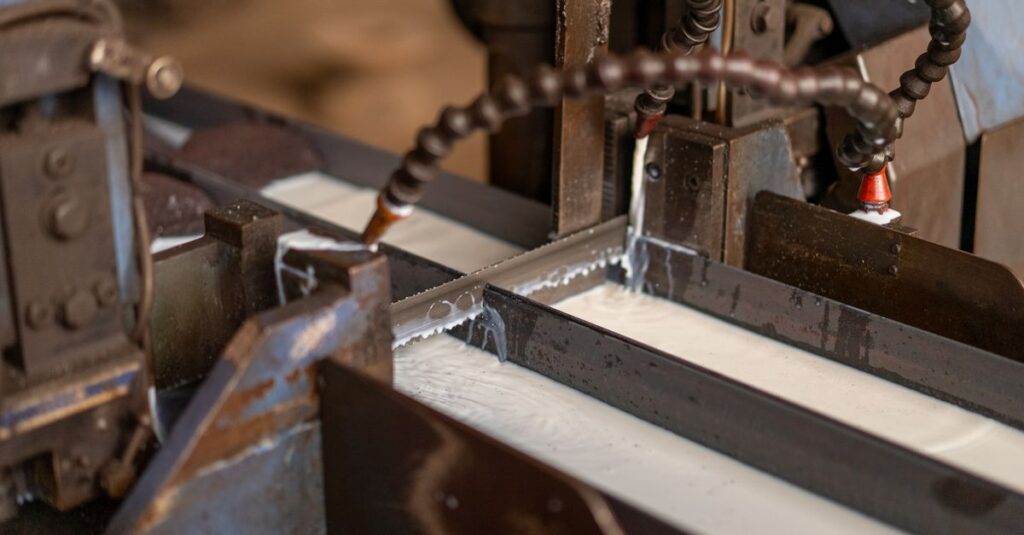
Manufacturing is different. It means controlling the paper sourcing, the cutting, the ruling printing, the binding, and the finishing in one flow. The advantage isn’t just quality control. It’s consistency. Batch 1 looks like Batch 1000. The paper feels the same. The binding strength is the same.
When you’re buying 10,000 notebooks for a school district, you need that consistency. You can’t have one batch with smooth paper and the next with rough paper. The students will notice. The teachers will complain.
So how do you tell? Ask about their mill source. Ask if they do the ruling printing themselves or outsource it. Ask where the binding thread/wire comes from. If they hesitate, they’re probably assembling. If they answer directly, they’re probably manufacturing. It’s a simple, brutal filter.
| Feature | Notebook Assembler | Notebook Manufacturer |
|---|---|---|
| Paper Source | Multiple vendors, can vary between orders | Direct from mill or controlled single source |
| Quality Consistency | Batch-to-batch differences likely | High consistency across large orders |
| Production Control | Dependent on vendor timelines | Integrated process, predictable schedule |
| Customization Flexibility | Limited by vendor capabilities | Higher flexibility in paper, ruling, binding |
| Problem Resolution | Slow, multiple parties involved | Fast, single point of responsibility |
| Cost Structure | Hidden margins from multiple vendors | Transparent, based on integrated cost |
Which one should you choose? If you need a small, one-off order with a unique cover, an assembler might be fine. If you need 5,000 identical notebooks delivered on the same date every year, you need a manufacturer. The headache difference is real.
And if you’re looking at the manufacturer route, our production details might give you a clearer picture of what that actually involves.
Page count and ruling – The quiet details that define usability
52 pages. 92 pages. 200. 240. 320. 700. These aren’t random numbers. They’re choices.
A 52-page notebook is light, cheap, and perfect for a short-term project or a student’s single-subject use. A 700-page account book is heavy, durable, and meant for a year of entries. But the page count changes the binding strength needed. A 700-page book needs a stronger spine, heavier glue, or thicker stitching. If you order high page count with standard binding, it will fail.
Ruling is the same. Single Ruled (SR) for general writing. Double Ruled (DR) for subjects that need two lines (like Hindi). Four Ruled (FR) for early school handwriting practice. Center Broad Ruled (CBR) for accounting columns. Unruled (UR) for drawing or free notes.
Most bulk buyers just pick “SR” because it’s common. But if you’re ordering for a primary school, FR might be what the teachers actually want. If you’re ordering for a corporate training program, UR might be better for sketches and diagrams.
Ask. Don’t assume. The ruling type is a usability feature, not a decoration.
FAQ
What is the most common paper GSM for school notebooks?
Most standard school notebooks use around 54 GSM paper. It’s a balance – thick enough to prevent ink bleed and erasing tears, but thin enough to keep the notebook light and the cost manageable. Higher GSM (like 70-80) is used for premium diaries or account books where durability is key.
How long does bulk notebook production usually take?
It depends on the order size and customization. For a standard, non-custom order of 10,000 notebooks, a manufacturer with integrated facilities can produce and dispatch in about 10-15 working days. Custom orders (new cover design, special ruling, private label) add 7-10 days for design approval and test runs. Always ask for a production schedule breakdown before placing an order.
Can I get different rulings in the same notebook order?
Yes, but it complicates production. If you need 5,000 Single Ruled and 2,000 Four Ruled notebooks, the manufacturer has to run two separate ruling print cycles. This might increase cost slightly and add a day or two to production. It’s possible, but you need to clarify this at the quote stage.
What’s the difference between spiral binding and stitched binding?
Spiral binding uses a metal or plastic coil threaded through holes along the edge. It allows the notebook to open flat and pages to turn freely. It’s great for art books or manuals. Stitched binding uses thread to sew the pages together at the spine. It’s more traditional, durable, and gives a cleaner edge. Schools typically prefer stitched binding for long-term use.
Is private label manufacturing more expensive?
Usually, yes. It involves creating a unique cover design, printing your brand name, and often special packaging. The cost increase isn’t just for printing – it’s for the extra design time, plate making, and quality checks to ensure your brand looks right. The premium is for brand ownership, not just the notebook.
Conclusion
Buying notebooks and paper in bulk looks like a procurement task. It’s actually a risk management task. The risk isn’t financial – it’s operational. A delayed delivery messes up your schedule. A quality mismatch messes up your users. A binding failure messes up your reputation.
The real goal isn’t to find the cheapest supplier. It’s to find the one whose process you understand, whose consistency you can trust, and whose communication doesn’t fade after the invoice is paid.
I don’t think there’s one perfect answer here. Probably there isn’t. But if you’ve read this far, you already know what you’re looking for – you’re just figuring out who can actually deliver it.
If you want to see how a manufacturer that’s been doing this since 1985 handles these questions, our story and process might be worth a few minutes.