Introduction
You’ve probably been there. You order notebooks in bulk — for a school, an office, a government tender — and the first thing a student or employee does is flip through the pages. They don’t care about the fancy cover. They rub their thumb across the paper. They scribble a line with a pen. And you can see it on their face. Good paper? You get a nod. Bad paper? It’s a small, silent disappointment that you have to live with for the whole school year or quarter. Right?
The difference between a notebook that gets used and one that sits on a shelf is often the notebook writing paper. Not the binding, not the color, not the logo. The paper. It’s the one thing everyone interacts with, but most procurement managers and bulk buyers have to guess about. They hear terms like “GSM,” “brightness,” “opacity,” and nod along, hoping it’s good enough. I’ve been in this industry for a long time — since 1985, to be exact — and I’ve seen this confusion play out a thousand times. It’s not your fault. The information out there is either too technical or too vague.
So let’s talk about what notebook paper actually is, how it’s made for bulk orders, and what you should really look for when you’re responsible for buying thousands of them. Because at the end of the day, you’re not buying stationery. You’re buying a tool people will use every day. If this sounds familiar, this might be worth a look.
What Is Notebook Writing Paper? (It’s Not Just “Paper”)
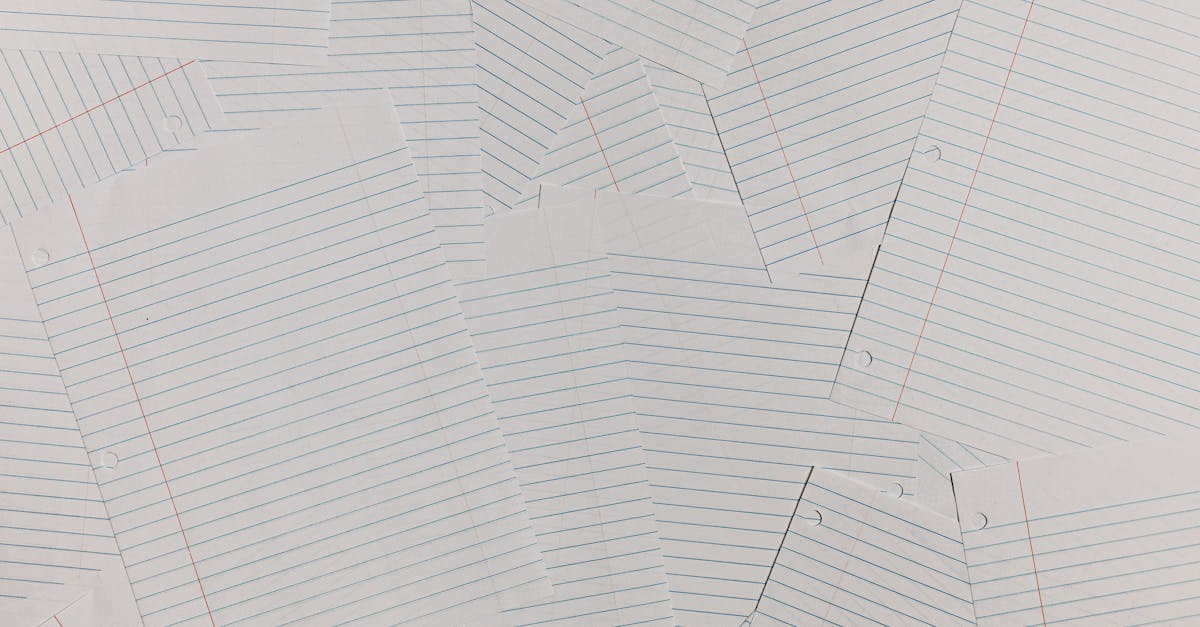
When we say “notebook writing paper,” we’re talking about a specific category of paper engineered for writing. Not for printing brochures, not for packaging. Writing. That means it has a completely different job to do than, say, the paper in your office printer.
Think about the physics of it. A pen tip — whether a ballpoint, gel, or fountain pen — is dragging across the surface. It needs to glide without catching or skipping. The ink needs to be absorbed just enough so it doesn’t smudge, but not so much that it bleeds through to the other side and makes the page unusable. The paper itself needs to have a certain stiffness — or “hand feel” — so it doesn’t flop over when you’re writing on your lap or at a desk without a hard surface. And it has to do all this consistently, page after page, across tens of thousands of notebooks.
Here’s the thing — this paper is almost always “uncoated woodfree paper.” Let me break that down simply.
- Uncoated: Means no shiny, slick layer on top. A coated paper (like in magazines) makes photos pop, but a pen will skate on it and the ink won’t dry. Uncoated gives that slight tooth or texture that grips ink.
- Woodfree: Sounds fancy, but it just means the pulp is mostly from chemical pulping, not mechanical. Mechanical pulp has more lignin (the “glue” in wood), which turns yellow and brittle over time. Woodfree paper is more stable, whiter, and lasts longer. This is why school notebooks need to survive a year without falling apart or turning brown.
And then there’s GSM. You’ll hear this a lot.
GSM Explained Like You’re In a Hurry
GSM stands for Grams per Square Meter. It’s literally the weight of a single sheet of paper that’s one meter by one meter. It’s the standard way we talk about paper thickness in the industry. But here’s what nobody tells you upfront: GSM correlates to thickness, but it’s not a direct measure of quality.
A higher GSM paper is thicker, more opaque, and feels more substantial. A lower GSM is thinner and more see-through. For standard student notebooks, we use around 54 GSM paper. Why? Because it hits the sweet spot. It’s thick enough that a regular pen won’t bleed through (unless you’re using a heavy marker), it has a good hand feel, and it keeps the overall notebook weight and cost manageable for bulk production. For account books or premium corporate diaries, we might go up to 70-80 GSM for that luxury feel and extra durability.
But — and this is a big but — you can have two papers at 54 GSM that feel completely different. One can be smooth and creamy; the other can be rough and grayish. The difference is in the pulp quality, the manufacturing process, and the finishing. The GSM just tells you how much raw material is there. It doesn’t tell you how good that material is.
The Real-Life Difference Good Paper Makes
Let me tell you about a school principal I spoke with last year. Mr. Sharma, early 50s, runs a mid-sized private school in Hyderabad. He’d switched notebook suppliers to save cost, and the new notebooks arrived. The covers were fine, the printing was okay. But within two weeks, his teachers were complaining. Kids’ pen ink was feathering — spreading out in little spider legs on the page, making their handwriting a mess. Pencil writing was too faint and kept erasing poorly because the paper surface was too hard. The pages tore easily when students turned them. Small things. But they added up to frustration in every classroom.
He showed me a page. I held it up to the light. You could see the writing from the back side shadowing through. The paper was the wrong grade for writing. It was probably a cheaper printing paper masquerading as writing paper. He saved maybe 2 rupees per notebook. And he paid for it in daily complaints and a perception of lower quality from parents. He switched back to his old supplier the next term.
This is the silent cost of getting the paper wrong. It’s not a line item on a balance sheet. It’s the erosion of user satisfaction. For a corporate office, it’s the employee who feels their tools are cheap. For a school, it’s the student struggling to present neat work. For a government office, it’s the record book that deteriorates faster. The paper is the experience.
Anyway. The point is, you need to know what to look for. So let’s get into the nuts and bolts.
Key Factors That Define Writing Paper Quality
When we evaluate paper for our own manufacturing at Sri Rama Notebooks, we’re looking at a few key things beyond just the GSM number. If you’re a bulk buyer, you should ask your supplier about these. If they can’t answer, that’s a red flag.
- Smoothness & Finish: This is about the surface texture. Too smooth, and pencil won’t grip. Too rough, and pens can catch and skip. A slight “vellum” or “eggshell” finish is usually ideal for writing. It’s that barely-there texture you feel.
- Opacity: How see-through is the paper? High opacity means you can’t see the writing on the other side. This is critical for double-sided writing and for overall neatness. Lower GSM papers often have poor opacity.
- Brightness & Whiteness: Measured on a scale. Higher brightness (like 90+) means a brighter, whiter sheet that provides better contrast for ink. It’s easier on the eyes. But very high brightness can sometimes be too glaring. A natural white around 84-88 is often perfect.
- Ink Absorption & Show-Through: How quickly does the paper absorb ink? Fast absorption reduces smudging but can cause bleed-through if the ink soaks too deep. Slow absorption can cause smears. It’s a balancing act.
- Strength & Tear Resistance: Can a student tear a page out cleanly, or does it rip halfway up the margin? Paper needs enough tensile strength to handle daily use without falling apart.
Most good notebook manufacturers will have their paper tested for these properties. They might not throw the numbers at you, but they should be able to explain the paper’s behavior. If they say “It’s 60 GSM, good paper,” and leave it at that, be skeptical.
Expert Insight
I was reading an old trade journal last month — one of those thick paper industry magazines that are somehow still printed — and a line from a mill manager stuck with me. He said the biggest mistake buyers make is conflating “thick” with “good.” You can make thick paper with poor, short fibers that feels fluffy and tears easily. Or you can make slightly thinner paper with long, strong fibers that is far more durable and has better formation. The real quality is in the fiber length and the pulp cleanliness, not just the weight. That’s the part of the process you never see, but it determines everything about the final product. I don’t have a cleaner way to put it than that.
Notebook Paper vs. Other Papers: A Quick Comparison
This is where it gets practical. Let’s put notebook writing paper side-by-side with other common papers so you can see why you can’t just substitute one for the other. This table breaks it down.
| Paper Type | Primary Use | Typical GSM | Surface | Good for Pen/Pencil? | Why It’s Wrong for Notebooks |
|---|---|---|---|---|---|
| Notebook Writing Paper | Writing by hand | 54 – 80 GSM | Uncoated, slight tooth | Excellent | — |
| Office Copier Paper | Laser/Inkjet Printing | 70 – 80 GSM | Smooth, often too slick | Poor | Pen ink smears, pencil is faint. Designed for heat (laser) and liquid (inkjet) absorption, not physical pressure. |
| Newsprint | Newspapers | 45 – 50 GSM | Rough, porous | Very Poor | Extremely low opacity, yellows quickly, tears like tissue. The cheapest option and feels like it. |
| Art/Cartridge Paper | Drawing, Watercolor | 120+ GSM | Very textured, heavy | Okay for pencil, poor for pen | Too heavy, too expensive, texture is excessive for writing. Overkill. |
| Coated Glossy Paper | Magazines, Photos | 90 – 170 GSM | Shiny, coated layer | Terrible | Pen will not dry. Surface is like writing on plastic. Pencil won’t mark properly. |
See the pattern? Paper is engineered for a specific purpose. Using copier paper for notebooks is one of the most common cost-cutting mistakes we see in low-quality imports. It feels wrong the moment you touch it. Understanding this difference is why we source specific writing paper grades for our production lines.
How Bulk Notebook Manufacturers Source Their Paper
This is the behind-the-scenes part that affects your price and consistency. When you’re producing 30,000 to 40,000 notebooks a day like we do, you don’t buy paper from a stationery shop. You source it directly from large paper mills, often by the truckload or container load.
The relationship with the mill is everything. A good mill provides consistency. Batch 001 should look and feel exactly like Batch 100. The brightness, the texture, the cut size — all identical. If the mill changes the pulp mix or the calendering process (the rolling that determines smoothness) without telling you, your next shipment of notebooks can feel different. And that’s a problem for a school that re-orders next year expecting the same product.
We work with mills that specialize in writing and printing paper. We specify the exact GSM, brightness, and finish. The paper comes in giant parent reels — maybe a meter wide and kilometers long. Those reels are then loaded onto our slitting and cutting machines, which trim them down to the precise size for a King Size, Long, Short, or Account notebook. That’s why we can offer so many standard sizes and page counts — it’s all about cutting efficiently from the master reel.
The cost of the paper is usually the single biggest raw material cost in a notebook. So yes, cheaper paper means a cheaper notebook. But as Mr. Sharma learned, the saving is often a false economy. You pay in quality, and your end-user feels it immediately.
FAQ: Notebook Writing Paper Questions Answered
Frequently Asked Questions
What is the best GSM for school notebooks?
For general student use, 54 GSM is the industry standard in India and many markets. It provides a good balance of opacity, writing performance, and cost. It’s suitable for ballpoint pens, pencils, and even gel pens with moderate use. For younger children or where heavy ink use is expected, 60-70 GSM offers more durability.
Why does ink sometimes bleed through notebook paper?
Bleed-through happens when the paper has low opacity (too thin) or is too absorbent. The ink soaks through the fibers and appears on the other side. Very liquidy inks, like certain gel pens or markers, will do this more on lower-quality paper. Good writing paper is designed to hold ink on the surface layer without letting it travel too far.
Is thicker paper always better quality?
No. Not at all. Thickness (GSM) is just weight. Quality is about fiber strength, brightness, smoothness, and formation. You can have thick, fluffy paper that tears easily and has poor opacity. Focus on the overall performance, not just the number. Ask for a sample and test it with the pens your users will actually use.
Can you get custom paper for branded notebooks?
Yes, absolutely. This is a core part of custom notebook printing services. For corporate diaries or premium branded notebooks, you can specify a higher GSM, a custom watermark, a specific color tint (like cream or blue), or even recycled paper content. The minimum order quantity is higher, but it creates a truly unique product.
How does paper quality affect printing on notebook covers?
Cover paper is a different beast! It’s much heavier (usually 250-300 GSM art card) and often coated on one side for vibrant logo printing. The writing paper inside and the cover stock are two separate materials, chosen for completely different jobs. Good manufacturers manage both supply chains to ensure quality inside and out.
Conclusion
So, what have we learned? Notebook writing paper isn’t a commodity. It’s a specialized material. The GSM number is a starting point, not the whole story. Smoothness, opacity, brightness, and strength matter just as much, if not more. And the real test is in the hand of the user — the student, the clerk, the executive — trying to put their thoughts down without fighting their tools.
When you’re next evaluating a bulk notebook supplier or placing a tender, don’t just ask for the price and the GSM. Ask for a sample. Take a pen you use and write on it. Hold it up to the light. Try to tear it gently from the corner. That two-minute test will tell you more than any spec sheet. Your users are going to do that test a thousand times over the life of the notebook. You might as well do it first.
I don’t think there’s one perfect paper for every single use. Probably there isn’t. But if you’ve read this far, you already know what you’re looking for — you’re just figuring out how to make sure you get it. If you want to talk paper specs for an upcoming order, that’s what we’re here for.