The first thing you need to know
Look, I get it. You're ordering corporate diaries or bulk notebooks for your school. You've got a budget. A deadline. And a spreadsheet full of specs you need to match. Then someone asks about the 'pages' – and you realize you don't actually know what that means. It's not just the number. It's everything.
I've seen procurement managers spend months comparing prices, only to get a shipment of diaries that feel cheap, tear easily, or have ink bleeding through the paper. The problem wasn't the price. It was the pages. They didn't know what to look for.
So let's talk about diary pages. Not in a technical manual way. The way I explain it to a buyer sitting across from me, trying to decide if we're the right manufacturer for their 10,000-unit order.
if this sounds familiar, looking at what we actually make might help.
What does 'diary pages' even mean?
Right. When you say 'pages', you're talking about three things at once. And most suppliers won't tell you that.
The first is the count. 52, 92, 200, 240 pages. That's straightforward.
The second – and this is where it gets messy – is the physical sheet. One 'page' in a notebook is one side of a leaf of paper. So a 200-page diary has 100 physical sheets, folded and bound. This matters because if someone promises you '200 pages' and you assume 200 sheets, you're going to be disappointed when you open the book.
The third thing, and probably the most important, is the quality of that page. The paper weight, the ruling, the finish. This is what separates a diary that lasts a year from one that feels like a pamphlet by March.
Page Count vs. Sheet Count
Let's get specific. If you order a 240-page diary from us, you're getting 120 sheets of paper. Each sheet gives you two sides to write on. Some buyers, especially in government tenders, specify 'number of leaves' instead. That's the sheet count. You need to know which one they're asking for.
I've had this conversation at least a dozen times last year. A school in Hyderabad wanted '700-page record books'. Their tender document said pages. Our quote said sheets. We had to call, explain the difference, and revise the spec. It took an extra day. But they got what they needed.
And honestly? That's the job. Making sure you get what you're actually paying for.
The paper. This is where quality lives.
Okay. The count is settled. Now the real question: what are those pages made of?
Most standard notebooks use what we call writing paper – around 54 GSM. GSM is grams per square meter. It's the weight. Thicker paper feels substantial, holds ink better, doesn't tear when someone presses hard with a pen. Thinner paper… feels thin. It's flimsy. You can see through it.
For a corporate diary – something that sits on a manager's desk all year – you want at least 70 GSM. Maybe 80. It gives that premium feel. For school notebooks, 54-60 GSM is standard because it balances cost and durability. But for art books or premium journals, we go up to 100 GSM or more.
The finish matters too. Smooth paper lets writing flow. Rough paper can feel gritty. Some paper is coated to prevent ink bleed; some isn't. If you're printing logos or pre-printed content on the pages, you need to know the coating.
I think about this a lot. Because the paper is the experience. You don't remember the binding first. You remember how the pen felt on the page.
Ruling. It's not just lines.
Here's something most international buyers miss: ruling isn't a universal standard. In India, we have specific names for specific patterns.
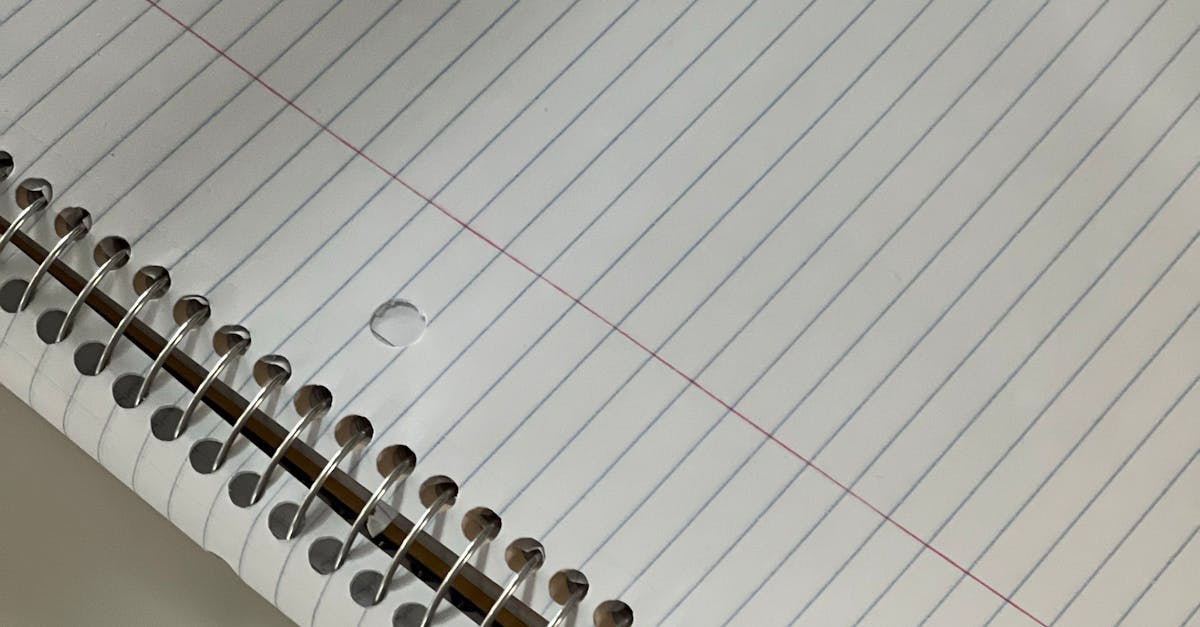
- SR – Single Ruled: One line. Simple. For general writing.
- DR – Double Ruled: Two lines close together. Often for smaller handwriting or specific school subjects.
- FR – Four Ruled: Four lines. Used for practicing handwriting in primary schools.
- CR – Cross Ruled: Graph paper. For math, engineering, design.
- UR – Unruled: Blank. For drawing, freeform notes.
And then there's OSR – One Side Ruled. Only one side of the page has lines, the other is blank. It's for sketching next to notes. CBR – Center Broad Ruled. A broad line in the center for headings.
Why does this matter for bulk orders? If you're supplying notebooks to a school district, they will have a mandated ruling for each grade. Get it wrong, and the entire order is useless. I've seen it happen. A distributor in Africa ordered 'ruled notebooks' without specifying. They got SR. The schools needed FR. The whole container sat in a warehouse for months.
You need to ask. Always.
The binding holds it all together
You've got the right page count. Good paper. Correct ruling. Now: how do those pages stay together for a year of use?
Binding isn't just glue. It's how the book behaves when you open it, flip through it, carry it around.
We do three main types:
- Stitched Binding: Thread-sewn. This is the classic, durable method. The pages are physically sewn together through the fold. It's strong. It lasts. It's what we use for most of our account books and premium diaries.
- Spiral Binding: Metal or plastic coil. Lets the book open flat, 360 degrees. Great for art books, manuals, anything that needs to lie completely flat on a table.
- Perfect Binding: Glued edge. Like a paperback book. Clean look, but not as durable for heavy daily flipping. Good for presentation folders or thinner notebooks.
For a corporate diary that's going to be used daily, opened and closed hundreds of times, I recommend stitched. It feels professional. It doesn't fall apart. Spiral is functional but can look less formal. Perfect binding is cost-effective for bulk school notebooks where the lifespan is maybe a semester.
And honestly? Most people don't think about binding until the book starts falling apart. Then they think about it a lot.
A quick story from last month
I was talking to a procurement manager from a college in Bangalore. Over WhatsApp, actually – that's how most of these conversations start now. She was ordering 5,000 custom notebooks for a new batch of students. She had the design ready. The logo. The cover.
She asked for '200 pages, spiral bound'. Standard request.
I asked her: 'Are the students going to be tearing pages out?'
She paused. Said no.
I said: 'Then let's do stitched. It'll last longer, look better on the shelf, and the spine won't get bent out of shape in their bags.' The cost was nearly the same.
She changed the spec. Got stitched. The feedback later was that the notebooks held up the whole year without a single complaint about pages coming loose.
The thing is – she didn't know to ask. Most buyers don't. They just know the words 'spiral' or 'stitched'. They don't know what each one actually means for daily use.
Comparing diary page specs for different needs
Let's put this side by side. What you should look for depends entirely on who's using the notebook.
| Feature | Corporate Diary (Executive Use) | School Notebook (Student Use) | Account Book (Record Keeping) |
|---|---|---|---|
| Page Count (Sheets) | 100-120 sheets (200-240 pages) | 50-60 sheets (100-120 pages) | 100+ sheets (200+ pages) |
| Paper GSM | 70-80 GSM (Premium feel) | 54-60 GSM (Cost-effective) | 60-70 GSM (Durable for pen/pencil) |
| Ruling Type | SR (Single Ruled) or Unruled | FR (Four Ruled) or DR (Double Ruled) based on grade | CR (Cross Ruled) or Specific Column Ruling |
| Binding | Stitched Binding (Durable, formal) | Stitched or Perfect Binding (Depends on budget) | Stitched Binding (Must withstand frequent use) |
| Cover | Hardcover or Thick Laminated | Softcover, Laminated | Hardcover or Reinforced Softcover |
| Key Priority | Appearance & Longevity | Cost & Function for Subject | Durability & Clarity of Layout |
This isn't just a chart. It's what I use when a buyer calls and says 'I need notebooks'. The first question I ask is: 'Who's going to use them, and for how long?' The answer tells me which row of this table we're in.
Earlier I said binding matters for durability. That's not quite fair – it's more that binding is the thing that fails first if you get it wrong. The paper can be great, but if the binding is weak, the whole book falls apart.
How we actually make them
I've been in this factory for decades. The process isn't magic. It's careful.
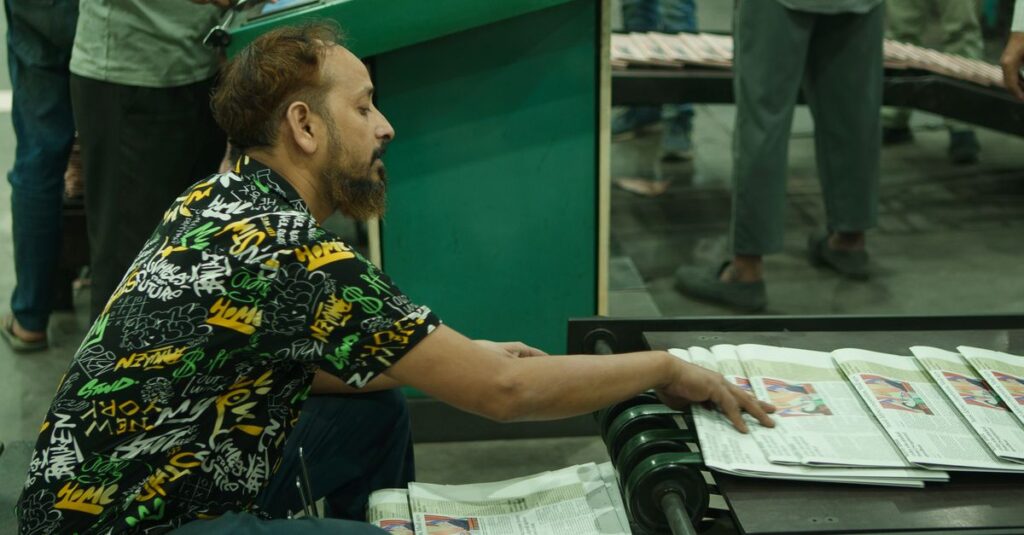
First, the paper comes in large rolls. We cut it to size – King Size, Long, Short, Account – based on your order. Then it goes through the ruling machine. That machine imprints the lines – SR, DR, FR, whatever you need – with precise alignment. If the ruling is off by a millimeter, the whole page looks wrong. We check that.
Then the sheets are folded. This is where the 'page' count becomes real. One fold creates two pages. Those folded sets are gathered into what we call a 'book block'.
The binding happens. If it's stitched, a machine sews thread through the fold. If it's spiral, a coil is inserted and crimped. Then the cover is attached – laminated, printed, embossed.
Finally, it's packed. For bulk orders, we pack by grade, by ruling, by size. We label everything. Because a school receiving 10,000 notebooks needs to know which box is for Grade 3 and which is for Grade 5.
The capacity here is about 30,000 to 40,000 bound notebooks a day. But that's just volume. The real work is making sure each one of those 30,000 meets the spec you asked for. That the pages are right. The paper feels right. The binding holds.
It's Wednesday today. I walked through the stitching section this morning. The sound is rhythmic. Like a heartbeat. That's the sound of pages becoming a book that's going to get used.
If you're looking at a bulk order, understanding how we print and customize those pages might be the next step.
Expert Insight
I was reading an old industry report last week – something about paper quality trends. One line stuck with me. It said that for writing paper, the GSM number isn't just about thickness. It's about fibre density. Higher GSM paper has more fibres packed in, which means it absorbs ink differently, resists tearing better, and just… feels more substantial in your hand.
I don't have a cleaner way to put it than that. When you pick up a diary, you're feeling the fibre density. You're feeling whether the manufacturer cared about that part. Most don't talk about it. They just give you a number.
What to ask your supplier
So you're ready to order. Here's what you actually need to ask, beyond just the price and delivery time.
- Ask: 'Are you quoting pages or sheets?' Get it in writing.
- Ask: 'What is the exact GSM of the writing paper?' Not just 'good quality'.
- Ask: 'Can you send a sample sheet with the ruling I need?' See it before you commit.
- Ask: 'What binding method do you recommend for daily use over 12 months?' Listen to their reason.
- Ask: 'How do you pack bulk orders?' Are they mixed, or sorted by specification?
Three things happen when you ask these questions. First, you filter out suppliers who don't know the answers. Second, you get exactly what you need. Third, you avoid that sinking feeling when the shipment arrives and the notebooks just… don't feel right.
Right.
Frequently Asked Questions
What is the difference between a page and a sheet in a diary?
A page is one side of a sheet of paper. So a 240-page diary has 120 physical sheets (each sheet gives you two pages to write on). Always clarify with your supplier whether they're quoting the page count or the sheet count – it changes the thickness and actual amount of paper you get.
What GSM paper is best for corporate diaries?
For a corporate diary that needs to feel premium and durable, I recommend 70 GSM or higher. 54-60 GSM is standard for school notebooks, but for something that sits on a desk all year and gets used daily, thicker paper holds up better, prevents ink bleed, and just feels more substantial.
How do I choose the right ruling for my notebooks?
It depends entirely on the use. Single Ruled (SR) is for general notes. Four Ruled (FR) is for primary school handwriting practice. Cross Ruled (CR) is for math or graphs. If you're supplying to schools, check their curriculum mandates. For corporate diaries, Single Ruled or Unruled is usually the way to go.
Which binding is most durable for heavy use?
Stitched binding. Thread-sewn through the fold. It's the classic method and withstands being opened and closed hundreds of times without failing. Spiral binding lets the book open flat but can get bent. Perfect binding (glued edge) is cost-effective but less durable for daily flipping.
Can I get custom diary pages with my logo printed on them?
Yes, absolutely. We do custom printing on diary pages – logos, headers, pre-printed text, specific layouts. You need to specify the position, ink color, and provide the artwork. We adjust the ruling and layout to accommodate the print. It's a common request for corporate branded diaries.
To wrap this up
Diary pages aren't just a number. They're the paper weight, the ruling pattern, the binding that holds them, and the precision that turns them into a book that actually works.
When you're ordering in bulk – for a school, an office, a government tender – you're not just buying a product. You're buying the experience that hundreds or thousands of people will have every day when they write in it.
I don't think there's one perfect spec for everyone. Probably there isn't. But if you've read this far, you already know what you need to ask for – you're just figuring out who can deliver it.
If you want to talk specs for a specific order, that's what we do every day.