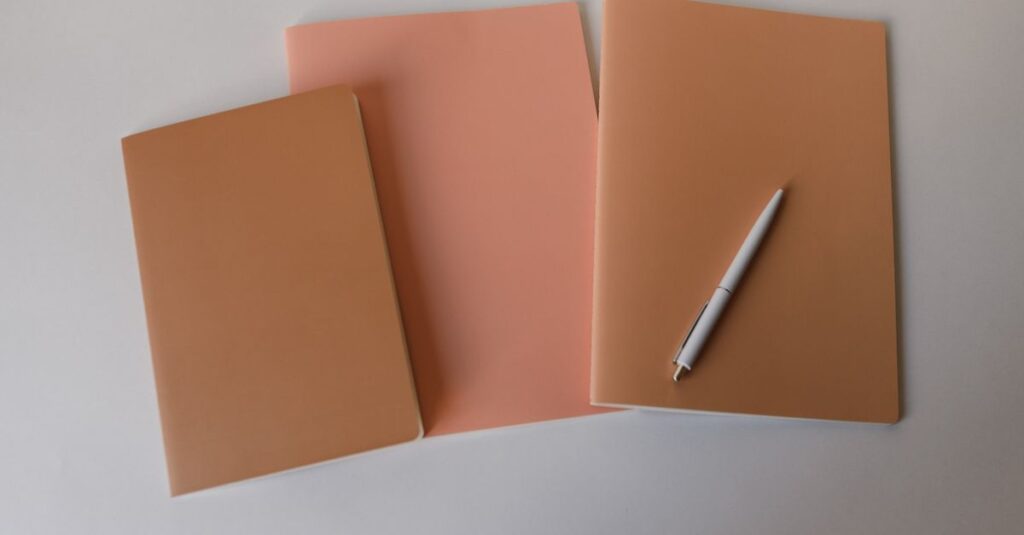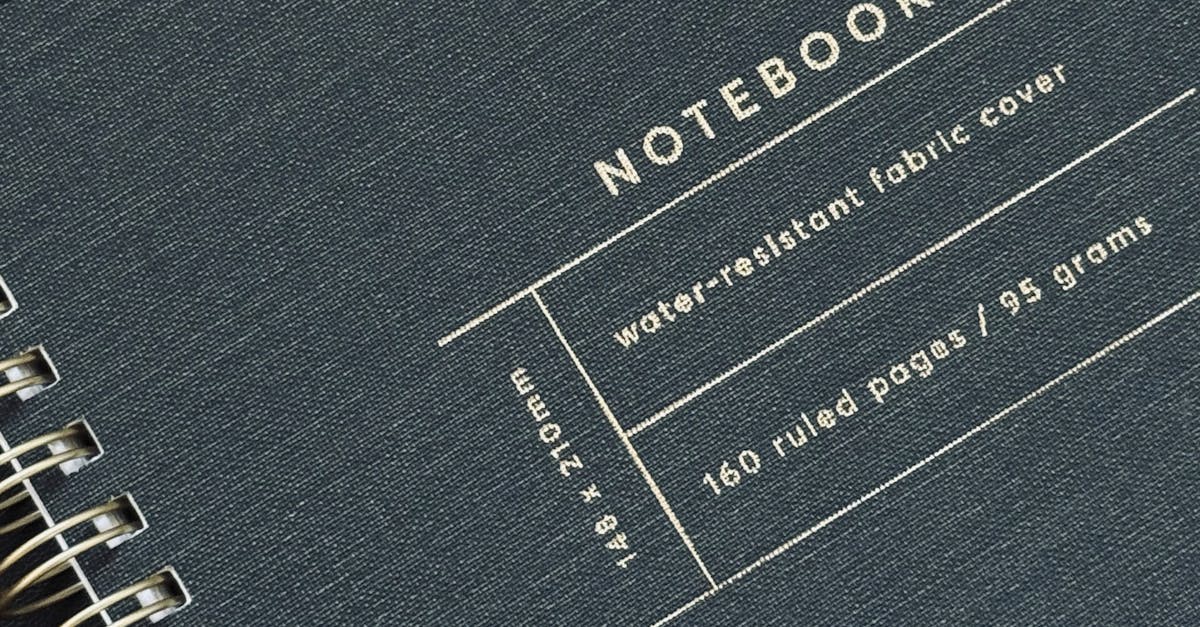
So, what is galaxy printing, really?
Look, I'll be direct. You're probably here because you need notebooks. A lot of them. And someone, maybe a board member or a marketing lead, heard about “galaxy printing” and now it's on your to-do list.
Here's the thing. It's not a new technology. It's not magic. But it IS the single most common term buyers use when they want something that feels premium. When they don't want the standard, flat logo slapped on a cover. They want depth. They want the brand to feel expensive, even if the budget isn't infinite.
In simple terms? Galaxy printing is a high-quality offset printing technique that gives you incredibly sharp, vibrant, and consistent color reproduction. It's called “galaxy” because of the rich, deep color saturation it achieves — think of those deep space photos with intense blacks and bright stars. That contrast. That clarity. That's what you're buying.
The problem most procurement managers face is this: you know you need quality, but you also have a per-unit cost screaming at you from a spreadsheet. And you're stuck wondering if this “galaxy” thing is just a fancy word suppliers use to charge more. If this sounds like your current headache, understanding what you're actually paying for is the first step to not getting ripped off.
Right.
It's about trust, not just ink
I was talking to a client last week — a college administrator in Hyderabad ordering custom notebooks for their new batch. Over a very bad phone connection, honestly. She said something that stuck with me: “We give these to top-performing students. It can't look cheap. If the notebook feels cheap, the achievement feels cheap.”
Boom. That's it. That's the entire point of galaxy printing for institutional buyers.
You're not buying a notebook. You're buying a physical representation of a relationship. For a corporate client, it's their brand reputation sitting on a desk. For a school, it's the perceived value of the education they provide. For a government tender, it's about legitimacy. A poorly printed, fuzzy logo on a flimsy cover whispers “we didn't care enough to get this right.”
Galaxy printing shouts the opposite. The colors are locked in. The lines are crisp. You can feel the texture of the print. It doesn't scratch off. It survives a year in a student's backpack or on an executive's desk. It shows you paid attention to the details. And in bulk orders, where you're dealing with thousands of units, that consistency is everything. Page one looks exactly like page ten thousand. No variation. No “off” batches.
That reliability builds a different kind of trust. It tells your customer or your students that you're dependable. That you do things properly.
A quick story that isn't a case study
Rahul, 42, handles procurement for a chain of coaching centers across Tamil Nadu. He ordered 50,000 custom notebooks last quarter. The first sample had a beautiful, deep blue logo — galaxy print. The mass delivery? The blue was lighter. Muddy. It was a different printing method altogether, rushed to meet the deadline. He spent two weeks on the phone, angry parents calling the centers, asking if the materials were “genuine.” The cost of reprinting was nothing compared to the cost of that doubt. He said the worst part was having to explain to his boss that yes, they saved 7 paise per notebook. And lost a chunk of trust they'd spent years building.
That doubt. That's what you're really trying to avoid.
Galaxy vs. Digital: The choice that defines your order
Most people think printing is printing. It's not. And this is where you, as the buyer, need to be a little savvy. The biggest fork in the road is Galaxy (high-end offset) versus Digital printing.
Think about it this way. Digital printing is your office printer. It's fantastic for short runs, for quick prototypes, for when you need 100 copies of something by tomorrow. It's flexible. But when you scale it to 10,000 notebooks? The cost per unit doesn't drop the way you want it to. The color might drift from one batch to the next. It can look great, but it often lacks that depth, that solid feel of ink on paper.
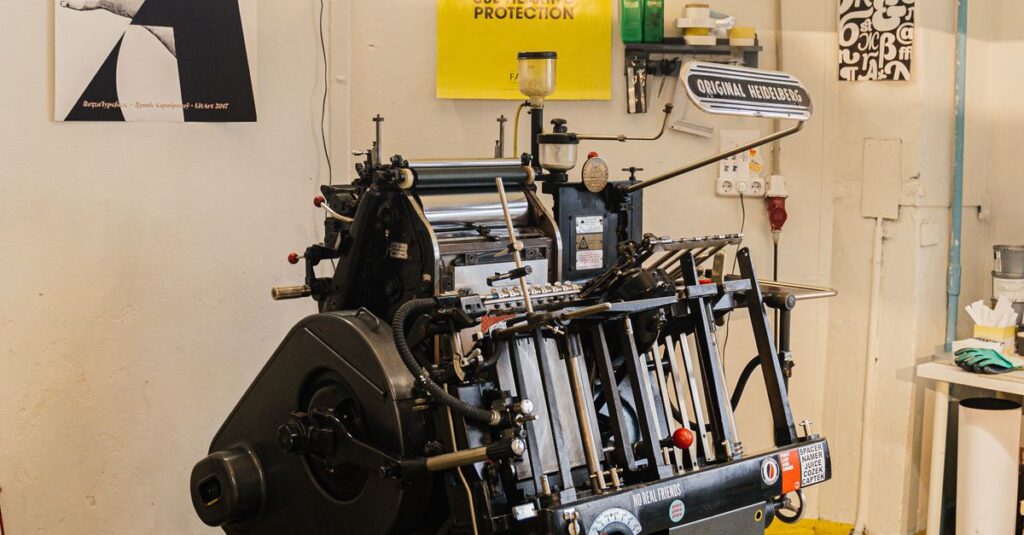
Galaxy offset printing is the industrial machine. It takes longer to set up. You create metal plates. The make-ready process is a thing. But once that machine is rolling? That's where the magic for bulk happens. The unit cost plummets. Every single cover that flies out is identical. The color is in the paper, not just on it. It's durable.
Here's a simple breakdown:
| Factor | Galaxy Offset Printing | Standard Digital Printing |
|---|---|---|
| Best For Quantity | Bulk orders (1,000+ units) | Short runs (50-500 units) |
| Color Consistency | Perfect across entire order | Can vary between batches |
| Print Quality & Sharpness | Superior, professional, deep saturation | Good, but can lack depth |
| Cost Structure | High initial setup, very low cost per unit after | Lower setup, higher cost per unit |
| Turnaround Time | Longer setup, faster mass production | Faster setup, slower for large volumes |
| Durability | Highly durable, scratch-resistant | Less durable, can wear faster |
The choice isn't about which is “better.” It's about what you need. Are you a stationery distributor ordering 50,000 notebooks for the back-to-school season? You go offset. Are you a startup wanting 200 branded notebooks for a conference next week? Digital might be your friend.
But if your brand is on the line — and it always is — you lean towards the method that guarantees consistency at scale. Every single time.
What to actually ask your manufacturer
Okay. So you're convinced you need this quality. Now you have to talk to suppliers. This is where most people get glossy brochures and confusing quotes. Cut through it.
Don't just ask “Do you do galaxy printing?” They'll all say yes. Ask this instead:
- “Can I see physical samples of a bulk order you printed with this method?” Not a shiny sample book. A real, finished notebook from a real order for a client. Feel the cover. Check the spine.
- “What is your color matching process?” Do they use Pantone codes? If you give them a specific brand blue (Pantone 300C, for example), can they hit it exactly, every time?
- “What's your maximum sheet size for printing?” This tells you about their machinery. Larger sheets often mean more efficient runs for certain notebook sizes, which affects your cost.
- “Walk me through your quality check for color consistency during a run.” Do they pull samples every 500 units? Every 1000? How do they catch a drift before it becomes 10,000 bad notebooks?
These questions move you from a price-talk to a quality-talk. It shows you know what matters. And honestly? A good manufacturer loves these questions. It means you're a serious buyer, not just shopping for the lowest number.
A bad one will get vague. They'll change the subject. They'll just send another PDF price list.
I think the hardest part of this job — in my experience — is translating what the marketing team wants (“make it pop!”) into a technical spec a factory can execute. You're the bridge. Your job is to make sure “pop” doesn't mean “unaffordable” and “durable” doesn't mean “ugly.” Galaxy printing, done right, is where those two roads meet.
Expert Insight
I was reading an industry report last month — one of those dry, expensive ones — and a line from a packaging psychologist jumped out. She said something like: “The perceived quality of a branded object directly transfers to the perceived trustworthiness of the brand itself. The hand feels what the eye sees, and the brain makes a judgment in milliseconds.”
It sounds obvious when you say it. But we forget it all the time. We focus on the spreadsheet cost and forget the brain cost. The cost of a client, a student, an employee holding something that feels lesser-than. That judgment happens before they even open the cover. And you can't undo it with a follow-up email.
The notebook isn't the product. The trust is.
Making the decision for your business
Let's land the plane. You've got a tender to fulfill. Or a corporate gift program. Or a new academic year to kit out.
First, be realistic about your numbers. If you need less than a thousand pieces, have the conversation about digital vs. offset. The setup cost for galaxy printing might not make sense. But if you're in the thousands, or tens of thousands, the math almost always swings to offset.
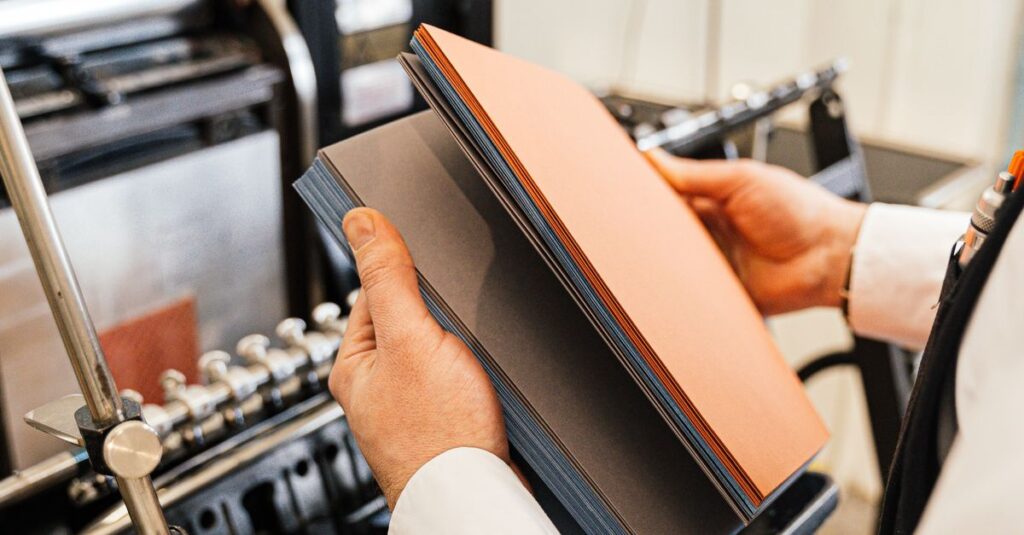
Second, get physical samples. Always. Don't approve a job based on a JPEG. Paper weight, binding, the sound of the page when you turn it — you need to experience it. Any manufacturer worth their salt will produce a “dummy” sample for you before they run the whole order.
Third, think about the full lifecycle. Where will these notebooks live? In a corporate office? A construction site manager's trailer? A secondary school bag? The durability of galaxy printed covers — that ink bonding to the stock — matters more in some environments than others.
And finally, partner with someone who gets it. This isn't a commodity purchase. It's a brand extension. You want someone who asks questions about your end-user, not just your unit count. For over thirty years, that's the only way we've worked at Sri Rama Notebooks. It's the difference between supplying a product and solving a problem.
The question isn't whether you need good printing. It's whether you can afford the alternative.
Frequently Asked Questions
Is galaxy printing more expensive than regular printing?
For small quantities, yes, the setup costs make it more expensive per notebook. But for bulk orders — typically 1,000 units or more — the cost per unit for galaxy printing becomes very competitive, and often lower than digital, while delivering far superior quality and consistency. You pay for precision at scale.
Can you do galaxy printing on any type of notebook cover?
Mostly, yes. It works excellently on standard paperback covers, thick cardstock, and even some synthetic materials. The key is the paper's coating and smoothness. A good manufacturer will guide you on the best cover stock to make your galaxy printing truly shine and last.
What file format do I need to provide for galaxy printing?
You'll need print-ready, high-resolution vector files (like AI or EPS) or very high-res PDFs. Vector files are best because they can be scaled infinitely without losing sharpness. We also need Pantone (PMS) color codes for exact brand color matching to ensure your galaxy print is perfect.
How long does a galaxy printing order take?
It depends on the size and complexity. The setup (plate-making, color matching) can take 5-7 working days. Once the press is approved, production is fast. For an order of 10,000 notebooks, expect a total turnaround of 2-3 weeks from final file approval. Always build in time for physical proof approval.
Is galaxy printing suitable for full-color photographic covers?
Absolutely. In fact, that's where it excels. The deep color saturation and sharp detail of galaxy offset printing is ideal for reproducing photographs, intricate illustrations, or complex brand graphics with gradients. It brings images to life on the cover much more effectively than standard digital printing.
Wrapping this up
Look, at the end of the day, you have a budget and a need. Galaxy printing is a tool. A very good one for making sure the thing you hand over doesn't undermine the message you're trying to send.
It comes down to two things: volume and perception. If you're buying in volume, the quality becomes affordable. If how you're perceived matters, the quality becomes essential.
I don't think there's one perfect answer for every order. Probably there isn't. But if you've read this far, you already know the value you need to deliver — you're just figuring out the smartest way to get it made. And sometimes, the smartest way is to talk to people who've been solving this exact puzzle for decades. If you want to cut through the jargon and get a real quote for a real order, the conversation starts with a sample.