You Order a Lot of Paper. Does It Actually Work for Your Team?
Right. Let’s get into it. You’re buying notebooks for your company. The procurement team sends out quotes, someone picks the cheapest per-unit price, and a few weeks later, pallets of generic diaries arrive. They get distributed. And then what? Half of them sit in a drawer. The ones that get used are filled with… meeting minutes that go nowhere. Action items that get forgotten. It’s paper, sure. But it’s just paper. It costs you money and delivers nothing back.
Here’s the thing — it’s not about notebooks. It’s about tools. A proper note diary isn’t just a stationery item; it’s a physical extension of your company’s process. When it’s designed with your workflow in mind, it stops being clutter and starts being a system. People use it. It organizes them. It actually helps them think. And in my experience — talking to hundreds of procurement managers and execs over the decades — nobody thinks about this until they get a sample that’s actually *their*.
That’s what we’re talking about. The difference between ordering a commodity and ordering a tool. If you manage corporate stationery and you’re tired of waste, this might be the shift you need.
What Is a Note Diary? (It’s Not What You Think)
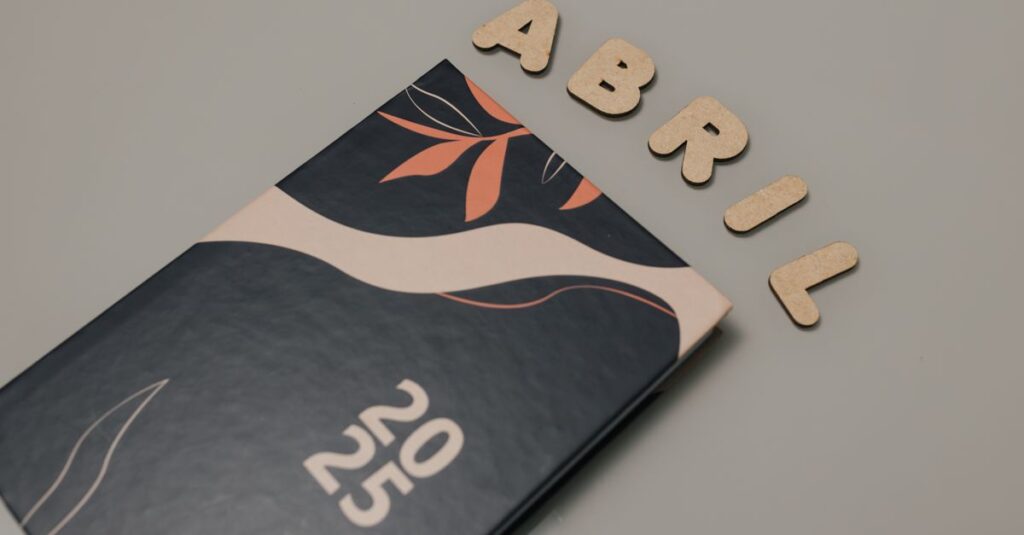
Okay, definitions. A “note diary” is a broad term people search for. But in the business world, it’s specific. It’s a notebook, sure. But it’s one that’s intentionally designed for notetaking, planning, and tracking — more functional than a simple ruled book, but less rigid than a pre-dated, page-a-day year planner. It sits in the middle. It’s the workhorse.
Think about your last big project. You probably grabbed a notebook — maybe you even called it your project diary. You scribbled ideas, drew timelines, listed people to call. That notebook lived on your desk, got thrown in your bag. It was messy. It was useful. That’s the core of a note diary. It’s a dedicated space for thinking, not just recording.
And for businesses buying in bulk, that intention changes everything. You’re not just providing something to write on. You’re providing a platform for productivity.
Why “Off-The-Shelf” Usually Fails
I’ve seen it so many times. A company decides to gift diaries to clients. They pick a nice-looking one from a catalog. It has the company logo stamped on it. Done.
Except the diary has tiny date boxes perfect for… I don’t know, remembering dentist appointments? Your client is a construction manager who needs space for daily site logs. Or it’s ruled when they need graph paper for sketches. So the diary ends up on a shelf, a polite but useless trophy. A complete waste of your branding budget.
The mistake? Buying a product, not a solution. A real note diary for corporate use starts with a question: What does the person *doing the work* actually need to capture?
Which brings me to Neha.
The Micro-Story: Neha, 34, is a procurement manager for a chain of schools in Hyderabad. She used to order the same crown-size notebooks every year for her teachers. They were fine. Last year, on a whim, she asked for a custom page: a weekly planner on the left, broad ruled notes on the right, with a small footer for parent communication notes. Simple. The feedback wasn’t just positive; it was emotional. Teachers said it finally matched their Monday-to-Friday chaos. Orders this year doubled.
See? It’s not about fancy features. It’s about one simple, relevant change.
Key Things That Make a Note Diary Actually Useful
Forget the marketing fluff. When we’re manufacturing these, we focus on a few practical elements that decide if it gets used or tossed. Nine times out of ten, it comes down to these:
- Paper Quality (The Feel): This sounds minor. It’s not. Cheap, thin paper ghosts or bleeds with certain pens. It feels flimsy. It subtly says the notes inside aren’t important. Good 70-80 GSM paper has a slight texture, a solid weight. Writing on it feels deliberate. It makes people want to use it.
- Binding (The Survival): A notebook that sheds pages after a month in a laptop bag is a joke. For heavy use, you need stitched binding or double-wire spirals. Perfect binding (glued) is great for sleek corporate diaries, but not for something getting thrown around a site office. The binding has to match the abuse it will take.
- Layout (The Brain): This is where customization isn’t a luxury; it’s the whole point. What’s on the page? Is it blank? Ruled? Does it have a header for project name/date? A sidebar for action items? Maybe a small grid at the bottom for quick sketches? The layout guides the thinking. A generic layout doesn’t.
- Cover (The Identity): It’s branding, yes. But it’s also durability. A thick, laminated card cover protects the contents. And your logo isn’t just a stamp; positioned well, it’s a constant, subtle reminder of the company every time the book is opened.
Get these four right, and you’ve moved from a stationery item to a proper tool. It stops being an expense and starts being an investment in how your team works.
Custom vs. Standard: A Brutally Honest Comparison
Look, I’ll be direct. The decision often comes down to this table. It’s not just about cost-per-unit. It’s about cost-per-actual-use.
| Factor | Standard, Off-the-Shelf Diary | Custom-Built Note Diary |
|---|---|---|
| Page Layout | Generic. Usually single-ruled or dated. Might not fit your workflow at all. | Designed for your specific use. Teacher planners, project logs, client meeting templates — you name it. |
| Branding Impact | Logo stamp on a generic cover. Feels like an afterthought. | Integrated branding. Your colors, your logo, your slogan inside the cover. It becomes *yours*. |
| Perceived Value | Low. Seen as a freebie or a basic office supply. | High. Employees and clients recognize the thought and utility. It’s kept, used, appreciated. |
| Minimum Order | Low. You can order 100 pieces easily. | Higher. Typically 500+ units for custom printing. This is for serious, repeated orders. |
| Lead Time | Short. Often ready stock. | Longer. Design, proofing, and production takes 3-4 weeks. Plan ahead. |
| Real Cost | Lower upfront price. Higher long-term waste. | Higher upfront cost. But far lower waste and higher ROI on utility and branding. |
The choice is obvious if you’re thinking beyond this quarter’s stationery budget. If you’re just ticking a box, buy standard. If you want the box ticked *and* the job done better, you go custom.
The Manufacturing Reality: How a Good Diary Gets Made
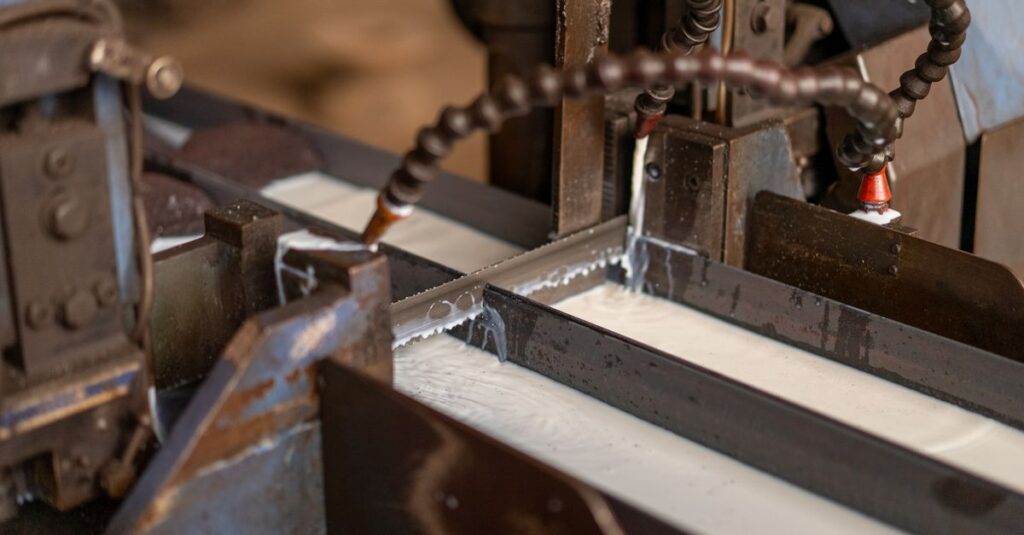
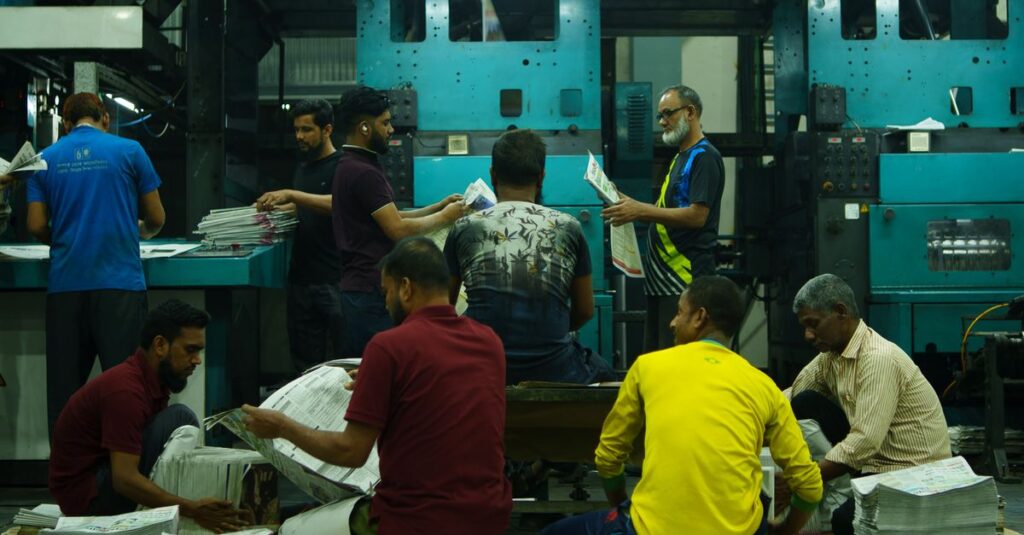
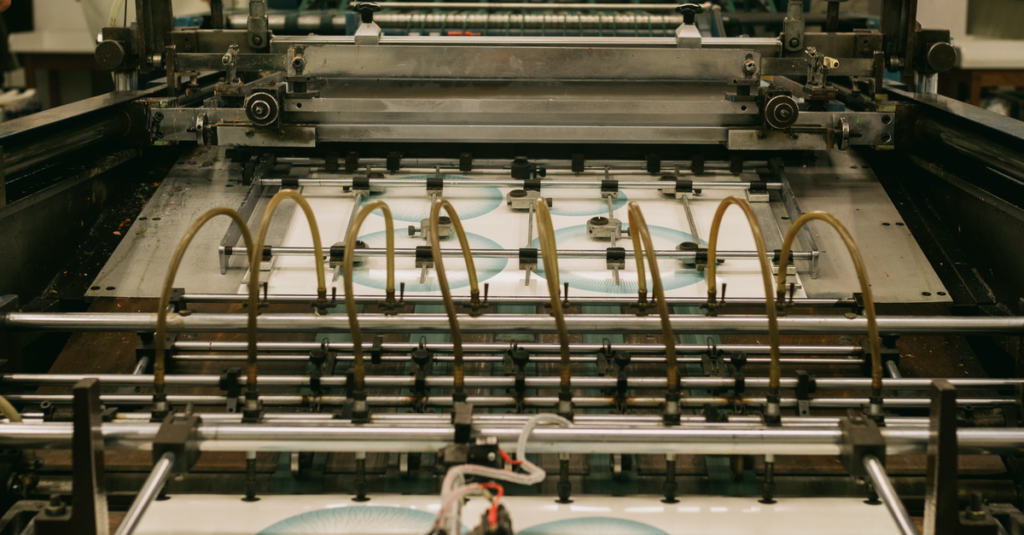
I think people imagine a giant machine gobbling up paper and spitting out notebooks. It’s more… deliberate than that. In our factory — and I’ve been walking that floor for years — it’s a series of choices.
First, paper selection. That 54 GSM writing paper we use for standard school books? Too light for a corporate diary that might see fountain pens or highlighters. We’d bump it to 70 or 80. That decision happens at the start. Then, the ruling. Offset printing for crisp, clean lines that don’t smudge. Then, the collating — getting all the sheets in order, which is surprisingly complex for custom page sequences.
Binding is where it gets physical. Stitched binding for lie-flat, durable books. Spiral binding for total flexibility. Each has its place. The cover isn’t just printed; it’s laminated for scuff resistance. Then quality check. Every single batch. A misaligned logo or a skipped page isn’t just a flaw; it makes your brand look sloppy.
Expert Insight
I was talking to a client last month — a large distributor in the Gulf — and he said something that stuck. He said, “Your competition quotes on paper and binding. You guys quote on paper, binding, *and peace of mind.*” I liked that. He meant we catch the things he shouldn’t have to worry about: consistent color matching across 10,000 units, packaging that survives shipping to Dubai, delivery dates that are actually met. That’s not manufacturing. That’s partnership. And in this business, after 40 years, that’s the only thing that really matters.
Anyway. The point is, when you’re sourcing, you’re not just buying a product. You’re buying the process behind it.
Who Actually Needs Custom Note Diaries? (Spoiler: More Than You Think)
It’s not just big corporates. Honestly, some of our most interesting projects come from places you wouldn’t expect.
- Schools & Universities: Student planners with term dates, hall passes, and study planners printed right in. Teacher’s lesson-plan diaries with period slots and evaluation columns.
- Government Departments: Record-keeping ledgers with specific columns for file numbers, dates, and approvals. Built to last for years of archival.
- Distributors & Wholesalers: Private label notebooks. They sell under their own brand, we manufacture to their exact spec. It builds their brand identity in the stationery aisle.
- Service Businesses (Hotels, Logistics): Front-desk log books, driver’s daily checklists. These are forms, essentially, but in a durable, bound format that’s always to hand.
The common thread? They all had a process that wasn’t being served by a generic notebook. They needed the paper to think the way they worked. Once they saw a prototype, it was a no-brainer.
If you’re looking at your own internal processes and feeling that friction, the solution might be as simple as a page layout.
Frequently Asked Questions
What is the difference between a diary and a note diary?
A traditional diary is usually pre-dated, with a slot for each day of the year. A note diary is more flexible — it might have blank, ruled, or custom-designed pages for general notetaking, project logs, or meeting minutes. It’s for capturing work, not just scheduling time.
What is the best paper quality for a corporate note diary?
For heavy, daily use with different pens, 70-80 GSM paper is the sweet spot. It’s thick enough to prevent bleed-through, has a good weight, and feels premium. Avoid anything below 60 GSM for professional use; it feels cheap and won’t hold up.
Can you print our company logo and branding on note diaries?
Absolutely. That’s the core of custom manufacturing. We can print your logo, colors, and even specific text (like a company motto or safety guidelines) on the cover and on internal pages. It turns a generic notebook into your company’s official tool.
What is the minimum order quantity for custom diaries?
It depends on the complexity, but typically we start at 500 pieces for a custom-designed note diary. For simpler logo stamping on an existing design, it can be lower. Bulk orders for schools or institutions often start at 2000+ units.
How long does it take to produce a custom order of note diaries?
From final approved design to delivery, plan for 3 to 4 weeks. This includes proofing, printing, binding, and quality checks. Rush production is sometimes possible, but it’s always better to plan ahead for the best quality.
So, What Now?
I don’t think there’s one perfect notebook for every company. That’s the whole point. The search for a “note diary” is really a search for a tool that fits. It’s about moving beyond the catalogue price and asking what the paper needs to do for you.
The takeaway? If your team needs to capture ideas, track projects, or log data, the notebook you give them can either be a hurdle or a help. Customizing it — even in a small way — tilts the scales completely. It shows you thought about their work. And in my experience, that thought gets repaid in how the tool is used.
Maybe it’s time to stop buying paper and start designing a tool. A conversation is usually the best place to start.