Here’s What Nobody Tells You About Buying Wholesale Notebooks
You’re looking at a spreadsheet. The line item says “Notebooks, 5000 units.” Maybe you need them for the new school year, or for a corporate event, or just to keep your business supplied. Your job is to get the best price. Simple, right? But then you realize you don’t just need a product — you need a solution. A specific size. Maybe a logo on the cover. A type of paper that won’t bleed through. Binding that won’t fall apart after a month. Suddenly, that line item feels a lot heavier. And you’re not just buying notebooks; you’re betting on a supplier to not mess it up. The wrong choice means unhappy students, a sloppy corporate image, or worse, a logistics nightmare. Buying notebooks wholesale isn’t just shopping. It’s logistics, it’s branding, it’s risk management. And honestly, most guides out there talk about price-per-unit and stop there. They miss the whole story. If this sounds familiar, the entire process might be worth a look from a different angle.
The Wholesale Notebook Buying Checklist: What You Actually Need
Forget just “price per book” for a second. That’s the last step, not the first. Here’s what matters in the real world:
- Specification Clarity: Not all “Long Books” are created equal. Is it 52 pages or 200 pages? SR (Single Ruled) or DR (Double Ruled)? The GSM (paper thickness) number is your best friend. Ask for it. A standard 54 GSM is fine for everyday notes; anything lower and you’re into flimsy territory. This is where vague requests die. Be annoyingly specific. It saves everyone time and money later.
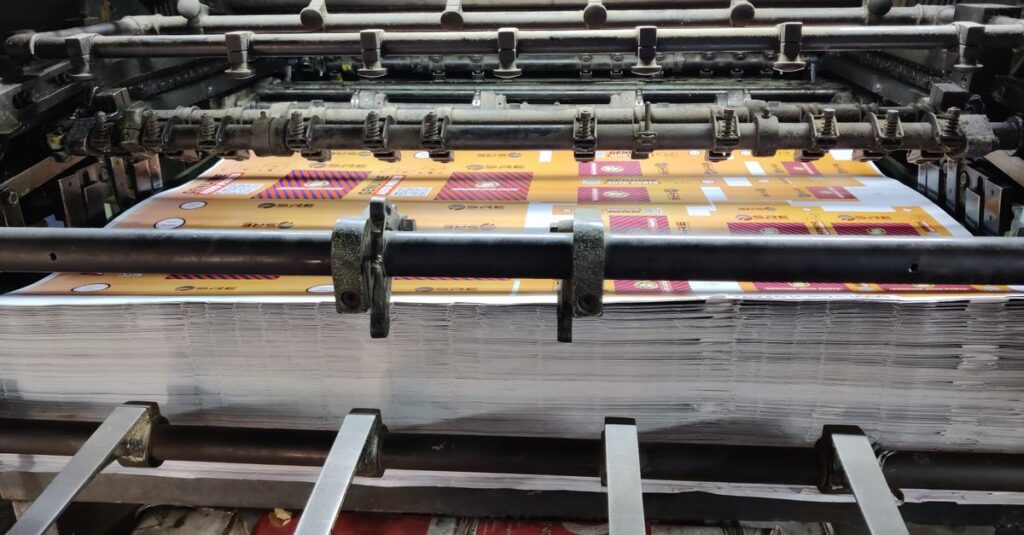
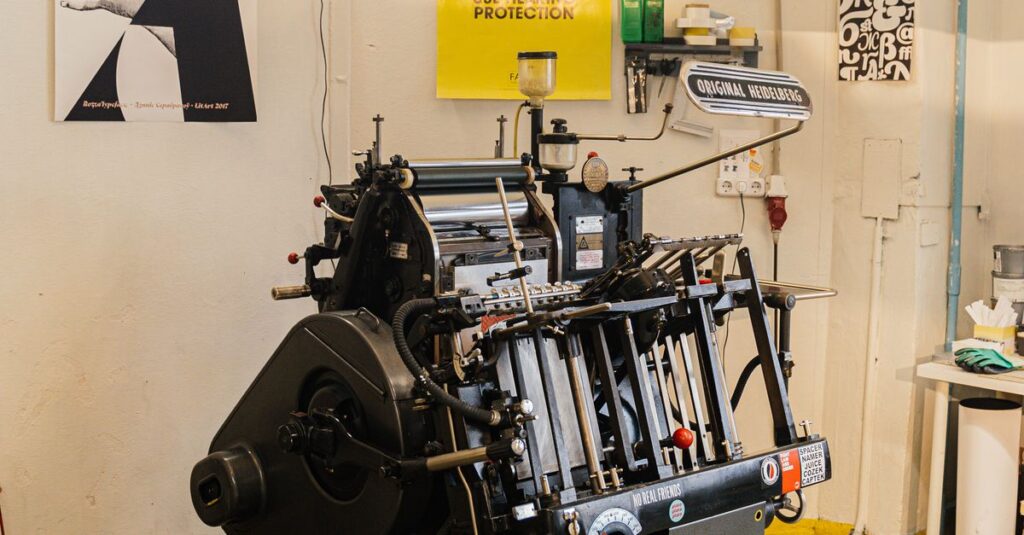
- Customization Capacity: You need 10,000 books with your school’s crest on the cover. Can they do it? Is it offset printing for large runs (cheaper per unit) or digital for small batches (more flexible)? I’ve seen buyers assume logo printing is standard, only to get a massive surcharge quote later. Ask upfront: “What is your minimum order for custom covers? What file formats do you need?”
- Lead Time & Reliability: This is the big one. A factory promising the moon but missing deadlines can sink your project. When they say “30,000 notebooks per day,” are they talking about churning out standard stock, or does that include your complex custom order? Always, always add a buffer to the delivery date they give you. Things happen. Machines break. Paper arrives late. Your reputation shouldn’t break with it.
This is the part nobody says out loud: the cheapest supplier is often the cheapest for a reason. And that reason usually shows up two weeks before your big distribution date. Anyway.
A Real Problem, a Real Person
Meet Priya. She’s 38, and she’s the administrative head for a group of five private schools in Hyderabad. Her office is loud – phones ringing, parents waiting, the AC humming. Last July, she needed 15,000 Long Notebooks (92 pages, single ruled) for the upcoming semester. She went with a new supplier who undercut everyone else by 8%. The samples were fine. The delivery was a month late. The paper quality was inconsistent – some books had pages that felt like tissue. She spent weeks fielding calls from angry teachers, juggling partial deliveries, and her desk was a fortress of apology letters. The “savings” evaporated in admin hours and frayed nerves. She told me this over a rushed coffee, by the way – not some formal interview. She was just tired. Life-tired. She said, “You don’t buy notebooks. You buy peace of mind.” I keep thinking about that.
Expert Insight
I was reading an old industry report last month, and one line stuck with me. It said that for bulk institutional buyers, the decision isn’t about finding a manufacturer. It’s about finding a production partner. The difference sounds like jargon, but it’s real. A partner knows that when you say “durable binding for student use,” you probably need stitched or double-wire binding, not perfect binding which can crack. They ask about storage conditions. They warn you that printing a solid black logo on a light-blue cover might need a specific ink process. A vendor just sends a quote. A partner sends questions with it. I don’t have a cleaner way to put it than that.
The Custom vs. Stock Notebook Dilemma
This is where most businesses hesitate. Should you buy standard wholesale notebooks off the shelf, or invest in custom printed ones? It’s not just about vanity. Let’s break it down.
A standard stock notebook is faster and cheaper. You pick from a catalogue of sizes (King, Long, Short, Account), page counts, and rulings. It’s a commodity. Perfect if you’re a distributor reselling to general stores, or a college buying internal-use notepads. The transaction is simple. The branding, however, is zero. It’s a generic product.
Custom notebooks are a different beast. You’re creating a branded asset. Think corporate gift diaries, university-branded notebooks for freshers, or NGO training modules. The upfront cost is higher. You have design time, plate costs for printing, and longer lead times. But the payoff? Massive. Every time someone uses that notebook, they see your logo, your colors, your message. It’s a functional marketing tool that sits on a desk for months. The math changes. You’re no longer just comparing unit costs; you’re weighing a procurement expense against a marketing and brand-building investment. Nine times out of ten, for corporate and institutional use, custom wins in the long run.
Here’s the thing – you can often do a hybrid. Start with a stock notebook body and just customize the cover. It cuts cost and time dramatically while still getting your brand out there. If you’ve clicked this far, you’re not just looking for paper and binding; you’re looking for impact. Sometimes, seeing the range helps clarify that choice.
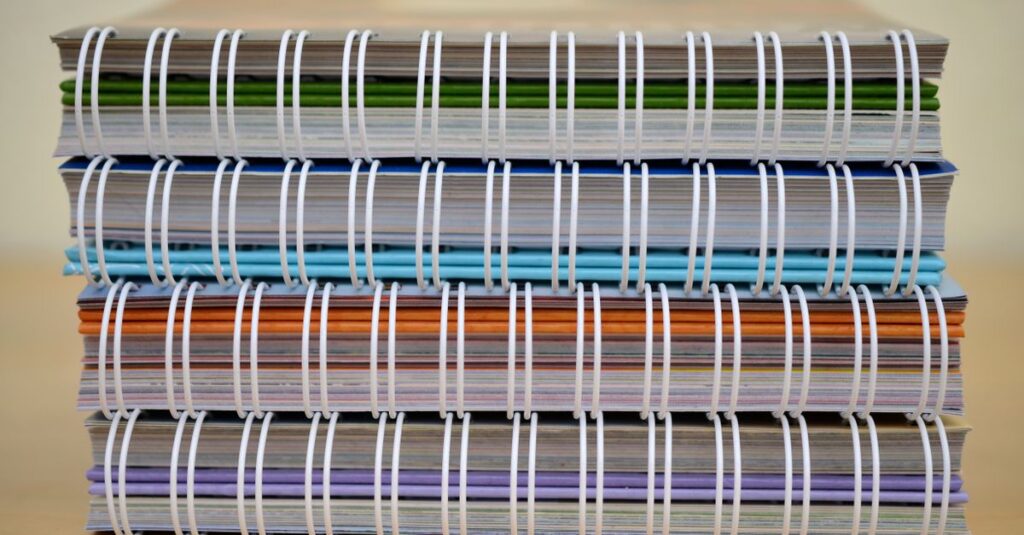
Spiral, Stitched, or Perfect? A Binding Showdown
Okay, let’s get into the weeds. The binding. It seems trivial until a book falls apart. Here’s how it actually plays out for different users.
| Feature | Spiral / Wire-O Binding | Stitched (Saddle Stitched) Binding | Perfect Binding (Glued) |
|---|---|---|---|
| Best For | Lay-flat use, drawing books, training manuals. Lays completely flat. | Standard school notebooks, cheap diaries. Durable for page-turning. | Thicker notebooks, corporate diaries, books with many pages (200+). Looks “book-like”. |
| Durability | Very high. Pages can’t fall out unless wire is damaged. | High. Pages are stapled/stitched through the spine. Can withstand student abuse. | Moderate. The glue can crack if the book is forced flat or in very dry/humid conditions. |
| Cost Implication | Higher cost per unit. More complex machine setup. | Most cost-effective for standard page counts (52-120 pages). | Mid-range. Good for giving a premium feel to thicker volumes. |
| Page Limit | Very flexible. Can handle large page counts. | Has a practical limit (usually up to 240 pages, depends on paper). | Excellent for high page counts (320, 700 pages). |
| Reality Check | Spirals can get bent in bags, snagging on things. Not always the neatest for formal corporate gifts. | The workhorse of the industry. If you’re supplying schools in bulk, this is probably your default. | Looks the most “official,” but tell your users not to force it flat. It will crack. I’ve seen it a hundred times. |
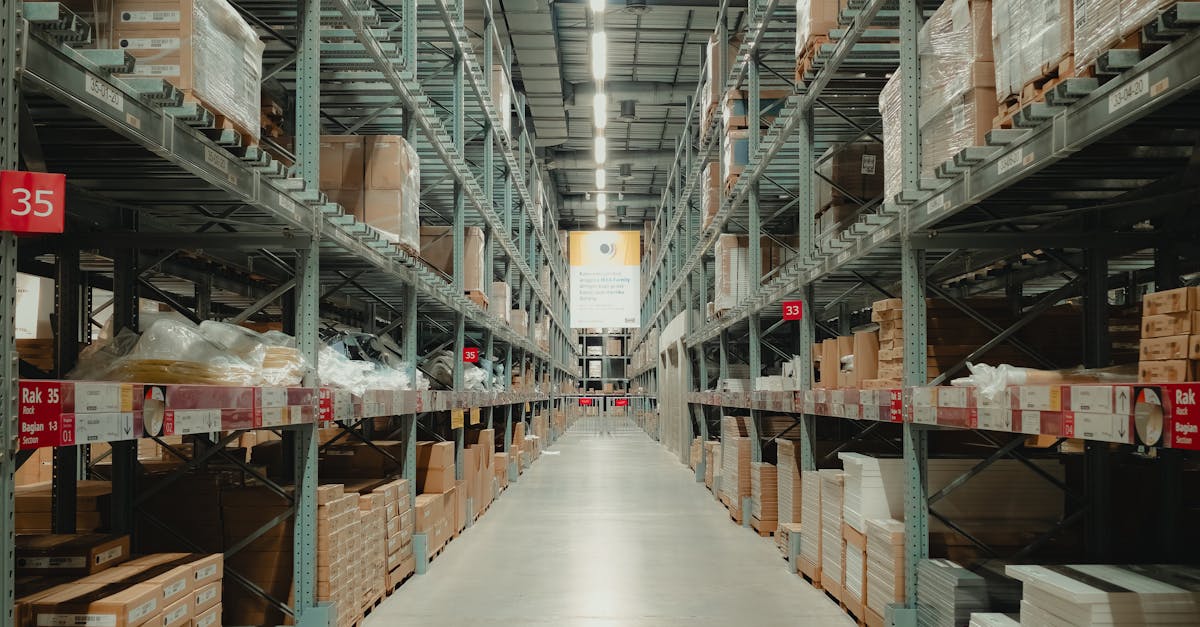
The silence in a warehouse full of these options has weight. Choose wrong, and you’ll hear about it.
Navigating the Logistics: From Rajahmundry to Your Warehouse
You’ve picked a supplier. The books are made. Now you have to get them. This is where geography and scale bite you. A manufacturer based in a production hub like Rajahmundry or Jalandhar has advantages – lower operational costs, skilled labour pools, established supply chains for paper and ink. The price reflects that. But you’re in Mumbai, or Bengaluru, or Dubai.
Transportation becomes a real line item. Sea freight for exports (to Gulf countries, Africa, etc.) is cheap per unit but slow. Air freight is fast but can double your landed cost. For domestic orders, a full truckload (FTL) is vastly more economical per book than less-than-truckload (LTL) shipments. If you’re ordering 50,000 notebooks, you can likely fill a truck. If you’re ordering 5,000, you’re sharing space with someone else’s cargo. This affects price, timing, and risk of damage. A good wholesale partner will help you figure this out, not just say “FOB Factory.” They should have experience shipping to schools across India or exporting containers to the Middle East and know the paperwork headaches involved. Ask them: “What’s the most cost-effective way to get this to my location?” If they don’t have an answer, they’re just a factory, not a partner. Which is…a lot to sit with when you’re on a deadline.
FAQs About Wholesale Notebook Buying
What is the minimum order quantity (MOQ) for wholesale notebooks?
It varies wildly. For standard stock notebooks, a serious wholesaler might start at 500–1000 pieces per SKU. For custom printed notebooks, the MOQ is higher—often 2000 to 5000 units—to cover the setup costs for printing plates and machine calibration. Always ask this first.
Can I get samples before placing a bulk order?
Any reputable manufacturer will send physical samples, usually for a small fee that’s often credited against your first order. This is non-negotiable. Inspect the paper, the print quality, the binding, the cover stiffness. Don’t rely on digital pictures.
How far in advance should I place a bulk order for notebooks?
For standard items, aim for 4–6 weeks. For custom items with printing and special paper, 8–12 weeks is safer, especially during peak seasons (like before the school year). Rush orders are possible but expensive and stressful for everyone.
What details do I need to provide for a custom notebook quote?
You need to be specific: Size (e.g., Long – 27.2cm x 17.1cm), Page Count & Paper GSM, Type of Ruling (SR, DR, Unruled), Binding Type, Cover Material (e.g., 250gsm art card), and a print-ready design file for the cover. The more detail, the more accurate the quote.
Do you export notebooks internationally?
Yes, many Indian manufacturers like us have strong export channels, particularly to the Gulf, Africa, and parts of Europe & the USA. They handle export documentation, packing, and arrange sea/air freight. Expect to discuss terms like CIF (Cost, Insurance, Freight) for your port.
The Part About Trust
Look, I’ll be direct. After forty years in this business, the single thing I’ve learned is that this entire process boils down to trust. You’re sending money, often upfront, to a company hundreds of miles away. You’re trusting them to translate your specs into a physical product, on time, and to a standard. That’s a leap of faith. The only thing that mitigates that risk is transparency, communication, and a track record. Ask for client references. Check how long they’ve been around (a company from 1985 has seen a few economic cycles). See if they answer your detailed questions patiently or just fire back a PDF price list. In my experience, the buyers who get burned are the ones who ignored the small, nagging doubts about communication for the sake of a 5% lower price.
I don’t think there’s one perfect supplier for everyone. Probably there isn’t. But if you’ve read this far, you already know the difference between buying a commodity and sourcing a solution. You’re just figuring out if your current project needs the latter. And honestly? It usually does. The question isn’t whether you need a good wholesale partner. It’s whether you’re ready to look for one beyond the price-per-unit column. If you want to talk specifics with someone who’s been making those notebooks since 1985, that’s a conversation we can have.