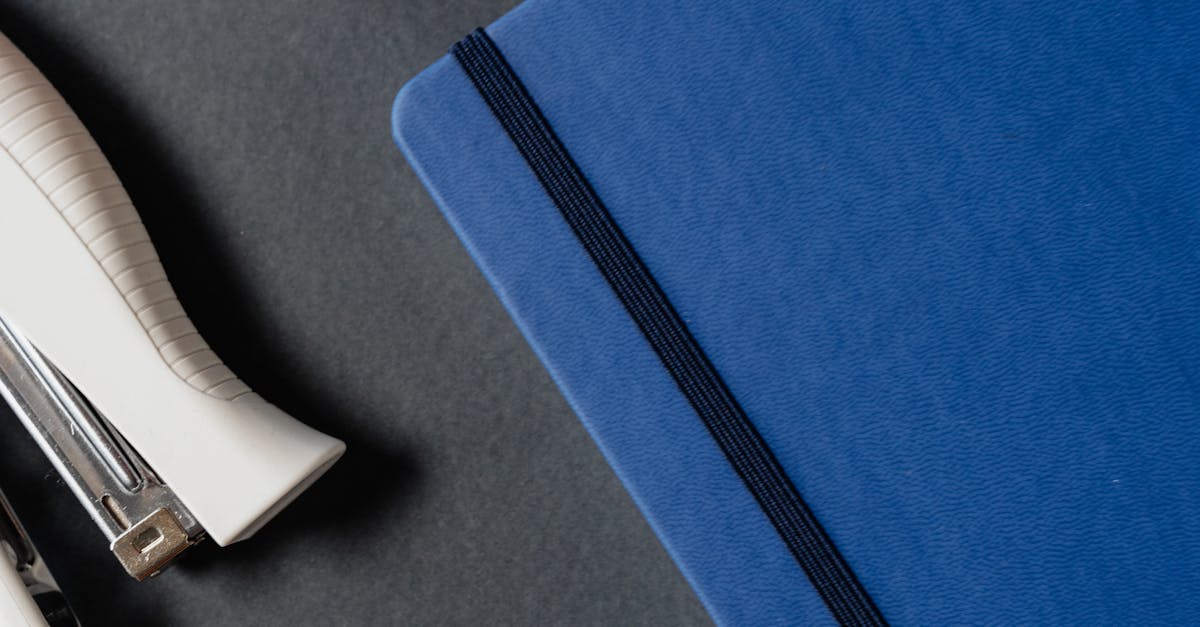
Look — It’s Not Just a Notepad.
You’re probably looking at this because someone in your office, maybe a department head, just sent you an email. Subject line: “Need new stationery.” They want notepad books. Not the cheap spiral things. The ones people actually use in meetings. The ones that don’t fall apart when you’re trying to look professional.
And now it’s your problem. Procurement.
You’ve got to find a supplier. Not just any supplier — one that can handle bulk. One that can maybe slap your logo on the cover. One that won’t ghost you after you place a 5000-unit order for the marketing department. You’re not just buying paper. You’re buying a tool that sits on every desk. And if it’s wrong, everyone complains. Quietly. But they complain.
Anyway. If this sounds like the kind of headache you’re trying to avoid, looking at a manufacturer who’s been doing this for decades might be a good start.
What Actually Is a “Notepad Book”?
This is where it gets fuzzy. Because here’s the thing — people throw these terms around like they’re interchangeable. They’re not.
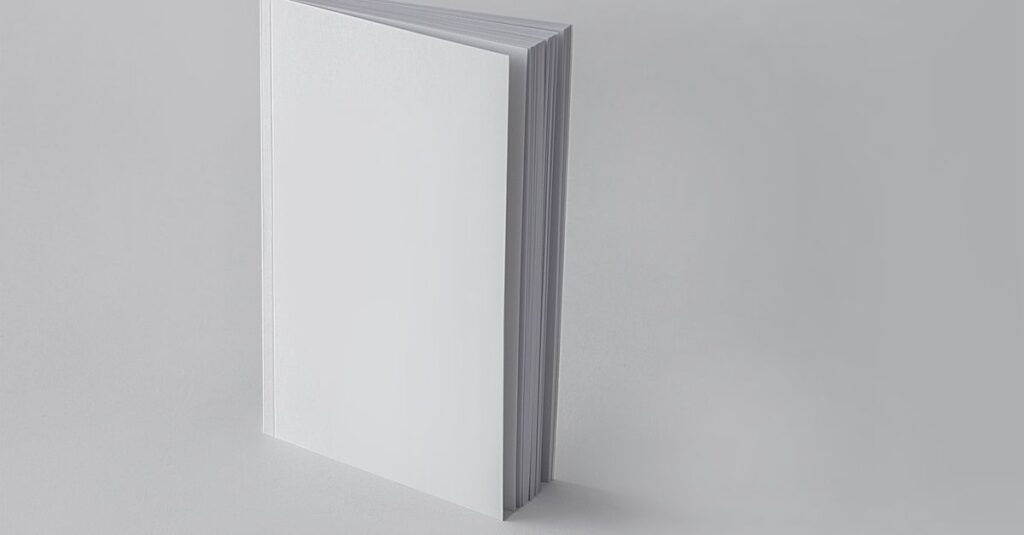
A notepad book, in the world we live in (the one where you’re ordering for an entire organization), is basically a bound notebook with a stiff back cover and a glued or stitched top. It’s meant to sit on a desk. It’s meant to be used for meeting notes, quick calculations, phone messages. It’s not a flimsy memo pad. It’s more substantial.
- Size: Usually something sensible. A5-ish. Long (27cm). Crown size. Something that fits in a drawer or a desk organizer.
- Paper: Smooth writing paper. Usually 54 to 70 GSM. It needs to feel good to write on with a ballpoint or a fountain pen — because someone in finance will absolutely use a fountain pen and complain if it bleeds.
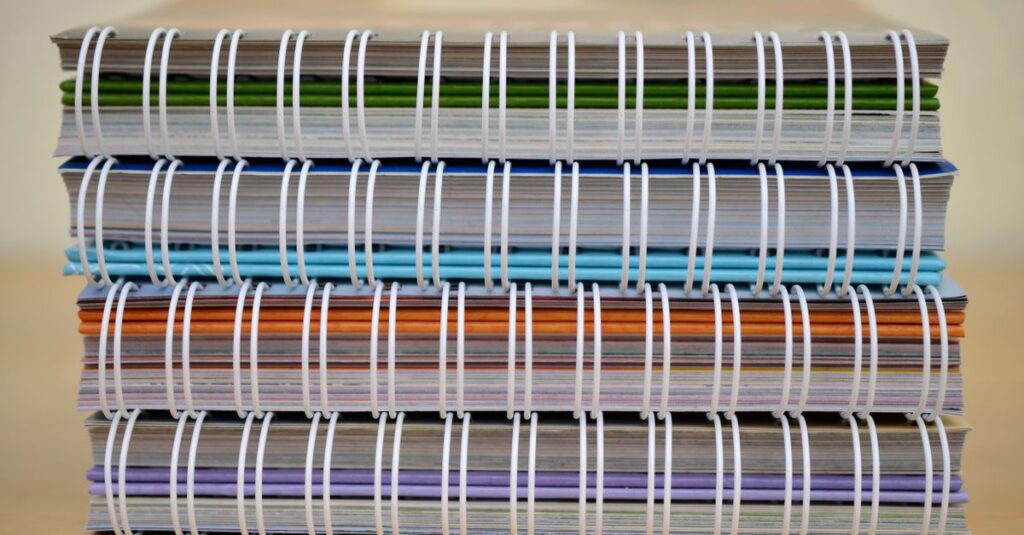
- Binding: This is key. It needs to lay flat. Perfect binding or stitched binding. Spiral binding is sometimes used, but for a corporate desk, the clean look of a glued spine is… preferred. It looks serious.
I was talking to a procurement manager from a Hyderabad-based firm last month — over a frustratingly slow email chain — and he said the quiet part out loud: “The notebook on someone’s desk is a tiny, silent billboard for how much the company cares about details.” He’s not wrong.
The Real-Life Stuff
Ravi, 42, procurement lead for a mid-sized IT services company in Bangalore. His office has three floors, about 300 people. The quarterly stationery refresh is his recurring low-grade nightmare. Last quarter, he ordered 400 “executive notepads” from a new online vendor. They arrived. The covers were slightly misaligned on every single one. The paper was thinner than promised. Not a single person said anything to him directly. But three weeks later, his manager forwarded an email from the head of sales: “Can we please get some proper notepads for client meetings? The ones we have look cheap.” Ravi spent the next week sourcing, sampling, and apologizing. The notepads now live in a supply closet, unused.
That’s the stakes.
Why Your Business Needs the Right Ones
It’s not about stationery. Let’s be clear. It’s about two things: function and brand.
Function first. A good notepad book needs to work. The pages need to come out cleanly if they’re perforated. They need to not bleed through. The binding can’t crack when someone opens it for the first time in a quarterly review. These are basic, mechanical expectations. When they’re not met, it creates friction. Small, stupid friction that makes people grumble about “corporate supplies.”
And brand? This is the part people underestimate. A custom notepad book with your company logo and maybe a subtle brand color on the cover is marketing. It’s internal marketing. It sits there, every day, reminding your team what they’re a part of. It’s also external marketing when a visitor sits in a meeting and sees it. It says, “We pay attention.”
Most people don’t realize is how cheap that brand impression actually is when you order in bulk. The unit cost for a custom-printed, decent-quality notepad book at scale is surprisingly low. The perceived value? High. It’s one of the most cost-effective bits of brand real estate you can get.
Expert Insight
I was reading an old industry journal piece — can’t remember the exact year, maybe 2018 — and one line from a plant manager stuck with me. He said the biggest shift he’d seen in twenty years wasn’t in binding tech or paper. It was in expectation. Buyers for institutions and corporations used to care about three things: price, delivery date, page count. Now, they care about five: price, delivery date, page count, custom design flexibility, and sustainable sourcing. The conversation changed. It became about partnership, not just purchase orders. I think that’s the real shift. The supplier you pick now isn’t just a vendor; they’re the ones who will handle your panic re-order when you forget about the new hire onboarding next month.
The Manufacturing Trap (And How to Avoid It)
Okay. Let’s get practical. You’re evaluating manufacturers. The internet is full of them. Here are the traps, the things that look fine on a website but will ruin your quarter.
- The Sample Switcheroo: They send a beautiful, perfect sample. Impeccable. You place the bulk order. What arrives is different. The paper feels rougher. The color is off. The binding is looser. This happens more than anyone admits. The reason? The sample was hand-made, often from a different paper stock. The bulk run is from the automated line.
- The Communication Black Hole: You get a quote. It looks good. You send a clarifying question about the ruling type. Silence for four days. Then a one-line reply that doesn’t answer your question. This is a red flag the size of a factory. If they can’t communicate during the sale, they will vanish when there’s a problem with the shipment.
- The Hidden Cost Surprise: “FOB Rajahmundry.” “Packaging extra.” “Plate charge for custom logo.” The quote seems low, then the final invoice has fifteen add-ons. A professional manufacturer gives you an all-in price per unit, delivered to your godown or office. No surprises.
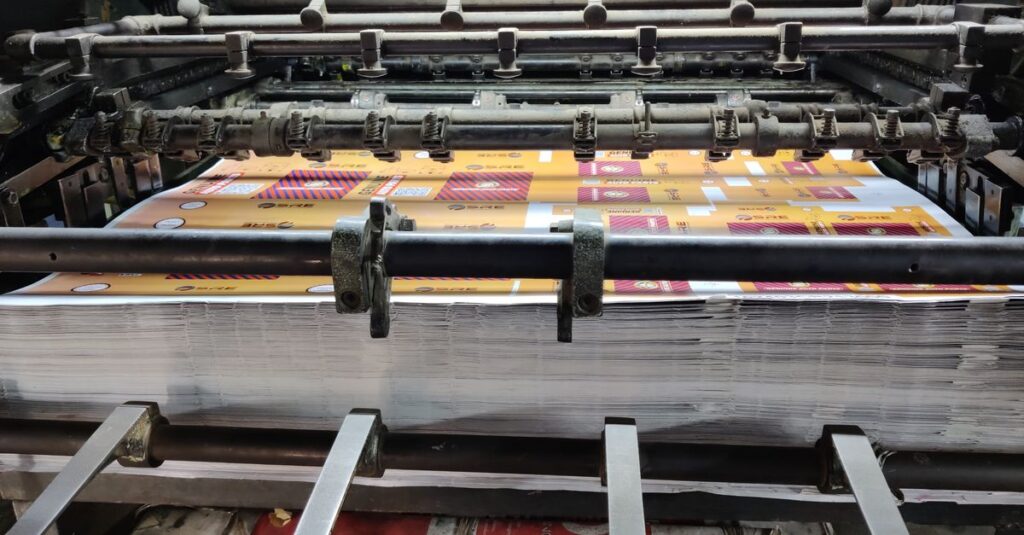
How do you avoid it? Ask for references. Not testimonials on their site — actual names of other businesses they supply. Ask for a production video. A real one, showing their factory floor. It sounds like a lot, but it saves you the Ravi-from-Bangalore situation. Trust me.
Custom vs. Standard: Picking Your Path
This is the fork in the road. Do you go for a standard, off-the-shelf notepad book? Or do you customize?
| Feature | Standard Notepad Book | Custom Notepad Book |
|---|---|---|
| Lead Time | Short (1-2 weeks) | Longer (3-6 weeks) |
| Unit Cost | Lower | Higher (but marginal at high volume) |
| Branding | None or generic | Your logo, colors, text |
| Paper & Ruling | Limited choices | Full control (GSM, ruling, color) |
| Minimum Order | Low (100-500 units) | Higher (usually 1000+ units) |
| Best For | Internal use, general supply | Client-facing teams, corporate gifting, brand building |
| Perceived Value | Functional tool | Branded asset |
My take? If it’s for general office supply, standard is fine. Get a reliable, good-quality workhorse. But if any of these books are going to be seen by clients, partners, or used by your leadership team — customize. The cost difference per book at scale is often less than a cup of chai. The impact isn’t.
The Bulk Order Mindset
Thinking in bulk changes everything. You’re not buying stationery; you’re managing an asset. Here’s what that actually means for your process.
First, storage. Where are these 5000 notepad books going to live? You need to factor that in. A good manufacturer will offer phased delivery — ship 2000 now, 3000 in two months. This isn’t a special favor; it’s standard for bulk buyers. Ask for it.
Second, forecasting. This is the headache. You need to look at your usage, factor in attrition (people take them home, it happens), and plan for growth. The biggest mistake is under-ordering. Running out of a basic like notepads makes you look disorganized. Over-ordering ties up capital and space. I find — and I could be wrong — that most companies do the former. They order just enough. And then they run out in October and panic.
The smarter play? Establish a relationship with a manufacturer who can handle repeat orders smoothly. Make your first order a test. See the quality, the delivery, the communication. If it’s solid, you’ve just solved this problem for the next two years. You can set up a standing order. The peace of mind is worth the extra few minutes of negotiation upfront.
Anyway. Where was I.
The real key is finding a partner who treats your bulk order like it matters to them, not just another invoice. Because for you, it’s not just another box.
Frequently Asked Questions
What’s the typical lead time for a bulk order of custom notepad books?
It depends on complexity, but for a standard custom job — your logo, maybe one ink color — expect 4 to 6 weeks from final approval. This includes plate making, production, drying, binding, and quality check. Rush jobs are possible but cost more and can compromise quality. Always plan ahead.
How many pages should a standard corporate notepad book have?
There’s no “standard,” but most corporate desk notepads range from 92 to 200 pages. 92 pages is lightweight, good for general use. 200 pages is substantial, lasts longer, feels more premium. The choice depends on usage and how often you want to replenish them. For heavy note-takers (think project managers), go thicker.
Can we get different rulings on different pages in the same notepad book?
Technically, yes. It’s called “mixed ruling.” You could have plain pages, ruled pages, even graph pages in one book. But. It’s more expensive. It requires special collating and makes the manufacturing process slower. For most corporate needs, picking one consistent ruling (like single-ruled or plain) is simpler, cheaper, and gets the job done.
What paper GSM is best to prevent ink bleed-through?
Bleed-through is the enemy. For a notepad book that will see all kinds of pens, aim for at least 70 GSM paper. 54-60 GSM is common for school notebooks and is fine for pencil or light ballpoint, but fountain pens and some gel pens will ghost. If you want a premium feel and zero show-through, 80 GSM is the sweet spot. It feels substantial and performs well.
Do manufacturers help with the cover design?
Many do. A full-service notebook manufacturer will have a design team or can recommend a simple layout. You provide your logo and brand guidelines, they can mock up options. However, for complex, artistic designs, you’re better off using your own designer and supplying print-ready artwork. It gives you more control and avoids translation errors.
Wrapping This Up
So. A notepad book. It seems simple. It’s not.
It’s a tiny piece of daily operations that, when done wrong, creates a whisper of incompetence. When done right, it just… works. It becomes invisible, which is the highest compliment you can pay to a tool.
The main points? Know what you’re actually buying — it’s a bound, functional tool. Decide if brand matters enough to customize. Vet your manufacturer like they’re going to be a long-term partner, because they should be. And think in terms of bulk, not just boxes.
I don’t think there’s one perfect supplier. Probably there isn’t. But if you’ve read this far, you’re not just looking for a product; you’re looking for a solution that doesn’t break. You’re looking for someone who gets that this isn’t a trivial purchase. It’s the thing everyone uses and nobody thanks you for — until it’s wrong.