What Exactly Is Printing Copy in Notebook Manufacturing?
You've heard the term before — printing copy. But what does it actually mean when you're ordering notebooks in bulk? I'll tell you straight: it's the process of printing the interior pages of a notebook. The sheets that people actually write on. Not the cover, not the binding. The copy.
Here's the thing — most people don't think about it until something goes wrong. The lines are faded. The text is crooked. The paper feels wrong. And then you're stuck with a thousand notebooks that nobody wants.
I've been in this industry long enough to know that printing copy is where the quality lives or dies. If you're a procurement manager ordering for a school or a corporate buyer needing branded diaries, you need to get this right. And honestly? Most people don't ask the right questions.
We'll break it all down here. And if you need a reliable partner for your next order, check out Sri Rama Notebooks — we've been doing this since 1985.
How Printing Copy Works — The Process from Blank Paper to Printed Pages
Let me walk you through what happens in a real factory. Not the glossy brochure version. The actual messy process.
First, you choose the paper. Standard stuff is around 54 GSM — smooth enough for writing, thick enough that ink doesn't bleed through. But if you're printing copy for account books or high-end diaries, you might go heavier. 70 GSM. 80 GSM. It matters.
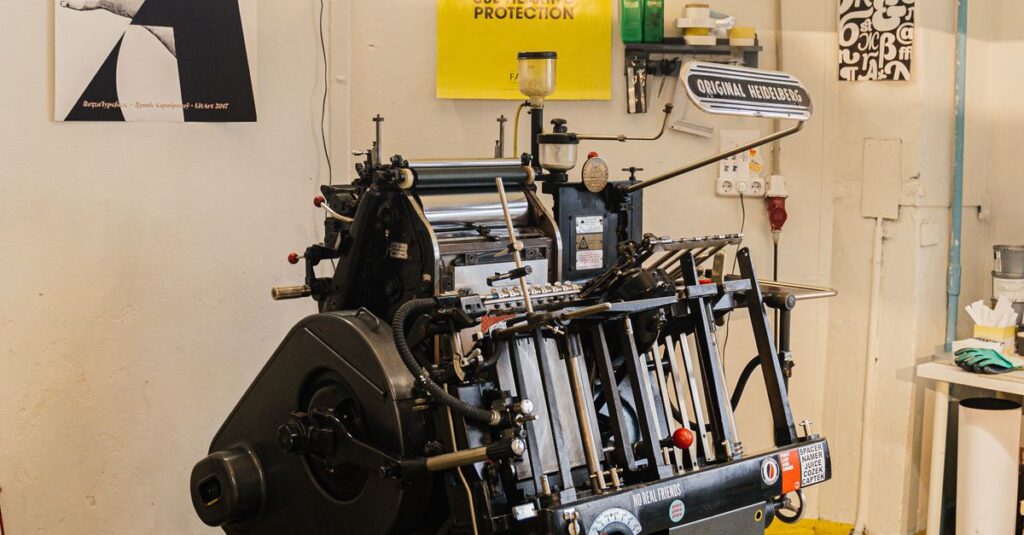
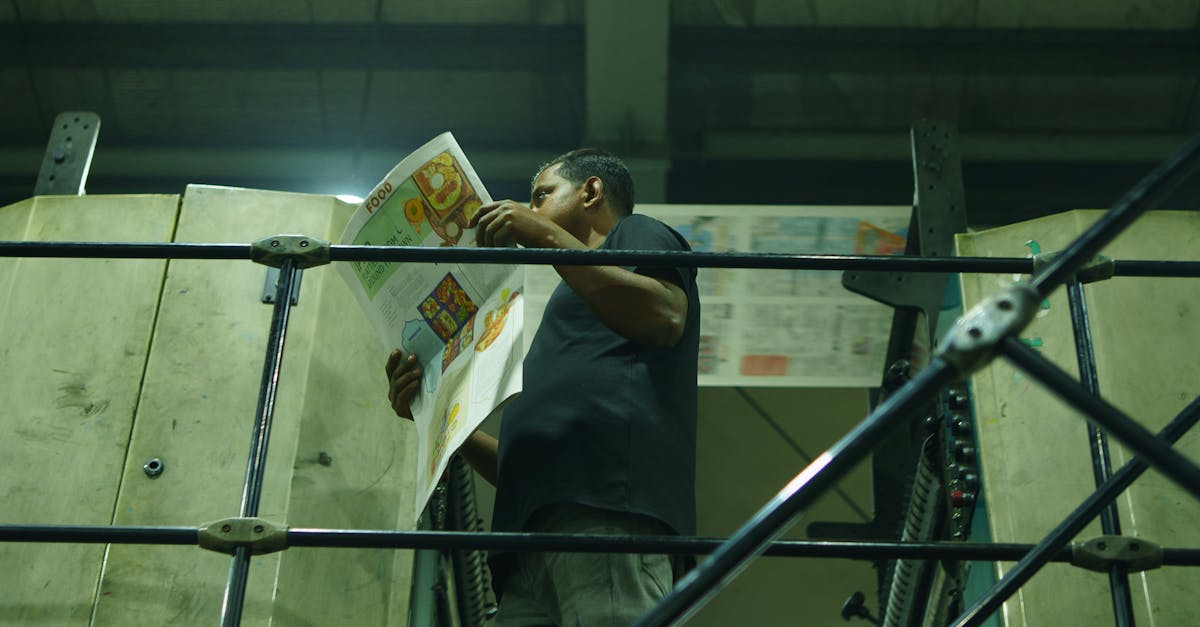
Then the plates. For offset printing — which is what most bulk orders use — you need metal plates. Each plate holds the image for one color. Four plates for full color (CMYK). Or just one for black ink. The plates get mounted on the press, and the press starts rolling. One sheet after another. Fast. Three reasons to care about the plate quality: sharper lines, consistent color, fewer wasted sheets.
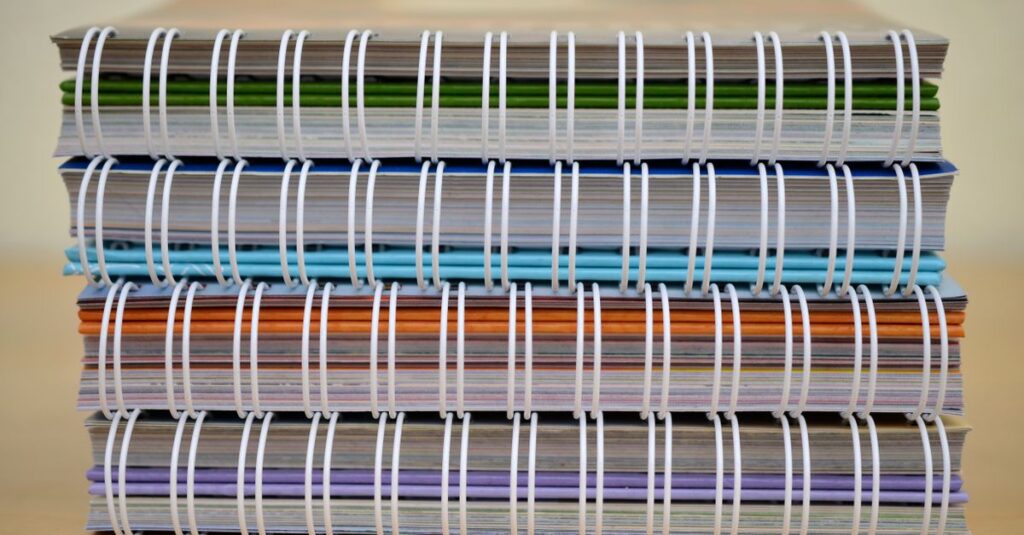
After printing, the sheets get dried. Then folded. Then collated into sections. Each section becomes part of a notebook. If you're doing stitched binding, the sections get sewn together. If it's spiral, they get punched and bound with a wire.
I remember one order — a school in Vijayawada wanted 12,000 notebooks with their logo on every page. The printing copy had to be perfect. We ran a test batch first. It took an extra day. But the principal called later and said the kids loved them. That's the thing about printing — the details you fix on a test run save you from a disaster at delivery.
Anyway. That's the basics. But the real choice comes down to which printing method you use.
Offset vs Digital Printing for Notebook Copy — Which One Should You Choose?
Two main ways to print copy for notebooks: offset and digital. Each has its place. Here's a comparison that should help you decide.
| Factor | Offset Printing | Digital Printing |
|---|---|---|
| Best for | Large quantities (500+) | Small runs or prototypes |
| Cost per unit | Cheaper at scale | Higher per piece |
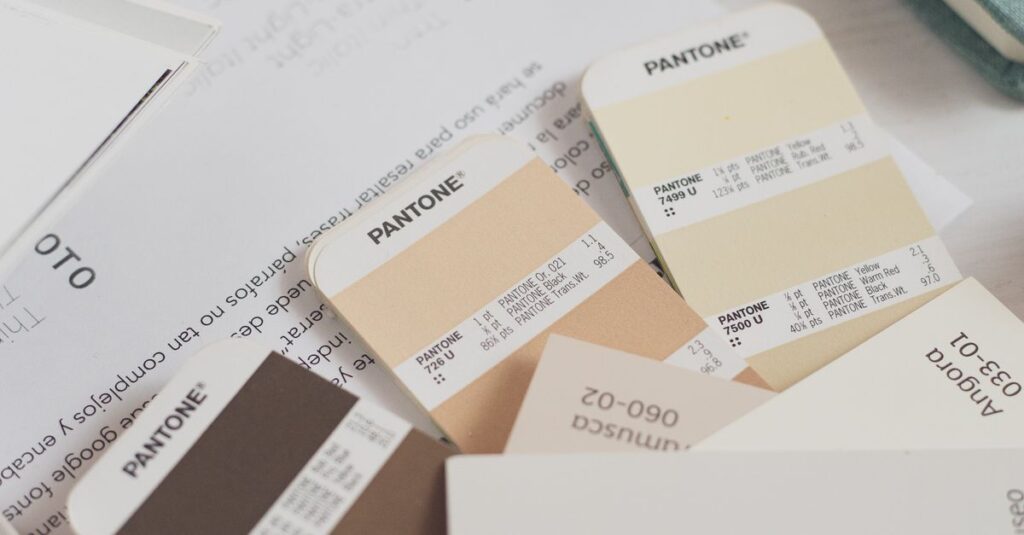
| Color accuracy | Excellent, Pantone matching | Good but less consistent |
| Setup time | Requires plate making, longer lead | Minimal setup, faster turnaround |
| Paper options | Wide range, can handle thicker stock | Limited to certain paper types |
| Durability of print | High — ink bonds to paper | Good but can fade faster |
The general rule: if you're ordering up to 300 notebooks, digital might be fine. Above that? Offset saves you money and gives better quality. But I've seen exceptions — some digital presses today are incredible. Still, for bulk printing copy, offset is still king.
One more thing: don't assume digital means bad. It doesn't. But if you want that crisp, professional look for a corporate diary, offset is the safer bet. I've had clients who regretted skimping on the print method. They ordered 5,000 units with digital and the ink smudged after three months. Not pretty.
Why Quality of Printing Copy Matters for Your Brand
You're not just buying paper and ink. You're buying a tool that people use every day. A notebook that shows your logo, your message, your identity. The printing copy is the part they see most — every time they open it.
I was talking to a distributor from Hyderabad last month. He told me about a batch of notebooks he'd ordered from another supplier. The printing copy looked fine in the sample. But the bulk order had misaligned lines. Some pages had double-printed text. His clients returned half of them. He lost a contract worth 2 lakh rupees. All because the printing wasn't checked properly.
Expert Insight
I remember sitting with an old press operator at our factory. He's been running offset machines since the 90s. He told me once: “The best printing copy is the one you don't notice.” He meant that when everything is aligned, the ink is dry, the paper feels right — nobody compliments it. But when it's off? That's all they see. That stuck with me. We obsess over the details not because we want applause, but because one bad batch destroys trust.
The question isn't whether you need good printing copy. It's whether you're willing to pay the price for it.
Common Mistakes When Ordering Bulk Printing Copy
I've seen the same mistakes over and over. Let me save you the headache.
- Not checking a physical proof. Digital proofs lie. Always ask for a hard copy before mass production.
- Choosing the wrong paper weight. Thin paper causes bleed-through. Thick paper adds cost. Find the balance.
- Ignoring bleed margins. If your design goes to the edge, you need extra space. Otherwise, you get white borders.
- Assuming all printers are the same. They're not. A manufacturer who handles printing copy daily will give you better results than a general printer.
- Skipping the binding check. Even perfect printing copy is useless if the pages fall out after a week.
Look, I get it. You're busy. You just want the order done. But taking an extra fifteen minutes to review a sample can save you weeks of headache later. I don't mean to sound dramatic — I just know how this industry works.
And if you're looking for a manufacturer who actually checks the copy before it ships, click here.
Frequently Asked Questions
What is printing copy in notebook manufacturing?
Printing copy refers to the process of printing the interior pages of a notebook — the lines, grids, logos, or text that appear on each sheet. It's different from cover printing. The quality of printing copy directly affects usability and appearance.
How long does it take to print copy for a bulk notebook order?
For offset printing, setup takes 1–2 days for plates and color matching. After that, printing 10,000 notebooks might take 2–3 days. Digital printing is faster — same day or next day for small runs. Always ask for a timeline before confirming.
Can I print my company logo on every page of the notebook?
Yes. This is called custom printing copy. We can print a logo, watermark, or custom text on each page. It's common for corporate diaries and branded notebooks. The cost depends on the number of colors and pages.
What paper is best for printing copy?
Standard 54–60 GSM paper works for most notebooks. For fountain pens or heavy ink use, go for 70–80 GSM. Higher GSM reduces bleed-through but increases weight and cost. For account books, we often use 90 GSM to prevent ink from showing on the other side.
What's the difference between single-ruled and double-ruled printing copy?
Single-ruled has one horizontal line per row. Double-ruled has two lines — typically for children learning handwriting. The printing copy plate must be prepared accordingly. We offer both, plus four-ruled, broad-ruled, and unruled options.
Conclusion
Printing copy is the backbone of any notebook. It's what people actually write on. If the quality is off, the whole product feels cheap — regardless of how nice the cover is. I've seen too many bulk orders go wrong because someone didn't pay attention to the copy.
Two takeaways: always request a physical proof before production, and choose the right printing method for your volume. Offset for big runs, digital for small ones. And work with a manufacturer who treats printing copy seriously — not as an afterthought.
I don't think there's one perfect formula. Every order is different. But if you've read this far, you already know what matters. The next step is finding someone who can deliver it. Check out Sri Rama Notebooks — we've been printing copy since 1985.