What Exactly Is a Ruled Book?
I've been in the notebook business long enough to know that most people don't think about ruled books until they suddenly need a thousand of them. And then they realize – wait, what does 'ruled' even mean?
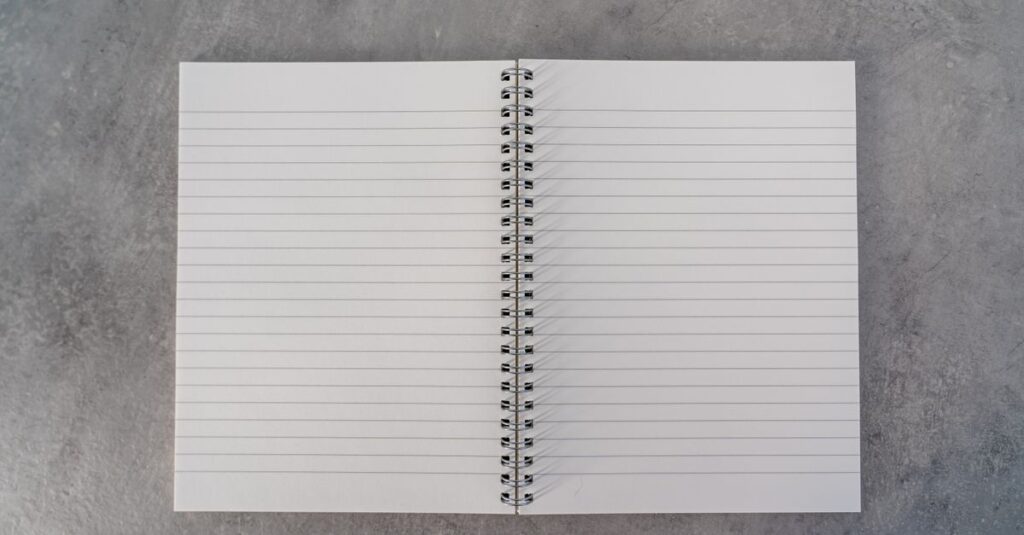
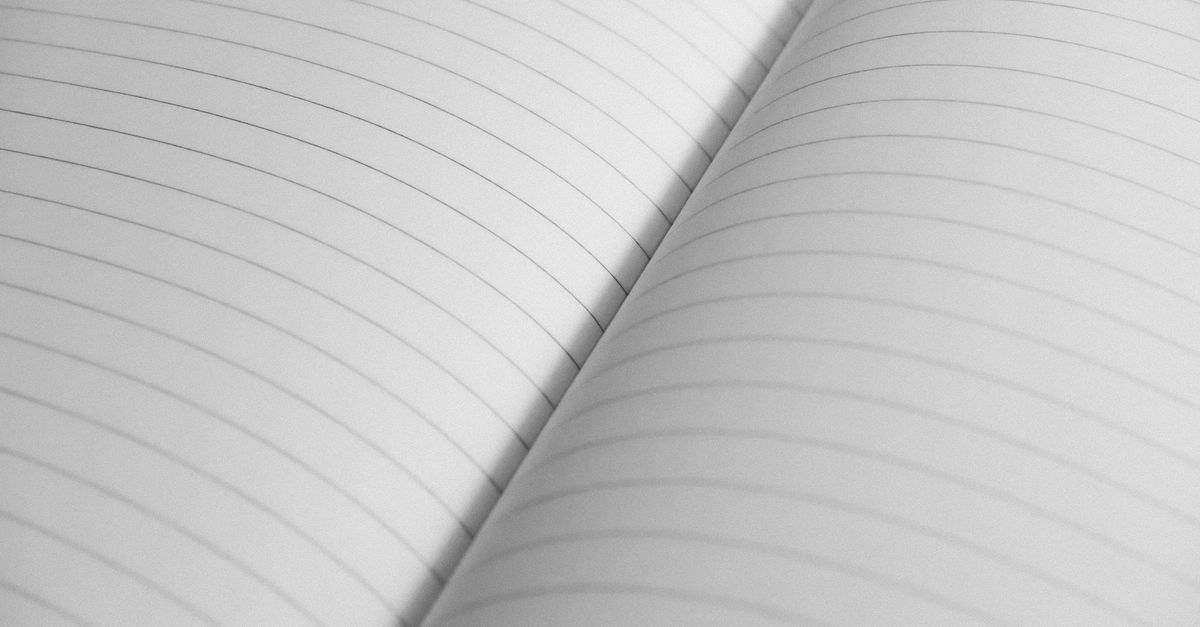
A ruled book is simply a notebook or diary where the pages have printed lines. Nothing fancy. Those horizontal lines that keep your handwriting straight – that's a ruling. And the book that has them? That's your ruled book.
But here's the thing – there are many kinds of lines. Single rule, double rule, broad rule, four rule, cross rule. Each one serves a different purpose. And if you're ordering in bulk – say for a school, a college, or an office – getting the wrong ruling type is a headache you don't want.
So let me walk you through what matters. If you're tired of returned orders or confused specs, this guide is for you. Sri Rama Notebooks has been making ruled books since 1985 – so I've seen my share of mistakes.
Common Ruling Types – Which One Do You Actually Need?
At the factory, we print dozens of ruling patterns every day. But not all of them make sense for every use. Here are the ones you'll encounter most often:
- Single Ruled (SR) – One line per row. Standard for general writing. School notebooks, office pads.
- Double Ruled (DR) – Two lines per row. Used for handwriting practice (lowercase letters fit between lines).
- Broad Ruled (BR) – Wider spacing. For younger children or people with larger handwriting.
- Four Ruled (FR) – Four lines per set. Helps teach proper letter formation (ascenders, descenders). Very common in early education.
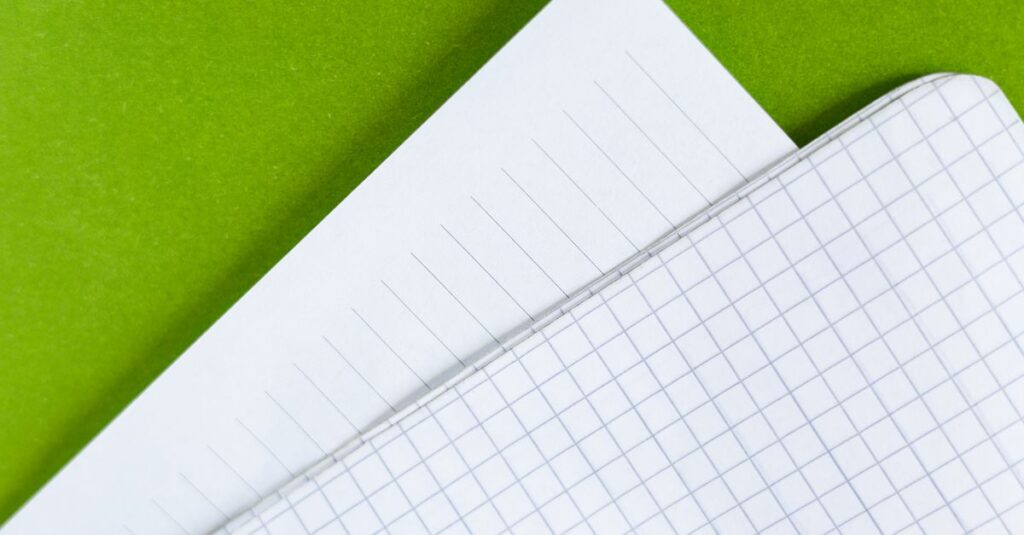
- Cross Ruled (CR) – Horizontal and vertical lines. For graphs, charts, math work.
- One Side Ruled (OSR) – Ruled on one side only, blank on reverse. Rare, but used for specific corporate forms.
Now, here's what I tell every procurement manager I meet: don't assume 'ruled book' means one thing. It doesn't. You have to specify the ruling code. SR, DR, BR – it matters. I've seen a school order broad ruled for a math class. Disaster. The lines were too wide for equations. They had to reorder.
Ruled Book vs Plain Notebook – A Quick Comparison
Sometimes buyers ask me: 'Should I get ruled or unruled?' The answer depends on use, but here's a table to help decide.
| Feature | Ruled Book | Plain (Unruled) Book |
|---|---|---|
| Best for | General writing, notes, assignments | Drawing, diagrams, mind maps |
| Handwriting | Keeps letters aligned | No guide – can look messy |
| Math & graphs | Only if cross ruled | Not ideal |
| Standard in schools | Yes – single or double rule | Rarely used for core subjects |
| Bulk cost | Similar (ruling adds minimal cost) | Similar |
| Customization | Ruling pattern can be customized | Blank pages – less to customize |
Takeaway: if you're ordering for students or general office use, go ruled. Only go plain if you're certain they'll draw or sketch.
How Ruled Books Are Made – An Inside Look
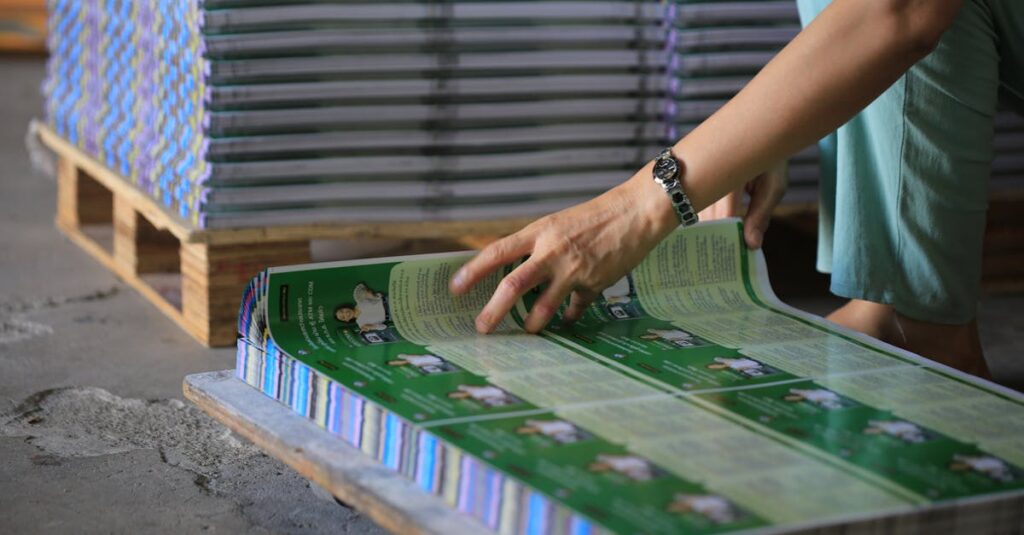
We print rulings using offset plates. Each ruling pattern has its own plate. The paper runs through the press, and the lines get printed along with the cover design. It sounds simple, but the alignment has to be perfect. If the lines are off by even half a millimeter, the whole batch looks wrong.
Expert Insight
I remember a call I got maybe two years ago. A distributor from Vijayawada – he'd ordered twenty thousand ruled books for a chain of schools. When the shipment arrived, the teachers complained the lines were too faint. He called me panicking. I asked: 'What GSM paper did you specify?' He didn't know. Turned out the paper was too thin (52 GSM), and the ink bled through the lines on the other side. We replaced the order on our cost – but that lesson stuck. Paper quality and ruling go hand in hand. Thicker paper (54 GSM or 60 GSM) handles ruling better, especially for double or four rule patterns.
Sometimes I think people don't realize how much thought goes into a simple ruled page. The line spacing, the thickness, the color of the ruling (blue or gray) – all of it affects how the user writes. I don't have a clean answer for why some rulings work better. But I know this: when you get it right, you don't hear complaints. And in this business, no news is good news.
Things to Watch Out for When Ordering in Bulk
Let me tell you about Rajesh. He's 34, works as a purchase officer for a group of private schools in Rajahmundry. Last year, he ordered 5,000 ruled books – single ruled, 92 pages, stitched binding. He thought he'd specified everything. But when the books arrived, the ruling was printed on the back of the cover page too, not just on the inside pages. He hadn't mentioned that he only wanted ruling on the inner pages. The school had to use correction stickers on every cover. Waste of time, waste of money.
That's the thing about ruled books. The details matter. Here's a short checklist I give every bulk buyer:
- Specify the ruling type exactly (SR, DR, FR, etc.)
- Mention paper GSM – at least 54 GSM for writing
- Decide if ruling should be on every page or only one side
- Check the ruling color – blue is standard, but some prefer gray
- Confirm binding – stitched, spiral, or perfect – affects how the book lies flat
Rajesh now calls me before every order. He says, "Just confirm the specs for me." I don't mind. It's better than another sticker fiasco.
Why Choosing the Right Ruled Book Matters for Your Business
If you're a distributor or a school supplier, the ruled book you choose reflects on your reputation. If the lines are misaligned, the paper bleeds, or the spacing is wrong, the end-user blames you. Not the manufacturer. So you need a partner who gets the basics right.
At Sri Rama Notebooks, we've been printing rulings since 1985. We know the difference between SR and DR better than most. We can customize ruling patterns for your specific need – even create a custom ruling if your institution has a unique format.
Look, I'm not saying every ruled book is the same. Because they aren't. Some manufacturers use cheap plates that wear out quickly, leading to uneven lines. Others skimp on paper, and the ruling becomes fuzzy. But if you work with a manufacturer who treats rulings with respect, you'll get a product that sells itself.
The question isn't whether you need a ruled book. It's whether you know exactly what you're ordering.
Frequently Asked Questions
What is a ruled book used for?
A ruled book has printed horizontal lines to guide handwriting. It's used for school notes, office writing, assignments, journals, and any situation where neat handwriting matters. The lines help keep words straight and uniform.
What are the different types of ruled books?
Common types: single ruled (SR), double ruled (DR), broad ruled (BR), four ruled (FR), cross ruled (CR), and one side ruled (OSR). Each has a specific line spacing and pattern for different writing needs – from kindergarten to professional accounting.
How do I choose the right ruled book for bulk ordering?
Specify the ruling type, paper GSM (minimum 54 GSM), ruling color, page count, binding type, and whether ruling should be on every page. Share a sample page if possible. Work with a manufacturer who understands ruling specifications.
Can I customize the ruling pattern in a bulk order?
Yes. Many manufacturers, including Sri Rama Notebooks, can create custom ruling patterns. You can change line spacing, add vertical margins, or include logos in the ruling area. Custom plates are made for large orders.
What paper is best for a ruled book?
Standard writing paper of 54 GSM to 60 GSM works well. Thinner paper (below 50 GSM) can cause ink bleed and make the ruling look messy. For premium feel, use 60 GSM or higher. The paper must also be opaque enough to hide ruling on the reverse side.
Conclusion
Three things to take away: ruling types aren't interchangeable – choose carefully. Paper quality affects how the ruling looks and feels. And never assume a manufacturer will get the details right without clear specs.
I don't think there's a perfect ruled book for every person. Probably there isn't. But if you've read this far, you know that getting the ruling right is half the battle. The other half is finding a partner who's been doing it long enough to care about the small stuff.
If you're planning a bulk order and want a ruled book that works, reach out to Sri Rama Notebooks. We'll help you nail the specs.