So You're Looking for the Best Journal Diary
Let me guess — you're tired of diaries that fall apart after three months. Paper so thin you can see last week's writing through the page. Covers that peel off like old wallpaper. I've been making notebooks since 1985, and I've seen every corner people cut. The truth is, finding the best journal diary isn't about picking the prettiest cover. It's about knowing what holds up. And if you're ordering for a company or a school, you need to get this right the first time. Otherwise you'll spend twice the money replacing them. I'll show you what actually matters — and what doesn't. If this sounds familiar, we've been making journal diaries for decades and I can tell you exactly what works.
What Makes a Journal Diary Actually “Best”?
Here's the thing — most people think a diary is a diary. Paper is paper. But I've seen the difference between a diary that lasts a year and one that lasts a decade. It comes down to three things.
Paper Weight (GSM) — The Hidden Factor
Cheap diaries use 50 GSM or less. You write with a ballpoint and the ink bleeds through. For a journal you actually use, you want at least 60 GSM. 70 or 80 GSM is even better. We use 54 GSM for our standard notebooks, but for premium journal diaries, we recommend 70 GSM. You can feel the difference. No ghosting. No bleed-through. Just clean pages.
Binding That Doesn't Fail
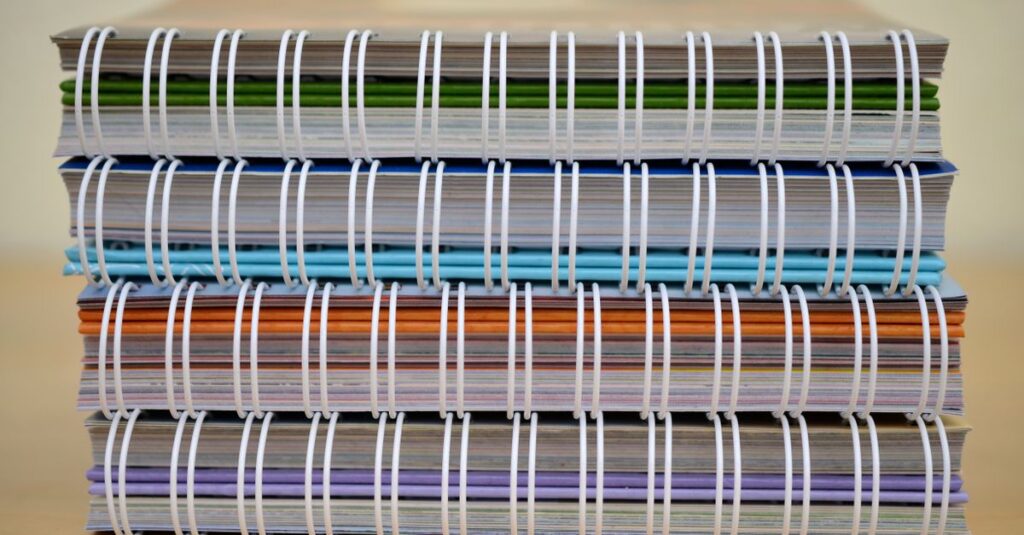
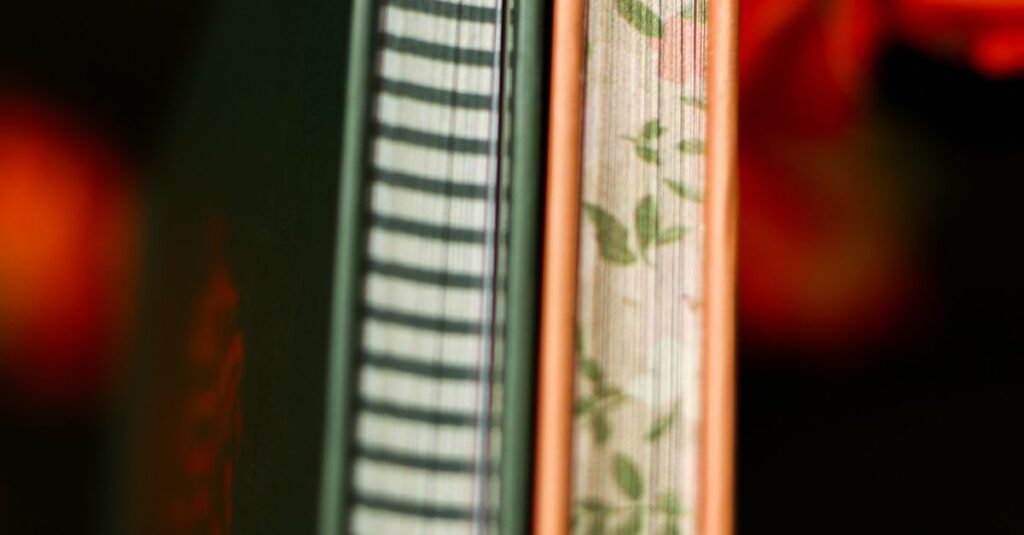
I've pulled diaries apart with my bare hands — literally. Stitched binding wins every time. Spiral is fine for pads, but if you want a diary that lays flat and doesn't lose pages after a few months, go stitched. Perfect binding (the glued kind) looks clean but cracks over time. For the best journal diary, stitched is the only choice.
Cover Material
Cardboard covers? They bend. Hardbound? Heavy but durable. For corporate diaries, I'd pick a thick, laminated hardcover. It's what we use for most export orders. The corners hold up, the spine doesn't break. And honestly? It looks professional on a desk.
I think — and I could be wrong — but nine times out of ten, people regret going cheap on paper and binding. They save a rupee per notebook and lose a customer. That's the math nobody talks about.
Common Mistakes When Buying Bulk Journals
I've heard enough stories from procurement managers to write a book. Here are the biggest traps.
- Ignoring page count — A 52-page diary isn't a journal. It's a glorified notepad. For a real journal, you need at least 200 pages. Our standard journal diaries come in 200, 240, even 320 pages.
- Choosing style over substance — Embossed covers with gold foil look great. But if the paper is thin, nobody will use it. The diary ends up in a drawer.
- Forgetting the ruling — Single ruled? Unruled? Dotted? Most people don't think about this until they start writing. We offer SR, UR, DR, FR, and more. Get it right upfront.
- Not checking the stitching — Some suppliers glue the spine and call it stitched. Open a sample and pull a page. If it comes loose, reject the batch.
Look, I'll be direct — buying the best journal diary in bulk isn't complicated. But it requires paying attention to details most people skip. The ones who skip pay twice.
Stitched vs Spiral: Which Binding Belongs in the Best Journal Diary?
Here's a comparison table. I've tested both for decades. This is what I tell my customers.
| Feature | Stitched Binding | Spiral Binding |
|---|---|---|
| Durability | Pages stay in place for years | Spiral can bend and lose pages |
| Lays flat | Yes, if sewn properly | Yes, but coils can catch |
| Professional look | Excellent for corporate diaries | Casual, more for student use |
| Repairability | Almost never needs repair | If coil breaks, entire diary is unusable |
| Best use case | Journal diaries, record books | Notebooks for quick notes |
Don't quote me on this, but I've never seen a stitched diary come back for repair. Spiral? Happens all the time. Especially when coils are thin.
Expert Insight: The Diary That Survived a Decade
I was in a stationery shop in Rajahmundry last year — the kind that's been there since the 70s. The owner pulled out a diary from 2012. Still intact. The cover was faded, but the pages were perfect. Stitched binding. 70 GSM paper. He said it was from a local school order. That diary wasn't fancy. It was just made right. And that stuck with me. Because the best journal diary doesn't need to shout. It just needs to survive.
The question isn't whether you can find cheaper. It's whether you want to be the one explaining why the diaries fell apart.
Real-Life Micro-Story: Ravi's Corporate Diary Nightmare
Ravi, 42, works as a procurement manager for a logistics company in Hyderabad. Last year, he ordered 500 custom diaries for the annual conference. Leather-like covers, gold embossing. They looked incredible. Three weeks later, employees complained the spines were cracking. Pages falling out. He had to scramble for replacements. He called me after that. Now he orders from us. He told me, “I should have checked the binding before. I just saw the price.” That's the thing — cheap diaries cost more in the long run.
Customization: Make Your Best Journal Diary Truly Yours
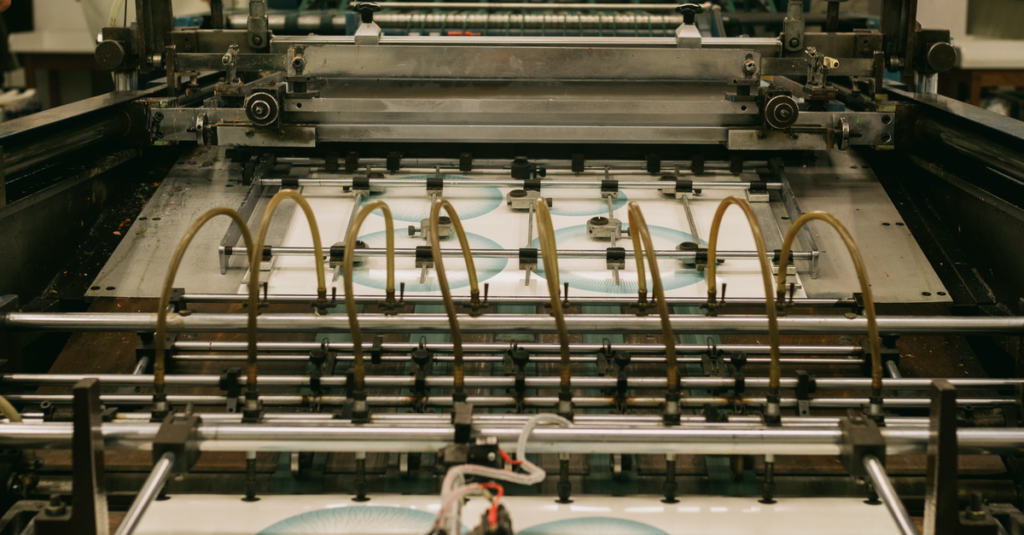
Corporate diaries are often given as gifts. A logo on the cover. Your company name embossed. Maybe a custom message inside. We do all that. Foil stamping, embossing, screen printing, foil stamping, private label, OEM. You name it. But customization isn't just about looks. It's about making sure the diary reflects your brand — and that means quality. A cheap diary with your logo says something. Not something good. If you want to see what's possible, our printing services page shows exactly what we can do. We can do 30,000 to 40,000 units a day, so bulk is not a problem.
Frequently Asked Questions
Frequently Asked Questions
What is the best journal diary for daily use?
Look for stitched binding, 70 GSM paper, and a durable hardcover. A 200–240 page count is ideal for a year of daily writing. That combination will last without falling apart.
How many pages should a good journal diary have?
At least 200 pages for a proper journal. Some prefer 320 pages if they write a lot. Our standard sizes include 200, 240, and 320 pages. More is usually better for bulk corporate orders.
Can I get custom logos printed on journal diaries?
Yes. We offer logo printing, embossing, foil stamping, and custom cover design. Minimum order quantities apply. Contact us for details on your specific requirements.
What's the difference between a diary and a journal?
Diaries often have pre-printed dates and a structured layout. Journals are usually undated and offer more free writing space. Both can be customized. The best choice depends on how it will be used.
Do you ship bulk journal diaries internationally?
Yes. We export to Gulf countries, Africa, USA, UK, Europe, and Australia. We handle customs documentation. Send us your requirements and we'll provide a quote with shipping.
So What's the Takeaway?
Finding the best journal diary for bulk orders comes down to paper weight, binding, and cover durability. Don't let a pretty cover fool you. Check the stitching. Check the GSM. And if you're ordering for a company, make sure your supplier knows what they're doing. I don't think there's one perfect diary for everyone. But the one that doesn't fall apart after a few months is a good start. If you're serious about quality, talk to us at Sri Rama Notebooks. We've been doing this since 1985. We know the difference.