What Does “Press and Print” Even Mean?
You see it on websites, you hear it from suppliers — “press and print services” — and if you’re buying notebooks, diaries, or any printed stationery in bulk, you nod along. But what are you actually nodding at? It sounds like jargon, I know. But honestly, it’s probably the biggest reason your school notebooks look crisp and your corporate diaries feel professional.
I was talking to a procurement manager from a big college last week. He said, “We just need notebooks. Printed covers. Good paper.” Right. And that’s exactly what “press and print” is for. It’s the whole process, from feeding blank paper into a machine, to stamping ink onto it in precise patterns, to cutting, folding, and finally binding it into the notebook you hold. It’s not magic. It’s a series of very old, very reliable mechanical steps that we’ve been doing since 1985.
If you’re a school, a business, or a distributor looking to order notebooks, understanding this isn’t just technical knowledge. It’s about knowing what you’re paying for. And whether your supplier actually does it well. You can see how we approach it here.
The Two Parts: Pressing and Printing
Let’s break it down, because most people lump them together.
The Press Part
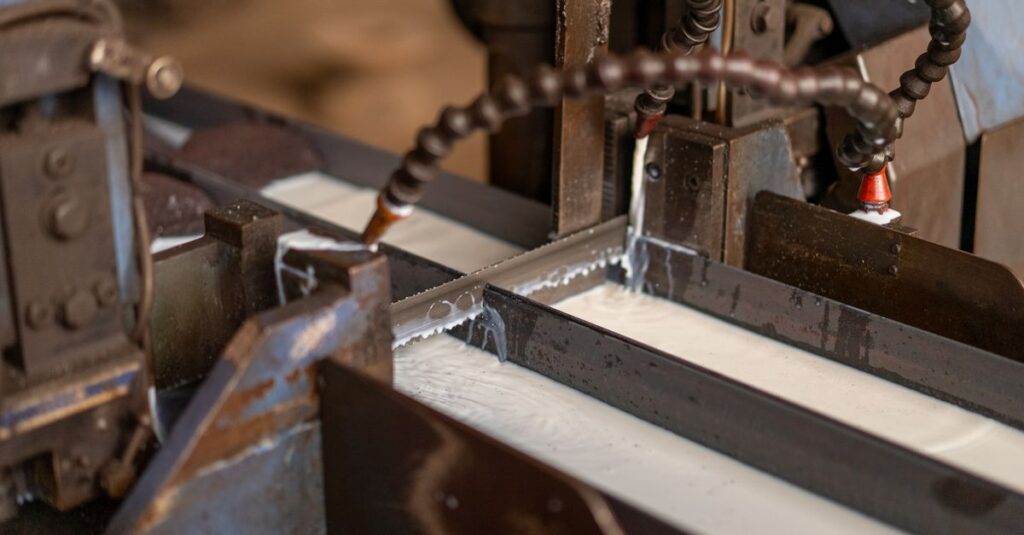
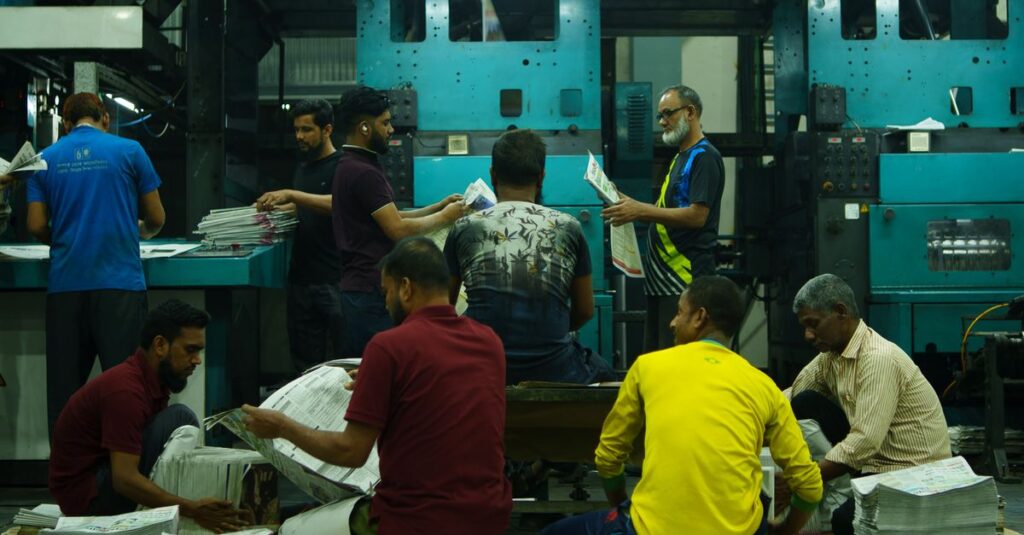
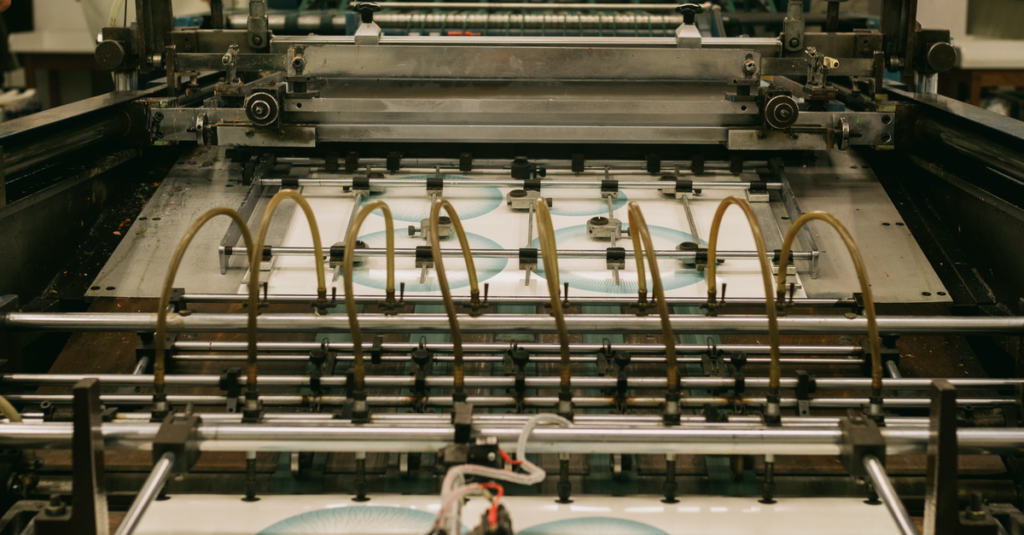
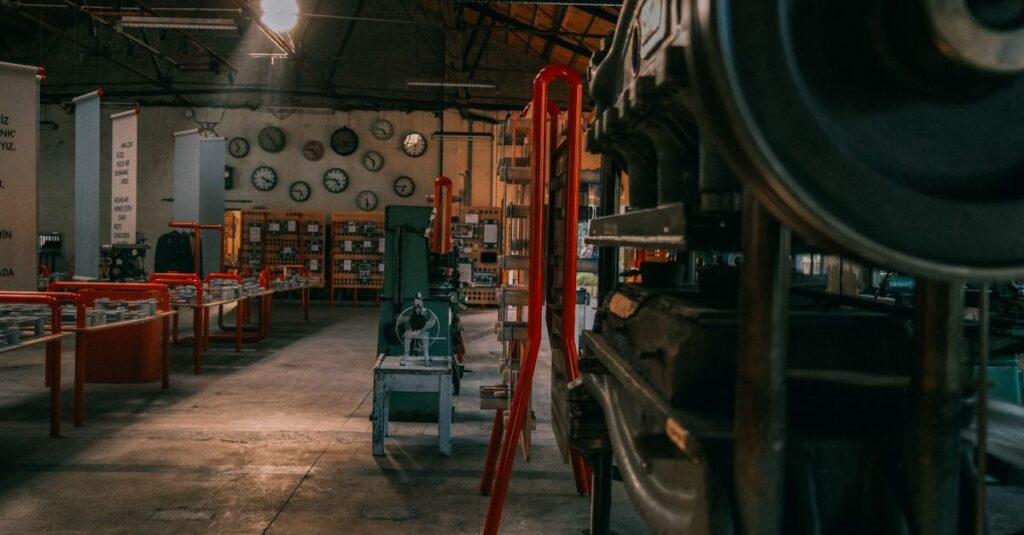
This is the heavy lifting. A press is a machine — a big, often noisy piece of engineering — that applies pressure to transfer ink from a plate onto paper. Think of it like a giant stamp. The most common type for bulk notebook manufacturing is offset printing. The ink gets “offset” from a metal plate to a rubber roller, then onto the paper. Why? Because it’s consistent. And for producing 30,000 notebooks a day, consistency is the only thing that matters here.
The press ensures every single page in your 5000-unit order has the same logo position, the same color density, the same sharpness. No variations. That’s what you’re buying when you go with a manufacturer who uses proper presses instead of, say, a digital printer for bulk jobs.
The Print Part
This is the design, the layout, the artwork. It’s the step before the pressing even happens. Someone — often you, the client — provides a design file. Your school emblem. Your corporate branding. A complex pattern for a private label notebook. That file gets translated into the plates that go on the press.
Printing, in this context, means the entire act of reproducing that image onto paper. It’s the promise. Pressing is the execution.
Why Bulk Notebook Buyers Need to Care About This
Look, if you’re ordering 100 notebooks for a small office, you might not care. But if you’re a government institution procuring record books for thousands of employees, or a school district sourcing notebooks for an entire academic year, the method matters. A headache, honestly, if it’s done wrong.
Wrong method means faded covers halfway through the run. Misaligned rulings on the pages. Colors that don’t match your brand guidelines. And then you have thousands of units that are… just off. Not unusable, but not right. And that’s a problem you can’t easily fix after delivery.
Real-life example: I remember a client from Hyderabad, a stationery wholesaler. He’d ordered 20,000 long notebooks from a smaller shop. The cover print was digital — not pressed. Half the batch had slight color shifts. Not a huge defect, but noticeable when stacked together. His retailers complained. He had to sell them at a discount. The lesson? For bulk, the economics of press printing just make sense. It gives you uniformity at scale.
This is where real press and print capability shows up.
Notebook Manufacturing: A Press and Print Walkthrough
So how does it actually work in a notebook factory? Let’s walk through it, step by step. This isn’t theoretical. This is what happens on Jandapanja Road in Rajahmundry every single day.
- Artwork & Plate Making: Your design file comes in. It’s checked, adjusted for the press, and then etched onto metal plates. One plate for each color (usually).
- Paper Loading: Large rolls of paper — 54 GSM writing paper, or heavier for covers — are loaded into the press. This isn’t sheet-by-sheet; it’s continuous.
- Inking & Pressing: The plates roll, pick up ink, transfer it to the rubber blanket, which then presses it onto the moving paper sheet. Each pass adds a color.
- Cutting & Folding: The big printed sheets are cut down to notebook page size. They’re folded into signatures (groups of pages).
- Binding: These signatures are gathered, then stitched, spiral-bound, or perfect-bound into the final notebook.
- Cover Application: The separately printed cover is wrapped and glued or stitched on.
And that’s it. From paper roll to boxed notebook. The “press” part is in step three. The “print” part encompasses the entire intent from step one. Most people don’t see the difference. But in a factory, they’re two different departments.
Common Misconceptions (And One Big Mistake)
Here’s a thing I hear a lot: “Digital printing is newer, so it must be better for notebooks.” Not always. Actually, not for bulk.
Expert Insight
I was reading something last month from an industry veteran. He said something like — digital printing is fantastic for short runs, customization, and quick turnaround. But for producing 40,000 identical school notebooks? The cost per unit on a press is lower, and the color consistency across the entire run is unmatched. The press, once set up, just runs. Digital printers can have slight fluctuations between batches. I don’t have a cleaner way to put it than that: for scale, the old way often works better.
The mistake? Assuming all “printing” is the same. It’s not. If you’re a corporate procurement manager ordering branded diaries, you need to ask: “Is this offset printed or digitally printed?” The answer will tell you about quality consistency across your 5000-unit order.
Press and Print vs. Digital Print: A Quick Comparison
Let’s make this practical. When should you choose one over the other for your notebook order?
| Factor | Press (Offset) Printing | Digital Printing |
|---|---|---|
| Best For | Large bulk orders (10,000+ units) | Small batches or urgent prototypes |
| Cost Per Unit | Lower at high volumes | Higher for large quantities |
| Color Consistency | Extremely consistent across entire run | Can vary slightly between batches |
| Setup Time | Longer (plate making) | Very fast, no plates |
| Customization Flexibility | Fixed design for whole run | Can change each notebook easily |
| Typical Use in Notebooks | School notebooks, standard diaries, bulk account books | Custom corporate gifts, sample runs, personalized items |
This isn’t about one being superior. It’s about fit. If you’re a distributor ordering king size notebooks for 50 schools, press printing is your only sensible option. The economics and quality are aligned.
What to Look For in a Notebook Manufacturer
So you’re a business looking for a supplier. How do you know if they actually have proper press and print capabilities? Ask. But ask specifically.
- Can you show me your offset presses? (A real manufacturer will have photos, videos, or even invite you to the factory.)
- What’s your daily production capacity for pressed notebooks? (Our factory does 30,000 to 40,000. That’s a press-based number.)
- Do you make your own plates on-site? (This controls quality and timing.)
- Can you handle complex multi-color cover designs? (A press can do 4, 5 colors seamlessly.)
- What’s the turnaround time for a 20,000-unit order? (Press runs are faster for bulk once plates are made.)
These questions filter out vendors who just subcontract the printing or use only digital methods. They tell you who owns the process.
And honestly? Most people don’t ask. They just get a price quote and go with the lowest. Which is fine, until the notebooks arrive and the print quality isn’t uniform. Then you realize the price wasn’t the only variable.
The Unsaid Part: Trust and Scale
This is the part nobody says out loud. When you order 50,000 notebooks for a national distribution deal, you’re not just buying product. You’re buying reliability. The press, that big mechanical machine, is a promise. It says: “I will produce the same thing, again and again, without deviation.”
Digital printing is flexible, nimble. But a press is steadfast. For institutions, governments, large corporations — that steadfastness is the whole point. It takes the edge off the risk of a bad batch.
I think about this a lot. Our clients in the Gulf, or in Africa, ordering container loads. They can’t fly over to check every batch. They rely on the process being robust. And “press and print” is that robust process. It’s not glamorous. It’s just reliable.
FAQs: Press and Print in Notebook Manufacturing
Frequently Asked Questions
What is the main advantage of press printing for bulk notebooks?
Cost and consistency. For orders over 10,000 units, the cost per notebook drops significantly. And because the press uses fixed plates, every notebook in the run looks identical — crucial for branded corporate diaries or standardized school supplies.
Can I get custom logo notebooks with press printing?
Absolutely. That’s one of the most common uses. You provide your logo design, we create a printing plate for it, and run it on the press for your entire order. It’s how most private label notebooks are made.
How long does it take to set up a press for a new notebook design?
It depends on the design complexity. Making the plates takes time — usually a few days. Once the plates are on the press and calibrated, the actual production is fast. For a completely new design, expect a week of setup before mass production begins.
Is press printing better for notebook covers or inside pages?
Both, but it’s most critical for covers. The cover is what people see first. Press printing gives that sharp, professional, uniform look across thousands of units. Inside pages (rulings, margins) are also typically press-printed for bulk orders to ensure every page is the same.
What paper types can be used with press printing?
Almost any. From standard 54 GSM writing paper for inner pages, to thicker cover stock, even art paper for drawing books. The press isn’t limited by paper type — it’s about the ink and pressure adjustment. That flexibility is key for manufacturing different notebook products.
So, What Should You Do?
If you’re reading this, you’re probably someone who buys notebooks in volume. A procurement manager. A distributor. A school administrator. The takeaway isn’t that press printing is “better.” It’s that it’s appropriate for scale.
When you next evaluate a notebook manufacturer, don’t just ask for a price list. Ask about their process. “Do you do offset press printing for bulk orders?” That question alone will tell you a lot about their capability, their investment in machinery, and their understanding of what you actually need. Which is uniformity, reliability, and cost-efficiency at scale.
I don’t think there’s one perfect answer for every order. Sometimes digital is right. But nine times out of ten, for the orders that come through our factory, the press is the heart of the job. It’s the thing that makes 40,000 notebooks look like one perfect notebook, repeated.
If you’re sourcing notebooks on that scale, and this sounds familiar, it might be worth a look at how we handle it.