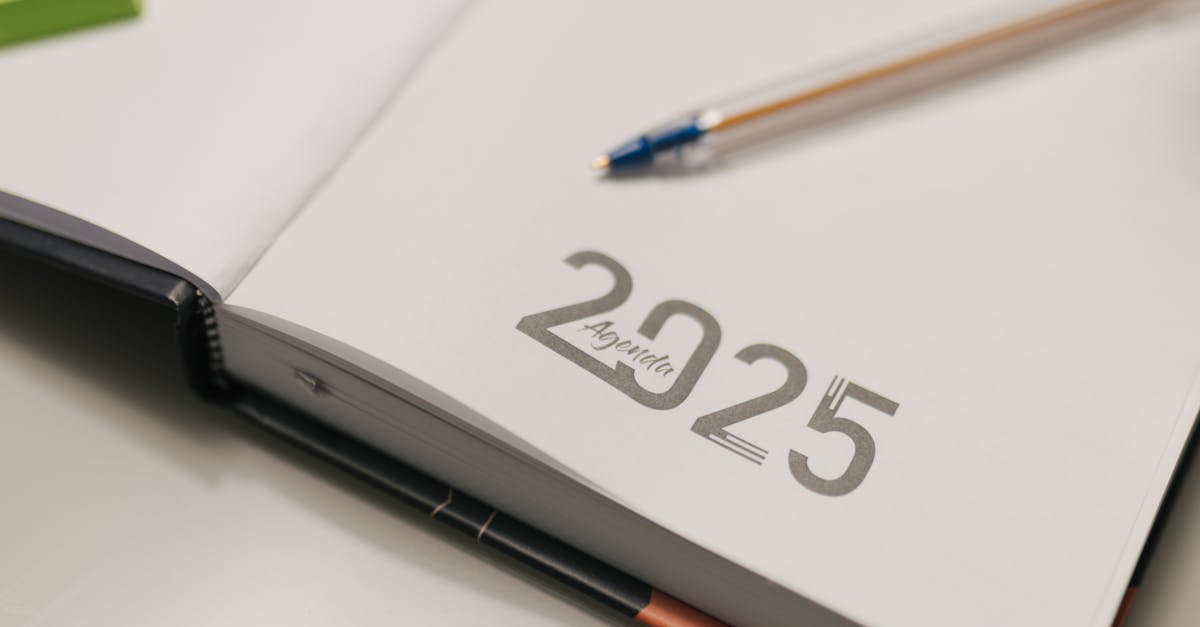
You don’t actually need a diary and pen. You need a system.
That’s the thing I’ve learned after forty years in this business. People come to us at Sri Rama Notebooks saying they want ‘corporate diaries’ and ‘promotional pens.’ They have a budget. They have a logo. They’re ready to order ten thousand units.
And then they hand us a product their procurement manager found online. The paper looks good. The cover is leather-like. The pen has a shiny clip.
Here’s the problem: it will sit in a drawer.
The user — maybe an employee, maybe a client — will open it on January 2nd, scribble a meeting note, snap the pen, and never touch it again. The expensive logo becomes decoration on something destined for landfill. That’s the real waste. Not just money. Trust in the brand giving it.
I was talking to a client from Hyderabad last week. He had a sample from our competitor. Beautiful diary. Felt heavy, important. I opened it, flicked through the pages. Smooth paper, gilded edges. And I handed it right back.
“How does the pen write on it?” I asked.
He looked at me. He hadn’t thought to test that.
So we did. The fancy gel pen from the competitor’s set smudged on their own slick paper. Every letter a blur. That diary and pen set was a photo-op. Not a tool. Which is… the only thing that matters here, right? If you’re buying in bulk for your team or your best clients, you’re not buying a photo. You’re buying a system they will use every day.
Anyway. Where was I.
What You’re Really Buying (And What Most Companies Get Wrong)
Most procurement managers look at the unit price and the print quality. That’s it. They’re thinking about the box it arrives in, not the desk it ends up on. They tick the ‘corporate gifting’ item off a list.
But if you’re placing an order for a thousand people, you have a deeper goal. You’re not just giving a gift. You’re planting a flag.
Every time a sales director pulls out that diary to jot down a client’s anniversary, your logo is right there. Every time an accountant uses that pen to sign a cheque, they’re holding your brand. It’s the most intimate kind of advertising there is — a daily, silent reminder of who valued them enough to give them something that worked.
The mistake is pairing the wrong diary and pen together. Like serving fine wine with a plastic cup. They need to work as one system. Here’s what I mean by that.
I met a school principal once. He ordered cheap spiral notebooks and ballpoint pens for his entire staff. The teachers hated them. The pens bled through the thin paper, making both sides of the page useless. The spirals snagged on sleeves. The donation — meant to be a morale booster — became a joke. A weekly reminder of being undervalued. He switched to our stitched notebooks with 70 GSM paper and a specific rollerball. The cost difference was minimal. The feeling it gave his teachers was completely different.
You’re not ordering stationery. You’re ordering someone’s experience. Got it?
The Diary and Pen Pairing Guide (No Fancy Jargon)
Okay, let’s get practical. Forget the glossy catalogues. Think about the human hand and the task.
For the Daily Grinder (The Employee Desk Set): This person needs function. They’re scribbling to-do lists, taking call notes, getting coffee stains on the cover.
- Diary: Go for a workhorse. A hard-bound A5 notebook with 92 pages is a sweet spot. Stitched binding so it lies flat. Paper around 70-80 GSM — thick enough that ink doesn’t ghost, but not so thick the book feels bulky. I’d suggest a ‘week-to-view’ layout with blank notes pages at the back. People like structure, but they also need freedom.
- Pen: This is key. A reliable ballpoint pen with a rubberised grip. Something that writes first time, every time. Avoid fancy retractable mechanisms that jam. A simple, sturdy click pen. The ink should be a standard blue or black, oil-based, quick-drying. This isn’t for show. It’s for work.
For the Executive Gift (The Client Impression): Different game. This sits on a meeting table. It needs to feel substantial, thoughtful.
- Diary: Leather or premium leatherette cover. Perfect binding (that’s the clean, glued edge like a hardback book). 52 pages of high-quality, smooth 100 GSM paper. Unruled or lightly dotted. This says, “Your thoughts are important enough for this space.” We can deboss the logo on the cover — subtle, not shouty.
- Pen: A rollerball or fountain pen. The writing experience is completely different — smooth, liquid, a little luxurious. It forces the user to slow down for a second. That’s the whole point. Pair it with the right paper so it doesn’t feather. Include a spare cartridge. It shows you thought past the moment of gifting.
Right. Now let’s compare the two most common requests we get side-by-side.
Corporate vs. Promotional: The Big Difference
People use these words like they’re the same. They’re not. A promotional diary and pen is what you give away at a trade show. A corporate diary and pen is what you give to your leadership team. The intent is different, so the product must be.
| Feature | Promotional Diary & Pen Set | Corporate Diary & Pen Set |
|---|---|---|
| Primary Goal | Mass brand visibility, lead generation | Employee/Client appreciation, daily brand recall |
| User Relationship | They don’t know you yet | They already know you (employee or key client) |
| 54-60 GSM (standard, cost-effective) | 70-100+ GSM (premium feel, better writing) | |
| Binding | Spiral or staple-bound (easy, cheap production) | Stitched or perfect binding (durable, lies flat) |
| Pen Type | Basic ballpoint, often single-use | Refillable rollerball or quality ballpoint |
| Customisation | Logo stamp on cover | Debossed logo, custom page layouts, ribbon marker |
| Lifespan Expectation | Days or weeks | A full year or more |
Nine times out of ten, companies try to buy a promotional product for a corporate purpose. It backfires. The recipient feels the cheapness. The message becomes, “This is what we think of you.”
Look, I’ll be direct. If you’re giving it to someone you want to keep — a star employee, a loyal client — invest in the corporate set. It costs more per unit, but the return on that relationship is what you’re actually buying.
A Real Story (Because lists only get you so far)
There’s a software company in Bangalore. Let’s call the founder Rishi. He ordered 500 of our mid-range corporate diaries with custom-dotted pages and a specific Japanese-brand rollerball we sourced. He gave them to his entire team at their annual meet. Six months later, he emailed me a photo.
It was a developer’s desk. Coffee mug, two monitors, keyboard… and right in the middle, the open diary. Pages filled with code snippets, meeting notes, personal reminders. The pen tucked in the spine. The cover was worn at the edges. It was being used. Hard.
He wrote: “They still complain about the coffee machine. But nobody complains about the notebooks.”
That’s the win. When the tool disappears into the work, but the feeling of being considered remains. Anyway.
The Expert Insight: It’s All About The Grip And The Ghost
Most of the fancy talk in our industry is about thread count and millimetres. I don’t care about that. I care about two things: the grip and the ghost.
I was reading something last month — a study on ergonomics, I think — and one line stuck with me. The researcher said something like, “The tool should extend the will, not interrupt it.” I don’t have a cleaner way to put it than that. If the pen is awkward to hold, or the paper makes the ink feather, you’re interrupting the user’s thought.
So here’s my test. Before we approve any custom diary and pen project, we make a prototype. I give it to someone in our office who writes a lot — our accounts manager, Priya. I tell her to use it for her weekly planning. I don’t ask for a report. I just watch.
Does her hand cramp after a page? (That’s the grip.) Can she read the writing from the other side of the page? (That’s the ghosting.) If either answer is yes, we change the materials. The paper GSM, the pen’s barrel thickness, the ink viscosity. We adjust until the tool disappears.
That’s the secret. Not the unit price. Not the gold foil. Can a person forget they’re using it?
How We Actually Make Them (A Peek Behind The Curtain)
You might think a diary is just paper glued into a cover. It is. And a masterpiece is just paint on a canvas. The difference is in the choices.
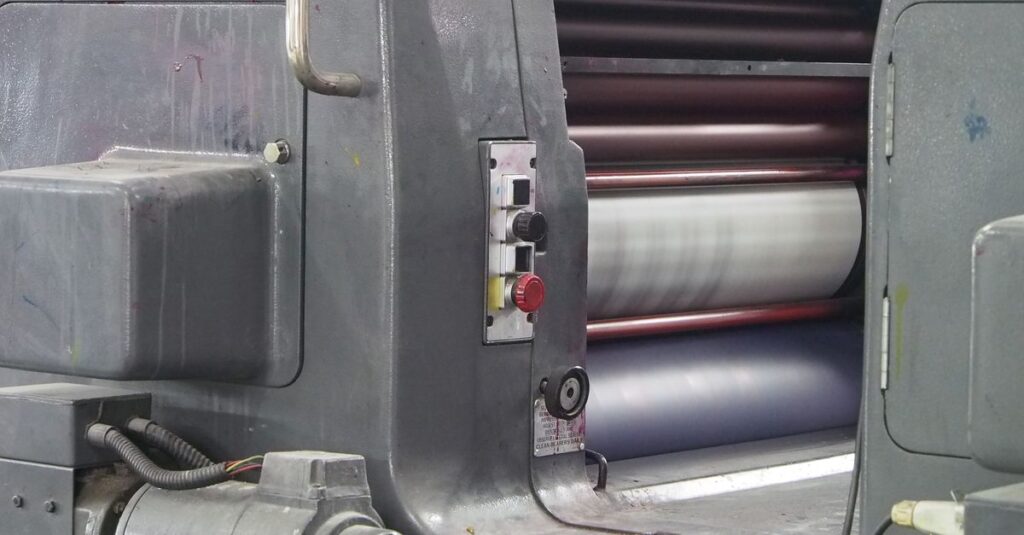
When an order comes in for a corporate diary and pen set, here’s what happens in our Rajahmundry factory — not the sales pitch, the actual steps.
First, we match the paper to the pen. Seriously. If the client wants a fountain pen, we use a specific 100 GSM paper that’s slightly textured to control the ink flow. If they want a cheap ballpoint for a promotional run, we use a smoother, thinner 60 GSM. Putting the wrong pen on the wrong paper is the single biggest mistake. It feels wasteful to order a custom paper run, but it’s the only way to guarantee the system works.
Second, we test the binding for how it lies. A diary that snaps shut when you’re trying to write one-handed in a meeting is useless. We use different glue strengths and stitching patterns for different page counts. A 52-page diary gets a different treatment than a 240-page one.
Third — and this is the part nobody says out loud — we think about the shelf life of the pen’s refill. What good is a beautiful pen that dries out in three months? We only source refills from suppliers who guarantee a two-year seal. It’s a tiny detail. It changes everything.
You’re not buying products. You’re buying the result of forty years of solving these tiny, irritating problems so your user never has to.
Which is… a lot to sit with.
Frequently Asked Questions
What’s the best paper GSM for a corporate diary and pen set?
For a premium feel and to prevent ink bleed, aim for 80-100 GSM paper. This thickness handles most pens well, from ballpoints to rollerballs, without ghosting. For standard bulk notebooks where a basic ballpoint will be used, 60-70 GSM is perfectly functional and cost-effective.
Can you print my company logo on both the diary and the pen?
Absolutely. For diaries, we can hot foil stamp, deboss, or screen print your logo on the cover. For pens, branding is typically done via pad printing or laser engraving on the barrel. The key is to keep it tasteful and durable — it should last as long as the product itself.
What’s the minimum order quantity for custom diary and pen sets?
It depends on the complexity. For a fully custom diary with unique paper and binding, MOQs start at 500 units. For simpler branding on standard diary models paired with stock pens, we can sometimes accommodate orders as low as 100 sets. It’s always best to discuss your specific project for an accurate quote.
How long does production take for a bulk order?
From finalized design to shipped product, plan for 4-6 weeks for a typical order of a few thousand sets. This includes paper sourcing, printing, binding, pen branding, and assembly. Rush production is possible but affects cost. Always factor this lead time into your gifting calendar.
Are fountain pens a good choice for corporate gifting?
They can be, but they’re niche. A fountain pen signals high-value appreciation and works beautifully with the right paper. However, they require more care than a ballpoint. They’re perfect for executive gifts for a small group. For larger employee sets, a high-quality rollerball or refillable ballpoint is often a more practical and equally appreciated choice.
So, what should you do next?
Look, I don’t think there’s one perfect diary and pen for everyone. Probably there isn’t. The ‘best’ is the set that gets used until it’s gone.
If you’re evaluating suppliers, skip the fancy PDF catalogue for a minute. Ask for a physical sample. Not one they’ve prepared for a showroom. Ask for the exact combination you’re thinking of — your logo on their standard A5 diary, paired with the pen you like. Use it for a week. Scribble. Throw it in your bag. Leave the pen uncapped overnight.
Does it survive? Does it make the act of writing slightly better, or just more decorated?
The goal isn’t to impress someone on day one. It’s to be a trusted, unremarkable part of their daily work by day one hundred. That’s how a logo moves from a marketing asset to a genuine reminder of a good partnership.
I know that’s not the flashy answer. But in my experience, it’s the only one that matters. If you’re curious about what that process looks like with a manufacturer who thinks this way, we should talk. You can start by seeing what a forty-year-old notebook factory actually does.