Look, you probably don’t wake up thinking about diary printers
You have a job to do. Someone at the office, or the procurement department, or your boss says, “We need branded diaries for the new year. Find a supplier.” So you search. And you find a term — “diary printers.” Right away, there’s a question. Do you need a printer or a manufacturer? Are they the same thing? It feels like you’re trying to buy a car but only searching for “paint shops.” The confusion is real, and most people don’t talk about it because, well, it’s notebooks. But the headache of getting it wrong? That’s a real cost.
I’ve been in this business a long time — over at Sri Rama Notebooks, we’ve seen this search happen for decades. Someone needs 500 corporate diaries, and they end up talking to a small print shop that can’t do the binding, or a binder that can’t do the custom cover. The project stalls. Budgets get messy. So let’s just talk about what a diary printer actually is, and why the difference matters more than you think. If you’re trying to source diaries in bulk, start here.
What a “Diary Printer” Really Means (It’s Not What You Think)
Okay. So the term “diary printer.” On the surface, it sounds straightforward. It’s a company that prints diaries. But here’s the thing — that’s only about 30% of the job. Printing is just putting ink on paper. A diary is a manufactured product. It needs paper cut to specific sizes, it needs pages arranged in order (January to December, with notes sections, maybe maps or phone codes), it needs binding, it needs a cover, it needs quality checks. A print shop might take pre-made diary notebooks and slap your logo on them. A diary manufacturer, or what the industry actually calls a diary printer, builds the thing from scratch.
Think about it this way. You want a custom suit. You can go to a tailor who alters an existing suit (the “printer”). Or you can go to a bespoke tailor who measures you, chooses the fabric, cuts the pattern, and sews it together (the “manufacturer”). For a one-off, maybe alteration works. For outfitting your entire sales team with the same high-quality, branded diary? You need the bespoke option.
The Real-Life Headache
I was talking to a procurement manager last month — from a mid-sized tech firm in Hyderabad. Let’s call him Ravi. He needed 1200 executive diaries for a client gifting program. He found a “diary printer” online who quoted a great price. They sent a sample. The printing was sharp. But the binding? Spiral coils that snagged on suit jackets. The paper? So thin you could see the next page’s text. The calendar pages? Wrong fiscal year. Ravi had to explain this to his finance team two weeks before the gifting deadline. He was on his third coffee of the day, no food since lunch, just trying to fix it. That’s the gap between a printer and a manufacturer. It’s the difference between getting a product and getting a problem.
So when you’re searching, you’re really looking for a notebook and diary manufacturer with integrated printing capabilities. That’s the phrase, but nobody types that into Google. They type “diary printers.” And that’s okay — you just need to know what to ask for when you call. Which brings me to the next part.
How Diary Manufacturing Actually Works (The Step-By-Step)
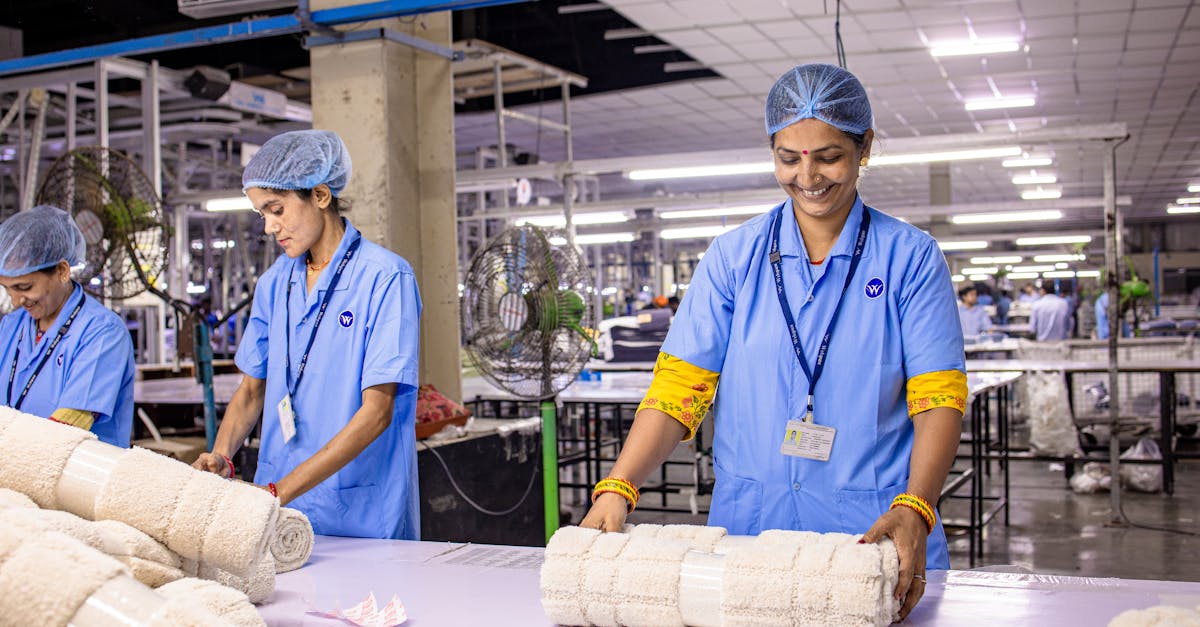
Most people have no idea how a diary comes to be. I think it helps to know, not to be an expert, but to know what you’re paying for. So here’s the process, the way we do it at our factory. It’s messy, precise, and surprisingly physical.
- Paper Selection & Cutting: It starts with giant rolls of paper — we’re talking paper that weighs more than a car. This isn’t regular copier paper. It’s usually 70-80 GSM for diaries, smooth, with a specific “finish” so ink doesn’t bleed. This gets fed into a machine that slices it into sheets the size of a diary page. For a Long Size diary, that’s 27.2 cm x 17.1 cm. Every sheet is checked for tears.
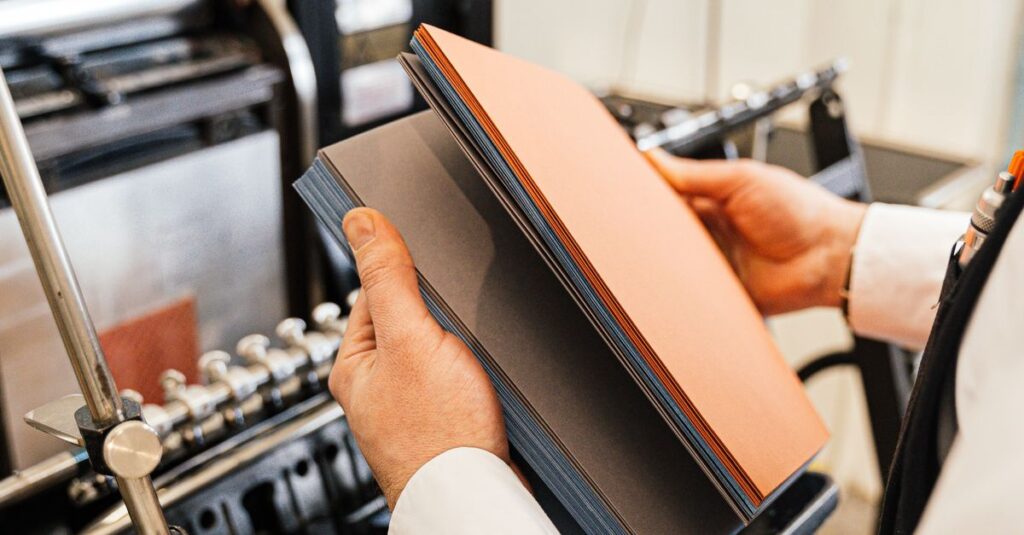
- Printing the Insides: This is the “printer” part. But it’s not one page at a time. Using offset printing presses, we print 16, 32, or 64 pages at once on a huge sheet. This includes all the calendar grids, the ruled lines for notes, the page numbers, the public holidays. The alignment here is everything. A misalignment of half a millimeter means the whole batch is scrap.
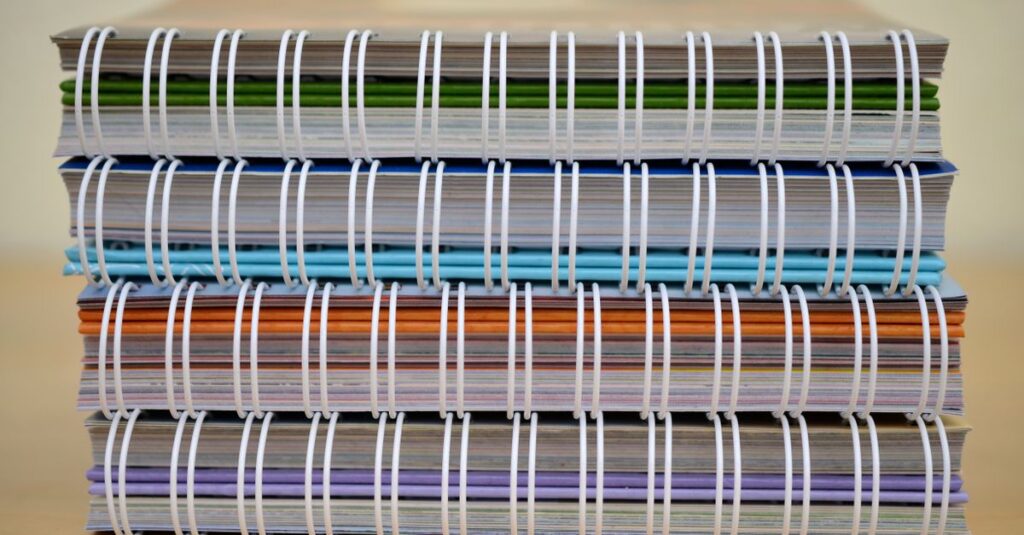
- Collating & Binding: After printing, the sheets are gathered (collated) in the exact right order. January, February, March… Then they go to binding. For diaries, you typically see perfect binding (like a paperback book, with a glued spine) or spiral binding (metal or plastic coil). The binding machine is massive, loud, and it determines if the diary will lay flat or fall apart in three months.
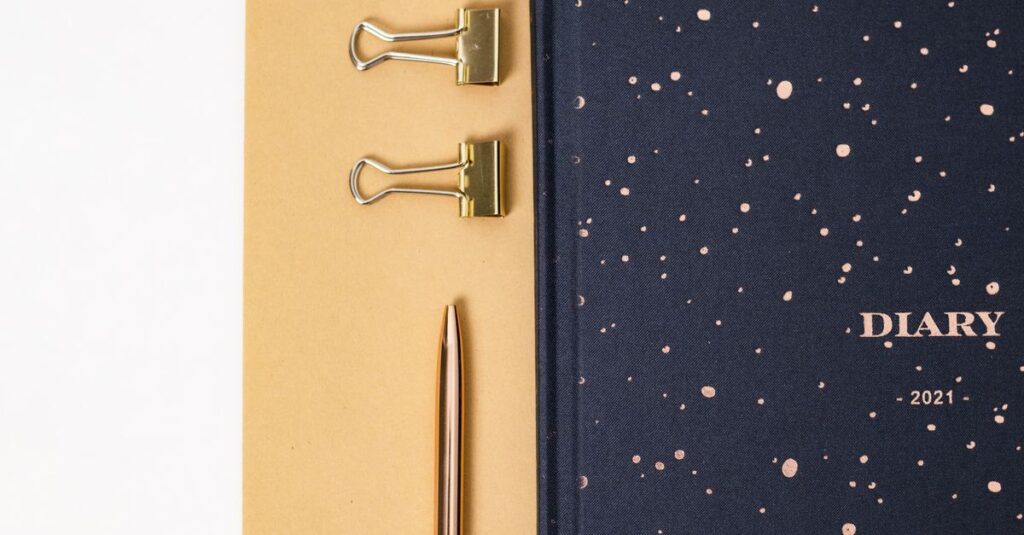
- Cover Printing & Attachment: The cover is printed separately, often on thicker card stock. This is where your logo, company name, and design go. It’s laminated for protection. Then it’s attached to the bound block of pages. This step feels final. It looks like a diary now.
- Quality Check & Packing: Every single diary gets flipped through. We check for missing pages, print smudges, binding errors. Then they’re counted, packed in cartons, and labeled for shipping. For an order of 10,000, this takes a team of people two full days. Just checking.
The whole thing needs synchronization. If the printing is down, binding stops. If paper supply is late, everything stops. This is why finding a supplier that controls the whole chain — from paper to packing — isn’t a luxury. It’s the only way to get consistency, especially for bulk corporate orders. You’re not buying a product; you’re buying a process.
Custom Diary vs. Stock Diary: What’s Right for Your Business?
Here’s where most procurement decisions go sideways. You see a price for a “stock diary” and a price for a “custom diary” and the difference is significant. The instinct is to save money. But let’s break down what you’re actually comparing.
| Feature | Stock (Pre-Made) Diary | Custom (Manufactured) Diary |
|---|---|---|
| Branding | Maybe a small logo stamped on cover. Limited placement. | Full cover design, logo on every page footer, custom inside covers. |
| Content | Generic calendar, standard notes pages. May include irrelevant ads. | Your fiscal year dates, company holidays, product codes, specific info pages. |
| Paper Quality | Standard 60-70 GSM. Often thinner to cut cost. | You choose: 70 GSM, 80 GSM, even 100 GSM for premium feel. |
| Binding & Durability | Cheapest available (often weak glue). May not lay flat. | Choice of stitch, spiral, or premium glue binding for daily use. |
| Minimum Order | Low (50-100 pieces). Good for testing. | Higher (500+). Economies of scale kick in. |
| Lead Time | Short (1-2 weeks). They’re sitting in a warehouse. | Longer (4-6 weeks). They’re being made for you. |
| Real Cost | Lower unit price, but weaker brand impression. | Higher unit price, but acts as a year-long marketing tool. |
The question isn’t which is better. It’s about intention. Are you checking a box for an employee gift? Stock might work. Are you giving these to clients, or issuing them to your leadership team as a reflection of your company’s quality? Then the custom diary isn’t a stationery item. It’s a brand asset. The cost isn’t for paper; it’s for perception. And I’ve seen companies save Rs. 50 per diary only to have them sit unused in a drawer because they felt cheap. That’s the real waste.
Expert Insight
I was reading an old trade magazine interview with a stationery buyer for a large bank. This was years ago. He said something that stuck with me: “The diary on an executive’s desk is the only piece of marketing you have that they look at every day, for 365 days. It’s not an ad in a paper. It’s a tool they trust.” I don’t have a cleaner way to put it than that. The best diary printers — the real manufacturers — understand this. They’re not just filling pages. They’re building a daily touchpoint. And when the binding fails or the ink smudges, that trust breaks. It’s a tiny thing that carries a lot of weight.
How to Actually Choose a Diary Manufacturer (Not Just a Printer)
Okay, so you’re convinced you need a proper manufacturer. How do you pick one? Google will give you 200 options. Here’s what I tell people to look for, based on the mistakes I’ve seen others make.
First, ask about integrated production. Do they source their own paper? Do they have the printing and binding under one roof? Or are they a middleman coordinating between three different workshops? The latter adds risk, delay, and communication gaps. You want one point of control. Ask: “Can I see your factory floor?” Even a video call tour tells you a lot.
Second, request a dummy or a hard copy proof. Not just a PDF. A PDF shows design. A dummy shows quality. You need to feel the paper weight, test the binding by flipping it violently (seriously, try to break it), see how the colors look in real light. Any reputable manufacturer will do this. If they refuse, walk away.
Third, talk about timelines realistically. Good manufacturing isn’t fast. It’s precise. If someone promises 10,000 custom diaries in a week, they’re either lying or they’re planning to cut every corner possible. The honest timeline accounts for proofing, production, quality checks, and shipping. Rush jobs cost more and usually have more errors.
Fourth — and this is the part nobody says out loud — check their client list for institutions, not just businesses. Schools, colleges, government departments. These are brutal customers. They have strict tenders, low budgets, and zero tolerance for delay. If a manufacturer regularly supplies them, they’ve already passed a stress test your corporate order probably won’t even approach. It’s a good sign. You can see some of the institutional work we’ve done on our products page.
The Silent Parts of the Job: Logistics, Export, and Why Location Matters
You’ve chosen a manufacturer. The diaries are perfect. Now they have to get to you. This is where geography and logistics become your problem, even if it’s the supplier’s job. A diary printer in a major port city has an advantage for export. A manufacturer with its own fleet of trucks or reliable freight partners can manage inland distribution better.
I’m in Rajahmundry, Andhra Pradesh. It’s not Mumbai or Chennai. But we’re on the Godavari, with decent road and rail links. For supplying across South India, it works. For shipping to the Gulf or Africa, we’re closer to the ports than a factory up north. My point is: consider where your diaries are coming from and where they need to go. The manufacturing cost might be lower in one state, but the shipping cost and risk of damage in transit might wipe out the saving.
Especially for international buyers — and we get a lot of enquiries from the Gulf and Africa — this is the real question. Can the manufacturer handle export documentation? Sea freight? Customs clearance? Or will they just hand you a pallet at their gate and wish you luck? That distinction separates a local printer from a real manufacturing partner. It’s a headache you don’t want to own.
Frequently Asked Questions
What is the minimum order quantity (MOQ) for custom diaries?
It varies, but for true custom manufacturing (where we create the diary from scratch for you), the MOQ is typically 500 pieces. This is because setting up the printing plates, paper cuts, and binding for a unique design has fixed costs. For smaller quantities, we might suggest modifying a stock diary with your logo, which has a lower MOQ of around 100 pieces.
What is the typical lead time for producing corporate diaries?
For a new custom diary order, plan for 4 to 6 weeks from final approved design to delivery. This includes about a week for proofing and approvals, 2-3 weeks for production, and a week for quality checks and shipping. Rush orders are possible but cost 20-30% more and carry a higher risk of oversight.
Can you include our company’s specific dates and information inside the diary?
Absolutely. That’s the main point of custom manufacturing. We can set the calendar to your fiscal year, add your company holidays, include product catalogs, emergency numbers, or any reference pages you need. We’ll work with your provided content to lay it out clearly. This turns a generic diary into a useful company tool.
What binding type is most durable for daily use?
For a diary that will be opened and closed constantly all year, spiral binding (wire-o) or sewn binding is the most durable. It allows the diary to lay completely flat. Perfect binding (glued spine) can be sleek but may crack with heavy use. We usually recommend spiral for employee diaries and a hardcover sewn binding for executive/client gifts.
Do you handle the graphic design for the diary cover?
We can, but we prefer you provide a print-ready design file from your agency or designer. This ensures your branding is exactly as you want it. If you need design help, we have a basic layout service to arrange your logo and text professionally. For complex artwork, we recommend you use your own designer, as they know your brand best.
So, what now?
Look, sourcing diaries in bulk seems simple until it isn’t. The difference between a smooth project and a logistical nightmare often comes down to picking the right kind of partner — a manufacturer, not just a printer. It’s about finding someone who sees your order not as a print job, but as a product that needs to work, day in and day out, for the people who use it.
I don’t think there’s one perfect supplier for everyone. Probably there isn’t. But if you’ve read this far, you already know the questions to ask. You’re just figuring out who has the honest answers. And maybe that’s the point. It’s less about the printer and more about the promise that the thing on the desk in January will still be holding together in December.
If the process feels daunting, or you just want to talk through a specific requirement with someone who’s been doing this for 40 years, that’s what we’re here for. No pressure, just a conversation. Sometimes that’s the best place to start.