You Keep Hearing About Navneet Notebooks. What’s the Deal?
Here’s the thing — if you’re a procurement manager or a school administrator in India, you’ve almost certainly heard the name ‘Navneet’. It’s one of those names that’s become almost generic for notebooks. Like calling a tissue a Kleenex, or a cola a Coke. But what does it actually mean when you’re buying in bulk? That’s where it gets confusing. And honestly? Most people I’ve spoken to are looking for one of two things: either they want to source notebooks that are like Navneet in quality, or they think ‘Navneet’ is the only option and they need alternatives. I hear this from corporate buyers all the time. They get handed a request for 10,000 notebooks that “must be like Navneet”, and they’re not sure what that even entails. It’s not just about paper weight. It’s about a specific expectation of durability, print quality, and uniformity that’s been set in the market. If you’re nodding your head right now, you’re in the right place. We’ve been making notebooks for 40 years, and I’ll tell you exactly what you’re looking at when you hear that term. If this sounds familiar, the process we use might clear things up.
What “Navneet Notebook” Really Means (It’s Not a Brand Anymore)
Okay, let’s get specific. Technically, ‘Navneet’ is a massive publishing and stationery company. They’re huge. But in the procurement world, when someone says “Get me Navneet notebooks,” they’re rarely asking for that specific brand from that specific company. What they’re asking for is a benchmark. They want a certain quality tier. Think about it this way: they want a notebook that won’t have the pages falling out after a month of school use. They want paper that doesn’t bleed through with a ballpoint pen. They want a cover that can survive a year in a kid’s backpack. That’s what ‘Navneet’ has come to represent in people’s minds — reliability. The manufacturing specs behind that perception usually boil down to a few key things:
- Paper GSM: Typically, notebooks in this category use a 50-60 GSM writing paper. It’s thin enough to be cost-effective for mass production but thick enough to prevent ghosting.
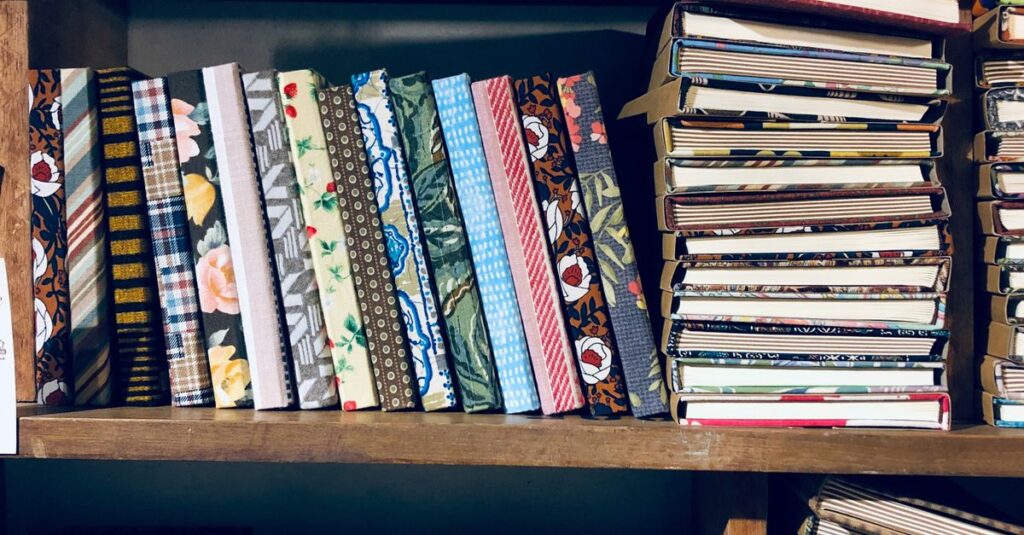
- Binding: Strong, stitched binding. Not just glued. The spine needs to hold through hundreds of page turns.
- Ruling Precision: The lines are printed cleanly and consistently across every single page. No smudges, no faded sections.
- Cover Stock: A decently thick, laminated cover that resists water splashes and general wear and tear.
Most procurement managers don’t care about the brand logo on the cover. They care about the product not failing after delivery. The name ‘Navneet’ has just become shorthand for “don’t fail.” Which is… a lot of pressure for a notebook.
The Real Cost of Choosing the Wrong Supplier
I was talking to a school administrator from Hyderabad last month. Nice guy. Stressed. His story is the whole problem in a nutshell. He’d ordered 5,000 ‘premium’ notebooks for a new academic session from a new supplier who promised ‘Navneet-like quality’ at a 20% lower price. The notebooks arrived. They looked fine in the box. Two months into the term, his office was flooded with complaints. Pages were tearing out at the staples. The ruling was so faint in some books the kids couldn’t see it. The covers on about a third of the batch started peeling at the edges. The real cost? It wasn’t just the wasted money. It was the operational nightmare of arranging replacements mid-term, the damage to the school’s reputation with parents, and the sheer time he lost managing the fallout. He told me, “I saved 20% on the purchase order and spent 200% more of my time fixing it.” THIS IS THE PART NOBODY BUDGETS FOR.
This is where knowing what to look for in a manufacturer matters more than the price per unit. You’re not just buying paper and binding. You’re buying peace of mind for an entire academic year or corporate cycle. You need to know the factory has quality checks at multiple stages — after printing, after binding, after packing. You need to know they use specific, tested paper from reliable mills. You need to know their stitching machine is calibrated properly. Because when you’re buying 10,000 pieces, a 1% defect rate means 100 angry students or employees. And that’s a headache you don’t want.
How Actual Notebook Manufacturers Work (The Process)
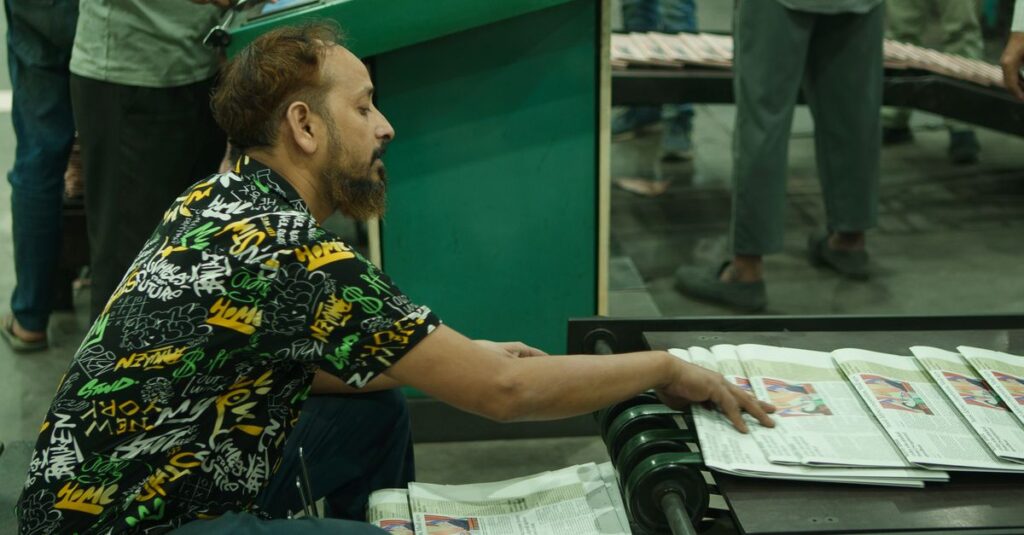
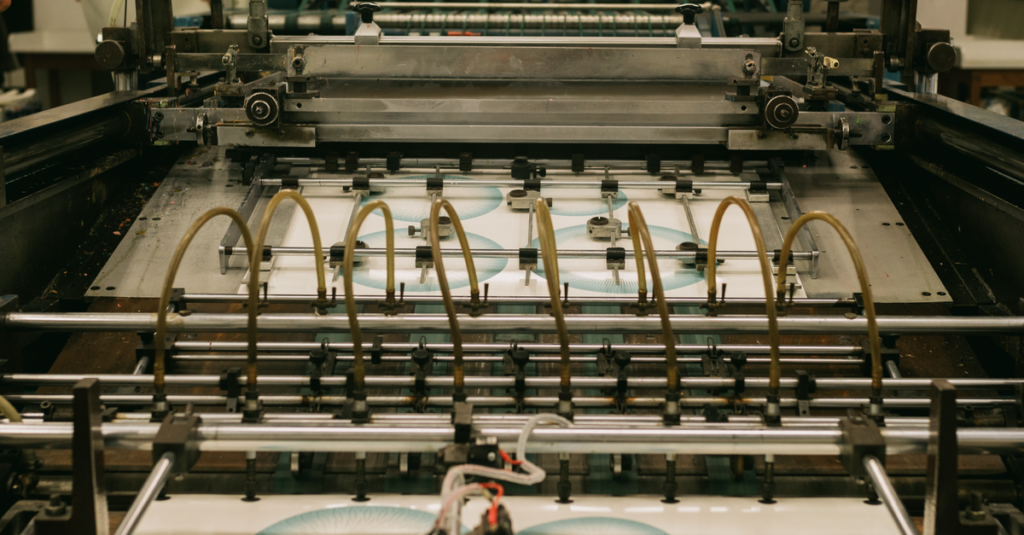
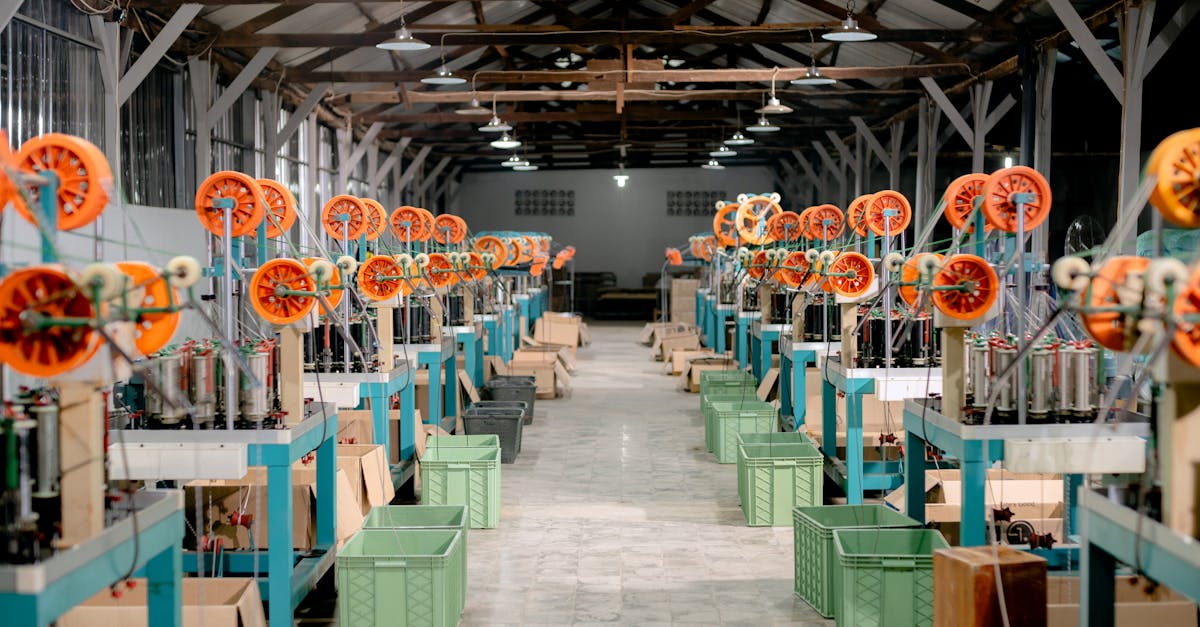
Let me pull back the curtain a bit. When you place a bulk order with a real manufacturer — not just a reseller — the process is pretty involved. It’s not magic. It’s logistics and machinery. First, the paper comes in huge reels. It’s fed into a printing press that stamps the ruling, margins, and any header/footer text. This is where precision is king. A slight misalignment here means every page in that batch is off. Next, the giant printed sheets are cut down to the exact notebook size — Crown, Long, Short, etc. Then they’re gathered into sections, stitched together with thread or wire, and the cover is attached. Finally, they’re trimmed on three sides to give that clean edge. The whole thing is automated, but it needs constant oversight. A good operator can hear when a stitching head is getting dull. They can see when the paper tension is wrong. This is the kind of detail we’ve built our process around for decades.
Expert Insight
I was reading an industry report last quarter — one of those dry, technical ones — and one line stuck with me. It said the biggest differentiator between a premium notebook and a cheap one isn’t the raw material cost. It’s the ‘process waste’. A high-quality manufacturer might have a 3-5% waste rate from paper cuts, misprints, and binding rejects. They throw that out. A low-quality operation will push that 5% into the shipment to make their numbers. That means you, the buyer, are the one who gets the defective 5%. The report framed it as an efficiency metric. I read it as a trust metric. The more capable a factory is of throwing away its own mistakes, the more you can trust what they finally ship to you. I don’t have a cleaner way to put it than that.
Your Options: Branded vs. Custom vs. Private Label
This is where most institutional buyers get stuck. You basically have three paths, and each one solves a different problem.
| Consideration | Branded Notebooks (e.g., Navneet) | Custom Printed Notebooks | Private Label / OEM |
|---|---|---|---|
| Cost per unit | Highest. You’re paying for the brand’s marketing and distribution. | Mid-range. Setup costs for custom plates/designs, then bulk production. | Often lowest. You’re buying the manufacturing, not the brand. |
| Control over specs | Zero. You get their standard product. | High. You can specify paper GSM, ruling type, cover design, page count. | Complete. You define every single specification as the ‘manufacturer’. |
| Lead Time | Shortest (if in stock). | Longer. Needs design approval and print setup. | Longest. Entire production is from scratch for you. |
| Branding Presence | Their logo, their brand. | Your logo, your message on the cover and headers. | Your brand name as the manufacturer. Complete white-label. |
| Best for… | Small, one-off orders where brand trust is paramount. | Schools, corporates, events wanting their identity on a quality product. | Distributors, large chains, anyone wanting to build their own stationery line. |
The question isn’t which is best. It’s what you’re trying to achieve. Are you just filling a stationery cupboard, or are you building your institution’s identity into the supplies?
The Hidden Factor: Paper Quality and GSM Explained Simply
Look, I’ll be direct. Everyone talks about GSM (Grams per Square Meter), but most buyers don’t know what it feels like. They just know a higher number is ‘better’. Let me translate. Standard 54-60 GSM paper — the ‘Navneet standard’ — feels smooth but has a slight tooth. It holds ink from a ballpoint without feathering (those little ink threads) and doesn’t let it bleed through to the other side. Go lower, say to 45 GSM, and the page feels flimsy. You’ll see the writing from the other side showing through (ghosting). Go higher, to 70 or 80 GSM, and you’ve got a premium, almost card-like feel — but you’re also doubling your paper cost and the notebook becomes bulky. For 99% of school and office work, 54-60 GSM is the sweet spot. It’s the difference between ‘good enough’ and ‘I didn’t even have to think about the paper.’ And that’s the goal, right? The notebook should disappear, and the writing should be the only thing that matters.
How to Actually Vet a Bulk Notebook Manufacturer
So you’re convinced you need to go straight to a manufacturer, not a branded reseller. Smart move. But how do you pick one? Especially when there are hundreds in India. Here’s my blunt advice, based on the mistakes I’ve seen people make.
- Ask for physical samples of their STANDARD product. Don’t let them send you a ‘specialty’ sample they made just for sales. Ask for whatever they make 10,000 of every day. That’s their real quality.
- Ask about their paper source. Do they buy from known paper mills? Can they tell you which one? If they’re vague, the paper quality will be inconsistent batch to batch.
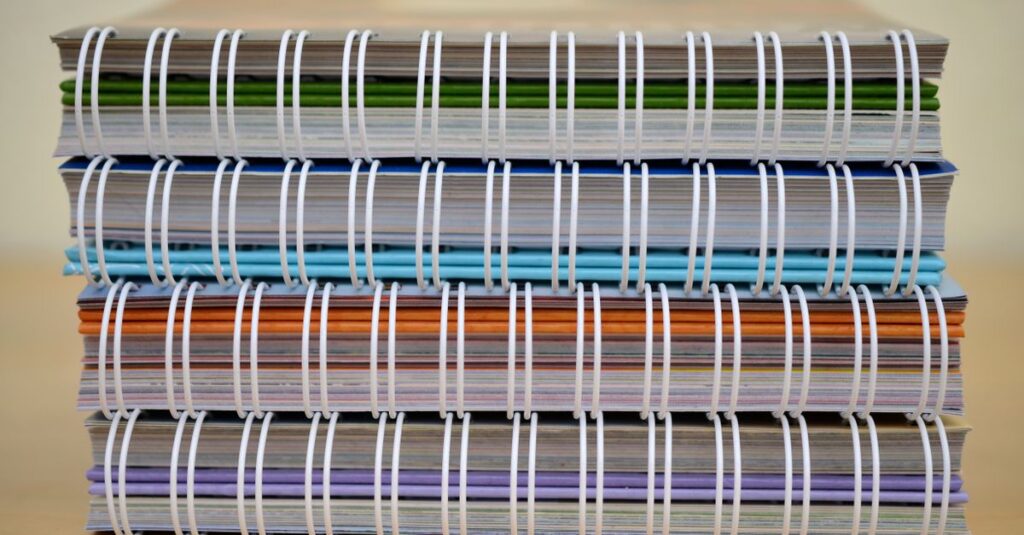
- Ask about their binding method. Stitched is almost always better than perfect binding (just glue) for heavy-use notebooks. Spiral is a different use case altogether.
- Request a factory visit or a video walkthrough. A confident manufacturer will show you their floor. You can see the scale, the cleanliness, the machinery.
- Check their capacity. If you need 50,000 notebooks in a month, can they handle that without outsourcing? Outsourcing introduces wild quality variables.
And honestly? The biggest red flag is a supplier who agrees to every single customization and price demand without question. It means they’re probably promising anything to get the order, and they’ll figure out the compromises later — in your product.
Frequently Asked Questions
What is the main difference between Navneet notebooks and other brands?
The main difference for a bulk buyer is consistency and market trust. Navneet has set a widely accepted standard for paper quality (around 54-60 GSM), durable stitched binding, and clean ruling. When sourcing from other notebook manufacturers, the goal is to match or exceed these specific functional benchmarks, not necessarily the brand name itself.
Can I get custom covers and logos on bulk notebook orders?
Absolutely. This is one of the biggest advantages of working directly with a manufacturer instead of a branded reseller. You can customize the cover design, add your school or corporate logo, and even change the header/footer text on the pages. There’s usually a one-time setup cost for the printing plates, but then you get a completely unique product.
What is the minimum order quantity (MOQ) for custom notebooks?
It varies by manufacturer, but a typical MOQ for custom printing starts at around 1,000 to 2,000 notebooks. This covers the setup costs for your specific design. For standard, non-customized notebooks, MOQs can be lower. It’s always best to discuss your exact volume needs directly with the production team.
How long does it take to manufacture a bulk order of 10,000 notebooks?
For a standard notebook specification (like a common size and ruling), a dedicated factory with good capacity can produce 10,000 units in roughly 5-7 working days after the order is confirmed and materials are ready. If you need custom design or special paper, add 1-2 weeks for design approval and material sourcing. Always factor in shipping time on top of production.
Do notebook manufacturers export internationally?
Yes, many do. India is a major hub for stationery manufacturing. Look for a manufacturer with export experience, as they will understand shipping logistics, documentation (like commercial invoices and packing lists), and the specific quality expectations of international markets. They should be able to handle door-to-door delivery or shipping to your port.
Look, It’s Not Complicated. But It Is Important.
At the end of the day, you’re buying a tool. A simple, physical tool for writing. But the impact of getting it wrong is wildly disproportionate. It’s not just about stationery. It’s about a student’s notes for the year, an employee’s meeting records, the perceived quality of your institution. When you specify ‘Navneet-like’, you’re asking for no surprises. You’re asking for a product that does its job quietly and completely. That reliability comes from the factory floor, not the brand name. I think the best move is to understand exactly what you need from the product itself — the paper, the binding, the size — and then find a manufacturer who can articulate how they guarantee those things. Not with marketing words, but with their process. If you’ve read this far, you already know the questions to ask. You’re just figuring out who has the right answers.