You’re Probably Thinking About This All Wrong
It happens more often than you’d think. A procurement manager calls me, wanting to order 20,000 custom notebooks for a corporate giveaway. They send over their logo, maybe a color, and say ‘make it look premium.’ Right. And then we get into the real conversation. Because a notebook cover isn’t just the pretty picture on the front. It’s the first handshake, the first impression that lasts the whole damn year someone uses that book. It’s the thing that either makes your branded diary feel like a thoughtful gift or a cheap afterthought shoved in a conference bag. That’s the part nobody talks about when they search for ‘notebook cover’ – they’re looking for a picture, but they really need a strategy. If that sounds familiar, and you’re ordering in bulk for a school, business, or as a distributor, this might be worth a look.
What Actually IS a Notebook Cover? (Beyond the Picture)
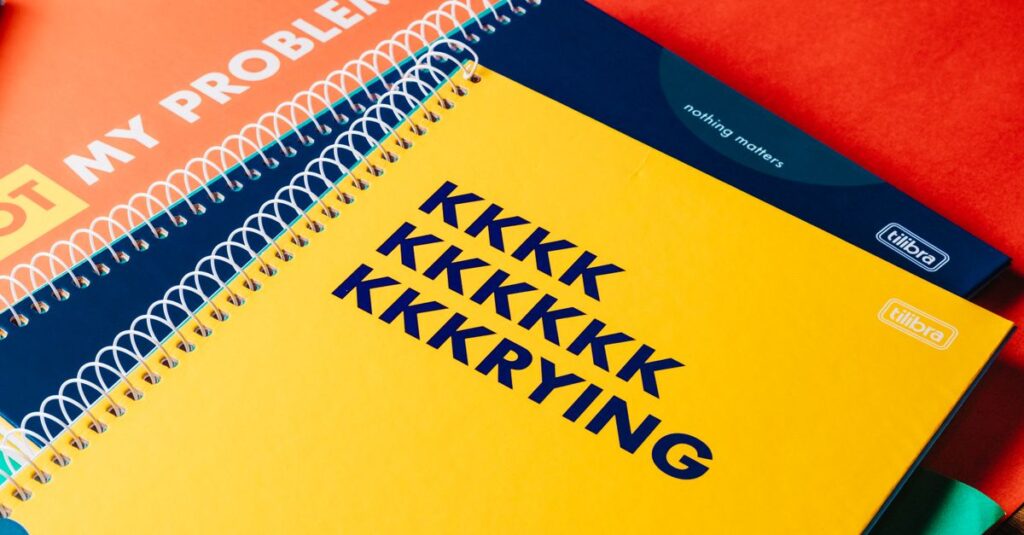
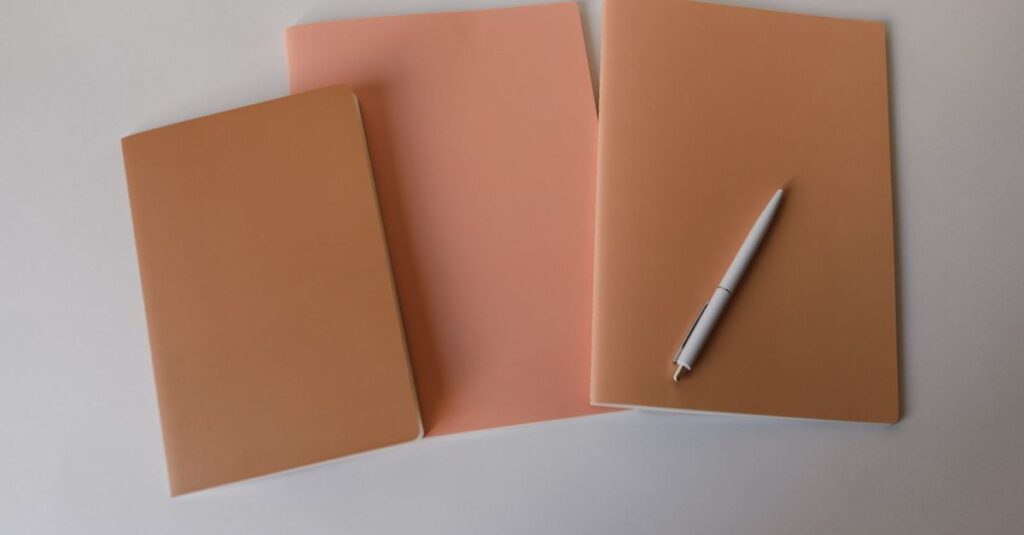
Okay, let’s start here. When I say ‘cover,’ I’m talking about the whole physical shell of the notebook. Not just the front, but the back and the spine, too. It’s the armor for the pages inside. And that armor is made up of three things, always: the material, the printing, and the binding. Get one wrong, and the whole thing feels off. The material is the feel – is it stiff cardboard, soft plastic, something in between? The printing is the look – your logo, your colors, your message. The binding is how it all holds together. Think of it like building a house. The material is your bricks, the printing is your paint and facade, and the binding is your foundation. You can’t just focus on the paint color.
Expert Insight
I was talking to a client last month – a big university in Hyderabad placing an order for freshers. They wanted something ‘youthful but durable.’ The designer sent this gorgeous, glossy, full-color photo cover. Looked amazing on screen. I had to be the one to say: ‘That gloss will scuff in the backpack. That thin paper will dog-ear by week two.’ We moved to a matte laminate over thicker board. The colors were slightly less vibrant, but the book survived the semester. The insight isn’t about specs; it’s that the cover’s job isn’t to look good on day one. It’s to look good and *feel* good on day one hundred. And most design briefs forget that second part.
The Real-Life Choice: A Quick Story
Meet Rohan, 42. Procurement manager for a chain of coaching centres across Tamil Nadu. He needs 50,000 notebooks for the new academic year. Budget is tight, but the director wants them to ‘represent quality.’ He gets two samples from different suppliers. Sample A has a shiny, plasticky cover with the centre’s logo stamped in gold foil. It feels cheap and slippery. Sample B has a thick, matte-finish card cover. The logo is printed cleanly, not foiled. It feels solid, authoritative. He picks Sample B. The cost per unit was 12% higher. He told me later: ‘The first one felt like a giveaway. The second one felt like a tool. Our students need to feel like they have a tool.’ That’s the entire decision, right there.
Breaking Down Your Options: A Straightforward Table
Look, I know you want to compare. So here it is, plain. This is what you’re actually choosing between when you talk covers for bulk orders.
| Feature | Standard Card Cover | Laminated / Plastic Cover |
|---|---|---|
| Feel & Durability | Stiff, paper-like feel. Can dog-ear or get dirty with heavy use. | Smooth, often glossy or matte plastic layer. Wipes clean, highly scuff-resistant. |
| Print Quality | Good color, but inks can rub off over time if uncoated. | Colors pop under the laminate. Printing is sealed in, so it lasts. |
| Cost Implication | Lower cost. The go-to for most school notebooks and basic corporate books. | Higher cost. Adds a step (lamination) and material cost. For premium branding. |
| Best For | High-volume school orders, internal office use, cost-sensitive projects. | Corporate gifts, executive diaries, branded merchandise where impression matters. |
| Binding Match | Works perfectly with stitched and perfect binding. | Essential for spiral-bound notebooks (protects the coil holes). |
How the Cover and Binding Talk to Each Other
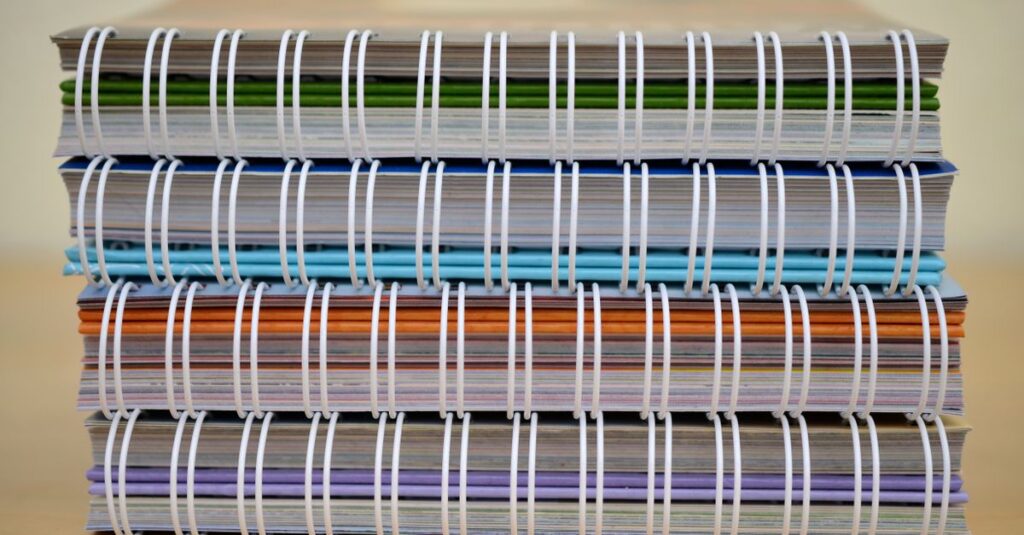
This is where things get technical, but stay with me. The binding you choose dictates what your cover can and can’t be. You can’t just slap any cover on any binding. A spiral-bound notebook, for example, needs that laminated or plastic cover. Why? Because the holes punched for the spiral coil will tear a plain cardboard cover apart in weeks. The laminate holds it together. It reinforces the holes. Perfect binding – where pages are glued to the spine – needs a flexible cover material that can bend at that glued spine without cracking. A thick, rigid board will crack and pages will fall out. I’ve seen it happen. It’s a headache, honestly. So when you’re planning, you don’t start with ‘I want this cover.’ You start with ‘How will this notebook be used?’ That tells you the binding. The binding then tells you the cover.
The Custom Cover Process: What It Actually Looks Like
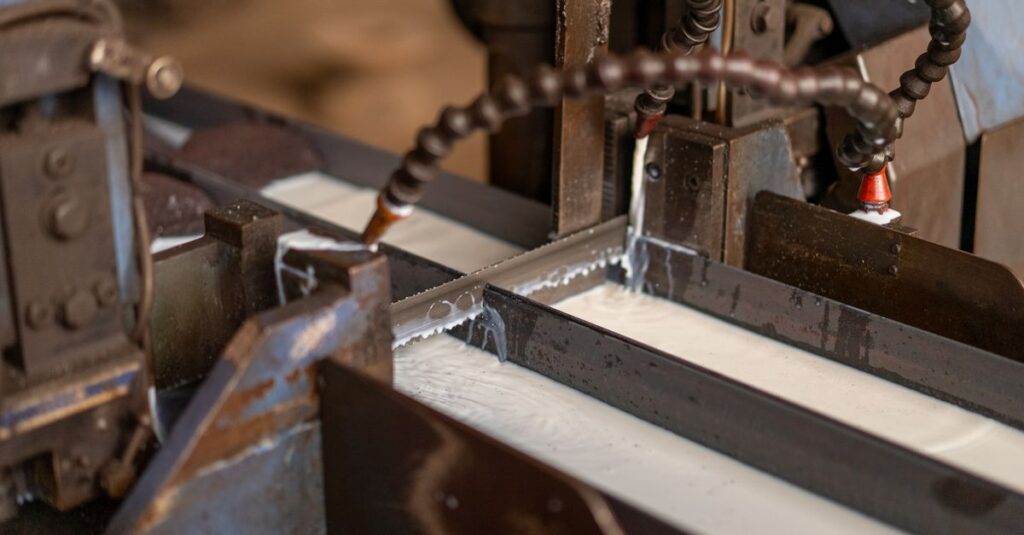
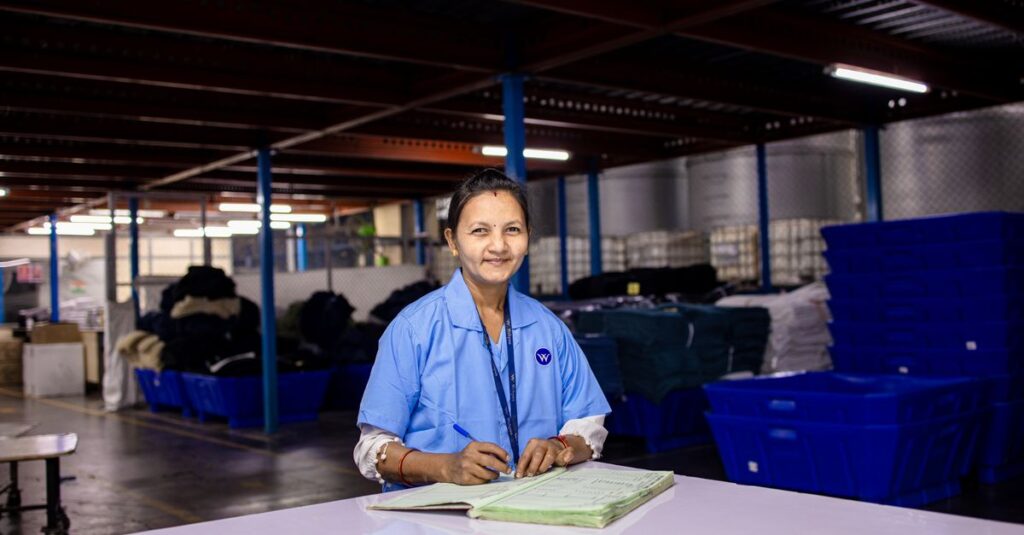
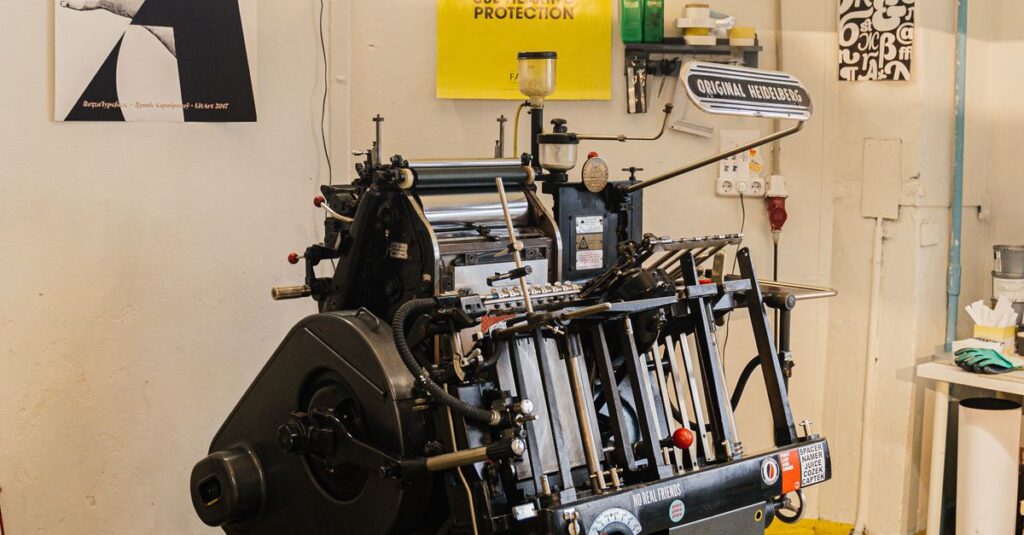
So you want your logo, your design. Here’s how it goes from your email to a pallet of finished books. First, you send the artwork. We’re not just talking a JPG logo. We need a vector file (AI, EPS, PDF) – that’s what keeps your logo sharp at any size. Then, we talk about the ‘bleed.’ That’s a 3-5mm extra design area that gets trimmed off. It ensures your color goes edge-to-edge with no ugly white borders. This isn’t optional for a professional look. Then, proofing. You get a digital proof. Check every letter, every color code (use PMS if you’re brand-obsessed). This is the stage where most delays happen. Change your mind here, not later. Then it goes to plate-making for offset printing (for bulk runs over 5000, it’s the only way to get cost-effective, consistent color). Then printing, then cutting, then binding. The cover gets printed and cut before it’s married to the inner pages. That’s the simplified version. The real version involves about six different machines and a team checking quality at each step. I think – and I could be wrong – that most buyers think it’s just one big printer that goes ‘brrrr’ and out pops a notebook. I wish.
Right. So you have options. Seeing what a manufacturer actually does with those options helps make sense of the quotes you get.
Common Cover Mistakes (And How to Avoid Them)
Let me save you some trouble. These are the patterns I see every single month.
- Prioritizing Look Over Feel: Choosing a dazzling gloss laminate for a notebook meant for field engineers. It’ll be slick with grease or dirt in a day. A textured, matte finish would hide wear and feel better in the hand.
- Ignoring the Spine: If your notebook is over 150 pages, it has a spine. Design it. Put your logo or book title there. A blank spine on a branded diary looks unfinished.
- Forgetting the Practical Specs: Not telling your manufacturer the exact use case. A notebook for lab technicians might need a grease-resistant cover. A school notebook needs to survive being tossed in a muddy playground bag. These needs dictate material.
- Artwork That’s Not Print-Ready: Sending a low-res image from your website. It will print pixelated and fuzzy. This is the biggest, most preventable delay.
What This All Means for You, the Buyer
Earlier I said the cover is a strategy. That’s not quite fair – it’s more that the cover is the result of a strategy. Your strategy. Are you building brand prestige? Then invest in a thicker, laminated cover with maybe a spot UV or foil accent. Are you supplying a municipality with 100,000 utility books for distribution? A sturdy, uncoated card cover with clear, simple printing is the smart, responsible choice. The question isn’t ‘what cover should I get?’ It’s ‘what do I need this notebook to do for my organization?’ Answer that, and the cover specs almost write themselves. Nine times out of ten.
Frequently Asked Questions
What is the most durable type of notebook cover?
For sheer toughness, a thick art card with a matte or gloss plastic lamination on top. The lamination seals the print and adds a waterproof, scuff-resistant layer. It’s the standard for notebooks that need to last in bags, on sites, or through rough student use.
Can you print any design on a notebook cover?
Pretty much, yes. From a single-color logo to a full-photographic wrap. The limits are technical, not creative. Very fine details might not reproduce crisply, and certain special effects (like metallic inks) need specific processes. Always start with a print-ready vector file for the cleanest result.
What’s the difference between hardcover and softcover notebooks?
Hardcover uses very thick, rigid board (like a textbook). It lies flat when open and feels premium but is heavier and more expensive. Softcover uses flexible card stock. It’s lighter, cheaper, and easier to carry around. For bulk corporate diaries, a good softcover with lamination often hits the perfect balance.
How long does it take to produce custom cover notebooks in bulk?
Once final artwork is approved, allow 4-6 weeks for a typical order of 10,000+ units. This includes plate-making, printing, drying, binding, and quality checks. Rush jobs are possible but can cost 20-30% more. Planning ahead is the best cost-saver.
Is it cheaper to order plain covers or custom printed ones?
Plain, stock covers are cheaper per unit, obviously. But custom printing for bulk orders (5000+) becomes very cost-effective due to offset printing efficiencies. The real value isn’t in the minor per-unit saving on plain covers; it’s in the brand exposure and perceived value of a custom notebook cover with your branding.
Final Thought
I don’t think there’s one perfect cover. Probably there isn’t. It’s always a trade-off between budget, feel, and durability. But after forty years of making these things, I know the choice becomes clear the moment you hold two samples in your hand. One will feel right. One will feel wrong. Your job is to make sure the specs you order lead to the one that feels right for your people. That’s it. If you’ve read this far, you’re not just buying a cover – you’re thinking about the person who’ll use it. That’s the whole game.
When you’re ready to turn that thinking into a sample, the conversation starts here.