The Search That Starts Everything
You need notebooks. A lot of them. For the upcoming school term, for the corporate team, for the training session. So you open your laptop or phone, and without really thinking, you type the words: notebook shop near me. It feels obvious. You want notebooks, so you look for a shop.
But here’s the thing — that search term is a mirage. It’s a leftover habit from buying a single notebook for yourself. When you’re responsible for procuring hundreds, or thousands, of notebooks for an institution, a corporation, or a distribution network, you’re not looking for a shop. You’re looking for a factory. You’re looking for a partner. The search phrase is a ghost, and you’re chasing it. The real conversation starts when you stop looking for a shop and start looking for a manufacturer.
I’ve been talking to procurement managers, school administrators, and distributors for years now. And that initial search, the ‘near me’ part, is where most of the friction begins. It implies convenience, maybe a quick drive. But bulk notebook supply isn’t about convenience; it’s about capability, consistency, and cost. If you’re in that position, understanding what you’re actually shopping for is the first step to getting it right.
What “Near Me” Really Means (And What It Doesn’t)
Let’s unpack it. ‘Near me’ suggests proximity, local stock, maybe a retail store you can visit. That’s fine for buying one diary. For bulk? It becomes a constraint. You’re limiting your options to whatever small-scale printer or reseller happens to be in your city.
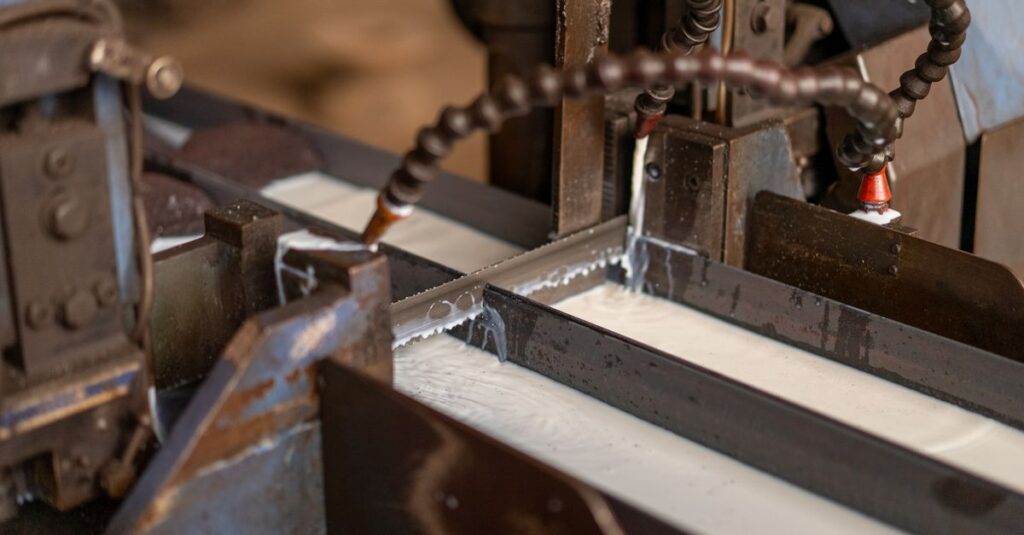
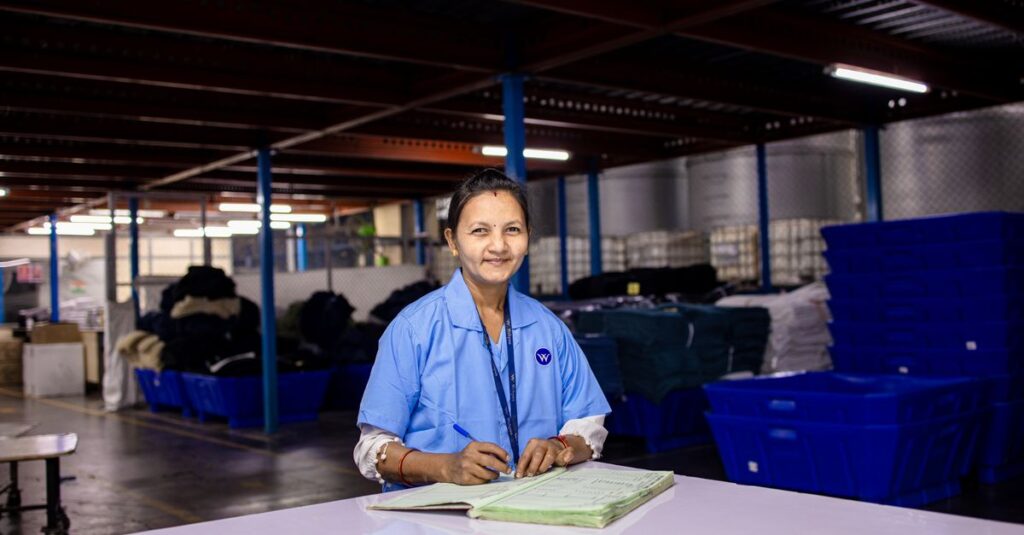
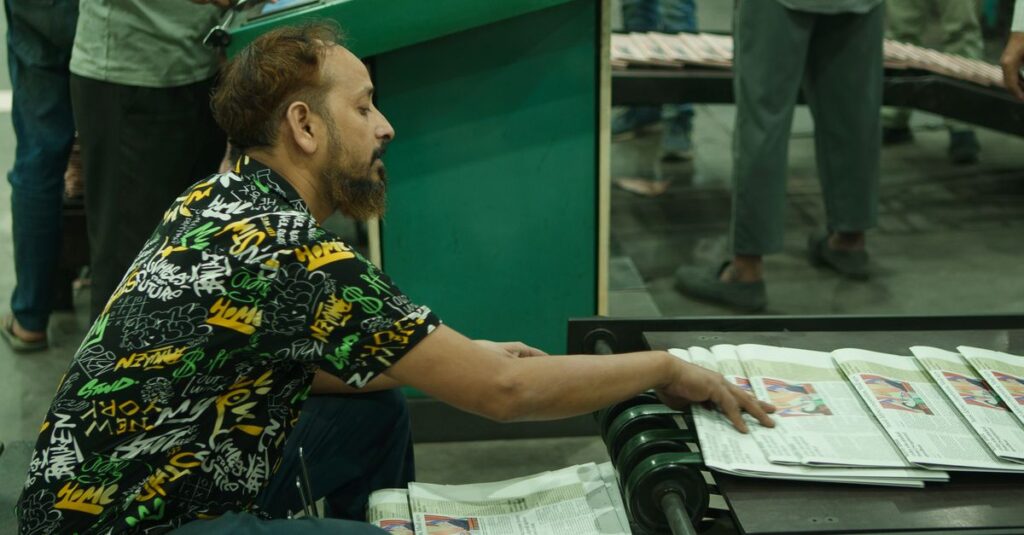
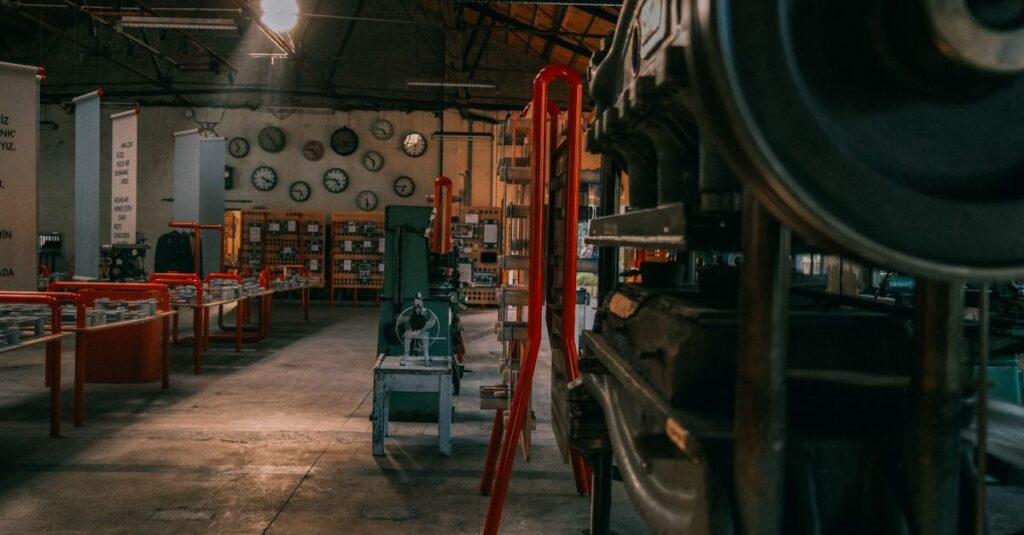
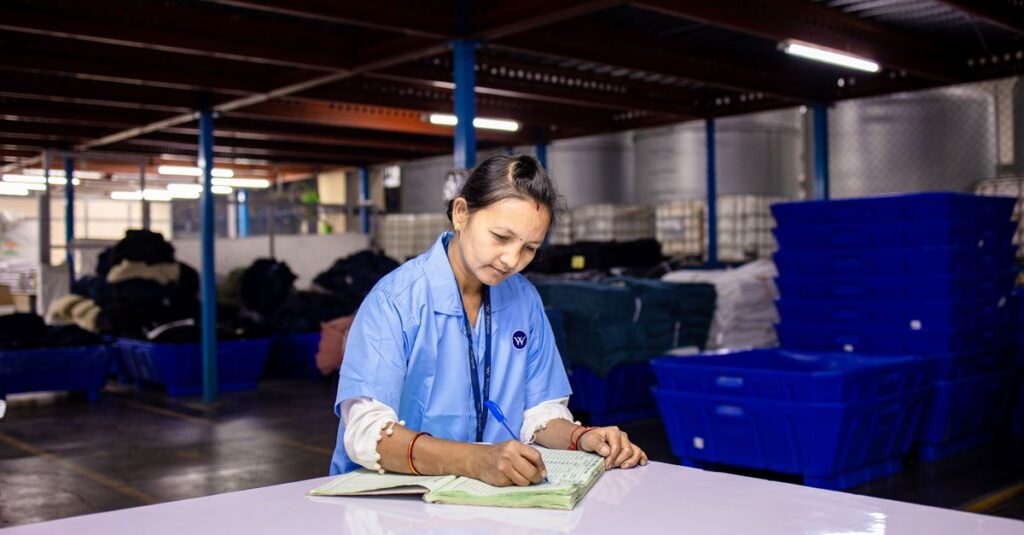
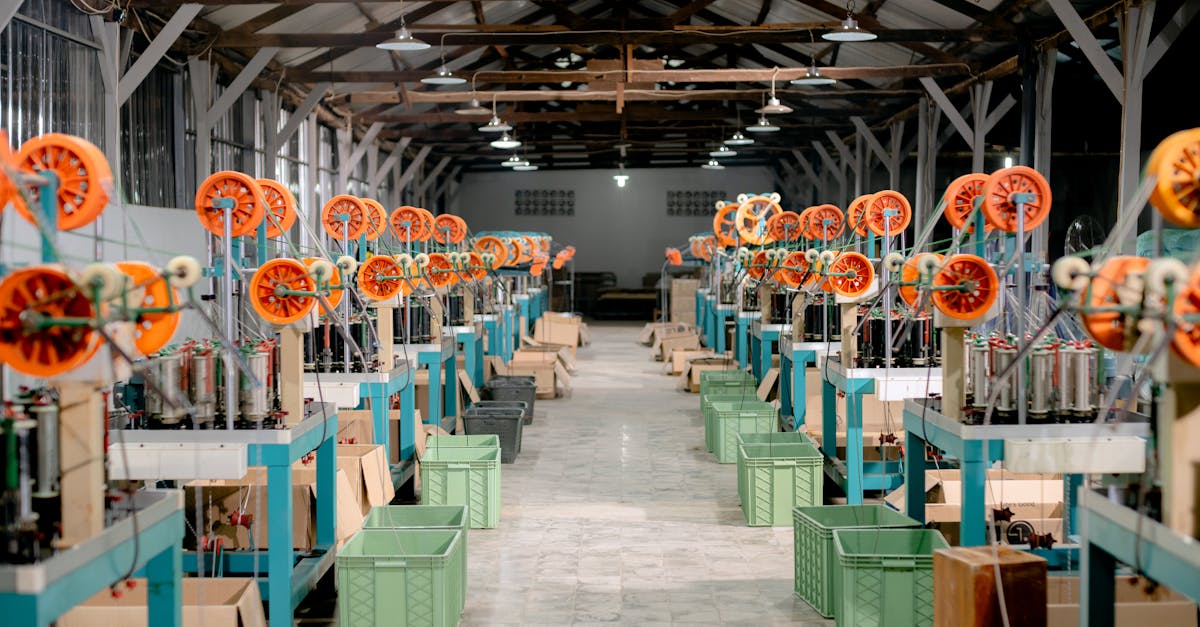
The reality of notebook manufacturing — the kind that supplies schools, offices, governments — doesn’t live in a shop. It lives in a factory. With printing presses, binding machines, paper warehouses, and a logistics setup that can ship pallets, not parcels. The ‘near me’ search often leads to intermediaries: a local stationery shop that will, in turn, order from a manufacturer like us. You’re adding a layer, a margin, and often, a delay.
I’ll give you a real example. A college admin from Hyderabad called me last month. They’d been buying from a ‘notebook shop’ in their city for years. The shop would provide 5,000 notebooks every summer. The prices crept up. The delivery got delayed. The shop owner, a nice guy, was just a middleman. His ‘shop’ was a front. The notebooks were made in Rajahmundry, shipped to him, and then to the college. Two extra journeys. Two extra costs. When the admin finally asked, ‘Who actually makes these?’ and reached out to us directly, the order cost dropped by 18%. The delivery was faster. Because we cut out the ‘shop’.
So ‘near me’ is about accessibility, not production. You need access to the source. And with modern logistics, the source can be 800 km away and still be more ‘accessible’ than a local shop that doesn’t actually produce anything.
Expert Insight
I was reading an old trade journal a while back — something about procurement psychology. One line stuck with me. It said that buyers, especially institutional ones, default to searching for ‘vendors’ locally because it feels controllable. You can visit. You can complain face-to-face. But control isn’t about geography; it’s about transparency in the supply chain. Knowing exactly where your notebooks are being made, on what machines, with what paper — that’s real control. The local shop often can’t give you that. The manufacturer, even if they’re not ‘near you’, can. I don’t have a cleaner way to put it than that.
The Anatomy of a Notebook Order: Beyond the Shelf
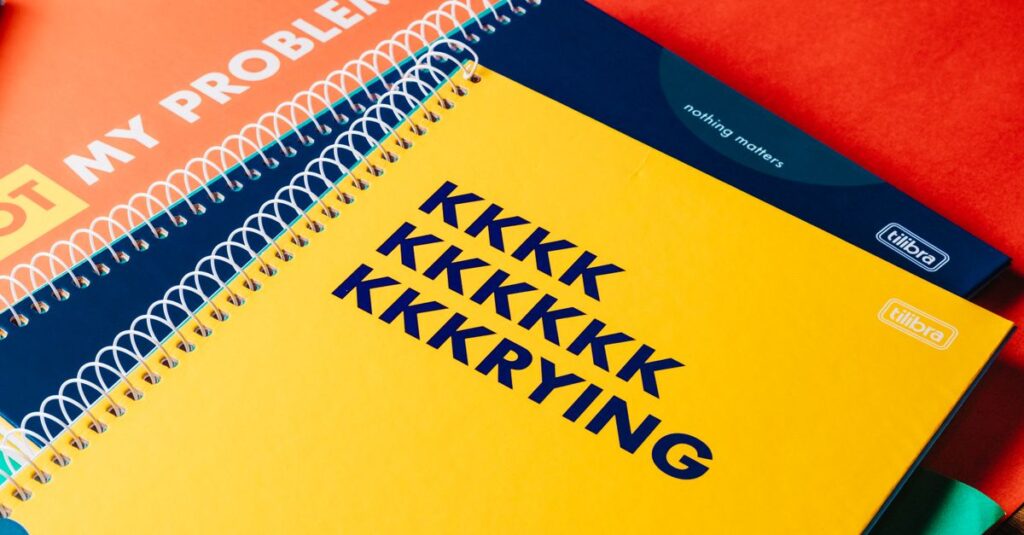
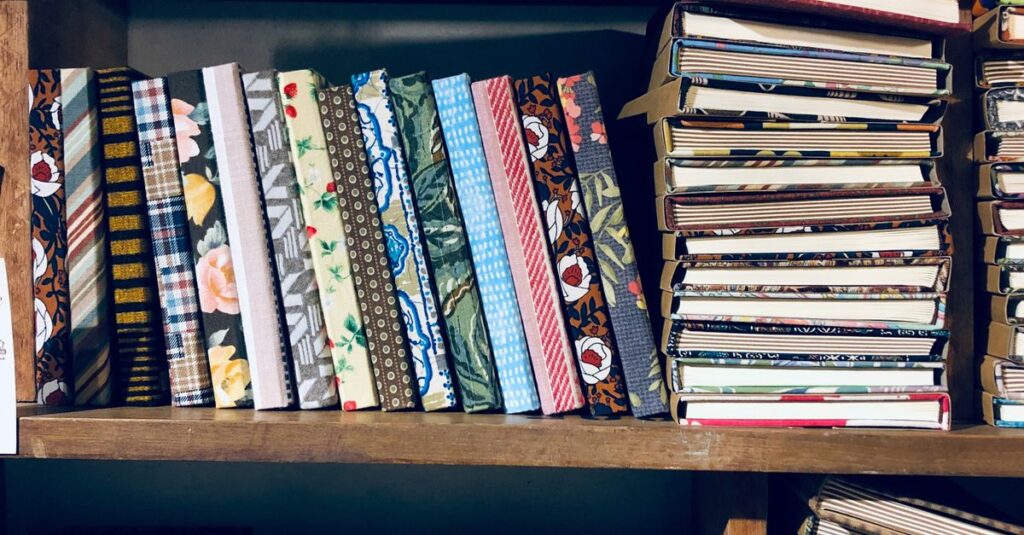
When you walk into a shop, you see finished products on shelves. You pick a size, a color, maybe a ruling. That’s the end of the story. When you deal directly with a manufacturer, you’re at the beginning of the story. You’re talking about GSM of paper — not just ‘thick’ or ‘thin’, but the actual 54 GSM writing paper that won’t bleed ink. You’re choosing binding: stitched for durability, spiral for flexibility, perfect binding for that clean corporate look.
You’re specifying things a shop would never ask. Like page options: 52 pages for lightweight student books, 240 pages for detailed project notes, 700 pages for those massive account ledgers. Or ruling types: Single Ruled (SR) for general notes, Four Ruled (FR) for accounting columns, Center Broad Ruled (CBR) for specific formatting needs. A shop sells what’s on the shelf. A manufacturer builds what’s in your specification.
And customization — this is where the ‘shop’ model completely falls apart. You need logo-printed notebooks for a corporate event. You need a specific cover design for a school anniversary. You need private label manufacturing for your brand. A local shop might say, ‘We can get that done,’ which means they’ll sub-contract it, adding time and cost. A manufacturer says, ‘We do that here. Our design team, our printing line.’ It happens in one place. The difference is not just efficiency; it’s accountability.
Think about it this way: if your order has a problem — the cover color is off, the binding is weak — who fixes it? With a shop, you’re complaining to someone who then complains to someone else. With a manufacturer, you’re talking to the people who operated the machine. That’s a different conversation.
| Buying from a Local ‘Shop’ | Buying Directly from a Manufacturer |
|---|---|
| Product Choice: Limited to shelf stock. | Product Choice: Built to your specification. |
| Customization: Often sub-contracted, slow. | Customization: Done in-house, with direct control. |
| Pricing: Includes shop margin + manufacturer cost. | Pricing: Direct factory pricing, usually lower. |
| Quality Control: Shop owner is intermediary; feedback loop is long. | Quality Control: Direct line to production team; issues resolved faster. |
| Scale: Limited by shop’s storage & sourcing capacity. | Scale: Matches factory capacity (e.g., 40,000 notebooks/day). |
| Logistics: Shop handles last-mile delivery only. | Logistics: Factory manages bulk shipping directly to your location. |
The Numbers Game: Bulk, Scale, and That Word ‘Near’
Let’s talk numbers, because procurement is a numbers game. A local notebook shop might hold a few thousand notebooks in inventory. Their supply chain is designed for replenishing that shelf. If you need 10,000 notebooks of a specific type by a specific date, they have to place an order with their supplier, wait for production, wait for shipment to them, and then ship to you.
A manufacturer like us works on a different scale. The production line isn’t waiting for a shop’s order; it’s running. The capacity is 30,000 to 40,000 bound notebooks per day. When you place a bulk order, it’s scheduled into that running line. Your order isn’t a special event; it’s part of the workflow. This changes timelines dramatically.
And ‘near’? In logistics, ‘near’ is measured in days, not kilometers. If a manufacturer has an efficient shipping network, your notebooks can reach you from Rajahmundry to Mumbai, or Delhi, or Kolkata, in the same time — or less — than a local shop could assemble your order from its own scattered sources. The ‘near me’ anxiety is often about delivery time. But direct manufacturers often beat local shops on delivery time for bulk orders because they control the entire chain.
I’ve seen this panic happen. A distributor in Bangalore needed 20,000 long notebooks for a sudden government tender. He called local suppliers, all ‘near him’. They said 4–6 weeks. He called us. We had the stock pattern ready, the paper in warehouse, the binding line available. We said 2 weeks production, 3 days shipping. He got the notebooks in 17 days total. The ‘near’ shops couldn’t compete because their ‘nearness’ was just a warehouse, not a production facility.
Right. So the geography thing is often a mental shortcut, not a practical advantage.
How to Actually Find What You’re Looking For
Okay, so if ‘notebook shop near me’ is the wrong search, what’s the right one? You’re a procurement manager. You’re a school principal. You’re a wholesaler. What do you do?
First, shift the language in your own head. You’re not shopping; you’re sourcing. Your search terms should include: ‘bulk notebook manufacturer’, ‘custom notebook printing’, ‘school notebook supplier’, ‘corporate diary manufacturer’. These terms lead you to the actual producers.
Second, look for evidence of manufacturing, not just retail. Does the website show a factory? Do they talk about production capacity, binding types, paper GSM? Do they list specific services like private label manufacturing or OEM production? That’s a manufacturer. A shop website will show a ‘product range’ gallery. A manufacturer website will show a ‘capabilities’ section.
Third, ask the questions a shop can’t answer. Ask about paper sourcing. Ask about lead times for 5,000 versus 50,000 units. Ask if you can provide a design file for a custom cover. Ask about export packaging if you’re an international buyer. The responses will tell you immediately if you’re talking to a reseller or a maker.
And a personal aside here — I’ve been on the other end of these calls for decades. The good buyers, the ones who get the best value, are the ones who skip the ‘where are you located’ question and start with ‘what can you produce’. Location matters for shipping cost, sure. But capability matters more for everything else. Knowing what’s possible is the first step to getting it.
The Real Cost of the Convenience Myth
This is the part nobody says out loud. The idea of a ‘local notebook shop’ feels convenient, manageable. But for bulk orders, that convenience is often a cost — hidden in markups, in delays, in limited options.
Let’s break down the cost layers. A shop buys from a manufacturer at a wholesale price. They add their margin to cover their rent, their staff, their inventory holding costs. You pay that margin. They might not have the exact product you need, so they ‘special order’ it, which means they place a custom order with the manufacturer… and add another margin for that ‘service’. The manufacturer could have done that custom order for you directly, at the base price.
Then there’s the time cost. The shop is a communication relay. Your request goes to shop owner, to manufacturer, back to shop owner, back to you. Every relay adds days. Every relay adds the chance of misunderstanding. Specifications get diluted. ‘I asked for 70 GSM paper!’ ‘The shop said you wanted thick paper, this is our standard thick.’ That happens.
And the flexibility cost. A shop’s catalogue is static. A manufacturer’s catalogue is a starting point. You want a notebook with a special pocket inside? You want a combination of ruled and unruled pages in the same book? You want a specific packaging for retail display? A shop will often say no, or quote a prohibitive price because they have to figure out how to get it done. A manufacturer will say, ‘We can design that. Let’s look at the binding machine options.’
So the ‘near me’ search, which feels like it’s saving you time and giving you control, can actually cost you more on price, time, and flexibility. It’s a trade-off. And for bulk, the trade-off usually doesn’t make sense.
Conclusion: The Shop Is an Idea, The Factory Is a Place
Look, I’ll be direct. When you’re ordering notebooks in volume, you’re not in a consumer relationship. You’re in a supply chain relationship. The ‘shop’ is a consumer idea — a place you browse and buy. The ‘factory’ is a supply chain node — a place you specify and procure.
Your job — if you’re the person tasked with getting these notebooks — is to find the right node. That means looking past the retail layer, past the ‘near me’ instinct, to the actual source of production. It means evaluating manufacturers on their capacity, their customization ability, their paper quality, their logistics.
I don’t think there’s one perfect answer for every buyer. Some small orders might still fit a local shop. But if your order touches thousands of units, or requires specific branding, or has a tight deadline, the math changes. The ‘shop’ model starts to crack. You start needing the factory.
And honestly? Most people know this already. They just need to admit that their search habit — ‘notebook shop near me’ — is pointing them in the wrong direction. The right direction is towards the makers. If you’re ready to make that shift, the conversation starts with what you need, not where you’re looking.
Frequently Asked Questions
What should I search for instead of ‘notebook shop near me’ for bulk orders?
Search for terms like ‘bulk notebook manufacturer’, ‘custom notebook printing company’, or ‘notebook supplier for schools’. These phrases lead directly to factories and producers, not retail intermediaries. You’ll find businesses that can handle large-scale production and customization.
Can a local stationery shop handle a custom order for 5,000 notebooks?
They might say they can, but they’ll typically act as a middleman. They’ll place the order with a manufacturer, adding their margin and potentially slowing the process. For custom orders of that size, contacting a manufacturer directly gives you better control over specifications, pricing, and delivery timelines.
Is it more expensive to buy directly from a notebook manufacturer?
Usually, it’s less expensive. You’re cutting out the retail markup. Manufacturers offer factory pricing for bulk orders. You pay for the production cost and shipping, not for shop overheads like rent and inventory holding.
How do I know if a website is for a shop or a manufacturer?
A manufacturer’s website will highlight production capabilities — binding types, paper GSM, printing services, daily capacity, customization options. A shop site focuses on showcasing finished products for sale. Look for words like ‘we manufacture’, ‘our factory’, ‘we produce’.
What are the main advantages of dealing directly with a notebook manufacturer?
Direct control over specifications (paper, ruling, binding), lower costs due to no middleman markup, faster communication and problem-solving, ability to handle truly large-scale orders (tens of thousands), and access to private label and full customization services.