The Real Point of a Pocket Notebook
You know the feeling. You’re in a meeting, on a site visit, or just walking around the factory floor — and you need to jot down a note. A number, a reminder, an idea that just popped up. You pull out your phone. But it feels wrong. Formal. Slow. There’s a different tool for this. One that’s been around longer than smartphones. The pocket notebook.
The thing about pocket notebooks — okay, let me rephrase that. They’re not just small notebooks. They’re a specific tool with a specific job. And if you’re a procurement manager, a school administrator, or someone buying notebooks in bulk, understanding that job changes how you order them. It’s not just about size. It’s about function. And honestly? Most people get the function wrong. They think ‘small’ and stop there.
I was talking to a procurement manager from a large corporate last week — over coffee, actually — and she said something I keep thinking about. “We order thousands of A4 notebooks for the office. But the pocket notebooks? We buy them from some random online store in small batches. It’s a headache.” That’s the whole point. The pocket notebook is the most personal, most immediate tool in a professional’s kit. And sourcing it haphazardly is, frankly, a waste.
If this sounds like a procurement puzzle you’re trying to solve, our approach to bulk manufacturing might be worth a look.
What Actually Is a Pocket Notebook?
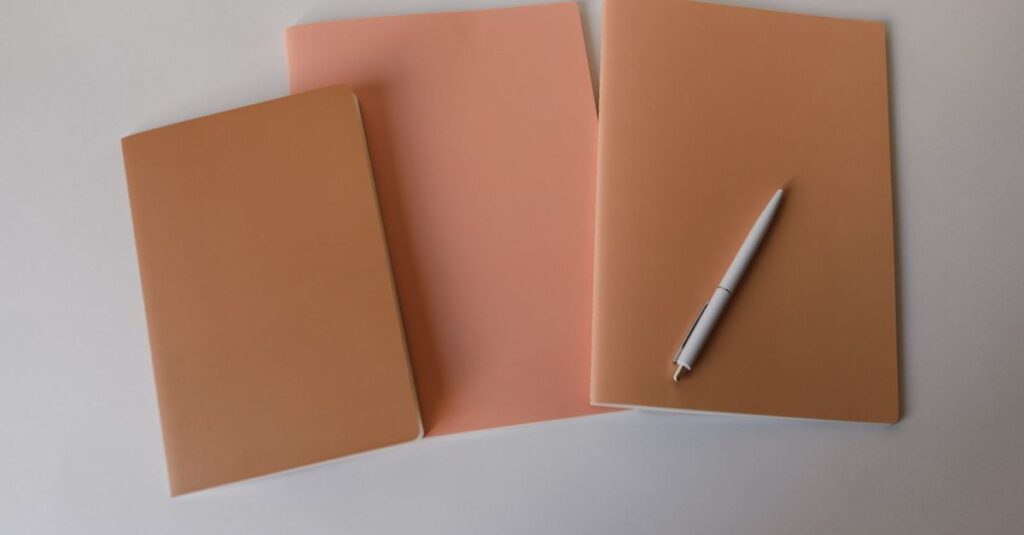
Let’s get past the vague definitions. A pocket notebook is designed for one primary purpose: portability. It has to fit comfortably — and I mean comfortably — in a standard trouser or jacket pocket without bulging. It’s not a diary. It’s not a formal report book. It’s for capture. Quick notes, sketches, phone numbers, measurements.
The size is the first thing. But it’s not just one size. In our industry, when we say ‘pocket notebook’, we’re usually talking about dimensions that range from what’s called ‘Short Notebook’ size (around 19.5 cm x 15.5 cm) down to what some call ‘Pocket’ or ‘Memo’ size, which can be as small as 10 cm x 7 cm. The king size? Too big. The long notebook? Definitely not. The short notebook can work, but it’s pushing the limits of ‘pocket’.
The paper matters too. You don’t want thick, stiff pages. You want something lightweight but still able to take a pen without bleeding. Around 54 GSM paper — the standard for most school notebooks — works perfectly here. It’s thin enough for the book to be slim, but strong enough for daily scribbling. The binding is crucial. Spiral binding lets it fold back completely, which is useful. But stitched binding is more durable for a book that’s going to be shoved in pockets, bags, and toolboxes.
And the ruling? This is where most bulk orders go wrong. Single ruled (SR) is fine. But for a true pocket notebook, where you’re jotting diagrams, numbers, and bullet points, unruled (UR) or even cross-ruled (CR) for quick grids is often better. The assumption that ‘notebook = ruled lines’ doesn’t always hold here.
Expert Insight
I was reading something last month from an old stationery design manual, and one line stuck with me. It said the pocket notebook is the “interface between thought and action.” It’s not for storing finalized information. It’s for capturing the raw, unformed stuff that happens between tasks. I don’t have a cleaner way to put it than that. It means the design shouldn’t feel formal or restrictive. It should feel inviting for messy, useful notes.
The Two Worlds of Pocket Notebook Use
Right. So who actually uses these things in bulk? It splits into two very different worlds.
The first is the corporate world. Think sales teams, field engineers, auditors, site supervisors. These people are mobile. They’re not at a desk all day. They need to record client details, site measurements, inventory checks, on-the-spot feedback. A pocket notebook is issued to them as part of their kit. Often branded with the company logo. It’s a professional tool, but it’s also a brand artifact. It gets used, shown to clients, left on meeting tables. The quality speaks for the company.
The second world is institutional. Schools, colleges, training centers. Here, it’s less about branding and more about function. Students use them for quick formulas, vocabulary, lab notes. Teachers use them for attendance marks, lesson plan snippets, reminders. They’re consumable. They get used up fast. So the priority is durability at a cost that makes bulk replacement feasible.
And then there’s a third, smaller channel — retail. But if you’re reading this, you’re probably not in that channel. You’re looking at hundreds or thousands of units. Which changes everything.
Let me tell you about Rajesh. He’s a procurement manager for a large infrastructure company in Hyderabad, maybe 45. His team of field engineers loses or fills up notebooks every quarter. He used to buy different styles from different suppliers each time. The colors wouldn’t match. The paper quality felt different. It was a logistical mess. Last year, he switched to a single bulk order for custom pocket notebooks — logo printed, spiral bound, unruled. He told me it cut his admin time on this item by about 70%. Not just cost. Time.
That’s the real benefit. Consistency.
Making the Choice: Key Specifications for Bulk Orders
When you’re ordering 5,000 pocket notebooks and not 5, the questions you ask are different. You’re not just picking a product. You’re specifying a component for your operational system.
Three things happen when you get this right. First, you get uniform quality across all units. Second, you build a predictable replacement cycle. Third, you often unlock a better price because you’re talking manufacturing, not retail.
Here’s what to look for, in order of importance:
- Size & Dimensions: Exactly how big? Will it truly fit in a standard pocket? Provide the millimeter specs to your manufacturer, not just the name.
- Paper GSM & Quality: 54 GSM is standard, but ask for a sample. Feel it. Write on it. Is it too thin? Does it bleed with a ball pen?
- Binding Type: Spiral for full fold-back flexibility. Stitched for maximum durability. Perfect binding (glued) usually isn’t right for pocket use — it can crack.
- Cover Material: A thicker, laminated cover will survive months of pocket life. A thin paper cover will get frayed in weeks.
- Ruling: Decide based on actual use. Unruled (UR) offers maximum flexibility. Single Ruled (SR) is good for mostly text.
- Extras: Perforated pages for tearing out notes? A pocket inside the back cover? These are custom features we can build in, but they add steps.
And honestly? The biggest mistake I see is buyers not asking for a physical sample before a bulk order. They see a PDF spec sheet and assume. A sample tells you everything the spec sheet doesn’t — the feel, the flex, the actual pocket fit.
If you’re weighing up these specs, seeing our standard product range can give you a baseline to start from.
Pocket Notebook vs. Standard Notebook: A Procurement Comparison
It’s useful to see this side-by-side. Because from a procurement standpoint, you’re often buying both. And they serve different purposes.
| Feature | Pocket Notebook (for bulk) | Standard A4/Long Notebook (for bulk) |
|---|---|---|
| Primary Use | On-the-move note capture, quick reference | Formal reporting, lengthy notes, desk work |
| Key Size Range | ~10cm x 7cm to ~19.5cm x 15.5cm | ~27.2cm x 17.1cm (Long) to A4 (~21cm x 29.7cm) |
| Paper GSM (Typical) | 54 GSM – lighter, for slim profile | 54-70 GSM – can be heavier for durability |
| Binding Preference | Spiral or Stitched – for flexibility/durability | Stitched or Perfect – for formal, neat look |
| Cover Material | Laminated, thicker – for physical protection | Can be paper or laminated – less abrasion |
| Customization Focus | Logo, simple branding – high visibility | Full cover design, internal layouts |
| Bulk Order Cycle | Shorter (3-6 months) – high wear & loss rate | Longer (6-12 months) – slower consumption |
| Price per Unit (Bulk) | Generally lower – smaller size, less paper | Higher – more material, more finishing |
The takeaway? Don’t treat them as the same product category. They have different procurement rhythms, different quality checkpoints, and different customization needs. Ordering them together from the same manufacturer makes logistics easier, but the specs should be distinct.
How Pocket Notebooks Are Actually Made (The Bulk Way)
Look, I’ll be direct. If you’re ordering 10,000 units, you should know how they’re made. Not the deep technicalities, but the steps that affect your order.
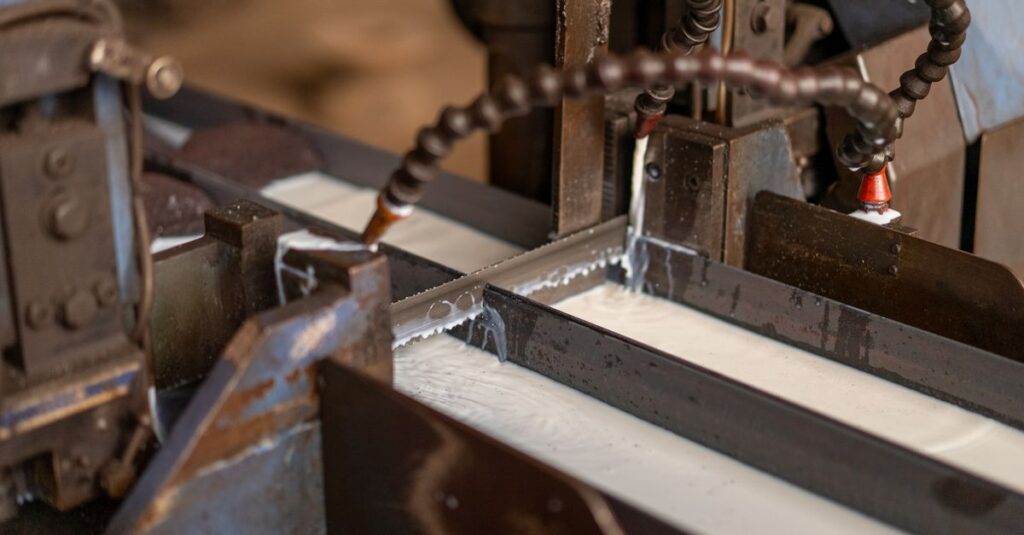
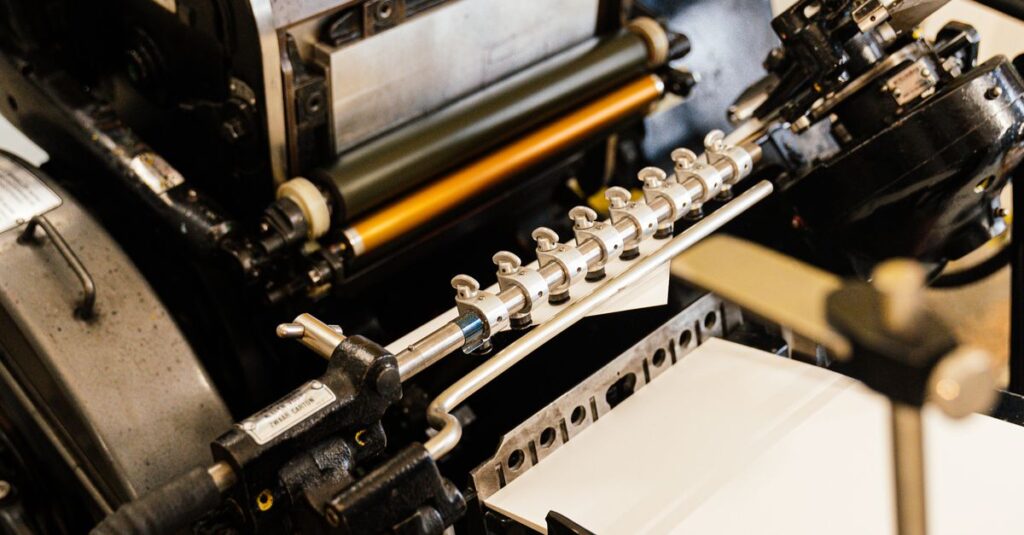
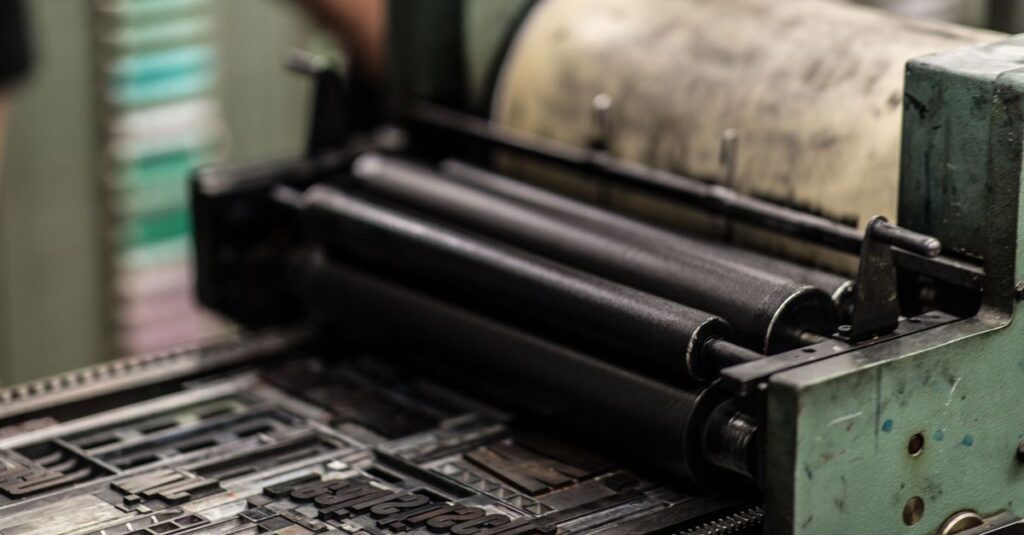
It starts with the paper reel. Large rolls of paper, printed with ruling lines if needed, are cut down to the pocket size sheets. This is where precision matters — a millimeter off can make the final book too tight or too loose for the binding. Then the sheets are collated — gathered into sets of 52, 92, or 200 pages. The cover, already printed and laminated, is added.
The binding. For spiral binding, a machine punches holes along the edge and inserts a plastic or metal coil. It’s fast. For stitched binding, needles thread through the center fold. It’s stronger. Then, a final trim cuts any uneven edges.
Here’s the thing most buyers don’t see: the packing. For bulk orders, these aren’t packed in individual retail boxes. They’re stacked in master cartons, usually 100 or 200 per box, with simple protective layers between stacks. This cuts cost massively. It also means when you receive them, you need a plan for internal distribution — they won’t come as pretty single units.
Our factory in Rajahmundry runs this process daily. We can shift lines between pocket notebooks and standard sizes based on the order queue. The capacity is there — tens of thousands of units a day. But the real advantage for a bulk buyer isn’t just capacity; it’s consistency. Once we set the specs for your order, every batch that comes out will match. No surprises.
That consistency comes from the process, but also from doing this for nearly 40 years. You learn what makes a pocket notebook survive a month in a toolbox.
Common Mistakes (And How to Avoid Them)
I’ve seen enough bulk orders go sideways to know the patterns. Let’s walk through the headaches so you can avoid them.
First mistake: underestimating usage rate. Pocket notebooks get used up fast. Or lost. If you’re provisioning for a team of 100 field staff, ordering 100 notebooks for the year is probably wrong. You might need 400. Think quarterly replenishment, not annual.
Second: ignoring the cover. A flimsy paper cover might look fine in the sample, but after two weeks in a dusty pocket, it looks terrible. Specify a laminated cover. It costs a bit more, but the perceived quality for the end-user — your employee or student — is completely different.
Third: not branding them. If these are for corporate use, printing your logo isn’t just marketing. It reduces loss. People are less likely to toss or lose a notebook that clearly belongs to the company. It also builds a subtle sense of uniformity across teams.
Fourth: mixing ruling types without reason. If 80% of the notes are numbers and sketches, order unruled. If 80% are text, order single ruled. Don’t split the order 50/50 just because you’re unsure. Make a decision based on observed use.
And the fifth, which is kind of the meta-mistake: treating the pocket notebook as a minor, incidental purchase. It’s not. For mobile teams and active students, it’s one of their most frequently used tools. Getting it right has a real, quiet impact on their daily work. Getting it wrong is a constant, small frustration.
Frequently Asked Questions
What is the most common size for a bulk pocket notebook?
The most common size we manufacture for bulk orders is what we call the ‘Short Notebook’ size: 19.5 cm x 15.5 cm. It’s a balance — it fits comfortably in most pockets, but still gives enough writing space. For even more portability, some clients go for a custom ‘Memo’ size around 14 cm x 9 cm. It depends on how much your users need to write per note.
Can pocket notebooks be custom printed with our logo?
Absolutely. In fact, for corporate bulk orders, that’s the standard. We print your logo, brand colors, and sometimes a contact line on the cover. The process is the same as for larger notebooks — offset printing for large runs, which gives sharp, durable results. It’s not an extra ‘feature’; it’s a core part of the bulk manufacturing service.
What’s the best binding for a durable pocket notebook?
For maximum durability under rough use, stitched binding is the strongest. The threads hold through bending and pressure. Spiral binding is great for flexibility — you can fold the notebook flat — but the coil can snag or deform if crushed. For most corporate field teams, we recommend stitched. For student or general use, spiral is fine and often preferred.
How many pages should a pocket notebook have for bulk use?
For bulk, we usually recommend 92 pages or 200 pages. 52 pages is too thin — it gets used up too fast, increasing replacement frequency. 320 pages makes the book too thick for comfortable pocket carry. 92 pages is a solid middle ground: lasts a reasonable time, stays slim.
What’s the lead time for a bulk order of 10,000 pocket notebooks?
With standard specifications (size, paper, ruling), a production run of 10,000 units typically takes about 10-15 working days from order confirmation to dispatch. If you need custom cover design or special ruling, add a week for setup. The key is to provide clear specs upfront — that avoids delays in sampling and approval.
The Bottom Line
So, the pocket notebook. It’s small. But it’s not simple.
If you’re buying in bulk, you’re not just buying a product. You’re buying a tool that will be used, carried, stressed, and depended on by your team or students every day. The specs you choose — the size, the paper, the binding, the cover — directly shape that experience. A good one feels reliable. A bad one feels like a chore.
I don’t think there’s one perfect answer for every organization. Probably there isn’t. But if you’ve read this far, you already know what you need it to do — you’re just figuring out how to specify that clearly to a manufacturer who can deliver it consistently, thousands of times.
Getting that right starts with a conversation, not just a purchase order.