So you’ve been told you need offset printing. What does that even mean?
Right. Let’s talk about offset presses. If you’re buying notebooks in bulk — I’m talking schools ordering thousands of units, a corporation needing branded diaries, a distributor moving stock — you’ve probably heard this term. Maybe your current supplier uses it as a selling point. Or you saw it in a quote and thought, “Is this the good one?”
Here’s the thing — offset printing is the workhorse of the mass production world. It’s not the new, flashy thing. It’s the reliable thing. The machine that runs for hours, day after day, spitting out thousands of identical, crisp pages. It’s what makes the math work when you’re ordering 50,000 notebooks and you need every single cover to look exactly the same, down to the last pixel of your logo.
I was talking to a procurement manager from a university last week — over email, actually — and he kept asking about “print quality.” What he really wanted to know was: “Will 10,000 student notebooks look cheap, or will they look like something we’re proud to put our name on?” That’s the whole conversation. It starts with the machine. If this sounds like your headache, understanding how these presses work is the first step to not getting burned.
Okay, explain it to me like I’m not an engineer.
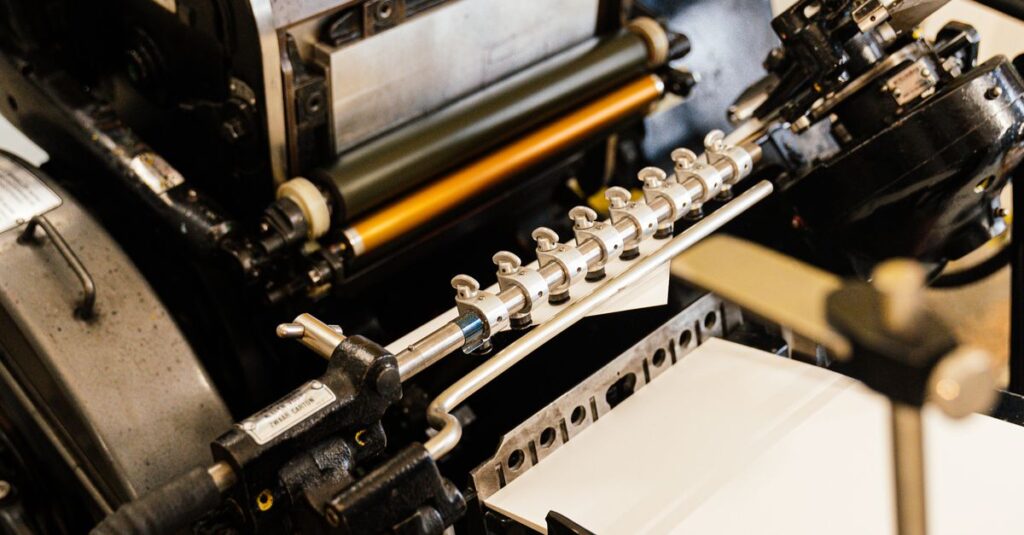
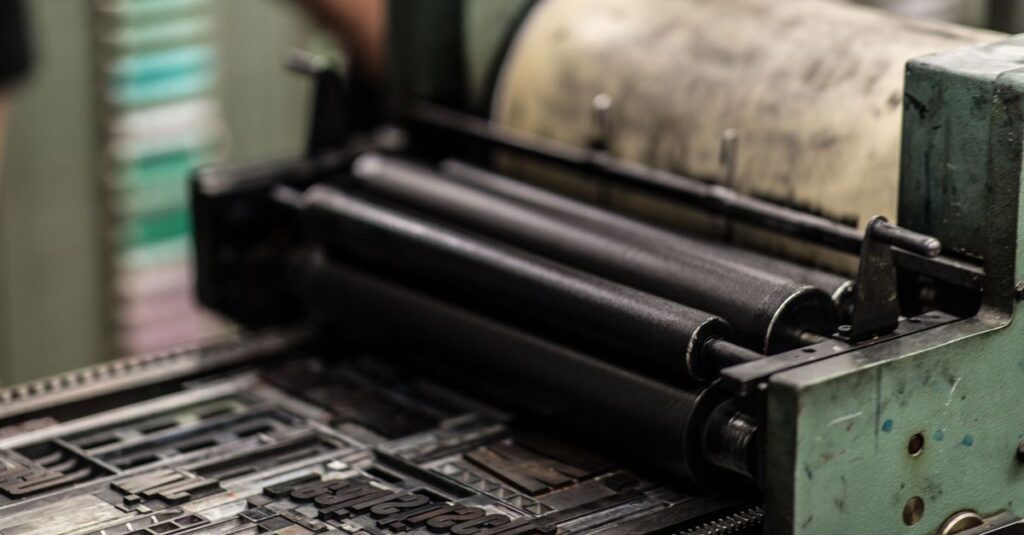
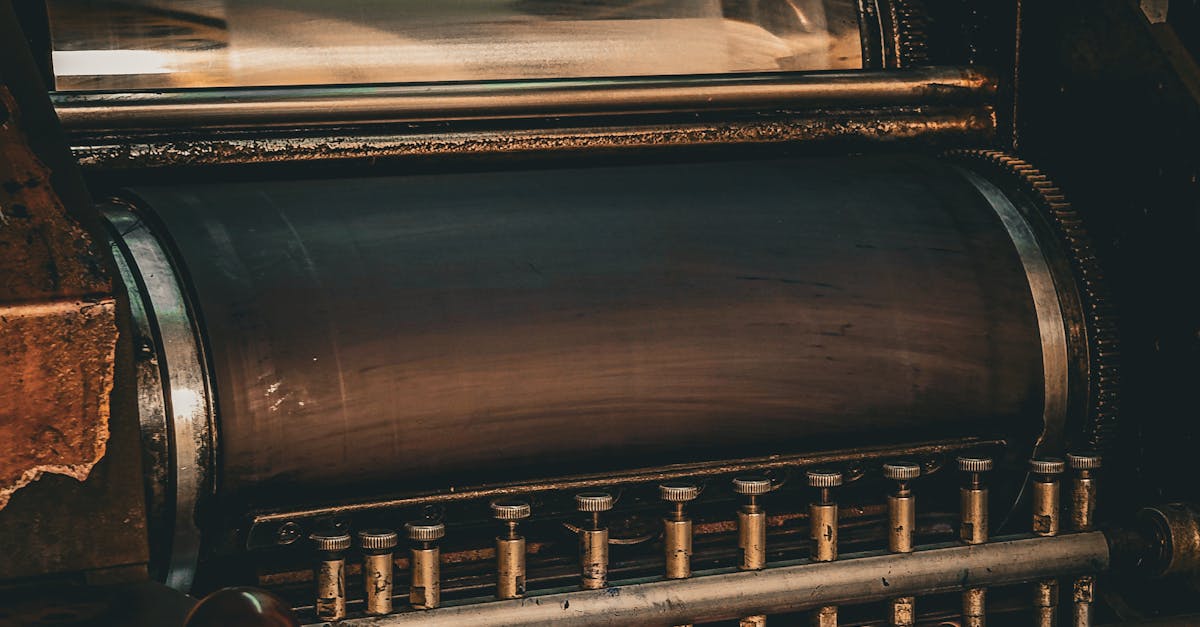
Imagine you want to stamp a design onto paper. You wouldn’t press an inked stamp directly onto a delicate page — it’d smudge, the pressure would be uneven. Offset printing is cleverly indirect. The design is first etched onto a metal plate. That plate gets inked. But instead of pressing the inked plate straight onto the paper, it presses the ink onto a rubber blanket cylinder first. This soft rubber blanket then rolls and transfers — “offsets” — the ink onto the paper.
It sounds like an extra, pointless step. It’s not. That rubber blanket conforms to the paper’s texture perfectly. It means you can print on smoother paper, rougher paper, thicker stock — and get a sharp, consistent image every time. No smudges. No broken lines. The plate never touches the paper, so it lasts longer. You can run that plate for tens of thousands of impressions before it wears out.
Think about a school logo on a notebook cover. It needs to be clear. The colors need to match the school’s brand green, not some weird cousin of green. And it needs to be the same on notebook #1 and notebook #15,000. That’s what offset does. It’s about consistency at scale. It’s the reason you can pick up two notebooks from different batches, six months apart, and they look identical.
The silence in a press hall when an offset machine is running is something else. It’s a rhythmic hum, not a screech. A steady feed of paper, a whisper of the cylinders turning. You look at the stack of finished sheets piling up — each one perfect. There’s a kind of trust that builds. You stop worrying about “print quality” and start thinking about delivery schedules and packaging. Which is how it should be.
So when should you absolutely insist on offset printing?
Not always. That’s the first thing to get out of the way. If you need 200 custom notebooks for a workshop next week, digital printing is your friend. Faster setup, cheaper for tiny runs. But that’s not you, is it? You’re here because you’re dealing in volume.
You need offset when:
- The order is big. I mean, really big. We’re talking runs of 1,000 copies and up. The economics flip. The setup cost for offset gets spread over so many units that the cost per notebook drops like a stone.
- Color matching is non-negotiable. Your corporate blue is Pantone 300. Not 299. Not 301. Offset mixing gives you that spot color accuracy. Digital tries to simulate it with tiny dots, but it’s not the same.
- You’re using custom paper. Heavier cover stock, textured paper, specific finishes. That rubber blanket I mentioned? It handles odd surfaces beautifully.
- You need it to look and feel premium. This is the part nobody says out loud. There’s a tactile quality to offset ink. It sits on the paper differently. It has a slight sheen, a depth. When a client picks up a corporate diary, they feel that quality before they even open it.
I think the rule of thumb is — and I could be wrong — that if your total page count across the entire order is in the hundreds of thousands, you’re in offset territory. The machine is built for that kind of marathon.
A Quick Story
Rohan, 42, handles procurement for a chain of private schools in Hyderabad. He needed 40,000 notebooks for the new academic year, each with a complex, multi-color school crest on the cover. His old supplier used digital for a similar order the year before. The crests looked washed out. The blues weren’t consistent across batches. Parents complained. This time, he asked one question first: “Is this done on an offset press?” He didn’t care about the technical specs. He cared that the problem wouldn’t repeat. He got the samples, the colors were perfect. He stopped worrying. He placed the order.
Offset vs. Digital: The Real Cost Isn’t Just the Quote
Everyone wants a simple comparison. Here it is. But look past the upfront price.
| Factor | Offset Press Printing | Digital Printing |
|---|---|---|
| Best For | Large volumes (1,000+ units) | Small batches & prototypes (under 500) |
| Setup Time & Cost | Higher. Needs plate creation. | Lower. Almost no setup. |
| Cost Per Unit | Drops dramatically with volume. | Stays relatively high, even for more units. |
| Color Consistency | Excellent. Perfect for brand colors. | Good, but can vary between runs. |
| Paper Flexibility | Handles a huge range of weights & textures. | More limited to standard stocks. |
| Turnaround Time | Longer for setup, then very fast production. | Faster for the whole job. |
| The Feel of the Print | Ink sits on the surface, often feels richer. | Ink is fused into the paper, can feel flatter. |
The real cost? It’s not just the rupees per notebook. It’s the cost of a batch going wrong. The cost of re-printing 10,000 covers because the color is off. The cost of your brand looking amateurish. Offset presses, with their upfront investment in plates and setup, are essentially buying insurance against that. You pay a bit more at the start to sleep peacefully later.
For bulk school notebooks or corporate diaries where the print is the branding, that insurance is worth every penny. A manufacturer running offset presses is telling you they’re built for your scale of problem.
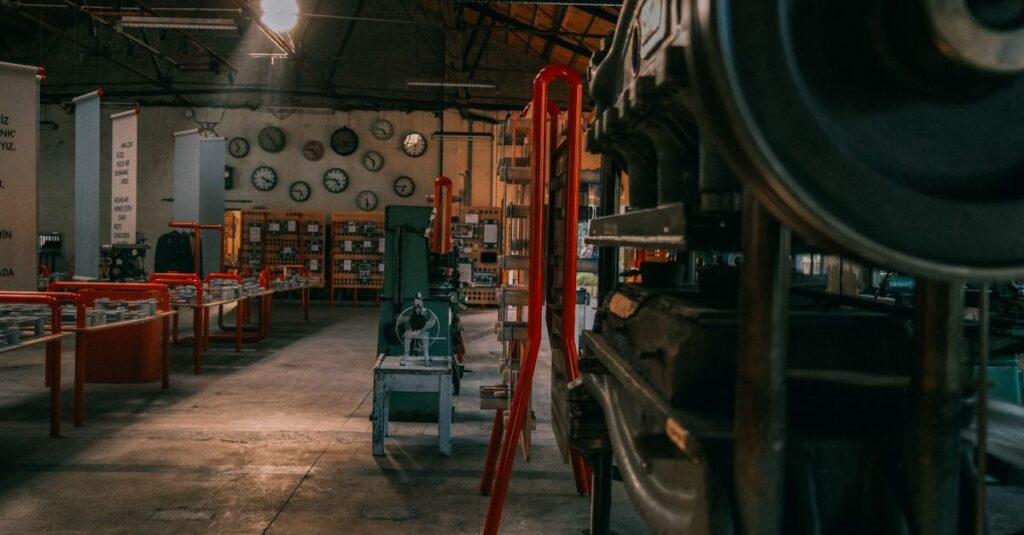
What it actually looks like on the factory floor
Let me walk you through what happens when your order hits an offset press line. Because this is where trust is built, or broken.
First, your design file goes to a plate-making machine. A laser etches it onto a thin aluminum plate. This plate is the master. It’s mounted onto the cylinder of the press. Inks are mixed — this is almost an art form. Getting the exact shade of maroon for a university diary might take a few test runs. Then the machine starts.
Paper is fed from a massive stack. The plate cylinder rolls, picking up ink only on the etched image areas. It transfers this to the rubber blanket cylinder. The paper sheet zips through, pressed between the blanket cylinder and another cylinder. Transfer. Done. It’s dried, then sent to cutting, then binding.
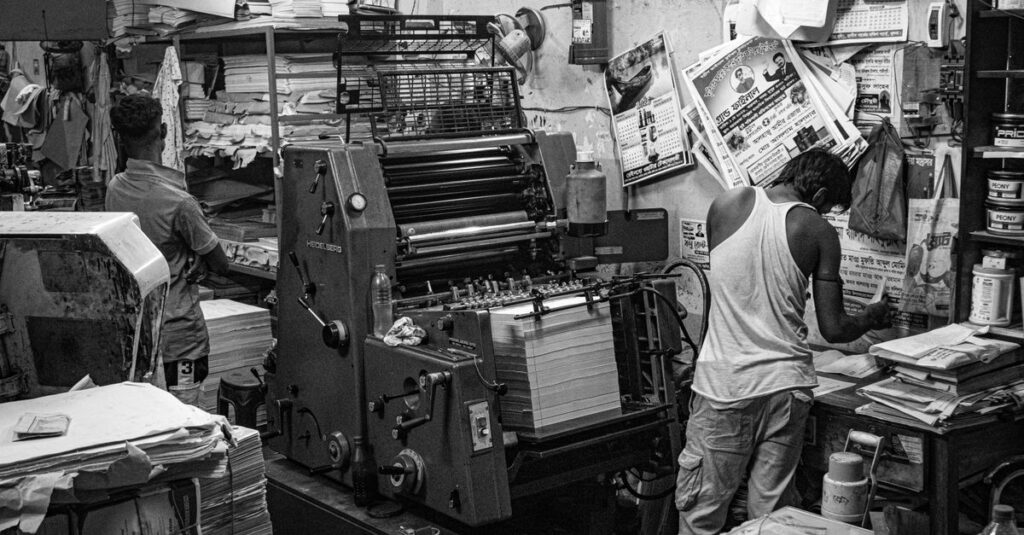
The operator’s job is to watch. To check the first hundred sheets like a hawk. To adjust the ink flow, the registration (making sure colors align perfectly). Once it’s set, the machine just runs. And runs.
Expert Insight
I was reading an old trade journal once — something about print engineering. One line stuck with me. The writer said offset printing’s advantage isn’t just quality; it’s predictability. Once you lock in the variables — ink, plate, pressure, paper — the output becomes a constant. In a world where supply chains are shaky, that predictability is a superpower. It means your lead times aren’t guesses. They’re schedules. For a business procurement manager, that’s often more valuable than a slight discount. I don’t have a cleaner way to put it than that.
The question you should be asking your supplier
Don’t just ask “Do you have offset presses?” That’s a yes/no trap. Ask this instead: “For an order of [X] thousand notebooks, would you run my covers on an offset press, and why?”
Their answer tells you everything. If they immediately start talking about color fidelity, unit cost economics, and paper suitability, you’re talking to someone who understands production. If they try to talk you into digital for a 20,000-unit order to save two days on the schedule, they’re thinking about their convenience, not your product’s quality.
Look, I’ll be direct. In our own factory in Rajahmundry, we fire up the offset lines for the big school orders in April-May. The air smells of ink and paper dust. You hear the rhythmic thrum of the press. It’s a sound that means business. It means someone’s order for 50,000 notebooks is becoming real, reliable, tangible. That’s the goal, right? To turn a PDF and a purchase order into a pallet of perfect, professional notebooks that show up on time.
Anyway. The point isn’t to become a printing expert. The point is to know enough to choose a partner who is. So you don’t have to think about plates and blankets and Pantone codes. You just get the notebooks you ordered.
Frequently Asked Questions
Is offset printing more expensive than digital?
For small quantities, yes, because of the plate setup costs. But for bulk orders like school notebooks or corporate diaries — typically over 1,000 units — the cost per piece on an offset press becomes much lower than digital. The initial cost is higher, but it gets diluted across thousands of copies.
Why is offset printing better for brand colors?
Offset uses pre-mixed “spot” inks to match specific color codes like Pantone. Digital printing tries to create all colors by mixing tiny dots of just four inks (CMYK). Spot color on an offset press gives you a solid, exact match every time, which is crucial for logos and corporate branding.
Can you print on any notebook paper with offset?
Pretty much, yes. Offset presses are incredibly versatile. The rubber blanket transfer allows for printing on smooth, textured, coated, or thick paper stocks without losing detail. This is why it’s used for everything from standard 54 GSM notebook paper to heavy diary covers.
How long does it take to set up an offset press for a job?
It takes time. You need to make the metal plates, mount them, mix and load inks, and run test sheets to get color and alignment perfect. This setup can take a few hours. But once it’s running, production is extremely fast, making it efficient for long runs.
What’s the minimum quantity for offset printing to make sense?
There’s no universal number, but as a rule, offset becomes cost-competitive around 500-1,000 copies for a single design. For complex multi-color notebook covers or corporate diaries where quality is key, it’s often the right choice even at lower volumes within that range.
Look, it comes down to one thing.
You’re not buying printing. You’re buying consistency. You’re buying the guarantee that the last notebook in the shipment will look as good as the first. That your brand’s colors will be right. That the paper won’t curl because the ink was applied wrong.
Offset presses are the tool for that job. They’re not magic. They’re just machinery engineered to remove variables. In bulk notebook manufacturing, removing variables is the whole game. It’s what lets a school district hand out 100,000 identical exercise books. It’s what lets a corporation gift diaries that actually feel like a premium gift, not a cheap afterthought.
I don’t think there’s one perfect printing method for everything. Probably there isn’t. But if you’re reading this, you’re likely dealing with a number that has a lot of zeros in it. And for that, you need the machine built for zeros. You probably already know that — you’re just figuring out who to trust with the job. If you want to see what that looks like in practice for your next order, the conversation starts with a sample.