Spiral Binding: The Complete Guide for Buyers & Manufacturers
Look, you're probably here because you need to order a few hundred — or a few thousand — notebooks. And you've heard “spiral binding” is a good way to go. But you're staring at a spec sheet from a manufacturer and you're thinking, “Is this actually what I need? What are the downsides they're not telling me?” You're right to ask. In my experience working with schools and corporate offices, nobody ever explains the trade-offs. They just send a quote.
So let's cut through the marketing. This is what spiral binding really is, why it works for some things and fails for others, and what you should ask before you place a big order. If you're a procurement manager or a business ordering corporate diaries, this might save you a real headache.
What Spiral Binding Actually Is (And What It's Not)
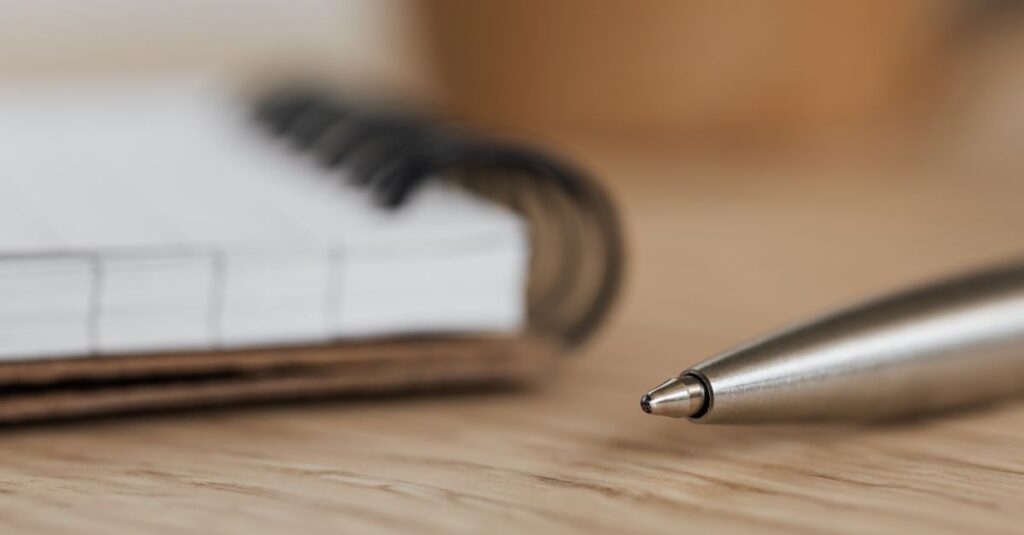
Okay, basics. Spiral binding is that metal or plastic coil that loops through a series of holes punched along the edge of your pages. It looks simple. It is simple. That's the whole point. It's a way to hold pages together that lets them lay completely flat and rotate 360 degrees around the coil.
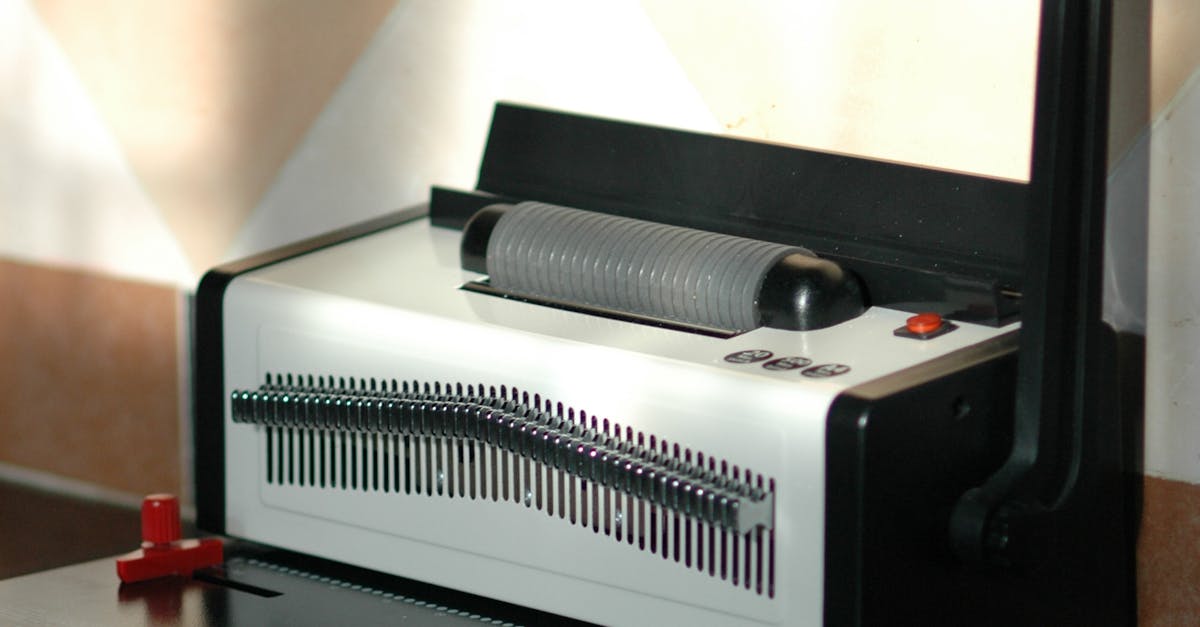
But here’s the thing most people miss: it’s not a single thing. “Spiral” can mean metal wire, which is strong but can get bent. Or it can mean plastic coil, which is more flexible but feels, honestly, cheaper to some people. The type of coil you choose — and more importantly, the hole punching and the machine that crimps the coil ends — is where the quality of a manufacturer shows up.
Right.
Where was I. The main job of spiral binding is to allow a notebook to lie perfectly flat. No wrestling with the spine. For artists, students, or anyone taking notes who needs to use the whole page, this is the only thing that matters.
And honestly? That makes complete sense. The silence in the factory when the coil machine is running has a specific kind of rhythm. A good one. A bad one sounds like it's fighting the paper.
The Good, The Bad, and The Surprisingly Annoying
Let's get into the pros and cons. Because every binding type is a compromise. Spiral is no different.
Why People Love It (The Pros)
First, the flat lay. I've seen a designer nearly cry with relief when their sample arrived and they could actually work across the gutter. For drawing books or music sheets, it's non-negotiable.
Second, durability in the right context. A well-made spiral notebook can take a beating. The pages are individually secured by the coil. You can tear out a page without the whole book falling apart — which is a big deal for school notebooks where kids are, well, kids.
Third, it handles thick page counts surprisingly well. We've bound 700-page account books with a heavy-duty metal coil. A stitched binding would be a brick. A perfect binding would crack. The coil just… works.
Here's a story I think about a lot. A procurement manager for a college in Bangalore — let's call him Rohan — ordered 5000 spiral bound lab notebooks. He was worried about the cost. Six months later, he called back. Not to complain. To re-order. The professors said the books were the only ones that stayed open on the lab bench without someone holding them down. That's it. That's the win.
The Headaches Nobody Talks About (The Cons)
Now, the bad stuff. The coil can snag. If you throw a spiral notebook into a bag full of stuff, the coil can hook onto a pen or a keychain and get bent out of shape. It's a headache, honestly.
<3>The Coil Can Get Bent
Plastic coils are more forgiving, but a bent metal coil is almost impossible to fix perfectly. It'll always catch on pages.
It's also not the most “professional” looking for certain corporate products. A sleek, perfect-bound corporate diary feels more executive than a spiral one. It just does. I tell clients this straight: if image is priority one, think twice.
And finally, the edges of the pages. Those punched holes create a perforated edge. For some people, it feels unfinished. For others, it's a place for dust to collect over time. A small thing, but it matters when you're choosing a notebook for archival purposes.
Spiral vs. The Other Guys: A Real Comparison
Don't just take my word for it. Here's how it stacks up against the other two common types we do every day at our factory.
| Feature | Spiral Binding | Perfect Binding | Stitched Binding |
|---|---|---|---|
| Lays Flat? | YES. Perfectly. | No. Fights you. | Mostly. Good enough. |
| Durability (Daily Use) | Very High. Coil holds pages. | Low. Glue can crack. | Highest. Sewn is forever. |
| Page Count Range | Very Wide (40-700+ pages) | Best for Thick (100+ pages) | Limited (Usually up to 240 pages) |
| Professional Look | Casual / Functional | Most Professional / Book-like | Traditional / Durable |
| Customization Ease | Easy. Many coil colors. | Hard. Mainly cover work. | Medium. Cover & thread. |
| Cost (for bulk) | Mid-Range | Usually Lowest | Usually Highest |
See? It's not about which is “best.” It's about what you need the notebook to DO. If flat-lay is your non-negotiable, the choice is already made for you.
What to Ask Your Manufacturer (Before You Pay)
This is the part nobody says out loud. Not all spiral binding is the same. The difference between a notebook that lasts a year and one that fails in a month is in these details. When you're talking to a supplier — us or anyone else — ask these questions.
- What's the coil made of? PVC plastic or metal wire? What gauge (thickness)? A thin coil on a thick book is a disaster waiting to happen.
- How are the coil ends finished? This is critical. The ends should be crimped and tucked back into the coil smoothly. Exposed, sharp ends are a safety issue, especially for school notebooks.
- What's the hole pitch? (That's the distance between holes). A standard pitch is 4:1 (4 holes per inch). But for larger formats or heavier paper, you might need a 3:1 pitch for strength. If they don't know what you're talking about… be worried.
- Can I get a physical sample? Always. Get a sample. Bend the coil. Flip the pages. Throw it in your bag for a week. A good manufacturer will insist on it.
I was talking to a distributor from Kenya about this last month — over a really bad Zoom connection, actually — and he said something obvious that stuck with me. He said, “The notebook is a tool. I don't buy tools that break.” He tests every sample by rifling through the pages like he's angry at it. It's a good test.
Expert Insight
You know, in all the technical talk about pitch and gauge, we forget the human part. I was reading an old industry journal once, and this retired production manager wrote a letter. He said the real sign of a good spiral bind isn't in the specs. It's in the sound. A well-punched, evenly loaded book makes a soft, consistent “shush” when you fan the pages. A bad one crackles and catches. I don't have a cleaner way to put it than that. You can hear quality.
Who Actually Needs Spiral Bound Notebooks? (Real Use Cases)
Let's get specific. Who is this for? Because if you're ordering 10,000 units for a bank's corporate gift, maybe not. But for these groups, it's often the only right answer.
Schools & Colleges: This is the biggest one. Student notebooks, lab books, sketchbooks. They get thrown in backpacks, pages get torn out, they need to stay open on a small desk. Spiral binding is practically invented for this chaos. The durability and flat-lay solve 90% of the problems.
Artists & Design Studios: Again, the flat surface is everything. For storyboarding, sketching, or client presentations where you need to see the whole spread. Customizing with a black or white coil can look very sleek.
Businesses for Internal Use: Think training manuals, process logs, or quality checklists on a factory floor. These books need to be open, hands-free, and they need to last. A spiral-bound logbook can sit on a clipboard for years.
Restaurants & Hospitality: Kitchen checklists, maintenance logs, reservation books. They need to lie flat on a counter, survive spills, and have pages replaced easily. It's a functional workhorse.
The question isn't whether spiral binding is good. It's whether your specific daily grind matches what it does well.
If your use case fits here, the customization options are pretty broad. You're not stuck with silver coil on a blue cover.
Wrapping This Up
So here's what I think. Spiral binding is a brilliant, simple solution to a very specific problem: making pages behave. It's not fancy. It's not always the prettiest. But for pure, stubborn functionality, it's hard to beat.
Most of the mistakes happen when people choose it for the wrong reason, or when the manufacturer cuts corners on the coil quality or the finishing. Your job is to match the need to the method, and then find a partner who knows the difference between a good bind and a great one.
I don't think there's one perfect binding for everything. Probably there isn't. But if you've read this far, you already know what you need the notebook to do — you're just figuring out if spiral is the right way to get it done. Sometimes, just talking it through with someone who makes these all day helps.
Frequently Asked Questions
Is spiral binding durable for daily student use?
Yes, absolutely — if it's done right. A sturdy metal or thick plastic coil with properly crimped ends can survive a school year in a backpack. The key is the coil thickness (gauge) matching the book's page count. A flimsy coil on a thick book will bend.
Can pages be easily added or removed from a spiral bound notebook?
Removed, yes — you can tear them out cleanly along the perforated holes. Adding pages later is nearly impossible. That's why spiral binding is great for finished books, not for ongoing archives where you need to insert pages regularly.
What's the difference between metal and plastic spiral binding?
Metal coils (wire) are stronger and have a more professional, industrial feel. Plastic coils (PVC) are more flexible, come in many colors, and are less likely to get permanently bent. Plastic can feel cheaper, but for color-matching a brand, it's the only choice.
How many pages can you spiral bind?
A lot more than you think. We regularly bind 500-700 page account books. The limit isn't the coil, really — it's the thickness of the paper stack the coil machine can physically punch through and the coil length available. Very thick books become heavy and awkward before the binding fails.
Is spiral binding more expensive than other types?
It's usually mid-range. Perfect binding (glued) is often cheapest for large runs. Stitched binding is typically the most expensive due to the labour. Spiral sits in the middle, with cost depending on coil material and the number of holes to be punched.