If you’re searching ‘printing shop near me’, you’re probably looking for the wrong thing
You know the feeling. The deadline’s coming up. You need 5,000 branded notebooks for the annual conference, or a fresh batch of custom diaries for the sales team. You type ‘printing shop near me’ into Google and… you get a list of FedEx Office locations, local copy centers, and maybe a few sign makers. You call. “Sure, we can print notebooks!” they say. Then the quote comes in, and you wince. For a business buyer, that search is a dead end before you even start. It’s like looking for a commercial bakery at a corner grocery store.
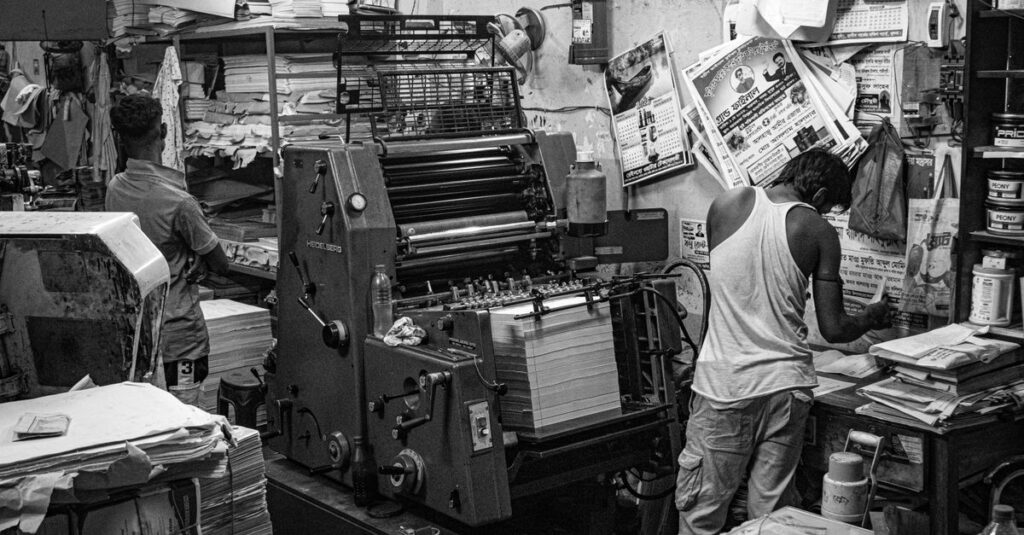
Because here’s the thing — a local retail printing shop and a manufacturing plant that produces bound notebooks are two completely different beasts. One prints flyers and business cards. The other makes the actual product. I’ve watched procurement managers spin their wheels for weeks on this, thinking it’s the same supply chain. It’s not. And honestly? That confusion costs businesses real money and a lot of wasted time. If you’re ordering in volume, you need to skip the middleman altogether.
Why ‘local’ doesn’t mean ‘better’ for corporate stationery
Look, I get it. There’s a comfort in local. You can drive over, see the operation, shake hands. It feels tangible. But when you’re sourcing 10,000 units of a manufactured good, the calculus changes. Dramatically.
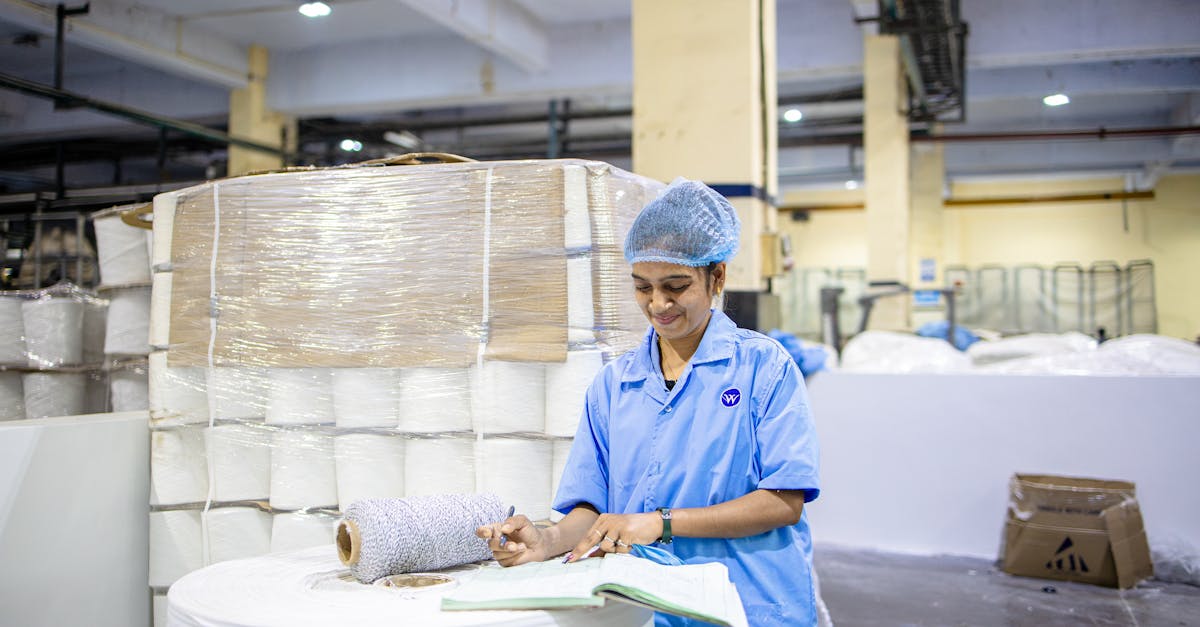
Think about it. A local shop has to outsource the paper, the binding, the cover lamination. They’re an aggregator, not a manufacturer. Every hand-off adds a markup and a point of failure. Your order becomes a complicated relay race, and you’re paying for every baton pass. What you actually need is the factory that starts with the paper roll and ends with the pallet of finished notebooks, all under one roof. The quality control is tighter. The cost is lower. The lead time is predictable.
I was talking to a procurement head from a tech firm in Bangalore last month. She spent three weeks getting quotes from ‘local printers’. The best price she got was 40% higher than what we quoted her directly. Her budget was blown before she even knew there was another way. That’s a common story, not an exception.
Real-Life Scenario: Priya’s Procurement Headache
Priya, 38, heads procurement for a chain of coaching institutes in Hyderabad. Quarterly, she needs 50,000 single-ruled, 92-page notebooks with their logo. Her old process? Google ‘printing services near me’, send RFQs to 5 local printers, compare confusing quotes (some inclusive of binding, some not), coordinate delivery from multiple vendors. It took her 15 working days, start to finish. Last quarter, a shipment was delayed because the binding subcontractor had a machine breakdown. The local printer had no control. Priya had to answer to 30 franchise owners. She was done.
That’s when businesses usually find us. Not from searching ‘notebook manufacturer’, but after the ‘local’ model breaks down in a very real, very stressful way.
The invisible factory: What you’re *actually* looking for
So if not a retail print shop, what? You’re looking for a manufacturer with integrated capabilities. This isn’t about fancy jargon; it’s about the physical process of making a notebook from scratch. Let me walk you through what that actually means, because it demystifies everything.
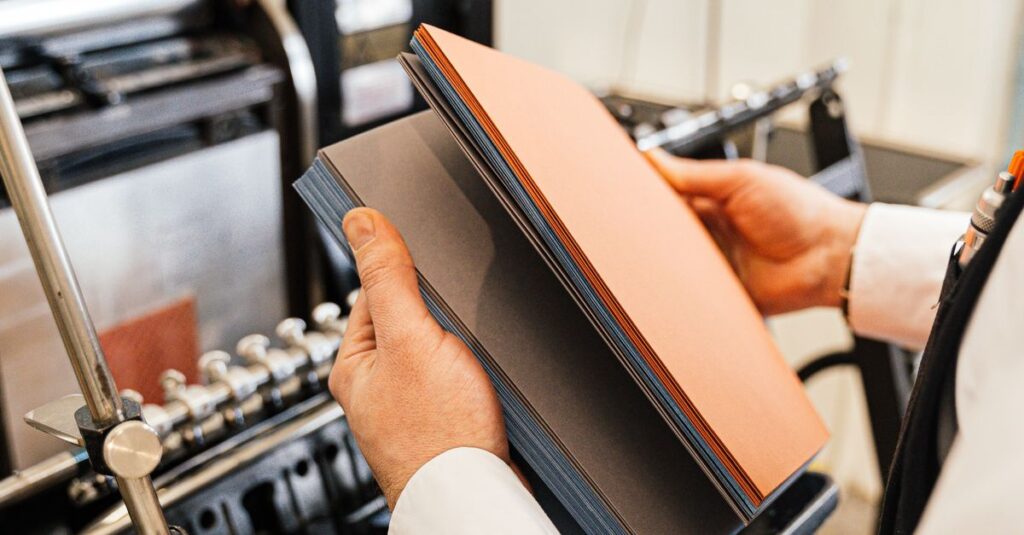
- Paper Mastery: It starts with the right paper – not just any paper, but specific GSM (grams per square meter) writing paper that won’t bleed. A manufacturer buys this in massive rolls, not pre-cut sheets.
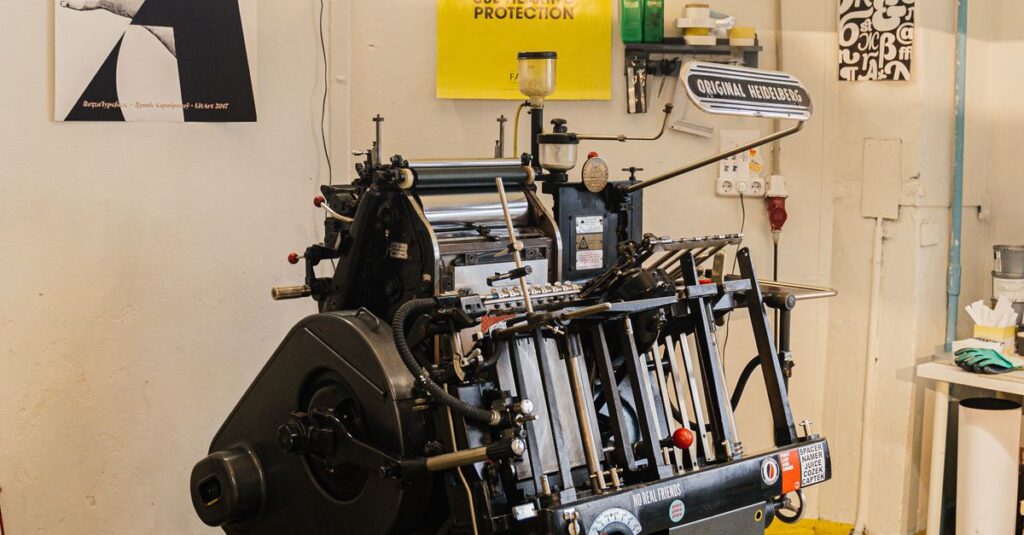
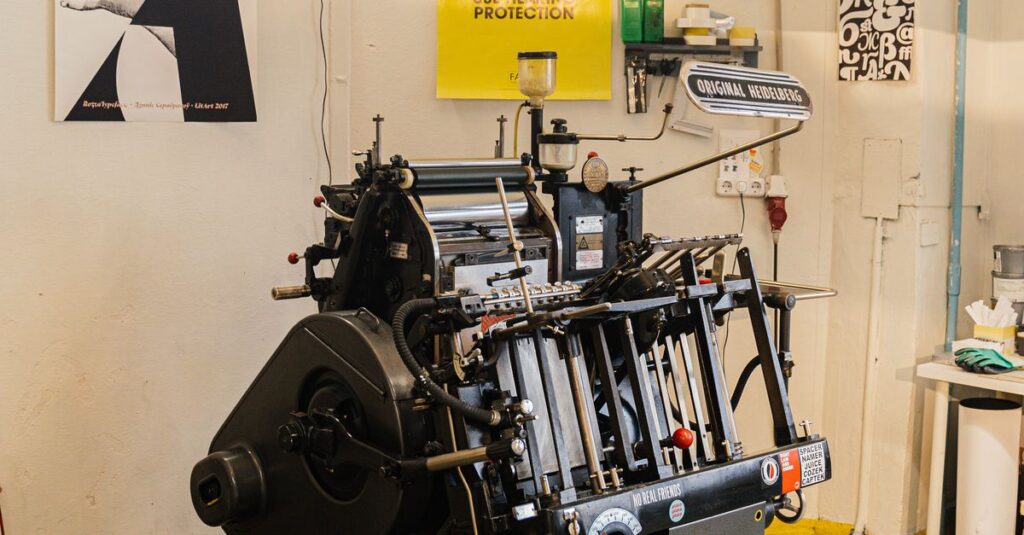
- Printing (the real kind): High-speed offset or digital printing on large sheets, not a desktop printer. This is where your logo, branding, and page rulings are applied efficiently, across thousands of sheets at once.
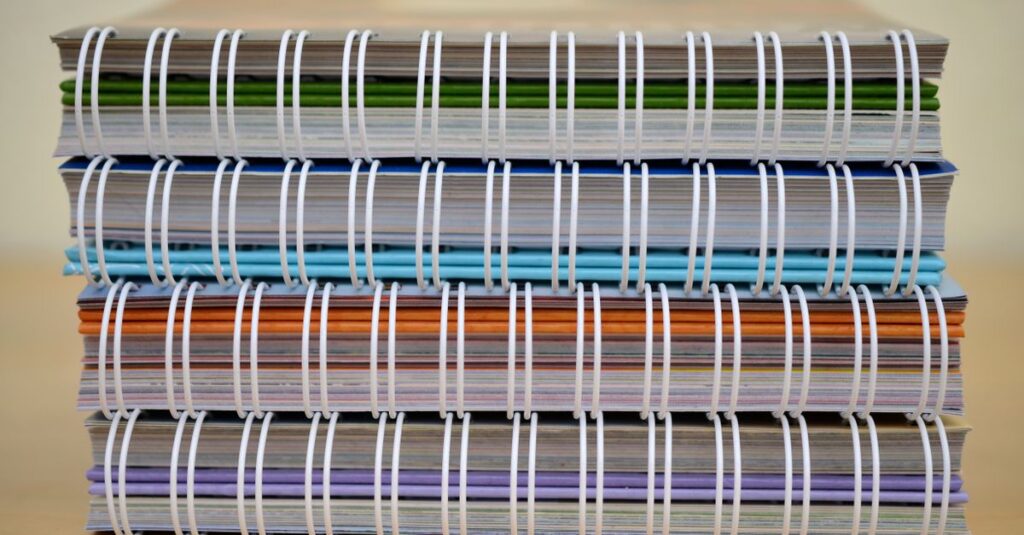
- Binding In-House: This is the big one. The sheets are folded, gathered, and bound. Stitched, spiral, perfect bound – this happens on industrial machines in the same facility. No shipping half-finished products across town.
- Finishing & Packing: Trimming, quality checks, and packing into cartons for direct shipping to your warehouse or even to multiple branches.
When all this happens in one place, you get consistency. You get a single point of contact who is responsible for the entire product. You’re not managing a supply chain; you’re buying from one.
Expert Insight
I remember reading an industry report a while back – I can’t remember the exact publisher, but one line stuck with me. It said that for bulk stationery, the total landed cost is only about 60% materials and labor. The other 40% is logistics, coordination, and risk. When you source from a non-integrated ‘printer’, you’re signing up to manage that 40% yourself. The manufacturer absorbs that cost and headache. That’s the real value proposition nobody talks about when you’re just comparing per-unit prices online.
Bulk vs. Boutique: A side-by-side reality check
Let’s make this crystal clear. This isn’t about one being ‘good’ and the other ‘bad’. It’s about using the right tool for the job.
| Factor | Local Retail Printing Shop | Integrated Notebook Manufacturer |
|---|---|---|
| Core Business | Short-run prints, copies, signage | Manufacturing physical stationery products |
| Order Volume | Best for 10-500 units | Optimized for 1,000 – 100,000+ units |
| Cost Structure | High per-unit cost (aggregated services) | Lower per-unit cost (vertical integration) |
| Lead Time | Variable, depends on subcontractors | Controlled, predictable production schedule |
| Customization Depth | Usually surface-level (cover print) | Full product: paper type, ruling, binding, cover, packaging |
| Your Role | Project Manager | Client |
See the difference? If you need 50 welcome packs for new hires, the local shop is perfect. If you need 5,000 training manuals or corporate diaries, you’re in manufacturer territory. Trying to force the first option to do the second job is where the pain begins.
How to actually find and vet a manufacturer (not a printer)
Okay, so you’re convinced. ‘Printing shop near me’ is out. How do you find this mythical all-in-one factory? The search terms change. You start looking for ‘notebook manufacturer’, ‘bulk diary supplier’, ‘custom stationery production’. But even then, you need to ask the right questions. Most companies have nice websites. You need to peel back the layer.
When you make contact, don’t just ask for a price. Ask about process. Here’s what I’d want to know if I were in your shoes:
- ‘Do you do the binding in your own facility, or do you outsource it?’ (This is the tell-tale question).
- ‘Can I see photos or video of your production floor?’ Not a stock image, a real one.
- ‘What’s your daily production capacity for a standard 92-page notebook?’ If they hesitate, they’re not a factory.
- ‘Walk me through the timeline from order to shipment.’ Listen for clarity and single-point responsibility.
It’s not about being suspicious. It’s about aligning expectations. A real manufacturer talks about paper grain direction, stitching thread count, and pallet configurations. A reseller talks about delivery dates from ‘their partner’. You want the former. Every time.
The new math of procurement: Thinking beyond the unit price
This is the part where most corporate budgets get thrown off. You get a quote for a notebook at ₹22 from a manufacturer and ₹28 from a local printer. Finance approves the cheaper one. Seems logical.
But that’s not the whole equation. You need to add the cost of your time managing the order, the risk of delay, the potential quality inconsistency, and the hidden freight costs from multiple locations. Suddenly that ₹6 savings vanishes – and turns into a loss. The real metric isn’t ‘cost per notebook’. It’s ‘total cost of ownership’ for that order. A smooth, direct manufacturing order has a low hidden cost. A complex, multi-vendor local order has a high one, even if the line item looks good.
I think about this a lot. Businesses are so trained to hunt for the lowest unit cost that they miss the forest for the trees. The goal isn’t to buy a cheap notebook. The goal is to have 10,000 perfect notebooks delivered on time to three different locations, with zero headaches, so you can focus on your actual job. That’s what you’re really buying.
Frequently Asked Questions
Can’t any local printing shop just make notebooks?
Technically, they can arrange it, but they’re not making them. They outsource the core manufacturing steps like binding. This adds layers of cost, communication, and risk. For a few dozen, it’s fine. For bulk, it’s an inefficient and fragile supply chain.
How do I know if I need a manufacturer vs. a local printer?
Use the 1,000-unit rule of thumb. Need under 1,000? A local printer might suffice. Over 1,000, or if you need deep customization (paper type, specific binding), you’ve crossed into manufacturer territory. Also, if consistency across repeat orders is critical, go direct.
Isn’t it more risky to order from a factory far away?
It feels that way, but it’s often the opposite. A professional manufacturer’s entire business depends on reliable bulk shipping. They have systems for it. The risk with a local printer is that their small subcontractor fails, and they have no backup. A factory has the machines on-site and controls the entire schedule.
What about samples? How can I check quality remotely?
Any reputable manufacturer will send physical samples via courier before you commit. Don’t rely on digital photos. Feel the paper, test the binding, write on it. It’s the best ₹200 shipping cost you’ll ever spend to vet a large order.
Are manufacturers only for giant orders?
Not necessarily. Many, including us, have minimum order quantities (MOQs) that can start around 500-1000 pieces for custom work. It’s less about being a giant corporation and more about hitting the efficient minimum for a production run. It’s always worth asking.
So, what now?
If you searched ‘printing shop near me’ and read this far, you probably already know the local retail route isn’t going to solve your problem. You might have even tried it and felt the friction. That’s the signal. The search for convenience led you to a model that’s inconvenient for what you actually need to do.
The shift is simple but mental: stop looking for a service provider and start looking for a product maker. The relationship changes from ‘vendor’ to ‘production partner’. The conversations get more technical, but also more straightforward. And the result – predictable quality, predictable cost, predictable delivery – is what your job probably depends on anyway.
I don’t think there’s one perfect answer for every business. But if you’re managing corporate procurement, school supplies, or distributor inventory, the direct manufacturer path isn’t just an option; it’s usually the only one that makes long-term sense. You’re just figuring out how to make the switch. Sometimes, that starts with a single conversation.