Look, I’ll be direct. You’re not just asking for a number.
I’ve been in this notebook business for a long time now. And when a corporate procurement manager or a school administrator types “A5 paper size in cm” into Google, they aren’t just looking for a measurement to jot down. Not really. They’re usually up against something else — a printer asking for specs, an invoice that needs to match a shipment, or the frustrating task of fitting a design onto a page that’s suddenly the wrong size. It’s a pressure point. I’ve heard it enough times now to know.
You’re likely ordering hundreds, maybe thousands of units. The difference between 14.8cm and 15cm isn’t just math — it’s a pallet of notebooks that don’t fit the branded sleeves you already paid for. It’s the quiet panic before a school term starts. So, let’s get the number out of the way, and then talk about what you actually need to know.
What is A5 Paper Size? (The Real-World Version)
Right. The official answer. An A5 sheet of paper measures 14.8 centimeters by 21.0 centimeters.
But here’s the thing — in the notebook manufacturing world, that’s the *trimmed* size. The paper on the roll, before we cut and bind it? That’s bigger. We call it the “raw” or “parent” size. That’s because when you stitch or spiral bind a notebook, you lose a sliver of the page edge to the binding process. You also need a margin for error during the cutting. If we cut paper to exactly 14.8 x 21.0 cm and then tried to bind it, you’d end up with text getting eaten by the spiral or words disappearing into the gutter. A mess.
So when we manufacture, we start with a larger sheet (often an A4 or even A3 size) and then trim it down to that perfect A5 dimension after binding. It’s one of those behind-the-scenes details that separates a professional notebook from a flimsy pad. The precision of that final trim is what gives a notebook that crisp, finished feel.
Why This Size Exists: The A-Series Logic
I think about this a lot — the sheer elegance of the ISO 216 standard (that’s the official name for the A-series). It’s not random. Fold an A4 sheet (29.7 x 21.0 cm) in half widthwise, and you get two perfect A5 sheets. Fold an A5 in half, you get A6. Every size has the same proportional relationship, a ratio of 1:√2. This means you can scale a design up or down without distorting it.
For you, the bulk buyer, this standardization is a silent superpower. It means:
- Design templates are transferable between diary sizes (A4 to A5, for instance).
- Paper sourcing is predictable and efficient for manufacturers.
- Printing plates can often be optimized across different product lines.
The question isn’t whether A5 is a good size. It’s whether it’s the *right* size for the job you need it to do.
A5 in the Wild: Real Use Cases for Bulk Buyers
Let me paint a picture. Priya, 38, is a procurement officer for a mid-sized IT firm in Hyderabad. Her job this quarter? Source 500 custom-branded diaries for the new financial year. The marketing team sent a sleek design. The CEO wants them to feel “premium but portable.” She’s comparing quotes, and three suppliers have three slightly different interpretations of “A5.” One includes the cover in the dimension, one doesn’t. One quotes for “standard” 70 GSM paper, another for “premium 80 GSM.” The clock is ticking.
This is where knowing the *application* of A5 matters more than the centimeter. Here’s how it breaks down in practice:
- Corporate Diaries & Planners: This is the sweet spot. A5 is large enough for daily task lists and meeting notes, but small enough to slip into a laptop bag or carry around the office all day. It feels intentional, not like an afterthought.
- Student Notebooks (Secondary & College): For subjects that need more writing than diagrams. Think literature, history, business studies. It’s a step up from the smaller exercise books, signaling a move towards more serious, longer-form note-taking.
- Specialized Logs & Reports: Quality control checklists, field service reports, client meeting logs. The A5 size is often used for bound, pre-printed forms that need to be professional and durable, but not desk-bound.
- Personalized Gifts & Promotional Items: High-end notebooks for corporate gifting. A5 is that “just right” size that feels substantial as a gift without being cumbersome.
Anyway. The size is just the container. What you fill it with — the paper quality, the ruling, the binding — that’s where the real decision happens.
A5 vs. The Competition: A Buyer’s Comparison Table
You’re probably weighing options. Is A5 right, or should you consider A4 or a more traditional “Long” notebook? This isn’t about which is better, but which is better *for your specific need*. Let’s lay it out plainly.
| Feature | A5 Notebook (14.8 x 21.0 cm) | A4 Notebook (21.0 x 29.7 cm) | Long Notebook (approx. 27.2 x 17.1 cm) |
|---|---|---|---|
| Primary Use | Portable professional use, diaries, planners. | Formal reports, extensive notetaking, academic work. | Everyday schoolwork, general office notes, cost-effective bulk. |
| Portability | Excellent. Fits easily in most bags. | Low. Primarily a desk notebook. | Good. Taller but slimmer profile. |
| Writing Space | Moderate. Sufficient for structured daily entries. | High. Ample space for diagrams and lengthy notes. | Moderate to High. The elongated format suits lists & vertical data. |
| Perceived Value | High. Often associated with quality planners. | Very High. Formal and substantial. | Standard. Functional and familiar. |
| Bulk Order Cost | Mid-range. Balance of quality paper and size. | Higher. More paper per unit. | Often most economical. Efficient paper yield. |
| Binding Complexity | Suits all types: spiral, perfect, stitched. | Needs robust binding (stitched/perfect) for spine strength. | Typically stitched side-bound; simple and durable. |
See? It’s a trade-off. If portability and a premium feel for corporate branding are top of your list, A5 is probably your answer. If you’re supplying a classroom where maximum writing space at minimum cost is the goal, a traditional Long notebook might be the smarter play. We manufacture all of these, and the choice really does depend on the end-user’s day-to-day.
Expert Insight
I was talking to a client last month — a stationery distributor from Kenya — and he said something that stuck with me. We were finalizing an order for 20,000 A5 school notebooks. He told me, “The mistake I made last year was only looking at the unit price. The notebooks were cheap, but the paper was so thin the ink bled through. Teachers complained. This year, I care about the GSM.”
I don’t have a cleaner way to put it than that. The size gets you in the door, but the paper quality determines if anyone writes on the second page. For A5, which often carries a perception of quality, using a sub-par paper is a fast way to undermine the entire project. The paper needs to handle the pen, every time.
Manufacturing Your A5 Order: What You’re Actually Paying For
When you request a quote for 1,000 custom A5 diaries, you’re not just buying paper and a plastic spiral. You’re buying a process. Understanding this helps you ask the right questions and spot the difference between a cheap supplier and a cost-effective partner.
Here’s what happens in our factory, step by step:
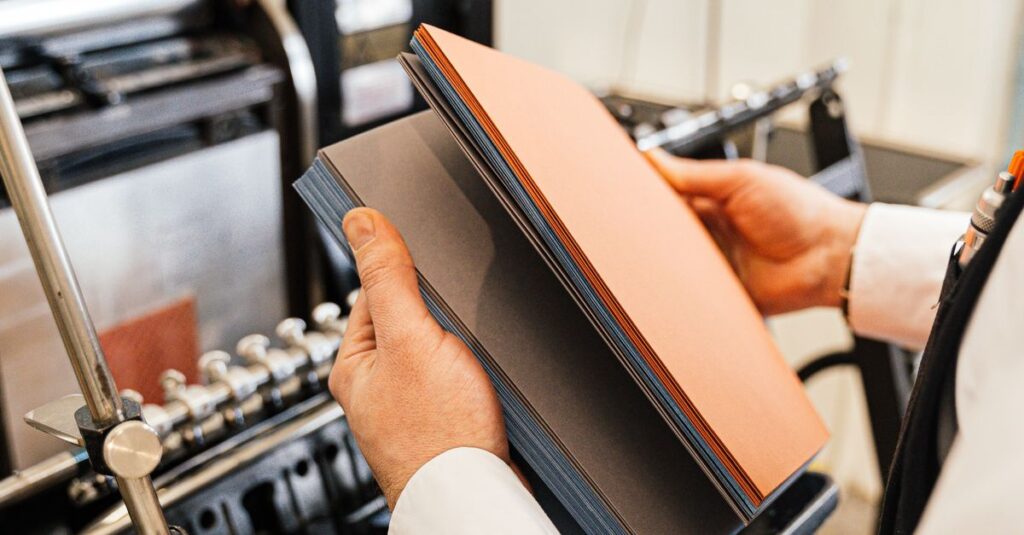
- Paper Sourcing & Cutting: We start with large, parent reels of paper (often 70-80 GSM for a good quality diary). These are guillotine-cut down to the oversize A5 sheets I mentioned earlier. Precision here is everything.
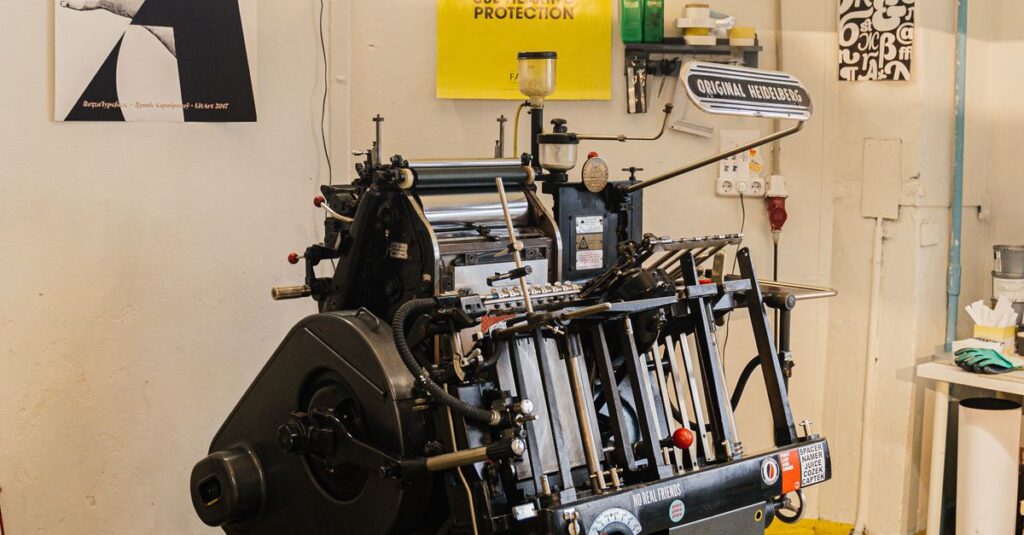
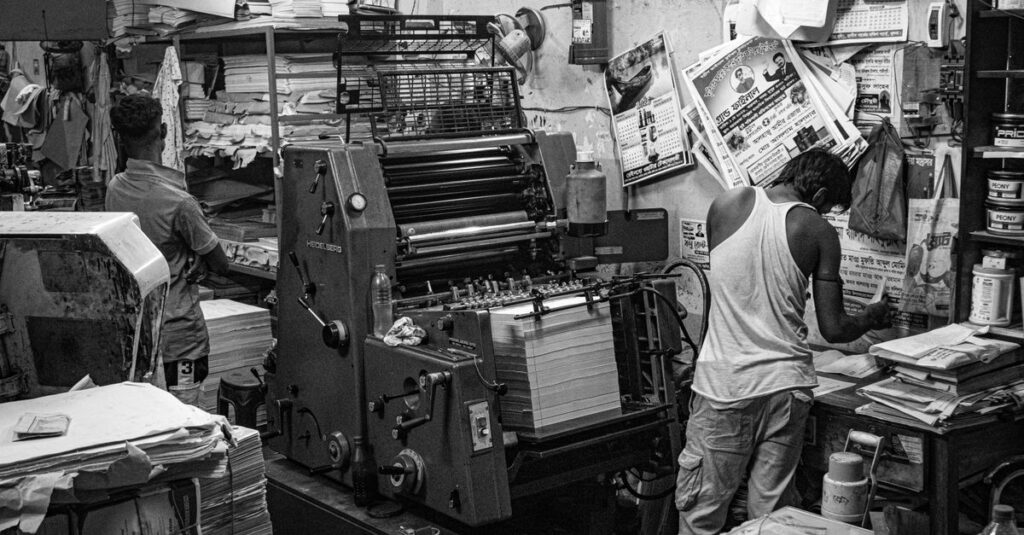
- Printing: This is where your logo and custom page layouts go on. For bulk orders, offset printing is the only way to go — the colour is consistent from the first notebook to the ten-thousandth. Digital printing for short runs is a different beast.
- Ruling: The sheets are lined (if required). Single-ruled, double-ruled, grid. The ruling has to be perfectly aligned, or the whole notebook feels off.
- Collating & Binding: Sheets are gathered into sets (52 pages, 92 pages, etc.). Then the binding: spiral for full lay-flat flexibility, perfect binding for a clean, square spine like a paperback book, or stitched for classic durability.
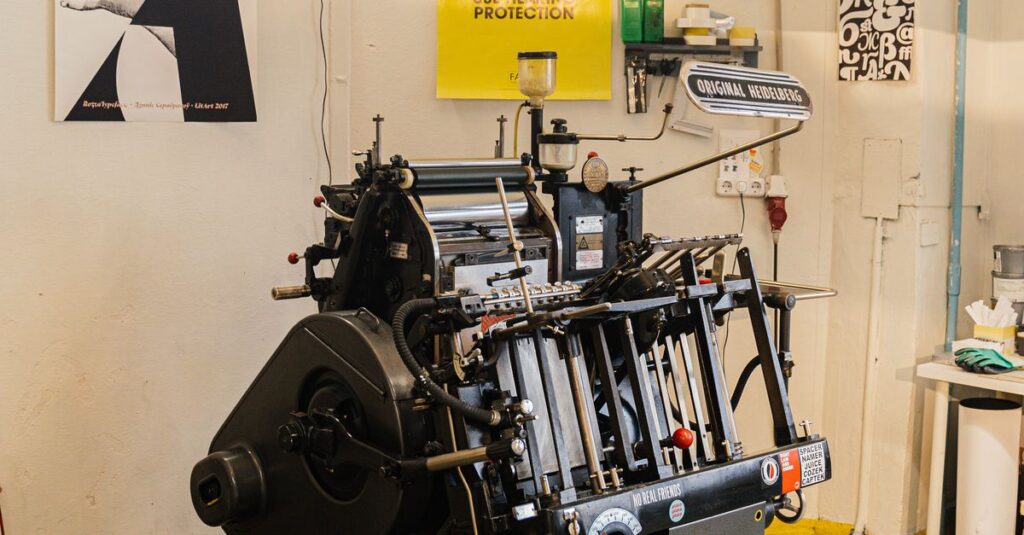
- Cover Application & Final Trim: The printed cover is wrapped on and glued. Then, the entire notebook gets its final, precise trim to that perfect 14.8 x 21.0 cm dimension. This is the moment it becomes an “A5.”
- Quality Check & Packing: Every batch is checked for defects — misaligned printing, loose binding, crooked trimming. Then they’re packed into cartons, ready for your distribution.
The production capacity? A factory like ours can run 30,000 to 40,000 finished, bound notebooks in a day. But the speed isn’t the point. The consistency is. Your thousandth diary should feel identical to your first.
And honestly? Most people don’t realize how much the binding choice affects the final dimensions. A perfect-bound A5 diary will have a spine that adds a few millimeters to the overall thickness. A spiral-bound one will be slightly wider due to the coil. These aren’t mistakes; they’re consequences of the construction method. A good supplier will clarify this upfront.
Frequently Asked Questions
Is A5 the same as a small notebook?
Not exactly. “Small” is vague. A5 is a specific international standard (14.8 x 21.0 cm). Many regional “small” or “short” notebooks are different sizes (like our Short Notebook at 19.5 x 15.5 cm). For bulk or custom orders, always specify “A5” and confirm the exact cm dimensions with your manufacturer to avoid mismatches.
What paper weight (GSM) is best for A5 notebooks?
For standard writing, 70-80 GSM paper is the sweet spot. It’s opaque enough to prevent show-through, has a good feel, and isn’t too heavy. For a premium corporate diary, 80-100 GSM adds perceived value. For school notebooks in bulk, 60-70 GSM offers a balance of quality and cost. Always ask for a sample.
Can I get custom page layouts in an A5 notebook?
Absolutely. That’s a huge part of what we do. Whether it’s dated diary pages, specific log sheets, branded headers, or unique ruling patterns, the A5 size is very adaptable for custom printing. The key is setting up the print file with the correct bleed and trim margins from the start.
Which binding is most durable for an A5 notebook?
For pure durability, stitched binding (saddle-stitched) is incredibly tough. The pages are physically sewn together. Spiral binding (wire-o or plastic coil) is very durable for the spine and allows the book to lay flat, but the covers can get bent. Perfect binding looks the cleanest but can crack at the spine if abused. Choose based on the user’s need.
What’s the minimum order quantity for custom A5 notebooks?
This varies wildly. For digitally printed covers with standard internal pages, MOQs can be as low as 100-200 pieces. For fully custom, offset-printed notebooks with unique layouts, most manufacturers (including us) need a minimum of 500-1000 units to make the setup cost-effective. Always ask.
So, what now?
You have the number: 14.8 cm by 21.0 cm. But I hope you see now that’s just the starting line. The real questions are about the feel in someone’s hands, the paper that won’t bleed, the binding that survives a year in a bag, and the supplier who gets the details right when you’re ordering a thousand at a time.
I don’t think there’s one perfect answer for every situation. Probably there isn’t. But if you’ve read this far, you’re not just price-shopping — you’re looking for a product that works and a partner who understands the stakes of a bulk order. You’re figuring out if the specs on paper will match the notebook on the desk.