You ever walk into a big company’s lobby, right at the start of a new year, and see those stacks of branded diaries wrapped in plastic?
It looks like a stationery delivery. But it isn’t. Not really.
That’s a logistics operation. A branding campaign. A piece of yearly culture, delivered in paper and binding. And somewhere, a procurement manager just signed off on an order for five thousand units.
Why? Why does something as simple as a daily diary get ordered by the truckload, year after year, by schools, corporations, and government offices?
The answer is pretty simple when you think about it — but the thinking behind the order is where it gets interesting. If you’ve ever been the one placing that order, you know the headache isn’t in wanting them. It’s in getting them right.
It’s Not a Notebook. It’s a System.
Okay, let’s get this out of the way first. A daily diary isn’t just a fancier notebook. The difference matters, especially when you’re ordering five hundred of them for your sales team.
Think about what a diary does that a notebook doesn’t. A notebook is a blank slate — could be for meeting notes, sketches, a grocery list. A diary, especially the corporate kind, has a structure. It’s a tool for tracking time. Dates. Appointments. Deadlines. It imposes order.
And for a business, that’s the whole point. You’re not giving people paper. You’re giving them a framework for the year. A place to put the stuff that can’t be missed. Which is why the specs matter way more than most people realize until they mess it up.
What You’re Actually Buying (And What Can Go Wrong)
I’ve talked to enough procurement folks to know the panic points. It usually goes like this:
The diaries arrive. The boxes are opened. And then someone says, “Wait.”
Maybe the binding is already loose on a few. Or the paper is so thin the ink bleeds through. Or — and this is the classic — the date printing is wrong. A holiday is marked on a Tuesday when it’s a Monday. The financial year starts on the wrong page.
Suddenly, your branded gift of productivity is a branded paperweight. Or worse, a joke.
So when businesses come to us for a bulk order, the conversation isn’t just about price. It’s about disaster-proofing. It’s about:
- Paper that can take a pen: Not just any paper. 54 GSM, at least. Something that feels substantial, doesn’t feather, and won’t disintegrate if someone writes in a hurry.
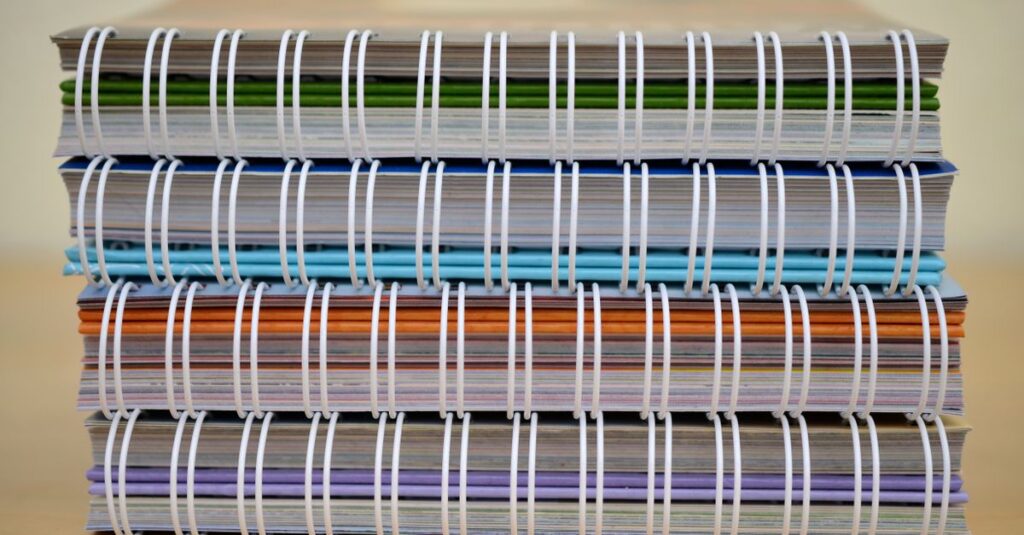
- Binding that survives a year in a bag: Perfect binding looks clean. Stitched binding lasts. Spiral binding lies flat. You pick the battle.
- Printing that gets the dates right: This sounds basic. It’s the most common sourcing mistake. The calendar pages need to be audited, not just copied from last year.
- A cover that doesn’t embarrass you: It’s going to sit on someone’s desk all year. The lamination shouldn’t peel. The logo shouldn’t be pixelated.
You’re not buying a product. You’re buying the absence of a problem for 365 days. That’s the real value.
A Quick Story About Mr. Sharma
Mr. Sharma runs procurement for a mid-sized pharmaceutical company in Hyderabad. He ordered 800 custom diaries last November from a new supplier. Price was great. Timeline was tight.
The diaries arrived on December 28th. He opened the sample. The cover was gorgeous. He flipped to January. The first was a Sunday, but the diary had it as a Monday. The whole week was shifted. The entire print run was useless.
He told me this over the phone, his voice just tired. “We had to give out plain diaries from the market. My name was on that order. It wasn’t about the money. It was about looking incompetent to eight hundred employees.”
He hasn’t used that supplier again.
The Corporate Psychology of the Daily Diary
Here’s the part nobody says out loud when they’re filling out the purchase order.
Giving every employee the same diary does something. It creates a tiny, shared ritual. Everyone starts the year with the same tool. In a weird way, it’s a gesture of unity. “Here’s your map for the next twelve months. We’re all using the same one.”
It’s also a three-hundred-and-sixty-five-day advertisement. That diary goes to meetings with clients. It sits on home office desks during video calls. It’s a passive, constant brand reminder that costs pennies per impression.
But that only works if the thing doesn’t fall apart by March. If it does, the message flips. It goes from “We provide quality tools” to “We cheaped out on your tools.”
The psychology is fragile. It hinges entirely on the manufacturing being invisible. If people notice the manufacturing, you’ve already lost.
Expert Insight
I was reading an article last month — something about organizational tools — and one line stuck with me. A behavioral researcher said something like: The most effective organizational tools are the ones people stop noticing. They become part of the background of work. The goal isn’t to impress with the tool; it’s to enable work so seamlessly that the tool disappears.
That’s it. That’s the entire goal of a corporate daily diary. It should be so reliable, so perfectly suited to the job, that by February nobody is thinking about it anymore. They’re just using it. The moment it becomes a topic of conversation (“Ugh, my diary’s spine broke”), it has failed its primary function.
I don’t have a cleaner way to put it than that.
Bulk Order vs. Retail Pick-up: A Side-by-Side Reality
Most people think ordering 1000 diaries is just like buying one, times a thousand. It’s not. It’s a different universe. Let me show you.
| Consideration | Buying 1 Diary (Retail) | Ordering 1000+ Diaries (Bulk Manufacturing) |
|---|---|---|
| Primary Focus | Price, look, feel. | Consistency, logistics, error-proofing. |
| Biggest Risk | You don’t like it. You’re out 300 rupees. | A production flaw in the entire batch. You’re managing a corporate-scale problem. |
| Customization | Zero. You get what’s on the shelf. | Total. Cover design, logo placement, inner page layout, date formats, even paper ruling. |
| Lead Time | You walk out with it. | 4-6 weeks minimum. For planning, production, quality checks, and shipping. |
| Relationship | Transaction. Done. | Partnership. You’re relying on the manufacturer to protect your reputation. |
| Value Driver | Immediate utility for you. | Brand cohesion and operational smoothness for an entire organization. |
See the shift? Bulk ordering is a strategic purchase, not a stationery purchase. You’re not a customer; you’re a client. And the manufacturer’s job is to be your quality control department for this one, very specific, very important product.
How This Actually Gets Made (And Why It’s Harder Than It Looks)
Right. So you’ve decided you need 2000 custom diaries for your branches. What now?
The process — at least the way we’ve done it since ’85 — has a rhythm to it. And that rhythm is all about catching mistakes before they’re bound into 2000 books.
It starts with the calendar data. Someone has to input it, and someone else has to proof it. Twice. Then the page layout — do you want a quotes page? A metric conversion chart? Space for personal contacts?
The cover design gets approved. Then we make a physical dummy. A mock-up. This is the most important step. You hold it. You flip it. You write on a page. Does it lie flat? Does the pen drag?
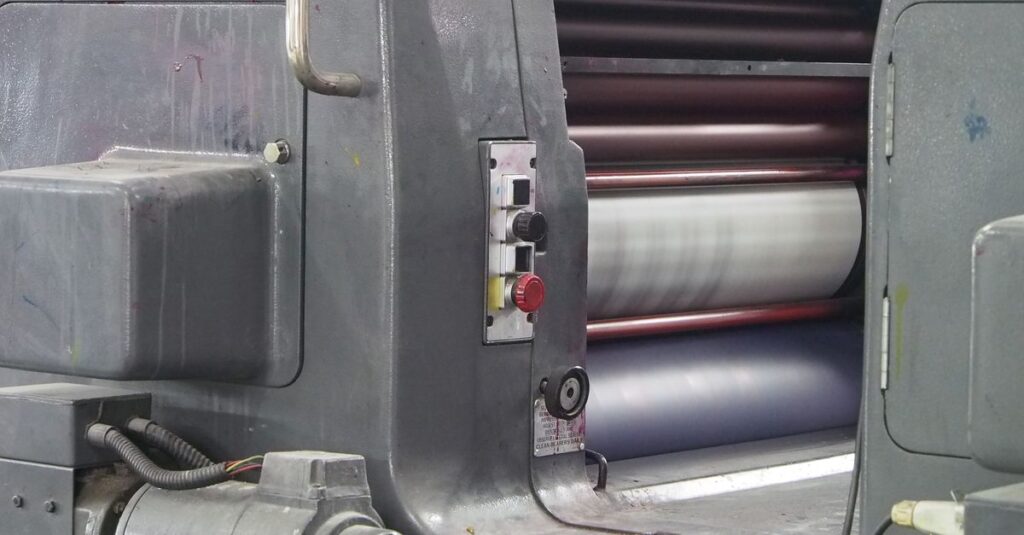
Only then does the machine run start. And even then, there are checkpoints. Paper grain direction matters for how the pages turn. The binding glue temperature matters for how it holds up in different climates. The printing registration has to be perfect so your logo isn’t blurry.
It’s a factory process, sure. But it’s a factory process where the final product has to feel personal. That’s the trick. That’s what you’re paying for when you choose a manufacturer with a history — not just a price quote.
Look, I’ll Be Direct About Timing
If you’re reading this in October and thinking about diaries for January, you’re late. I’m not trying to be dramatic. It’s just physics.
Good manufacturers are booked. Paper has lead times. Binding is a queue. Every company in the country has the same idea at the same time.
The sweet spot? July. August. Talk to your supplier then. Finalize artwork by September. That gives everyone room to breathe, to do a proper dummy, to handle the inevitable tweak without overnight charges and panic.
I’ve seen so many projects where the price doubles because someone needed a “rush job.” And the quality often suffers. The glue doesn’t cure right. The trimming is rushed.
Plan like it’s a project. Because it is.
Frequently Asked Questions
What’s the minimum order quantity for custom daily diaries?
It varies, but for a proper custom run with your own design and branding, most serious manufacturers will have an MOQ of 500 pieces. Below that, the setup costs per diary get too high. For simpler customization like just stamping a logo on an existing diary style, it can sometimes be lower.
How long does it take to manufacture bulk daily diaries?
From final approved artwork to delivery at your door, you need a minimum of 4-6 weeks for a quality job. This allows time for creating proofs and dummies, paper sourcing, printing, binding, curing, quality checks, and packing. Rush jobs in 2-3 weeks are possible but stressful for everyone and risk quality.
What paper quality is best for corporate daily diaries?
Don’t go below 54 GSM for the writing pages. It feels flimsy. 60-70 GSM is the sweet spot for a premium feel that prevents ink bleed-through. The cover stock needs to be much heavier, around 250-300 GSM, often with lamination for durability. It’s the thing people handle most.
Can you include our company-specific dates and holidays?
Absolutely. This is a key part of the value. A good manufacturer will help you format a calendar file that includes your national holidays, company holidays, fiscal year start, and even industry-specific dates. This level of customization is what turns a generic diary into your company’s diary.
What’s the most common mistake in bulk diary orders?
Two things tie for first place: approving artwork without a physical dummy copy to check the feel and page flow, and leaving the order too late in the year. The dummy reveals sizing and binding issues you can’t see on screen. And late orders mean no time to fix anything.
So, What’s the Real Cost?
I’ll end with this. The invoice for a bulk diary order has a number on it. But the real cost, or the real value, is measured in something else.
It’s in the absence of complaints. It’s in the employee who has a reliable place to track their work for a year. It’s in the subtle, daily reinforcement of your brand on a desk.
When it’s done right, the diary itself disappears. It becomes air. It becomes just part of how work happens.
And when it’s done wrong? Everyone knows. All year.
I don’t think there’s one perfect supplier. Probably there isn’t. But if you’re the person responsible for that order, you already know what a good one looks like — you’re just figuring out if they can deliver it for two thousand people instead of two.
We’ve been figuring that out since 1985. Sometimes we get it right. Sometimes we learn. But we’re always here to talk about it before you place the order.