Look, this is the procurement headache nobody talks about.
Three things happen when you’re in charge of ordering branded notebooks for your company. You get the list of specs. You see the budget. You start searching. And then you hit the wall: you’re looking at “diary for journal” and you realize nobody actually explains the difference when it’s about ordering 5,000 of them. Right? It’s not a philosophical question. It’s a supply chain one. You’re staring at a dropdown menu on some manufacturer’s site, trying to guess which one your CFO will approve, which one your employees will actually use, and which one won’t fall apart after a month. The silence has weight. It’s a Thursday afternoon kind of problem.
And the top ten Google results are all about personal journaling and mindfulness. That’s fine if you’re buying one for yourself. But if you’re buying for a school, a corporate department, or a government office, you need the boring, practical truth. The binding, the paper weight, the cover stock, the cost per unit in bulk. Because the wrong choice isn’t just an aesthetic misfire. It’s wasted budget, unused stock, and a quiet grumble from the people you’re supplying them to. If you’re nodding right now, you’re probably looking for a manufacturer that understands this exact headache.
The simple, boring truth about diaries and journals.
Okay, let me rephrase something I said earlier. It’s not that diaries and journals are fundamentally different objects. It’s that the words signal different expectations. And in manufacturing, those expectations translate into very specific specs and price points. Think about it this way.
A diary, in the commercial sense, is usually a dated product. It has pre-printed calendar pages, maybe some monthly planners, sections for notes, often a bit more structure. It’s meant for planning and logging daily events. The paper? Usually a decent 70-80 GSM to handle pen ink without bleeding through those thin date boxes. The binding? Often stitched or perfect bound, because it’s a thicker book that needs to stay flat on a desk. The cover? More rigid. Laminated. Something that looks professional on an office shelf.
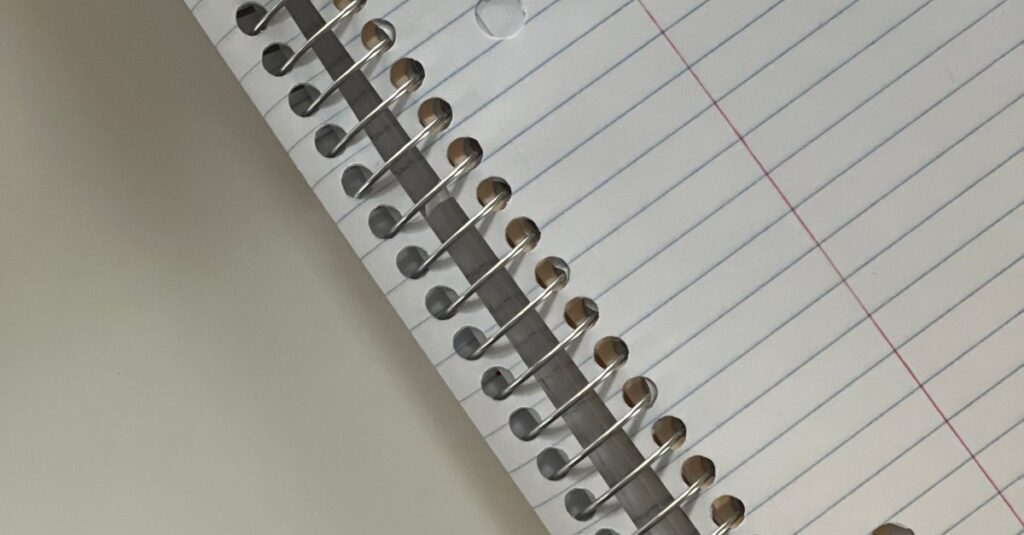
A journal, on the other hand, is just pages. Empty, ruled or unruled, space. It’s for free writing, sketching, meeting notes, project logs. The paper can be lighter — 54 GSM is common for standard school or office journals. The binding can be simpler — spiral bound for easy page tearing, or even stapled for short-term use. The cover can be softer, more flexible. It’s utilitarian.
The question isn’t which is “better.” It’s which matches the actual use case. And most procurement managers know the use case but don’t have the manufacturing vocabulary to translate it. Which is the whole point of this.
When you need a diary (and when you don’t).
Let’s get specific. I was talking to a procurement manager from a Hyderabad-based IT firm last week — over a call, actually — and she laid it out cleanly. “We give diaries to our senior management and client-facing teams. Journals go to the developers and interns.” That’s it. The diary is a corporate gift, a branding tool, a symbol of structure. The journal is a work tool, a consumable, something to fill and replace.
Use cases for ordering diaries:
- Corporate New Year gifts for employees or clients.
- Executive desk planners with company logo embossed.
- Government office annual record books (dated).
- School prize diaries for students — often with motivational quotes and calendar.
What you’re looking for in a diary manufacturer:
- Pre-printing of dates and months (accuracy is key).
- Higher GSM paper (70-80) to prevent ink bleed.
- Strong, flat binding — perfect binding or stitched.
- Custom cover options: laminated, hardcover, logo hot foil stamping.
- Packaging that feels gift-ready.
If your order is for impression, for gifting, for structured daily use — you’re in the diary market. If it’s for bulk, disposable, everyday scribbling — you’re probably looking at journals. And the production lines are set up differently for each.
A quick, real-life scene.
Anita, 42, procurement lead for a chain of private schools in Visakhapatnam. She’s comparing two quotes on her screen. One for 5000 “Premium Corporate Diaries” at Rs. 120 per unit. One for 5000 “Standard Long Notebooks (Journals)” at Rs. 35 per unit. She leans back. The diaries are beautiful. But she knows they’ll be handed to teachers on New Year day, most will sit on desks unused because the date pages feel restrictive. The journals will be given to students, used, filled, replaced next term. She clicks the “Standard” quote. She doesn’t need to explain the decision to anyone. The budget line is clear.
When you need a journal (and why it’s often the smarter buy).
Here’s the thing most suppliers won’t tell you directly: for bulk institutional supply, journals are the volume game. Schools, colleges, training centers, corporate back-office teams — they consume paper, not prestige. The manufacturing focus shifts from embellishment to durability and cost-efficiency.
Use cases for ordering journals:
- School notebook supply for entire student batches.
- Office internal memo pads or meeting note books.
- Training workshop materials.
- Warehouse log books or daily record sheets.
- Retail stock for stationery shops (the everyday notebook).
What you prioritize with a journal supplier:
- Paper that’s smooth but not too heavy — 54 GSM is the sweet spot.
- Binding that survives rough use — spiral for tear-out, stitched for longevity.
- Simple, cost-effective cover printing (single colour logo, maybe).
- Volume pricing tiers. Can they do 50,000 units? 100,000?
- Delivery schedules that match academic terms or quarterly needs.
I think the stat was — I can’t remember exactly — something like 80% of bulk orders from educational institutions are for journals, not diaries. Don’t quote me on that. But it’s high. Because the need is functional, not ceremonial.
If you’re evaluating a notebook manufacturer for bulk supply, you’re likely looking at their journal production capacity first. Their daily output numbers, their paper sourcing consistency, their binding machine reliability. The diary line is a separate, smaller, more careful operation.
Let’s put them side by side. The procurement table.
| Feature | Commercial Diary | Bulk Journal / Notebook |
|---|---|---|
| Primary Use | Gifting, Planning, Branding | Everyday Writing, Note-taking, Consumption |
| Typical Page Count | 200+ pages (includes calendars) | 52 to 240 pages (blank ruled sheets) |
| Paper GSM | 70-80 GSM (heavier, premium feel) | 54-60 GSM (light, cost-effective) |
| Common Binding | Perfect Binding, Stitched | Spiral, Stitched, Stapled |
| Cover Stock | Hardcover, Laminated, Foil Stamping | Softcover, Printed Card, Simple Logo |
| Customization Focus | Logo Placement, Date Printing, Gift Packaging | Logo Printing, Ruling Type, Page Count Options |
| Order Volume Sweet Spot | 500 – 5,000 units | 5,000 – 100,000+ units |
| Procurement Driver | Brand Value, Employee Perception | Unit Cost, Durability, Delivery Speed |
THIS IS THE PART NOBODY SAYS OUT LOUD AT THE QUOTATION MEETING. But it’s the table you need in your head when you’re comparing prices. A diary quote at Rs. 90 per unit might look expensive. But if it’s for 500 senior managers, the brand impact justifies it. A journal quote at Rs. 25 per unit might look cheap. But if the binding fails after a month for 10,000 students, the cost of replacement and complaints will bury you.
Expert Insight
I was reading an old industry report last month and one line stuck with me. A production manager wrote something like — the most common mistake in stationery procurement is confusing a low per-unit cost with real value. A journal made with inconsistent paper sourcing will show through in student complaints within a term. A diary with a misaligned calendar print is useless from day one. The real cost isn’t the invoice. It’s the functional failure. I don’t have a cleaner way to put it than that. And I’ve seen it happen. A school in Rajahmundry ordered 20,000 “premium” diaries for its students a few years back. The dates were wrong. The entire batch was scrap. They switched to a simple journal supplier the next year and never looked back.
So how do you choose? A practical checklist.
Most people I’ve spoken to say they just go with the supplier’s recommendation. That’s a risk. Here’s a simpler way.
Ask yourself these questions before you even request a quote:
- Is this for giving or for using? If it’s for giving (clients, employees, awards), lean diary. If it’s for using (students, staff, daily logs), lean journal.
- What’s the shelf life? A diary often sits on a shelf for a year. A journal gets filled and replaced in months.
- What’s the tolerance for error? A wrong date in a diary is catastrophic. A slightly lighter paper in a journal might be acceptable.
- Who’s signing the PO? The CFO cares about unit cost. The HR head cares about brand look. Know who you’re answering to.
Then, when you talk to a manufacturer, ask them directly: “Do you run separate production lines for diaries and journals?” A good supplier will say yes. Because the machines, the paper rolls, the binding process — they’re optimized for different outputs. A factory that does 40,000 notebooks a day might only do 2,000 diaries a day. That’s normal. That’s honest.
And honestly? If you’ve gotten this far, you’re not just looking for a product. You’re looking for a supplier who understands this split. Someone who won’t try to sell you a diary when you need a journal, or a journal when you need a diary. That’s the real difference. It’s not in the product. It’s in the production intention.
Frequently Asked Questions
Can a journal be customized with a company logo like a diary?
Absolutely. The main difference isn’t in logo printing capability. Most manufacturers can print your logo on both. The difference is in the cover material and printing method. Diary logos often go on laminated hardcover with foil stamping for a premium look. Journal logos are usually simpler offset prints on softcover card. Both are custom, but the finish and cost differ.
Which is more cost-effective for bulk school orders: diaries or journals?
Nine times out of ten, journals. The paper is lighter, the binding is often simpler, and the production speed is higher. For a school needing 10,000 notebooks per academic year, the per-unit cost of a standard journal can be 40-60% lower than a dated diary. Plus, students use them up faster, so you’re buying functionality, not unused decorative items.
What binding is best for corporate diaries?
For corporate diaries that need to stay flat on a desk and look professional, perfect binding or stitched binding is typical. Spiral binding is more common for journals because pages can be torn out easily. The binding choice directly affects the perceived quality and longevity of the diary.
Do international buyers usually order diaries or journals?
It depends on the market. Gulf countries and corporate sectors in Europe often order branded diaries as corporate gifts. African and Asian educational markets overwhelmingly order bulk journals for students. A manufacturer experienced in exports will know this and ask about your end-use before suggesting a product line.
Can I get samples of both a diary and a journal before a bulk order?
Yes, and you should. Any serious notebook manufacturer will provide samples. Don’t just look at them. Use them. Write in them. Feel the paper weight, test the binding, check the print alignment. A sample tells you more about their production consistency than any website gallery. It’s the single best way to avoid a procurement mistake.
Anyway. Where was I.
The real takeaway here isn’t a definition. It’s a procurement filter. When you hear “diary,” think structure, dates, gift, brand. When you hear “journal,” think pages, bulk, utility, cost. Your decision should start there, not with a price list.
I don’t think there’s one perfect answer for every order. Probably there isn’t. But if you’ve read this far, you already know what you’re looking for — you’re just figuring out if it’s okay to want the practical answer over the fancy one. It is. Most of the time, the practical answer is the right one for the people who’ll actually use the thing. And that’s the whole job, right? To get them the right thing.
If this sounds like the kind of boring, practical talk you need with a supplier, maybe it’s worth starting that conversation. Just tell them what you need it for. They should know the difference.