Okay, so you typed “digital printing near me” into Google.
Right? That’s how we got here. You probably need something printed — maybe a hundred custom notebooks for a corporate event, or a thousand branded diaries for the new year. And you need it fast, and you don’t want the headache of shipping from another state. You want someone near you.
But here’s the thing nobody says when you’re searching: the word “digital” makes it sound simple. Like hitting ‘print’ on your office printer. The reality — especially for bulk stuff for schools or businesses — is a different animal. It’s about paper weight, binding that doesn’t fall apart, and covers that don’t look cheap. I see this all the time.
Look, if you’re ordering a few copies of a flyer, any local print shop works. But when you’re a procurement manager trying to outfit an entire college with notebooks, or a business ordering 500 personalized diaries? That’s a whole different search. You’re not just looking for a printer; you’re looking for a manufacturer who gets it. Anyway. Let’s talk about what you’re actually looking for. If you need to see what a real bulk order looks like, that’s a good place to start.
What Digital Printing Really Means (When You’re Not Printing Flyers)
Most people think digital printing is the only way to print. It’s not. For small, quick jobs, sure. You send a PDF, they print it directly from a digital file onto paper. No plates, no setup. It’s fantastic for short runs where every copy can be different — think personalized welcome kits.
But — and this is a big but — when you scale up to hundreds or thousands of notebooks, the math changes. The per-unit cost with pure digital can get… uncomfortable. And the paper options? Often limited. That smooth, 54 GSM writing paper that feels good under a pen? Sometimes it’s not even in the machine.
I was talking to a school administrator last month — from a college in Vizag — and he told me his supplier sent notebooks where the ink smudged if you even looked at it. The paper was too thin, the printing was done on the wrong machine for the job. He had 700 unhappy students. The problem wasn’t digital printing itself. It was using it for a job it wasn’t meant for.
The Real-Life, Non-Glamorous Use Case
Let me give you a picture. Priya, 38, procurement manager for a mid-sized tech firm in Hyderabad. Annual conference. She needs 300 custom notebooks with the company logo and the event slogan on the cover. She needs them in two weeks. She calls three places from her “digital printing near me” search.
First place: Can do it, but only with flimsy spiral binding that won’t survive a flight in a laptop bag. Second place: Great quality, but wants a 6-week lead time. Third place: Sends a quote that makes her budget spreadsheet cry. She’s on her fourth coffee, no lunch, staring at the screen. This is the part nobody tells you about when you start searching. The variable isn’t just price. It’s capability.
And that’s the gap. Between a printer and a manufacturer.
The Bulk Order Dilemma: Digital, Offset, or a Mix?
This is where it gets technical, but stick with me. I’ll make it plain.
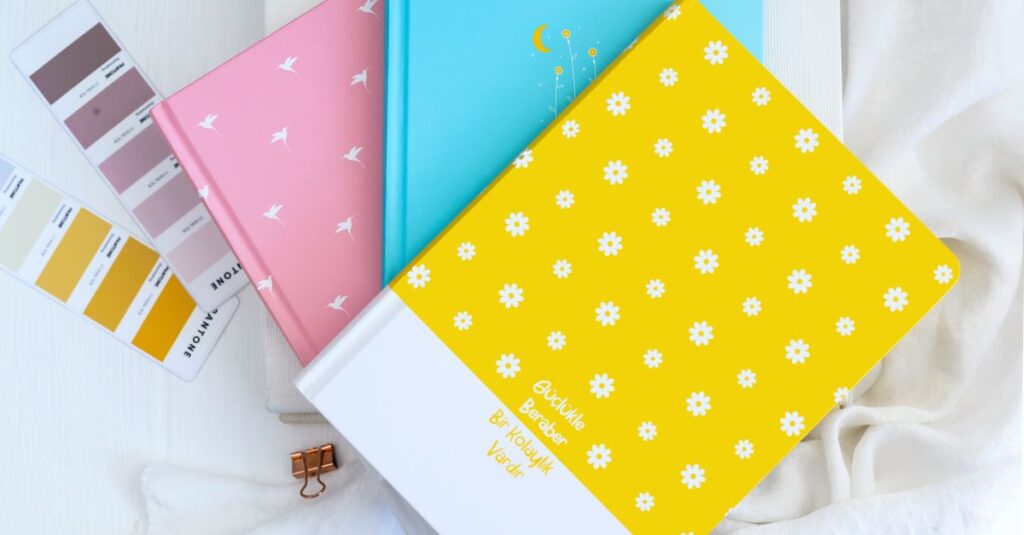
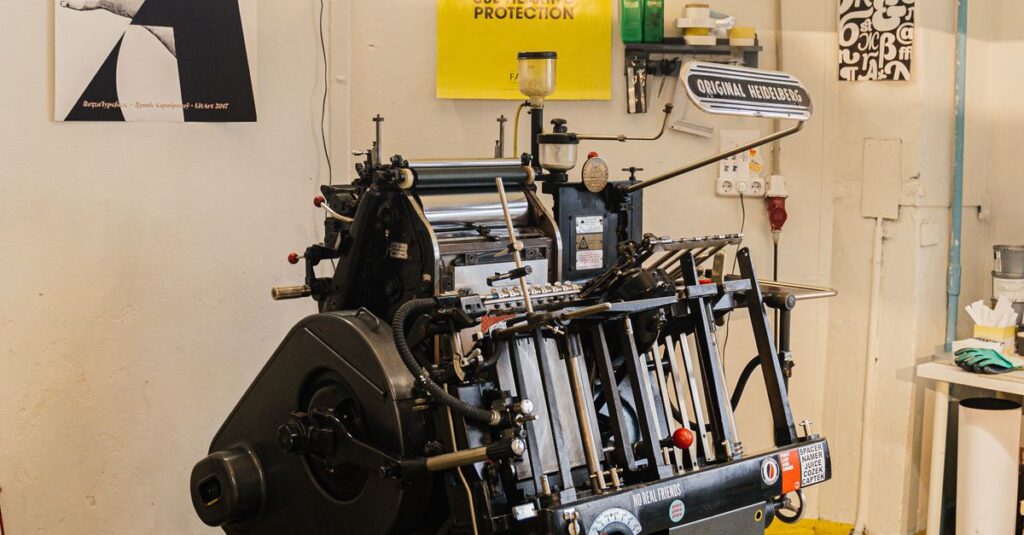
For bulk orders — let’s say 5,000 notebooks for a school district — most professional manufacturers use a hybrid approach. The inside pages? Often printed using offset printing. It’s older, it needs plates made, but once that’s done, the cost per page plummets. The quality on large runs is sharper, and you can use a wider variety of papers. The cover, with your unique logo and design? That’s where digital printing shines. No plate needed for each unique cover. You get customization without the crazy cost.
So when you’re evaluating a “digital printing” service for a big job, you’re not really just asking “can you print this?” You’re asking: “What’s the smartest way to produce 2,000 durable, good-looking notebooks for my team, on time, and not waste my budget?”
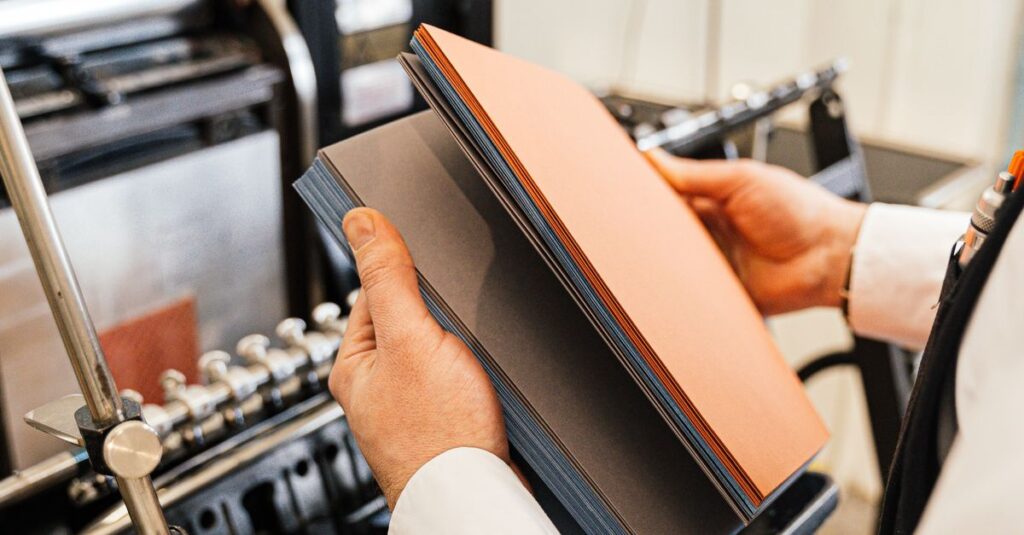
The answer is rarely one machine. It’s a process. Seeing the full process from paper to binding helps. It just does.
| Aspect | Pure Digital Printing Shop | Integrated Notebook Manufacturer |
|---|---|---|
| Best For | Short runs (1-100 units), variable data, rush jobs | Bulk orders (500+ units), branded corporate stationery, school supplies |
| Paper & Material Options | Often limited to stocks loaded in digital printers | Full range (52-700 pages, 54 GSM & up, cover boards, etc.) |
| Binding Capabilities | Usually only spiral or simple stapling | Stitched, perfect binding, spiral – the right binding for the use |
| Cost Structure for 1000+ | High per-unit cost, no volume efficiency | Lower per-unit cost via hybrid (offset for interiors, digital for covers) |
| Lead Time for 2000 Notebooks | Might be fast, but quality/durability risk | Planned production, reliable timeline, built for scale |
| Expertise | Printing files | Paper, grain direction, binding strength, bulk logistics |
What “Near Me” Should Actually Mean for Your Business
Geography matters. But maybe not in the way you think.
If you’re in Andhra Pradesh or Telangana, and you’re sourcing notebooks for a government tender or a network of private schools, “near me” is about supply chain resilience, not just driving distance. It’s about being able to visit the factory if you need to. It’s about knowing that if there’s a last-minute change to the logo color, you can get someone on the phone who understands the context. It’s about trucks not being stuck at a state border crossing for days.
I think a lot of procurement stress comes from this abstract feeling of distance. When your supplier is just a name on a website from another country, you feel powerless. When they’re within a few hundred kilometers, the relationship changes. You can talk about the monsoon affecting paper delivery schedules. They get it.
Expert Insight
I was reading something last month — an old industry journal — and one line stuck with me. A production manager said the most common mistake bulk buyers make is choosing a supplier based on a single dimension. Just price. Or just speed. Or just “they have digital printing.” He said the good suppliers solve for the triangle: Quality, Timeline, Budget. You can optimize two, but you have to be honest about the third. A fast, cheap job won’t be high quality. A high-quality, fast job won’t be cheap. I don’t have a cleaner way to put it than that. Most arguments start because that triangle wasn’t agreed on upfront.
So, What Should You Look For? (A Real Checklist)
Forget the generic “digital printing near me” reviews. When you’re spending company or institutional money, you need a different filter.
- Ask about their hybrid capabilities. Do they only do digital, or can they mix methods to save you money on a 5,000-piece order?
- Request physical samples. Not just a printed sheet. A finished notebook. Bend the cover. Write on the paper with different pens. Throw it in a bag and shake it. Does the binding hold?
- Clarify the “near me” logistics. Do they handle delivery, or is it FOB factory? What’s the real cost to get it to your warehouse in Guntur or your office in Bangalore?
- Check their bread and butter. If 90% of their work is wedding invitations, your 10,000 school notebook order is an experiment for them. You want someone whose normal day looks like your big order.
Here’s the thing I’ve learned over the years: the best partnerships start when you stop being just a “customer needing printing” and start being a “client with a problem they need solved.” The conversation shifts from “Can you print this?” to “What’s the best way to get this into my students’ hands by July?”
Common Questions (The Ones You’re Too Busy to Ask)
Frequently Asked Questions
Is digital printing good for notebook covers?
Absolutely, especially for custom or branded covers where every copy is unique (like with different employee names or event dates). It allows for high detail and color without the cost of making a printing plate for each variation. For the inside ruled pages, offset is often more economical for bulk.
What’s the minimum order for custom printed notebooks?
It varies wildly. A pure digital shop might do 50. A real manufacturer focused on bulk might have a minimum of 500 or 1000 units to make the setup viable. Always ask. For smaller, test runs, some might accommodate you, but the per-notebook cost will be higher.
How long does it take to get 2000 custom notebooks?
If you have the design finalized? A reliable manufacturer needs about 3-4 weeks for an order that size. That includes proofing, paper sourcing, printing, binding, and quality checks. Anyone promising it in a week is either cutting corners or doesn’t actually have the capacity.
Can you print on all types of notebook paper?
Most standard 54-70 GSM writing paper takes print well. But if you’re using very smooth or very textured paper, it needs testing. A good supplier will run a test print on your chosen paper stock to check for ink adhesion and smudging before running the whole job.
What file format is best for notebook printing?
Print-ready PDFs are the gold standard. Make sure all fonts are embedded and images are high-resolution (at least 300 DPI). Sending a PowerPoint or a low-res JPG from your website is how you get pixelated logos and unhappy bosses.
Look, Here’s The Truth
Your search for “digital printing near me” is really a search for a solution that feels solid. You don’t want surprises. You don’t want to be the person explaining why the notebooks showed up with the wrong shade of blue.
Three things matter more than anything else: the sample in your hand, the clarity of the timeline, and the sense that the person you’re talking to has done this a thousand times before. The printing method — digital, offset, hybrid — is just a tool. The real product is trust.
I don’t think there’s one perfect supplier for everyone. Probably there isn’t. But if you’ve read this far, you know the difference now between a quick print job and a manufacturing partnership. You’re just figuring out who’s ready to be that partner for you. Sometimes, just having that first real conversation makes the path clearer.