Look, Let’s Be Honest About Why You’re Here
You’re probably trying to buy notebooks. But not just any notebooks. You need something specific, durable, and in bulk — and the internet is throwing vague product names and buzzwords at you. Field notes notebooks is one of those terms. It’s not a brand name for most buyers I talk to. It’s a description of a tool. A tool for people who work in the field, not just at a desk.
Right? I hear this constantly. A procurement manager needs 5,000 notebooks for a construction company’s site supervisors. A school administrator wants tough, portable books for their geography students. They search for ‘field notes,’ and they get a mix of fancy branded pocket journals and confusing product listings. The question underneath is simple: what kind of notebook actually survives a day on a factory floor, a farm, or a construction site? And how do you order a thousand of them without the whole process being a headache?
Here's the thing — it's not about aesthetics. It's about function. Paper that doesn't bleed in the rain. A binding that holds when it's stuffed in a pocket. A size that's actually useful. Most people don't realize that the term ‘field notes’ points to a whole category of stationery built for abuse, not for Instagram. If you're trying to source these in bulk, looking at a manufacturer's real product list is probably the first step to cutting through the noise.
What Are Field Notes Notebooks, Really? (Hint: It’s a Job Description)
Forget the minimalist lifestyle blogs for a second. In the manufacturing and bulk supply world, a field notes notebook is defined by its job. Its primary purpose is to record information quickly, reliably, and under less-than-ideal conditions. Think about the user: an engineer checking measurements, an agronomist taking soil notes, a quality inspector on a production line. They’re not sitting at a cafe. They might have dirty hands. It might be drizzling.
The core features become obvious once you see it that way:
- Durability First: The cover needs to be stiff enough to write on without a table. Often a thicker card stock or synthetic material.
- Practical Size: Almost always pocket-sized. Think classic ‘Short Notebook’ dimensions (around 19.5cm x 15.5cm) or even smaller. It has to fit in a jacket or back pocket.
- Binding That Lasts: Spiral binding is king here. It lets the book lay completely flat with one hand, and it can be bent and twisted without the pages falling out. Stitched binding is a strong second for heavier-duty use.
- Paper That Works: This is where GSM matters. You want at least 70-80 GSM paper. Thinner paper (like 54 GSM standard notebook paper) will ghost and bleed with pencil pressure or a ballpoint pen. It feels flimsy. Field notes paper needs to feel substantial.
And honestly? That last point about paper is where most bulk buyers get it wrong. They order based on page count and price, and end up with notebooks their teams complain about. The paper quality is the user's entire experience.
The Anatomy of a Proper Field Notebook: Sizes, Ruling, and Paper
Let’s get specific. When you’re talking to a manufacturer like us, you need to speak the language of specs. It takes the guesswork out.
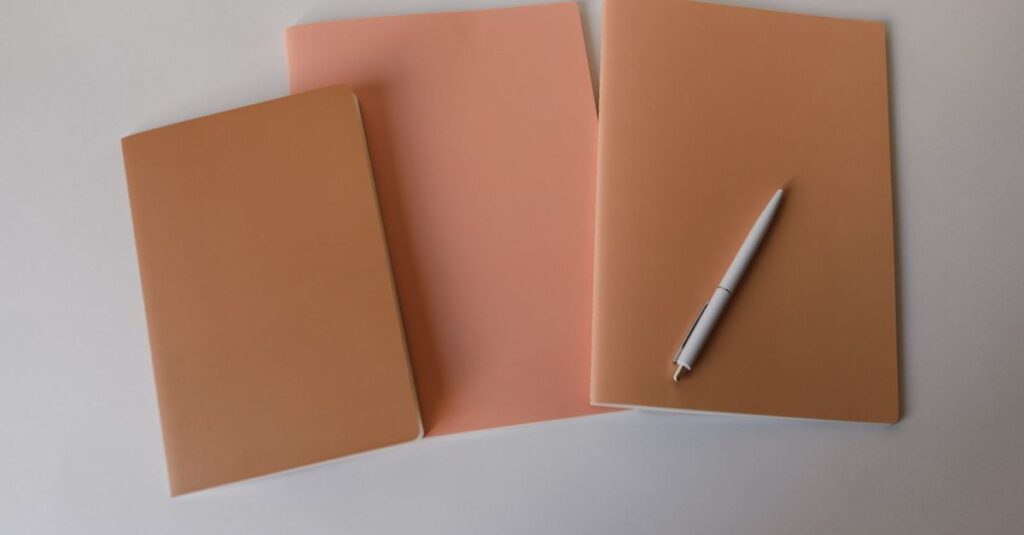
Size is Everything. The ‘Field Notes’ brand popularized a roughly 3.5" x 5.5" format. In metric manufacturing, that’s very close to an A6 size, or what we often call a ‘Short Notebook’ (19.5 x 15.5 cm). This is the sweet spot. Larger than a credit card, smaller than a standard exercise book. The ‘Long Notebook’ (27.2 x 17.1 cm) is for more detailed notes, maybe for a site foreman. The pocket-sized one is for quick jots and mobility.
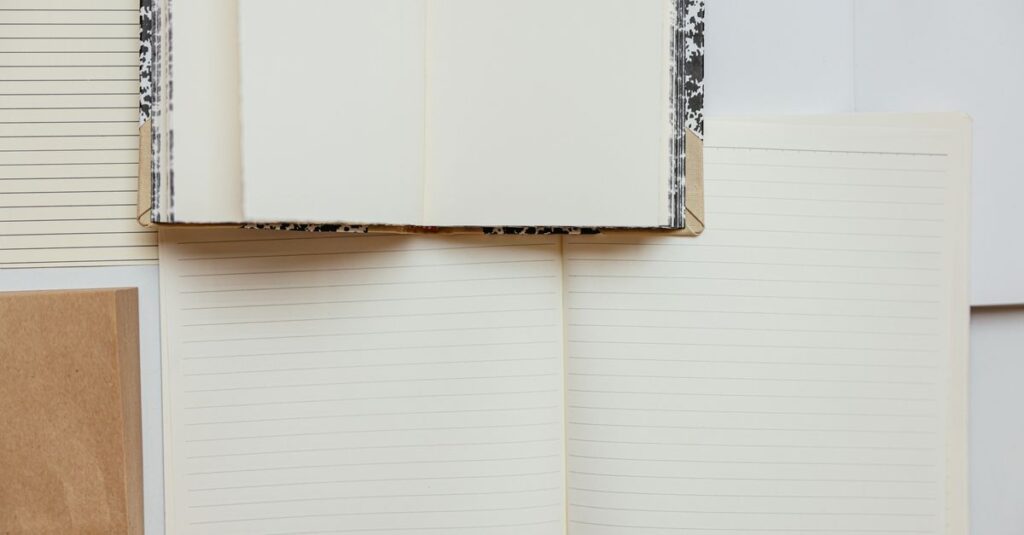
Ruling is About the Task. What are they writing?
- Single Ruled (SR): For general notes, narratives, instructions.
- Unruled (UR): For sketches, diagrams, free-form logging.
- Graph/Cross Ruled (CR): For engineers, architects, anyone working with measurements or coordinates. This is a huge one for field use that people forget to specify.
Paper Weight is Non-Negotiable. I said it before, I’ll say it again. Standard 52-page school notebooks use ~54 GSM paper. It’s fine for a classroom. For a notebook bouncing in a toolbox? It’ll feel like tissue. You need to upgrade. 70 GSM is good. 80 GSM is robust. It costs more, but the perception of quality it gives your team or your client is real. It says, ‘We bought you the right tool for the job.’
I was on a call with a procurement head from a logistics company last month. He was frustrated. They’d ordered ‘durable’ notepads for their warehouse staff, and the pages were tearing out. We looked at the specs of his old order — perfect binding with 52 GSM paper. Wrong tool. We switched him to spiral-bound, 80 GSM, short notebooks. Problem gone. It's not magic. It's just matching the product to the environment.
Stitched vs. Spiral vs. Perfect: The Binding Showdown
This is probably the most important practical decision. Get the binding wrong, and the notebook fails. Let’s break it down.
| Feature | Spiral Binding (Wire-O/Coil) | Stitched Binding (Saddle Stitched) |
|---|---|---|
| Lay-Flat Ability | Excellent. Flips 360 degrees, lays perfectly flat on any page. One-hand use is easy. | Good. Lies fairly flat, especially with fewer pages. Can have a ‘crest’ in the middle. |
| Durability | Very High. The coil takes the stress. Pages are individually punched and held. Hard to tear out accidentally. | High. Thread is strong. However, if the cover gets heavily bent, the staples can puncture through. |
| Page Count Flexibility | High. Can handle from 40 to 200+ pages easily. Thickness is flexible. | Limited. Best for lower page counts (52-100 pages). Gets bulky and hard to stitch cleanly beyond that. |
| Professional Look | Modern, functional. Common for technical manuals, inspection logs. | Classic, neat. Common for corporate memo books, official logbooks. |
| Cost (Bulk) | Slightly higher. More complex manufacturing process. | Generally lower. Efficient, faster process. |
| Best For | True ‘field’ use, frequent referencing, heavy manipulation. Engineers, inspectors, scientists. | Formal field reporting, corporate-branded giveaways, situations where a sleeker profile is needed. |
And what about Perfect Binding? (That’s the glued edge you see on paperback books). Honestly? I usually steer bulk field notebook buyers away from it. It’s great for sleek corporate diaries that sit on a desk. But flex that glued spine repeatedly — like you would stuffing a notebook in your pocket — and the pages start to separate. It’s the weakest link for actual rugged use. So, spiral or stitched. That’s the real choice.
Customization: When a Notebook Becomes Your Brand’s Tool
This is where it gets interesting for corporate and institutional buyers. A generic field notes notebook is a commodity. A customized one is a piece of brand equipment.
Imagine a large renewable energy company. Their technicians are spread across wind farms. Every tool they have, from the wrench to the hard hat, has the company logo. Why not the notebook? A custom-printed cover with the logo, a safety slogan, or even pre-printed headers for date, location, and work order number transforms it from a purchase to a part of the uniform.
The process isn’t as complex as people think. Working with a manufacturer directly, you decide on:
- Cover Design: Logo, colors, text. You can even have different colors for different departments (blue for electrical, green for safety, etc.).
- Inside Layout: This is powerful. You can have the first few pages pre-printed with emergency contacts, unit conversion tables, or company procedures. You can specify the ruling on every page.
- Paper & Binding: You lock in the exact specs that work for your team.
I think about a client we had, a national survey company. They ordered 10,000 graph-ruled, spiral-bound notebooks with their logo and a pre-printed header on every page for ‘Project Code,’ ‘Coordinates,’ and ‘Weather.’ It probably cost them 15% more per unit than a generic notebook. The feedback? Their project managers said it standardized reporting and made new hires feel like they had proper kit from day one. That's a return on investment you can't just measure in rupees.
Expert Insight
I was reading an article about industrial design a while back, and one line stuck with me. It said the best tools ‘disappear’ in the hand of a skilled user. They become an extension of the person, not a thing they have to think about. A chef doesn’t think about their knife. A musician doesn’t think about their instrument. They just use it. That’s what a well-spec’d field notes notebook should do for a professional. It shouldn’t fight them with floppy paper or a binding that won’t stay open. It should just work. When you’re sourcing these in bulk, you’re not buying stationery. You’re buying a tiny piece of someone’s workflow. Get it right, and they never notice it. Get it wrong, and it’s a daily irritation. Which one do you want for your team?
Bulk Buying: Navigating MOQs, Lead Times, and Logistics
Okay, so you know what you need. Now you have to actually get it. For a school district needing 50,000 units or a corporation ordering 5,000 custom pieces, this is where the rubber meets the road.
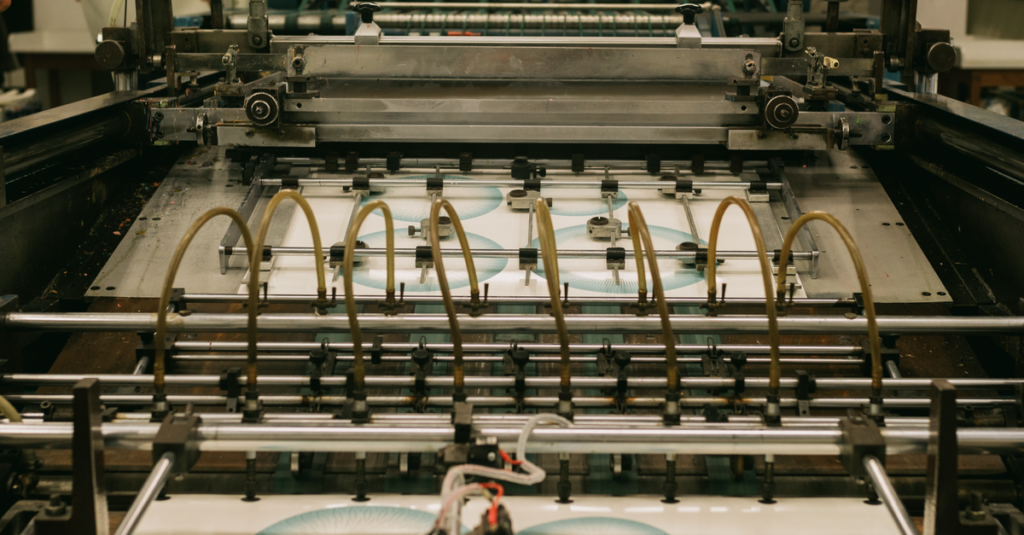
Most manufacturers have a Minimum Order Quantity (MOQ). For standard notebooks, it could be low, like 500 pieces per design. For full customization (custom cover print, custom ruling), the MOQ will be higher — maybe 1,000 or 2,500 pieces. This is because setting up the printing plates and adjusting the binding line for a unique product takes time. The economics only make sense above a certain volume.
Lead time is the next big question. Standard items might be ready in 7-10 days. A new custom design? Allow 3-5 weeks from final artwork approval to delivery. This includes production, drying time for inks, binding, and quality checks. Good manufacturers will be upfront about this. Surprises are bad for everyone.
Here’s a real-life snapshot:
Raj, 42, is a procurement officer for a chain of private schools in Hyderabad. His annual headache is ordering lab notebooks for the science departments. He needs 2,000 graph-ruled, spiral-bound books, durable enough for a chemistry lab bench. Last year’s supplier delivered late, and the paper quality was poor. This year, he’s talking to manufacturers directly. He’s asking about paper GSM samples, confirming spiral wire gauge, and getting a firm delivery date tied to the academic calendar. He’s not just placing an order; he’s managing a critical supply line. The notebook is a syllabus requirement. If it doesn’t arrive, classes are disrupted.
Logistics matter. Are you picking up from the factory gate in Rajahmundry? Do you need pan-India delivery? Does it need to be palletized for sea freight to an overseas office? These costs and timelines need to be baked in from the start. A good printing and manufacturing partner will guide you through this, not just take an order and go silent.
Frequently Asked Questions
What is the standard size of a field notes notebook?
There’s no single ‘standard,’ but the most common and practical size is what’s called a ‘Short Notebook’ or close to A6. This is roughly 19.5 cm x 15.5 cm (about 7.7" x 6.1"). It’s designed specifically to fit easily into a shirt or jacket pocket, making it ideal for true field use where you’re carrying it around all day.
What paper GSM is best for durable field notebooks?
Forget standard notebook paper. For a notebook that will handle pencil pressure, ballpoint pens, and rough handling, you should look for a minimum of 70 GSM paper. 80 GSM is even better — it feels substantial, resists bleeding, and doesn’t tear easily. It’s the single biggest upgrade you can make for usability.
Which binding is most durable for field use?
For maximum durability and flexibility, spiral binding (wire-o) is the best choice. It allows the book to lay completely flat, the pages turn 360 degrees, and the metal coil is very resistant to damage from bending or impact. Stitched binding is a strong, classic second choice, especially for a more formal look.
Can I get field notes notebooks with my company logo?
Absolutely. This is a core service for bulk manufacturers. You can customize the cover with your logo, colors, and text. You can even customize the inside pages with pre-printed headers, specific ruling (like graph paper), or informational content. This turns a generic notebook into a branded tool for your team.
What is the typical lead time for a bulk custom order?
For a brand new custom design, you should plan for a lead time of 3 to 5 weeks from the moment you approve the final artwork. This allows for plate creation, printing, drying, binding, and thorough quality checks. For standard, non-customized field notebooks, lead times can be much shorter, often 7-14 days depending on quantity.
The Takeaway: It’s a Tool, Not a Trinket
So here's where we land. The term field notes notebooks points to a specific kind of workhorse. It’s defined by durability, portability, and function over form. For anyone buying these in bulk — for a school, a corporation, a distributor — the process is about matching specs to the real-world environment.
Three things matter most: get the size right (pocketable), insist on heavy paper (70+ GSM), and choose the binding for the job (spiral for tough use). Everything else — custom logos, page rulings, packaging — builds on that solid foundation.
I don't think sourcing these should be complicated. It should be a conversation about needs, leading to a clear set of product specifications. The goal isn’t to find the cheapest notebook. It’s to find the one that won’t be complained about, that gets used up, and that quietly does its job every single day. That’s the real benchmark. If you’re looking at a large order and want to talk specs and samples with someone who's been making these for decades, the conversation is pretty straightforward. We can start with a sample in your hand. That’s always the best way.