What Is Ganesh Printing?
Okay. If you’re a procurement manager for a corporate office, a school admin, or a distributor buying notebooks in bulk, you’ve probably heard the term. Ganesh Printing. It’s not a brand name, actually. It’s a specific style and size of notebook manufactured predominantly in India. And you’re looking at it because you need to understand what you’re ordering, right? Not just a generic product, but a notebook that meets specific institutional needs: durability, clear ruling, paper quality that won’t bleed ink. If this sounds familiar, understanding what’s behind the label might be worth a look.
The Ganesh Notebook Size
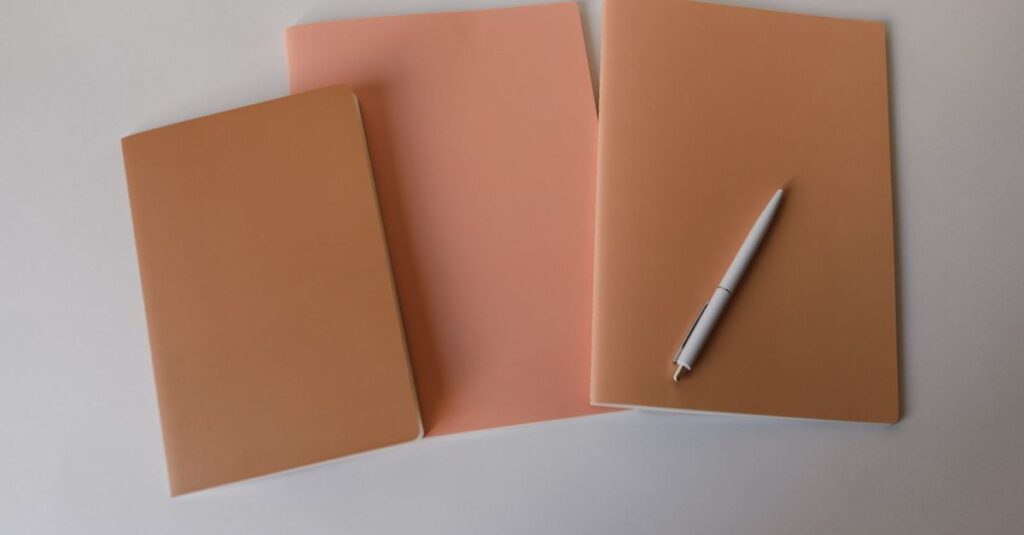
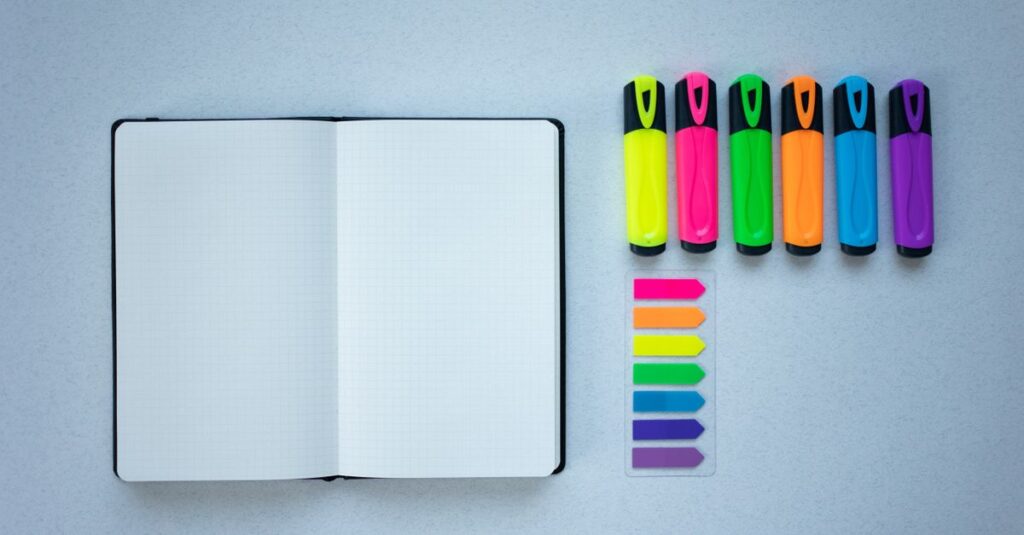
Let’s start with the physical thing. A Ganesh notebook typically refers to a Crown Size notebook. In our factory in Rajahmundry, we’ve been making them for decades. The standard dimensions are 19.5 cm by 15.5 cm. That’s the short notebook size. It’s compact, but not too small. It fits easily in a school bag or an office drawer. The ruling types? Mostly Single Ruled (SR) for school notebooks, but you can get Double Ruled (DR), Unruled (UR), or even Four Ruled (FR) for specific account-keeping. The paper inside is usually around 54 GSM writing paper. It’s smooth enough for pen or pencil, but thick enough that it doesn’t feel cheap. I’ve seen schools reject entire batches because the paper felt flimsy. It’s a real concern.
Who Orders Ganesh Notebooks?
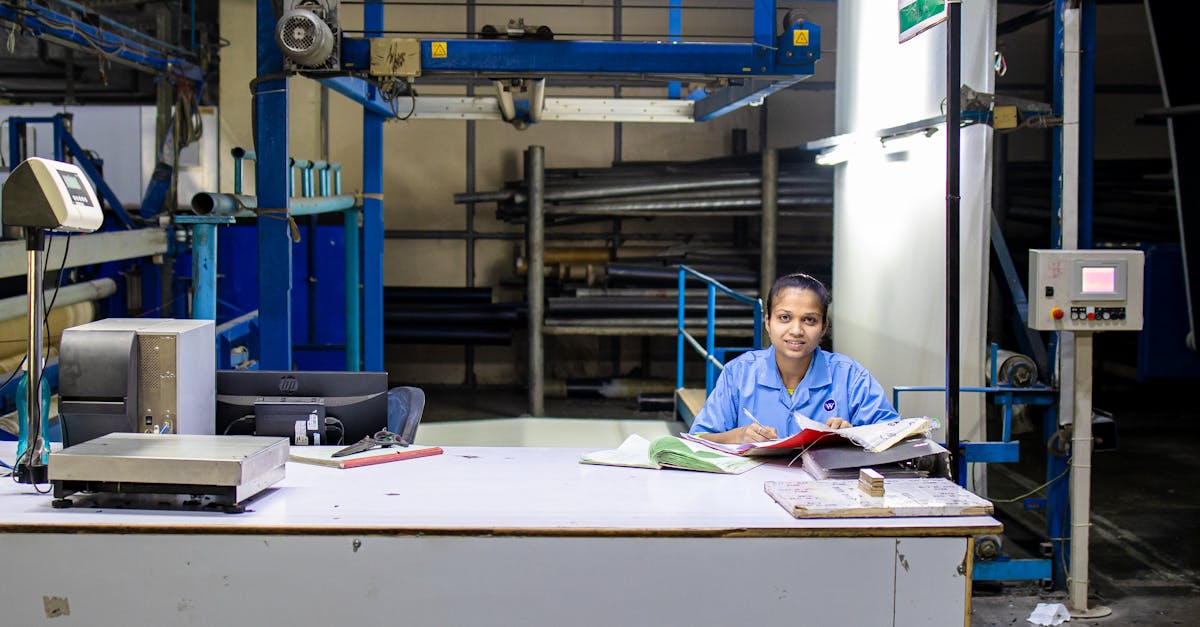
Three main groups. First, schools and colleges buying in bulk for annual student supplies. They need consistency in ruling and binding so every student gets the same thing. Second, corporate offices ordering custom diaries or account books. They often want their logo printed on the cover – what we call private label manufacturing. Third, distributors and wholesalers who supply retail stationery shops. They’re looking for reliable volume. A factory like ours can produce about 30,000 to 40,000 bound notebooks a day. That scale matters when you’re placing an order for 100,000 units.
How Ganesh Printing Works
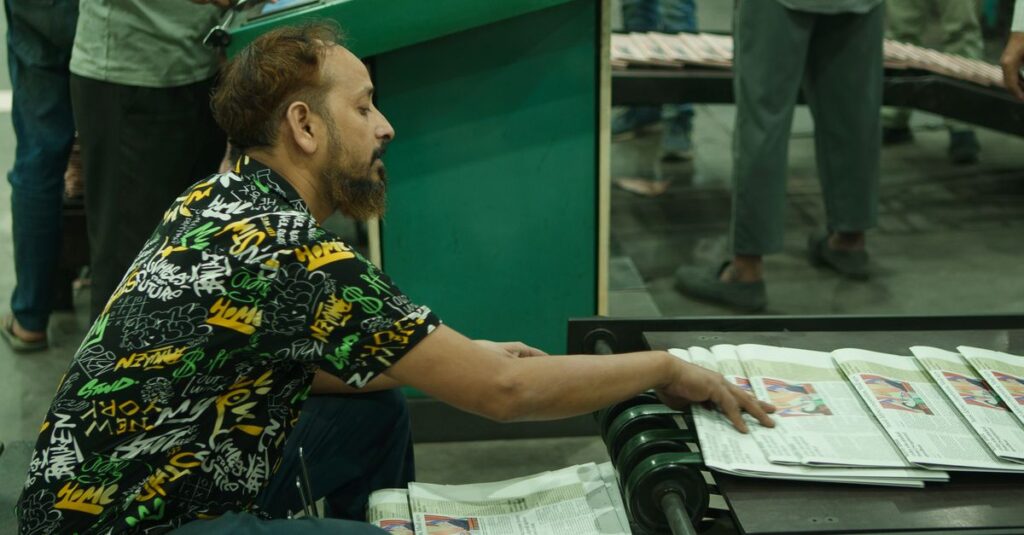
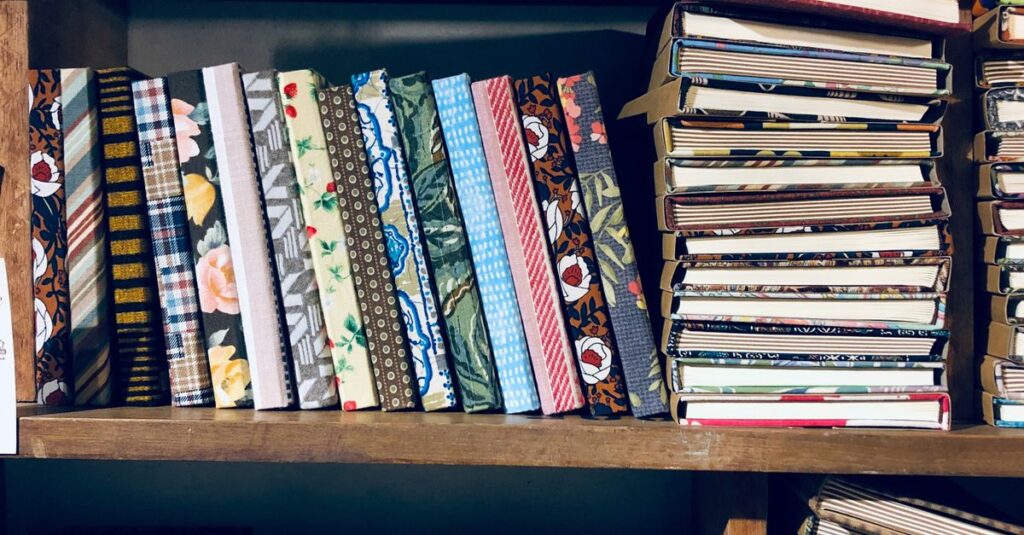
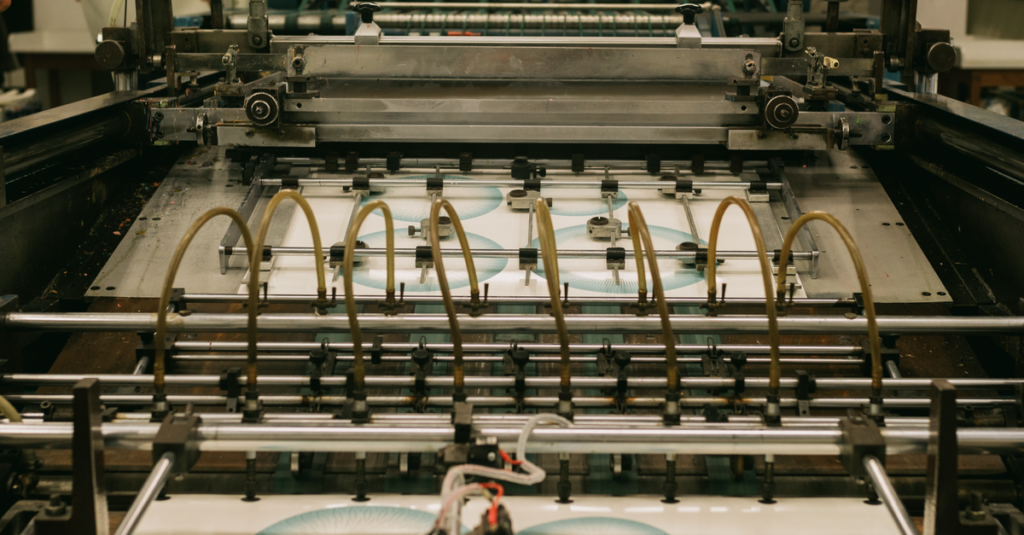
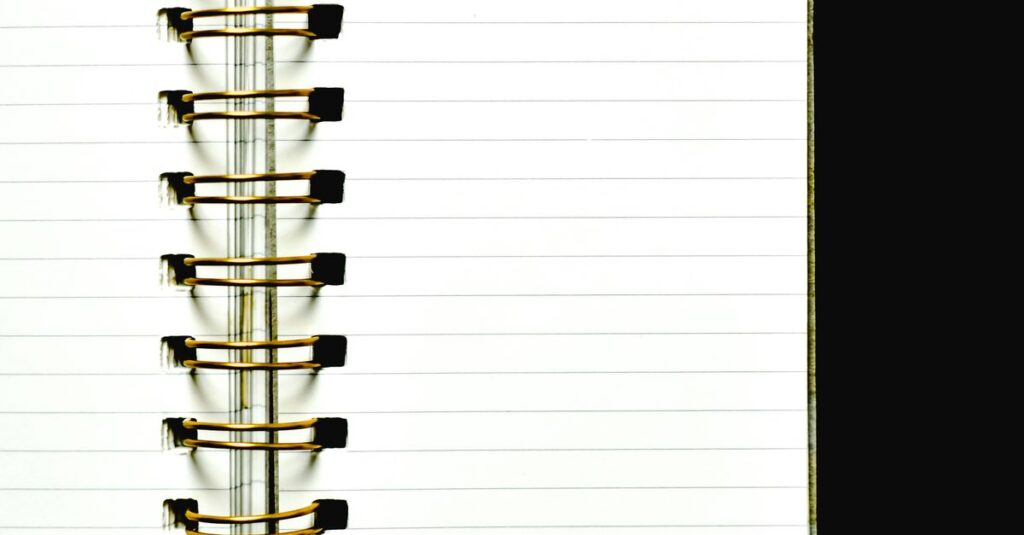
The process isn’t magic. It’s methodical. It starts with the paper roll. Cutting it to the precise 19.5 x 15.5 cm size. Then printing the ruling lines – the Ganesh printing refers to this ruling pattern. It’s clean, straight lines spaced for handwriting. After printing, the sheets are collated into sets of 52, 92, 200, or even 700 pages. Then binding. Most Ganesh notebooks use stitched binding. It’s durable. The spine holds. You can also get spiral binding or perfect binding for different uses. The cover is usually a thicker card paper, often printed with a simple design or left blank for custom branding.
Expert Insight
I was talking to a procurement manager from a Hyderabad school district last month. Over a call, actually. He said something I keep thinking about. The biggest worry isn’t price. It’s consistency. If the ruling on page 50 is slightly off from page 1, the teachers complain. The students notice. It’s about trust in the manufacturer’s process. At Sri Rama Notebooks, we check the printing alignment at every stage. Because that’s what Ganesh printing really is – a promise of uniformity. It’s not just a name.
Ganesh Printing vs. Other Notebook Manufacturing
| Feature | Ganesh Printing (Crown Size) | General Notebook Manufacturing |
|---|---|---|
| Primary Size | 19.5 cm x 15.5 cm (Short) | Various (A4, Long, King Size) |
| Typical Use | School notebooks, basic account books | Corporate diaries, drawing books, specialized stationery |
| Common Ruling | Single Ruled (SR), Double Ruled (DR) | Unruled, Broad Ruled, Cross Ruled, One Side Ruled |
| Binding Preference | Stitched binding | Spiral, Perfect, Stitched depending on use |
| Order Volume | Very high bulk (schools, institutions) | Mixed bulk and custom lower-volume orders |
| Customization Level | Often standard, with optional logo printing | High customization for cover, paper, ruling |
The table makes it clear. Ganesh printing caters to a specific, volume-driven need. It’s reliable. It’s predictable. Other manufacturing is more flexible. If you need a notebook that’s a bit different, the conversation starts there.
Real-Life Use: A School Order
Let’s talk about Ramesh. He’s 48, the administration officer for a group of private schools in Vijayawada. Every April, he orders 80,000 notebooks for the new academic year. He needs them delivered by June. The specs are strict: Crown Size, 200 pages, Single Ruled, stitched binding, blue cover. Last year, a supplier sent notebooks where the stitching came loose in a few batches. The complaints came in August. He had to replace them. This year, he’s checking the manufacturing process before placing the order. He asked me about the stitching machinery. I told him we use heavy-duty stitchers that double-check the spine. He nodded. “That’s what I need.” He didn’t need a fancy product. He needed a product that wouldn’t fail.
What to Look For When Ordering
If you’re evaluating a Ganesh printing notebook supplier, here’s what I’d suggest. First, ask about paper GSM. 54 GSM is standard, but some use lighter paper to cut costs. It feels thin. Second, check the ruling alignment. Ask for a sample notebook and look at page 100 compared to page 1. Are the lines straight and consistent? Third, ask about binding. Stitched is common, but how many stitches per notebook? More stitches mean more durability. Fourth, production capacity. Can they handle your bulk order volume without delay? Our factory runs three shifts to meet June school deadlines. Fifth, customization. Can they print your school’s logo or a simple design on the cover? Most can. It’s a straightforward add-on.
Common Misconceptions
People think Ganesh printing is just about the cover design. Actually, no. It’s about the internal printing of the ruling lines. The cover can be anything. Another misconception: that all Ganesh notebooks are the same quality. They’re not. The paper source, the binding thread, the printing ink – these vary between manufacturers. A notebook from a factory with 40 years of experience, like ours, uses materials that last. A newer factory might cut corners. You get what you pay for, honestly.
Frequently Asked Questions
What is the standard page count for a Ganesh notebook?
The most common page counts are 52, 92, 200, and 240 pages. Schools often order 200-page notebooks for a full academic year. For shorter courses or primary classes, 52 or 92 pages are used. The page count is fixed during manufacturing, so you need to specify your requirement when ordering in bulk.
Can I get Ganesh notebooks with custom covers?
Yes, absolutely. While the internal ruling pattern is standardized, the cover can be fully customized. This is called private label or OEM notebook production. You can provide your logo or design, and the manufacturer will print it on the cover. This is common for corporate diaries or branded school notebooks.
What binding is best for Ganesh notebooks?
For high-durability and frequent use, stitched binding is the best. It holds the pages securely and allows the notebook to open flat. Spiral binding is also used, especially for notebooks that need to be folded back. The choice depends on how the notebook will be used – stitched for formal school books, spiral for more flexible use.
How long does bulk production take?
For an order of 50,000 to 100,000 units, production typically takes 15 to 20 working days, including printing, binding, and packaging. This assumes standard specifications. Custom covers or special rulings might add a few days. Always confirm the delivery timeline with the manufacturer before placing the order.
Do manufacturers export Ganesh notebooks?
Yes, many Indian notebook manufacturers, including Sri Rama Notebooks, export to international markets like the Gulf, Africa, USA, and Europe. The notebooks are packed in cartons suitable for shipping. Export orders usually require additional quality checks and documentation, but the product itself is the same reliable Ganesh printing notebook.
Conclusion
Ganesh printing isn’t a mysterious term. It’s a specific, reliable method of manufacturing a standard-sized notebook for bulk institutional supply. The key for buyers is to look beyond the name and check the actual quality of paper, ruling, and binding. If you’re sourcing notebooks for a school, an office, or a distribution business, knowing these details helps you choose a supplier that won’t let you down. I don’t think there’s one perfect manufacturer for everyone. But if you’ve read this far, you probably know what you need – you’re just figuring out who can deliver it consistently. Maybe start by seeing what a long-established factory can offer.