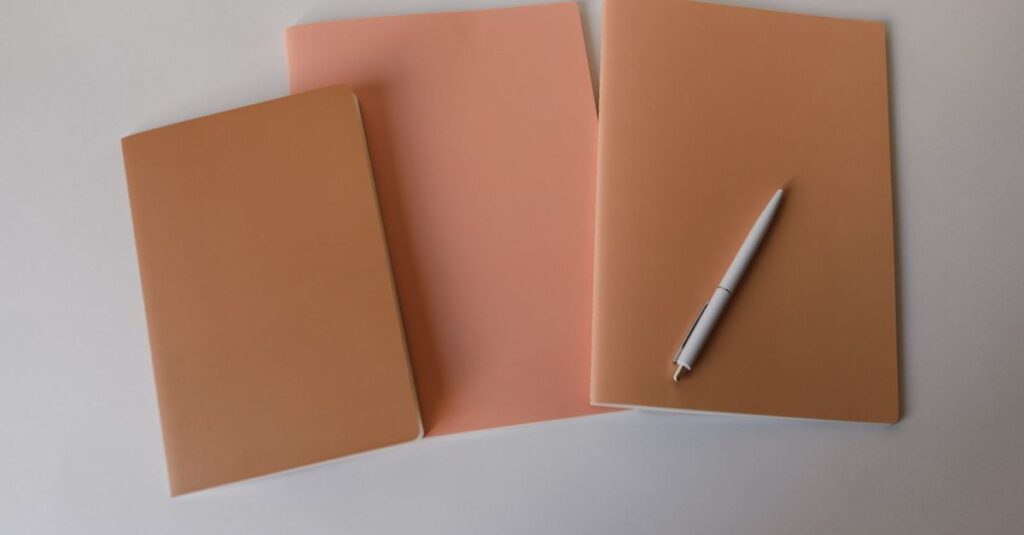
You search “graphic shop near me.” Then what happens?
Right. You’re probably sitting there with a budget, a deadline, and maybe a vague idea of what you need. Corporate diaries for Q4. A thousand custom notebooks for a school opening next month. Promotional stationery with a logo that actually looks good.
You type “graphic shop near me” and you get… everything. A local print-and-copy place that does wedding invites. A designer freelancing from a coffee shop. A big online service that ships from who-knows-where.
And none of them feel quite right for what you’re actually trying to do — which is to get a professional, durable, bulk product made, on time, without the quality looking cheap. You’re not buying ten notebooks. You’re ordering ten thousand. The stakes are different. The whole process is different.
If that’s where you’re at, this might be worth a look. We’ve been making notebooks and stationery in bulk since 1985, and I can tell you exactly what you’re looking for — and what most local shops can’t do for you. Here’s what we do.
What a “graphic shop” really means (and what it usually doesn’t)
Okay, let’s break this down. A “graphic shop” is a catch-all term. It’s like saying “food place.” Could be a fine-dining restaurant. Could be a food truck. The intent behind your search is everything.
For a business buyer, you’re likely looking for commercial printing and manufacturing services. You need someone who can handle the graphic design of your cover or layout, then physically print it, then bind it into a notebook or diary, and finally ship it to you, reliably.
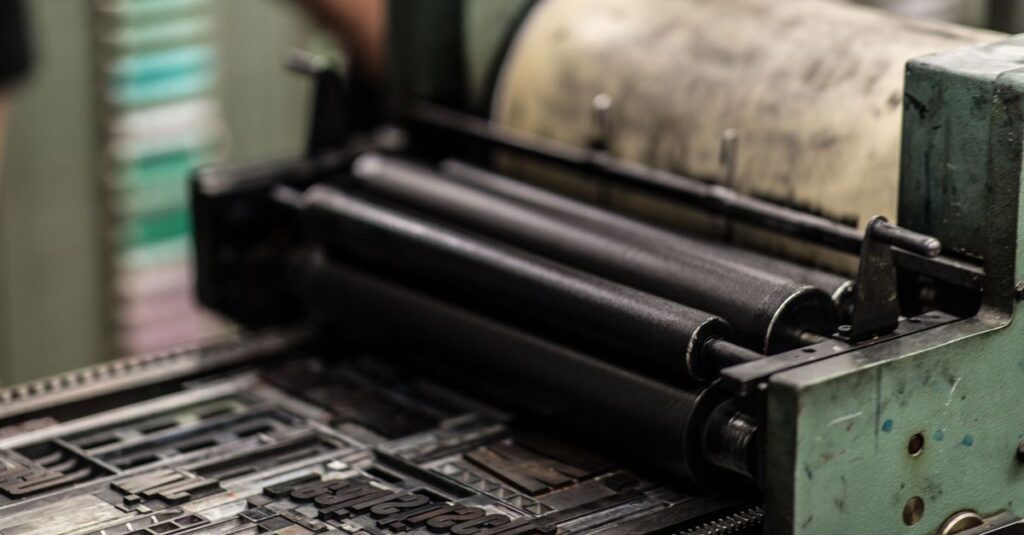
Most local “graphic shops” are set up for small-run, digital printing. Think business cards, flyers, brochures. They use desktop printers and maybe a small bindery machine. The moment you ask for 5,000 hardbound corporate diaries with foil-stamped logos? The conversation changes. The equipment needed changes. The paper sourcing changes.
I was talking to a procurement manager last week — from a college in Hyderabad — and she said something that stuck with me. “We used a local designer for the artwork, which was great. Then we sent the files to a local printer. The sample was perfect. But when the full order of 8,000 lab notebooks arrived, the binding was coming apart in half of them. The printer just didn’t have the heavy-duty stitching machines for that volume.”
That’s the gap. Design versus production. A sample versus a shipment.
The three things bulk buyers need that local shops often miss
Look, I’ll be direct. If you’re ordering for a school, corporation, or distributor, your checklist isn’t about getting a single beautiful mock-up. It’s about three things that happen after the design is approved.
1. Scale. This is the big one. Can they produce 30,000 notebooks in two weeks without the quality dipping on notebook number 29,857? Most shops can’t. Their machines aren’t built for that kind of continuous run. The paper jams. The ink consistency fails. The binding gets sloppy. Real manufacturing has a rhythm and a capacity. Our factory, for instance, runs about 30,000 to 40,000 bound notebooks a day. That’s a different universe from a shop doing a few hundred.
2. Paper and binding knowledge. This is where it gets technical, and where you can get burned. You want a notebook that feels substantial, that won’t bleed through, that will last a year in a student’s backpack or on a manager’s desk.
What does that mean? It means knowing that a 54 GSM writing paper gives a smooth feel without being flimsy. It means knowing that spiral binding is great for laying flat, but stitched binding is more durable for heavy-use account books. A local shop might offer you “binding options” without knowing which one suits your actual use case. We live in these details.
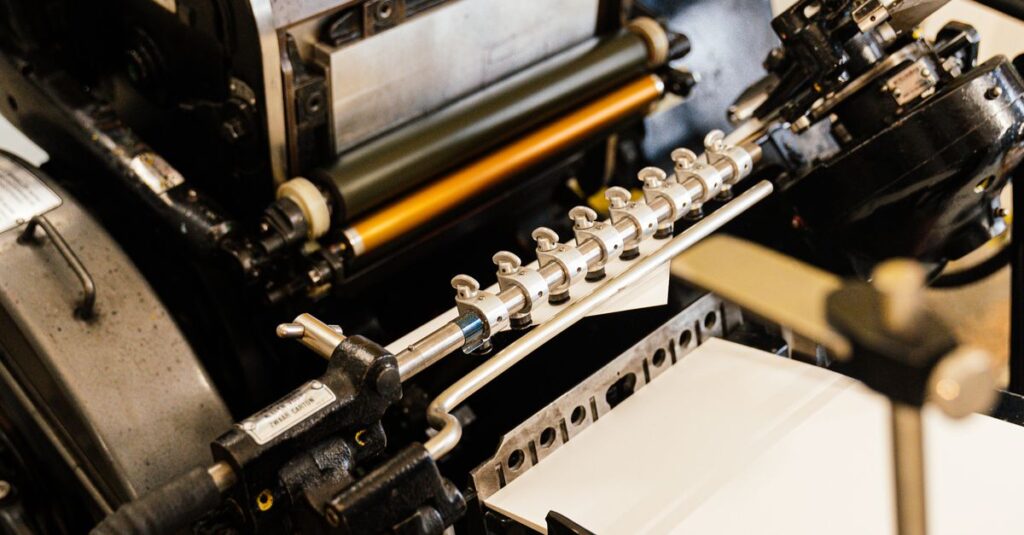
3. Consistency across the entire order. The color on page 1 must match the color on page 320. The logo placement on the cover must be identical on every single unit. The ruling lines must be straight and sharp, not blurry. This is about calibrated, industrial-grade offset printing presses, not large-format digital printers. It’s a level of precision that’s non-negotiable for brand integrity, especially for corporate gifts or school branding.
Without these three, you’re risking a very expensive problem.
Expert Insight
I was reading an industry report last month — one of those dry, technical ones — and one line jumped out. It said the biggest point of failure for institutional stationery orders isn’t the design phase; it’s the handoff from design to large-scale production. The designer makes something beautiful in software. The factory has to interpret those files into physical materials, pressures, and chemical inks. If those two sides don’t speak the same technical language, the product suffers. I don’t have a cleaner way to put it than that. The gap between the screen and the shelf is where most promises break.
A quick, real-life scenario
Let me give you a picture. Rohan, 42, is a procurement officer for a mid-sized IT firm in Bangalore. His boss wants 2,000 premium diaries for client gifts before the new financial year. The diary needs the company’s new intricate logo embossed on vegan leather, specific page layouts for project planning, and a ribbon bookmark.
He Googles “graphic shop near me.” Finds a reputable local print shop. They’re great people. They make a stunning prototype. It’s perfect. They sign the order.
Six weeks later, the shipment arrives. The embossing is shallow on 30% of the covers. The page layout for the project planner is off by two millimetres, making the boxes useless. And the ribbon color is more maroon than the burgundy in the brand guide.
Rohan’s problem wasn’t dishonesty. It was capability. The shop’s embossing machine wasn’t calibrated for that volume on that material. Their software for imposing page layouts wasn’t set up for custom ruling. They sourced the ribbon from a general supplier, not a specialist.
He had to explain this to his CEO. Not a fun meeting.
Graphic Design Shop vs. Specialized Notebook Manufacturer
So, when does a local shop make sense, and when do you need to look further? This table lays it out.
| Consideration | Local Graphic/Print Shop | Specialized Notebook Manufacturer |
|---|---|---|
| Best For | Small batches (10-500 units), one-off prints, marketing collaterals | Bulk orders (1,000+ units), institutional supply, branded corporate stationery |
| Printing Method | Primarily digital printing | Offset printing for large runs, digital for prototypes/short runs |
| Binding Capabilities | Basic spiral, stapling, maybe soft perfect binding | Industrial stitching, hardcover binding, wire-o, multiple spiral types |
| Paper & Material Sourcing | Off-the-shelf, limited variety | Direct from paper mills, wide range of GSM, finishes, and specialty stocks |
| Customization Depth | Print on existing notebook stock, simple cover wraps | Fully custom: size, ruling, paper, cover material, binding, packaging |
| Quality Control | Visual check, sample-based | Process-controlled, batch testing, consistency protocols |
| Scalability | Limited by machine capacity; large orders mean long waits | Built for scale; daily production in the tens of thousands |
The takeaway? For a few hundred custom notebooks for a small event, a good local shop is perfect. For supplying a whole school district or a nationwide corporate giveaway, you need the manufacturer.
How to actually choose when you need more than a shop
Alright, so you’ve decided your order is too big, too specific, or too important for a generalist. Here’s what to ask when you’re looking at actual manufacturers.
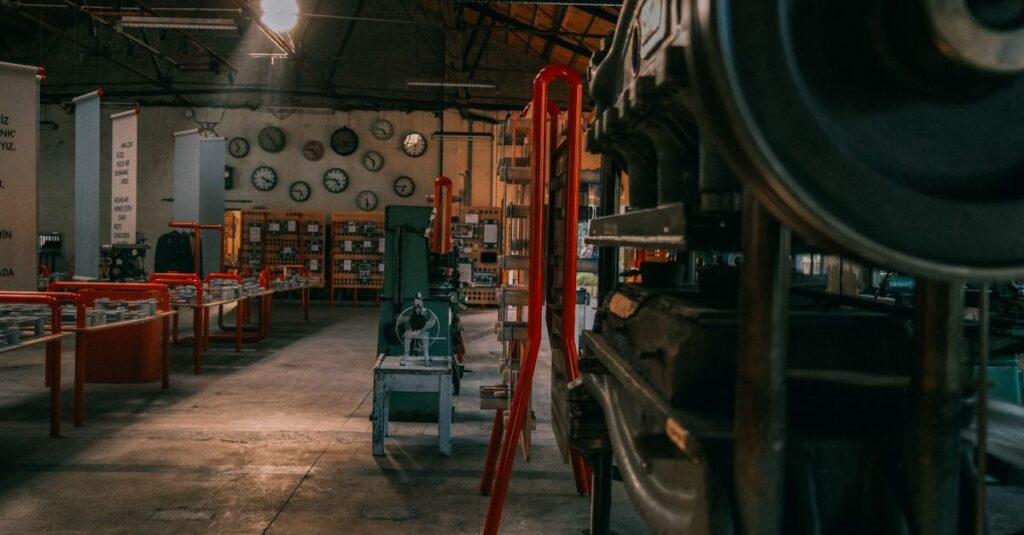
First, ask to see their production floor. Not just glossy photos. A real video walkthrough or, better, a visit. You want to see the size of the presses, the binding lines, the pallets of paper. Chaos is bad. Organized, heavy-duty machinery is good.
Second, request physical samples of past work in a similar category. Don’t just look at a PDF. Ask for a notebook they made two years ago. How has the binding held up? Has the cover faded? How does the paper feel now? This tells you more than any sales pitch.
Third, drill down on the process. “How do you handle color matching from my Pantone swatch?” “What’s your standard tolerance for ruling alignment?” “What happens if a batch fails your QC check?” Their answers should be specific and technical, not vague. If they sound like they’re winging it, they probably are.
And fourth — this is key — understand their lead times and what affects them. A 4-week lead time for 10,000 notebooks might be fine. But is that from final artwork approval? From the date the special paper arrives? Get it in writing. The biggest delays usually come from material sourcing, not the actual printing.
Our process is built around these questions, because we get asked them every single day by people who’ve been let down before.
Why the “near me” part matters less than you think
Here’s an opinion that might seem odd coming from a manufacturer in Rajahmundry: for bulk orders, proximity isn’t your primary advantage. Logistics is.
Yes, it’s nice to drive over to a local shop and pick up a proof. But if you’re ordering 20,000 units, you’re not picking them up in your car. They’re going on a truck or into a shipping container regardless. A manufacturer with a dedicated export and domestic logistics arm will often be more reliable at getting your pallets to your warehouse across the country than a local shop trying to coordinate freight for the first time.
What you need is not someone nearby. What you need is someone who makes the entire chain — from your idea to your warehouse — feel simple and predictable. That’s a systems problem, not a geography problem.
We ship across India and to places like the Gulf, Africa, the US. The distance from Rajahmundry to Delhi is irrelevant if the packing is right and the carrier is partnered correctly. The distance from a local shop to your office matters a lot if they mess up the order and you have to go argue with them.
Think about reliability, not radius.
Frequently Asked Questions
What services does a graphic shop usually provide?
Typically, a local graphic shop focuses on design (logos, brochures) and small-format digital printing (flyers, business cards). Some offer basic binding for small batches. For bulk notebook manufacturing, you need a factory with offset printing and industrial binding lines.
How many notebooks do I need to order for it to be considered “bulk”?
There’s no fixed number, but in our industry, “bulk” pricing and production typically start at around 1,000 units for custom items. For standard catalog items, a pallet load (a few thousand notebooks) is the norm. It’s less about a magic number and more about moving from a print-on-demand model to a dedicated manufacturing run.
Can a graphic shop handle custom notebook sizes and rulings?
Most can’t beyond a few options. Custom sizes require specific cutting dies. Custom rulings (like specialized accounting layouts or centre-broad rules) need custom printing cylinders or plates. This is expensive for a small shop to set up for a single order. A manufacturer already has these tools and expertise for custom notebook production.
What’s the main difference between digital and offset printing for notebooks?
Digital is fantastic for short runs and variable data (like numbering). It’s also quicker to set up. Offset printing has a higher setup cost and time, but once running, the per-unit cost plummets and the color consistency across tens of thousands of pages is far superior. For bulk notebooks, offset is almost always the right choice.
How long does it take to manufacture bulk custom notebooks?
From final artwork sign-off, expect 4-8 weeks for a fully custom order of several thousand units. This includes plate-making, paper sourcing, printing, binding, curing, and packing. Rushed timelines are possible but risk quality and cost more. Always plan ahead.
So, what now?
You searched “graphic shop near me” because you have a job to do. You need a tangible product, in quantity, that represents your brand or institution well. The search is just the start.
The real work is figuring out who has the machines, the paper knowledge, and the process to turn your idea into ten thousand identical, perfect, usable things. It’s not magic. It’s manufacturing. And it requires a different kind of partner than the one who makes your company brochures.
I don’t think there’s one perfect answer for every buyer. Probably there isn’t. But if you’ve read this far, you already know the local shop probably isn’t it. You’re just figuring out what the real solution looks like.
If you want to talk specifics — paper, binding, timelines, or just to see what a 40-year-old notebook factory can do — that’s what we’re here for. Let’s talk.