The Notebook You Probably Used, But Never Asked About
Think back to math class. The graph paper notebook. The faint blue lines creating tiny squares. You used it for algebra, geometry, maybe plotting graphs. But why that specific ruling? And why do schools and technical institutions keep ordering them in bulk, year after year? It’s not just tradition.
There’s a practical, almost invisible logic to grid notebooks. They structure thinking. They turn messy calculations into neat columns. They’re the default for engineers, architects, students — anyone who needs precision without the clutter of full lines. And if you’re a procurement manager for a school or a corporate office looking for bulk supplies, you’re probably searching for grid notebook manufacturers who understand this need. We’ve been making them since 1985, and the demand hasn’t slowed.
I’ll be direct — this isn’t about fancy features. It’s about a tool that works.
What a Grid Notebook Actually Is (And Isn’t)
A grid notebook, often called a graph notebook or coordinate notebook, has pages printed with a network of equally spaced horizontal and vertical lines. The squares are usually 5mm x 5mm. It’s not just lines — it’s a measured space.
You see them in two main rulings in the industry: Four Ruled (FR) and Cross Ruled (CR). Four Ruled typically has four horizontal lines creating three writing bands, with a vertical grid in the background. Cross Ruled is the classic graph paper — a full Cartesian grid. The paper quality matters, too. Most standard grid notebooks use around 54 GSM paper. Thin enough to be affordable in bulk, thick enough to prevent ink bleed from pens or pencils. It’s a balance.
Here’s the thing — a grid notebook isn’t a sketchbook. It’s a working book. The grid is a guide, not a canvas. That distinction matters when you’re ordering thousands for a school district.
Expert Insight
I was talking to a procurement manager from a technical college in Andhra Pradesh last month. Over tea, really. He said their biggest problem with some suppliers was inconsistent grid alignment. “If the squares aren’t uniform, the students can’t plot accurately. It throws them off.” He wasn’t complaining about price. He was talking about function. The more precise the need, the harder it becomes to find a manufacturer who pays attention to that detail. I don’t have a cleaner way to put it than that.
Why Schools and Institutions Buy Them in Bulk
Let’s look at the use cases. It’s not just math.
- Mathematics & Science: Plotting graphs, geometric drawings, chemical structures.
- Engineering & Drafting: Early-stage sketches, schematic layouts, scale drawings.
- Design & Architecture: Layout planning, floor plan sketches, proportion studies.
- Data & Charts: Creating tidy tables, organizing statistical data.
- Bullet Journals & Planning: The modern use — using grids for neat task lists and trackers.
The demand is steady. Schools order at the start of the academic year. Colleges order for specific departments. Corporate training centers order them for workshops. The orders are large — often 10,000 to 50,000 notebooks at a time. Because you can’t run a math class without the right tool.
Ravi, 28, an engineering student in Rajahmundry, buys two grid notebooks every semester. He doesn’t go to a fancy store. He picks them up from the campus supplier. The cover is plain. The pages are 92. The binding is stitched. He uses it for circuit diagrams. Last week, he spilled coffee on one. He was annoyed, but he just bought another. It’s a consumable. That’s the point.
The Manufacturing Behind a Reliable Grid Notebook
If you’re sourcing these in bulk, you need to know what goes into making them. Not all notebook manufacturers produce grids with the same precision.
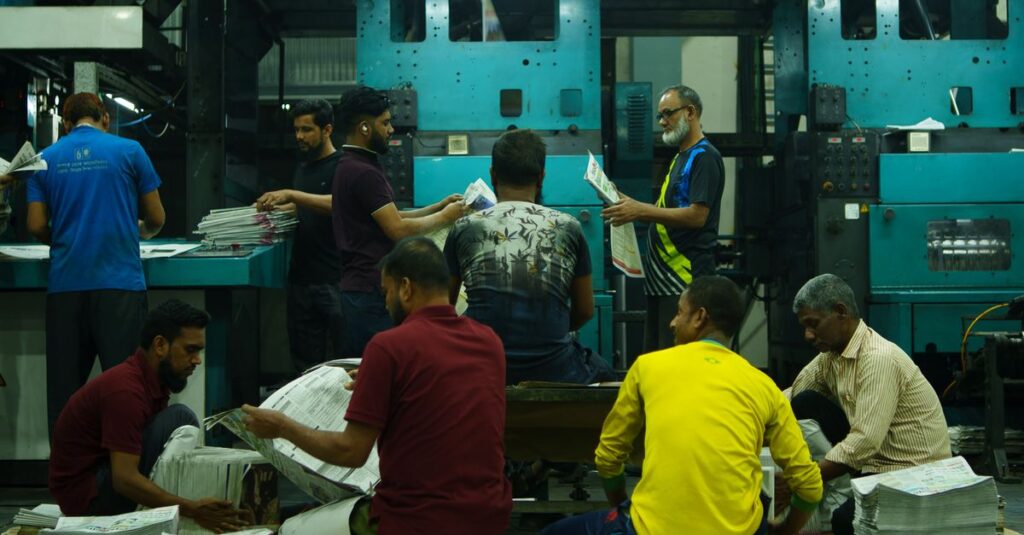
The process starts with the paper roll. The grid pattern is printed using offset printing for large runs — it’s cost-effective and sharp. The lines must be faint enough to not dominate, but clear enough to see. Then the sheets are cut to size — common ones are Long Notebook (27.2 cm x 17.1 cm) or Crown Size. The sheets are collated, then bound.
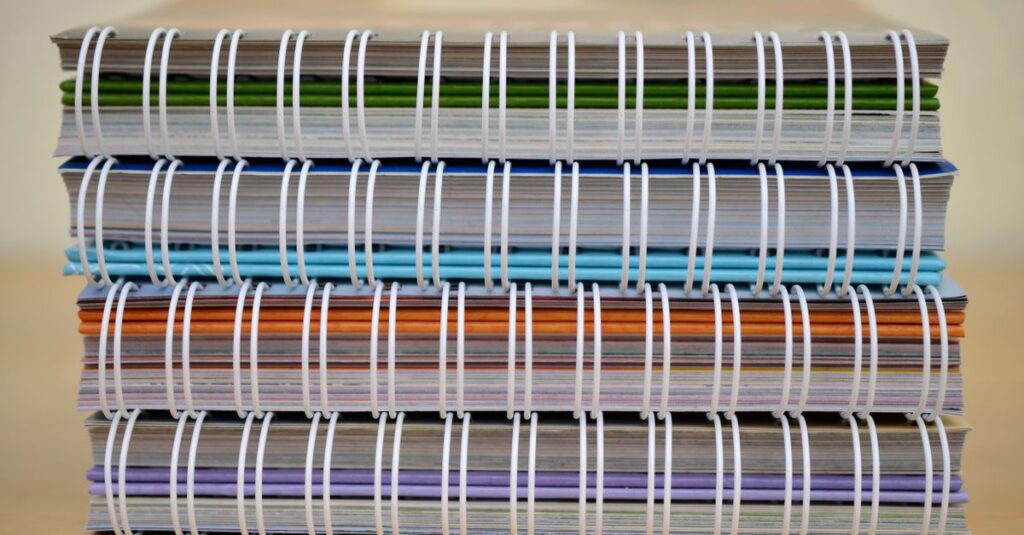
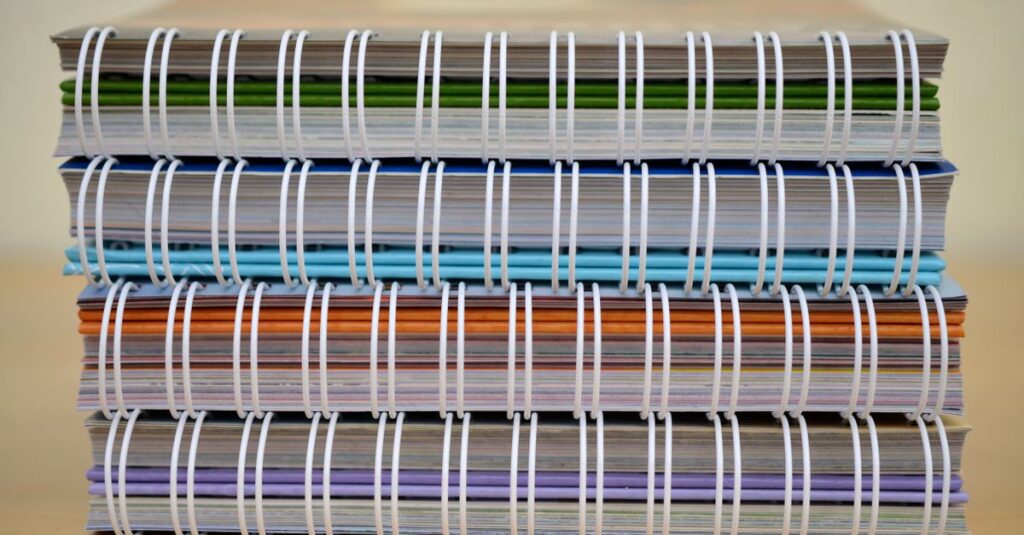
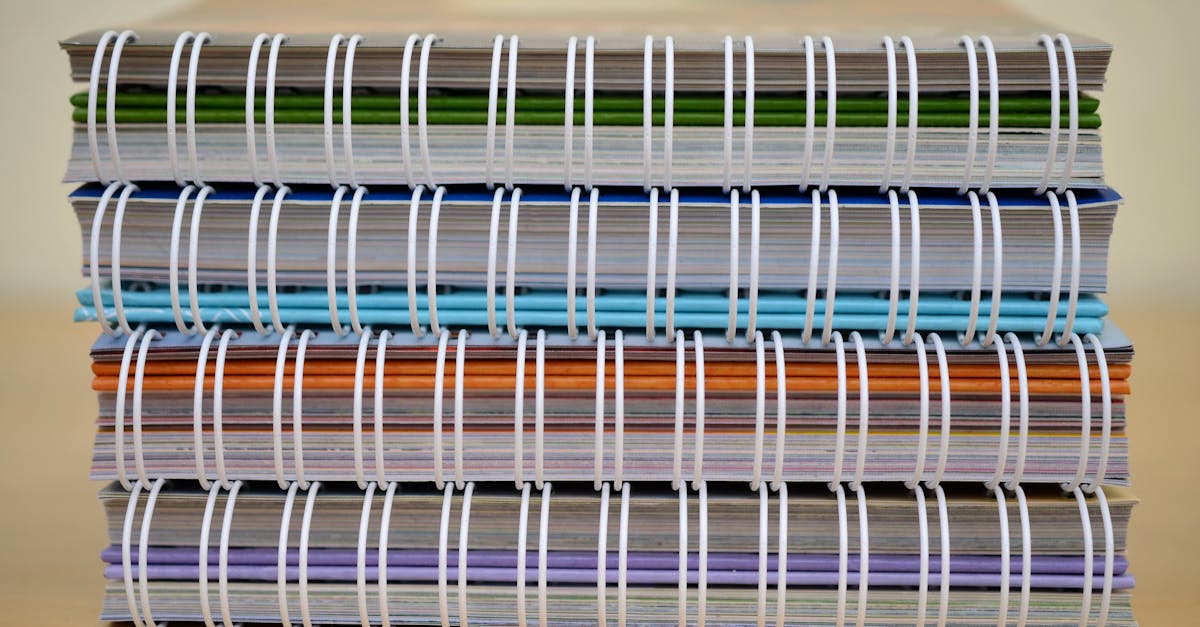
Binding is key for durability. For grid notebooks used heavily, stitched binding is most common. It holds through rough handling. Spiral binding is used for easier page tearing, often for design studios. Then there’s the cover. For bulk school orders, it’s often a simple card stock cover. For corporate custom orders, it can be branded with a logo.
At our facility, we can produce about 30,000 to 40,000 bound notebooks a day. That scale matters when you need delivery for 500 schools before June. The printing consistency across that volume is what we focus on.
Grid Notebook vs. Standard Single Ruled Notebook
| Feature | Grid Notebook | Single Ruled Notebook |
|---|---|---|
| Primary Use | Precision work: graphs, drawings, tables | General writing: notes, essays, lists |
| Ruling Pattern | Crossed lines forming squares (CR/FR) | Single horizontal lines (SR) |
| User Groups | Students (math/science), engineers, designers | General students, office staff, writers |
| Bulk Order Drivers | Curriculum requirement, technical training | Standard school supply, general office use |
| Customization Need | Less common — grid pattern is fixed | High — can add logos, headers, special rulings |
| Typical Page Count | 92 pages, 200 pages (for extended use) | 52 pages, 120 pages (for shorter-term use) |
Choosing between them isn’t about quality. It’s about function. If your requirement is precise alignment, you go grid. If it’s general note-taking, you go single ruled. Most large institutional orders include both.
What to Look For When Ordering Grid Notebooks in Bulk
Okay. If you’re a procurement manager or a wholesaler looking to source grid notebooks, here’s what actually matters.
First, the grid alignment. Ask for a sample. Check if the squares are uniform across the page and from page to page. Misalignment isn’t just a cosmetic defect — it affects usability. Second, paper GSM. 54 GSM is standard for school notebooks. It handles pencil and pen well. If you need heavier use (like for drafting with markers), you might look for 70 GSM. Third, binding. Stitched binding lasts longer. Spiral binding allows easy page removal. Decide based on how the notebooks will be used.
Then there’s the scale. Can the manufacturer deliver your volume in time? Our factory’s daily output is geared for that. And finally, customization. Even for grid notebooks, you can often customize the cover with a school logo or institutional name. It adds identity without changing the core function.
Look, I’ll be honest. Price is a factor, but consistency is the real priority. A student with a poorly printed grid gets frustrated. A bulk order that arrives with mixed rulings causes logistical headaches. You’re not just buying paper; you’re buying a reliable tool.
Frequently Asked Questions
What is the difference between Four Ruled (FR) and Cross Ruled (CR) grid notebooks?
Four Ruled (FR) notebooks typically have four horizontal lines creating three writing bands, with a faint vertical grid in the background. They’re often used for math where you need lined spaces for numbers plus a grid for graphs. Cross Ruled (CR) is pure graph paper — a full grid of squares. CR is preferred for engineering drawings and precise plotting. The choice depends on the specific academic or professional need.
What paper quality (GSM) is best for school grid notebooks?
For most school use, 54 GSM paper is the standard. It’s durable enough for daily pencil and pen work, affordable for bulk orders, and prevents excessive ink bleed. For specialized use like architectural sketching or frequent marker use, a higher GSM like 70 might be needed, but that increases cost. For bulk school supply, 54 GSM is the practical choice.
Can grid notebooks be customized with a school or corporate logo?
Yes. The grid pattern on the inside pages is standard, but the cover can be fully customized. Manufacturers like us can print your institution’s logo, name, and even specific color schemes on the cover. This is common for schools wanting a unified identity or corporations ordering branded notebooks for training programs.
How many pages are ideal for a student grid notebook?
It depends on the duration of use. For a semester-long subject, a 92-page notebook is common. For a full academic year, 200 pages is better. For intensive projects or drafting work, even 240-page notebooks are used. The page count should match the expected usage to avoid mid-term shortages or wasted excess.
What binding type is most durable for grid notebooks?
For notebooks that will be used heavily and need to last, stitched binding is the most durable. It holds the pages firmly even with rough handling. Spiral binding is useful if pages need to be torn out easily, like in design workshops, but it’s less robust for long-term carry. For bulk school orders, stitched binding is the typical and reliable choice.
The Real Choice Isn’t About the Notebook
It’s about the work it enables. A grid notebook is a simple thing. But its presence in a classroom or a workshop means someone is about to think in structured, measured ways. That’s why the demand persists. That’s why manufacturers who pay attention to the alignment of those faint blue lines matter.
If you’re sourcing these in bulk, you’re not just procuring stationery. You’re enabling a function. And that requires a supplier who understands the function. We’ve focused on that for over four decades.