The Unspoken Truth About Hard Cover Notebooks
You’re looking for a hard cover for books. Right. But I have to tell you something in the notebook manufacturing world, that phrase means something completely different than it does for a bookstore. You’re not buying a novel’s dust jacket. You’re sourcing a durable, branded, institutional-grade product meant to survive a school year, daily office use, or a thousand miles in a shipping container. The question isn’t about aesthetics; it’s about durability, branding, and cost-per-unit. And honestly? Most procurement managers get this wrong the first time.
The emotional state here is practical stress. You need 5,000 notebooks for the new academic year, or 2,000 corporate diaries for your sales team, and you need them to look professional, last, and not fall apart. You’re Googling hard cover because you think that’s the term. It’s not. It’s about binding technology, paperboard quality, and manufacturing specs that a regular stationery shop won’t even talk about. If this sounds familiar, this might be worth a look.
What a Hard Cover Actually Means in Manufacturing
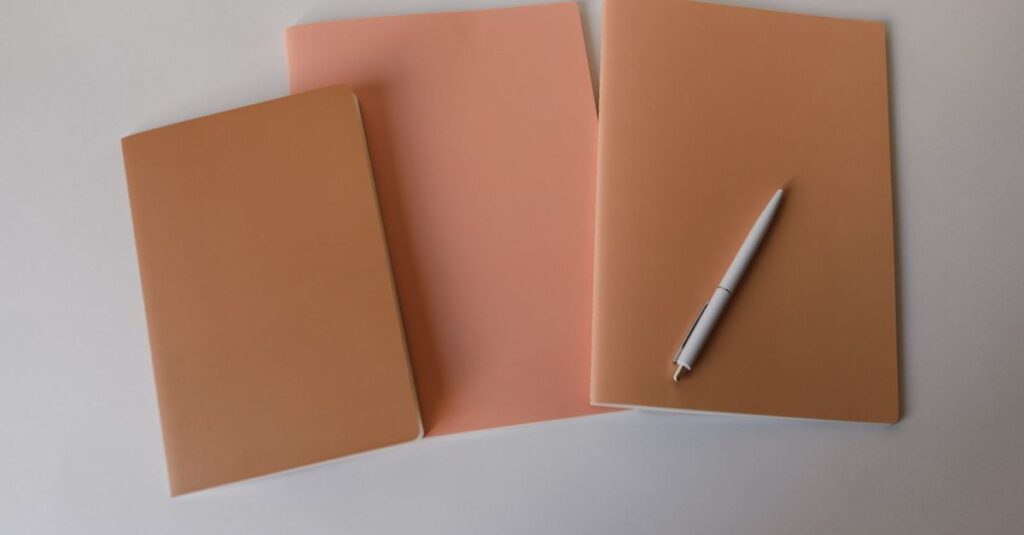
Okay, let’s get specific. When you say hard cover, you’re picturing something rigid, right? Something that doesn’t bend when you hold it. In notebook production, that rigidity comes from the board the material that wraps around the pages. It’s not magic. It’s usually 250 GSM to 350 GSM paperboard. Thicker than cardboard, but not wood. It’s laminated, often with a glossy or matte finish, and it’s printed with your logo, school emblem, or corporate design.
But here’s the thing the cover is only half the battle. The real durability comes from how that cover is attached to the pages inside. A flimsy binding with a hard cover is like a sturdy door on a house with no walls. It’ll look tough but collapse at the first real use. So when you’re evaluating a manufacturer, you need to ask about two things: cover board GSM and binding type. They’re a package.
I was talking to a procurement manager from a Hyderabad-based college last week over a very rushed phone call, actually and she said their biggest mistake was ordering hard cover notebooks without specifying the binding. They got 300 GSM covers glued onto the pages with cheap adhesive. By mid-term, pages were falling out. The cover was fine. The book was useless.
Binding: The Hidden Engine of Durability
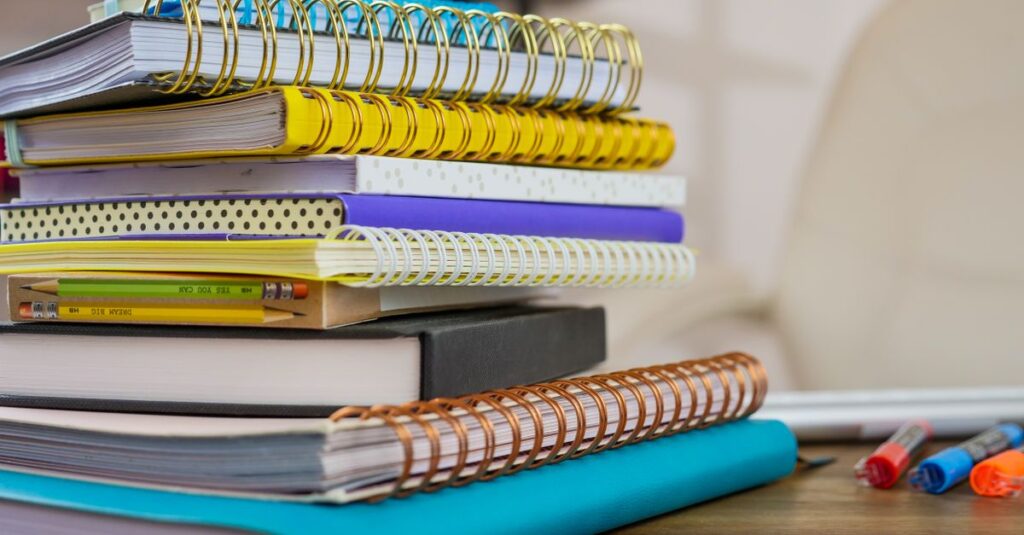
Think about it this way. The cover is the armor. The binding is the skeleton. Without a strong skeleton, the armor just sits there. For institutional notebooks, you typically have three main binding types that work with hard covers:
- Stitched Binding: This is the old-school, most durable method. Thread is actually sewn through the pages and into the cover. It’s what you see in high-end account books or record books. It’s more expensive, but it lasts decades.
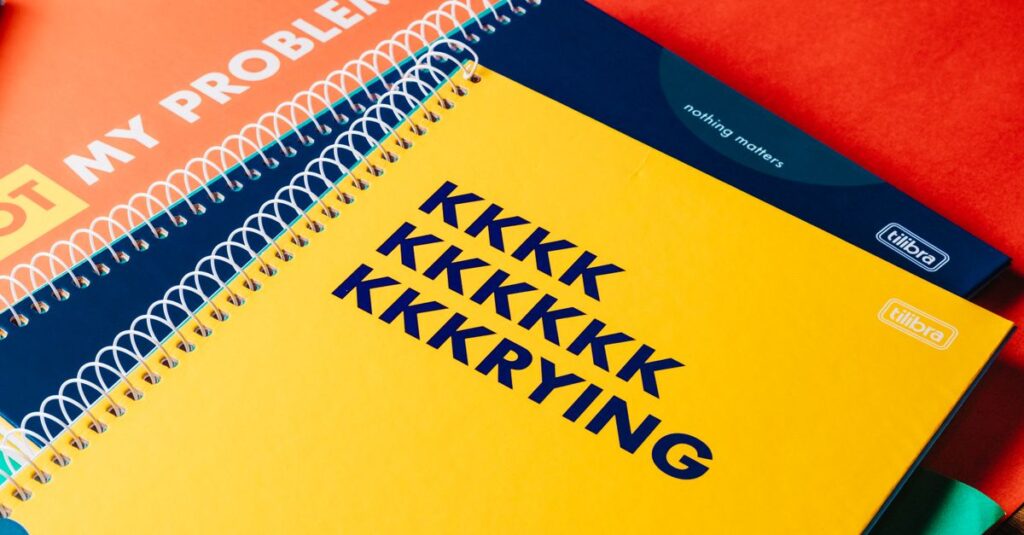
- Spiral Binding: A metal or plastic coil runs through holes punched in the pages and cover. It’s great for notebooks that need to lie flat (like drawing books). The cover is hard, but the spine is flexible. This is a specific choice, not a default.
- Perfect Binding: This is what most modern corporate diaries use. The pages are glued together at the spine with a strong adhesive, and then glued to the cover. It looks clean, professional, and is cost-effective for large runs. The glue quality is everything here.
And most people don’t realize this: the binding choice dictates the cover’s finishing. A stitched binding needs a different cover construction than a perfect-bound one. You can’t just decide on a hard cover and then pick the binding later. The whole product is designed from the inside out.
The Real Cost Breakdown (What Nobody Talks About)
Look, I’ll be direct. When businesses or schools ask for hard cover notebooks, the first thing they worry about is price. They compare per-unit quotes from different suppliers and pick the cheapest. That’s probably the biggest mistake you can make. The real cost isn’t in the unit price; it’s in the failure rate.
A notebook that costs $25 but loses pages after three months means you’re buying twice as many notebooks over the year. A diary that looks cheap in a client meeting costs you more in brand damage than you saved on the order. So here’s a breakdown of where the money actually goes in a hard cover notebook:
- Paperboard (The Cover): Higher GSM = higher cost. 350 GSM board costs significantly more than 250 GSM. But it also doesn’t warp or dent in shipping.
- Lamination & Printing: A simple print is cheap. A multi-color logo with spot UV lamination or embossing is more. But it’s also what makes your brand look premium.
- Binding Method: Stitched binding is labor-intensive and costs more. Perfect binding is faster and cheaper, but relies on glue quality.
- Internal Paper: This is often overlooked. The writing paper inside (usually 54 GSM for standard notebooks) needs to match the cover’s durability. Thin paper with a hard cover feels wrong.
- Packaging & Logistics: Hard cover notebooks are heavier. They need stronger packaging for bulk shipping, especially for exports. That cost is often baked into the quote.
The question isn’t What’s the cheapest hard cover notebook? It’s What’s the most cost-effective over its entire lifespan for my specific use?
Expert Insight
I’ve been in this industry for a while now, and one conversation stuck with me. A government institution was ordering notebooks for a statewide literacy program. They wanted durability because these books would travel to remote villages. They initially chose the cheapest perfect-bound option. One of our production managers pointed out that in humid, rural conditions, certain adhesives fail faster. He said, The cover might be hard, but the book will become a loose bundle of pages in a monsoon. They switched to a stitched binding with a slightly lower GSM board. The cost per unit went up by 15%. The failure rate dropped to near zero. Sometimes the expensive choice is the cheap one in the long run. I don’t have a cleaner way to put it than that.
A Quick Comparison: Hard Cover vs. Soft Cover Notebooks
Most buyers know they want durability, but they’re not sure if a hard cover is truly necessary. Let’s put it side by side with soft cover options. This isn’t about good vs. bad; it’s about matching the product to the need.
| Feature | Hard Cover Notebook | Soft Cover Notebook |
|---|---|---|
| Primary Use | Corporate diaries, account books, record books, premium school notebooks, long-term reference materials. | Everyday school notebooks, scribbling pads, short-term use, cost-sensitive bulk orders. |
| Durability | High. Resists bending, crushing, and spine damage. Protects pages longer. | Moderate. Flexible, can be bent or folded, spine may wear faster. |
| Branding & Presentation | Excellent. Provides a premium, professional feel. Ideal for logo printing and client gifts. | Functional. Branding is possible, but feels less formal. |
| Cost | Higher per unit due to materials (board, lamination) and binding. | Lower per unit, making it ideal for high-volume, low-budget orders. |
| Typical Binding | Often stitched or perfect bound for rigidity. | Often stitched or spiral bound, can also be perfect bound. |
| Shipping & Handling | Heavier, requires stronger packaging to prevent corner dings. | Lightweight, more compact, easier to pack in large quantities. |
| Production Lead Time | Can be longer due to additional finishing steps (lamination, drying). | Generally faster turnaround. |
This table makes it obvious: if your need is longevity and brand image, hard cover is the only way. If your need is volume and cost, soft cover might do the job. But and this is crucial many schools now opt for a hybrid: hard cover notebooks for specific subjects (like permanent record books) and soft cover for everyday use. It’s about a strategic mix.
How to Actually Order Hard Cover Notebooks in Bulk
Alright, so you’ve decided you need hard cover notebooks. What next? Just sending an email with need 5000 hard cover notebooks will get you a quote, but probably not the right product. Here’s what you need to specify. This is the checklist I wish every buyer would use.
- Cover Specification: Don’t just say hard cover. Specify the GSM of the paperboard (e.g., 300 GSM). Specify the finish (matte lamination, glossy lamination, or no lamination).
- Binding Type: Explicitly state the binding method. Stitched, perfect, or spiral. If you’re unsure, ask for recommendations based on your use case.
- Internal Pages: Specify the number of pages (52, 92, 200, etc.), the ruling (single ruled, unruled, double ruled), and the paper GSM (like 54 GSM writing paper).
- Dimensions: Give the exact size. King Size (23.6×17.3 cm), Long (27.2×17.1 cm), etc. This affects cover cutting and paper costs.
- Printing Details: Provide your logo/artwork in high resolution. Specify print areas (front cover, back cover, spine). Discuss any special effects like embossing or spot UV.
- Packaging: For bulk orders, how do you want them packed? 50 notebooks per bundle? 100? Shrink-wrapped? This affects logistics and handling.
- Delivery Timeline: Be realistic. Hard cover production, especially with custom printing, isn’t a 3-day job. Discuss lead times upfront.
I think the biggest gap here is communication. Manufacturers assume you know these specs. You assume they’ll ask. The result is a product that’s just okay. Not great. By detailing these points, you move from being a generic buyer to a knowledgeable partner. That changes everything. Our printing team actually prefers working with clients who have a clear spec list it means fewer revisions and a faster turnaround.
The Export Consideration: Hard Covers That Travel
A lot of our international buyers specifically ask for hard cover notebooks. And their reasons are different. The notebooks aren’t just going from a warehouse to a local school. They’re being shipped across oceans, stored in port warehouses, handled in different climates. Durability isn’t just about classroom use; it’s about surviving the supply chain.
For export orders, the cover board GSM needs to be higher. The lamination needs to be scuff-resistant. The binding needs to be absolutely robust because the boxes will be stacked, moved, and sometimes subjected to humidity. We’ve learned to add corner guards in packaging for hard cover exports because the corners are the first thing to dent. It’s a small cost that prevents a huge quality complaint.
And honestly? This is where a manufacturer’s experience shows. A factory that only does local supply might not think about these things. A factory that exports regularly builds these considerations into their standard process. If you’re an international buyer, you need to ask: What’s your process for export packaging? It’s not an extra. It’s a necessity.
Frequently Asked Questions
What is the best binding for a hard cover school notebook?
For school notebooks that need to survive a full academic year, stitched binding is the most durable. It’s the traditional method where threads sew through the pages and cover. Perfect binding (strong adhesive) is also common and cost-effective for large orders, but you must ensure the glue quality is high. Spiral binding is less common for hard covers in schools, but it’s great for drawing books or technical notebooks where lying flat is important.
Can I get a custom logo printed on a hard cover notebook?
Absolutely. That’s one of the main reasons businesses order hard cover notebooks for branding. The process involves printing your logo on the paperboard before lamination. You can provide your artwork, and the manufacturer will handle the printing, often using offset printing for large runs for crisp, consistent results. You can even request special finishes like embossing or spot UV for a premium look.
How much more expensive are hard cover notebooks compared to soft cover?
It depends on the specs, but typically, a hard cover notebook can be 30% to 50% more expensive per unit than a similar soft cover notebook. The increased cost comes from the thicker cover board, the lamination process, and often a more robust binding method. However, for long-term use and brand presentation, this cost is usually justified.
What paper GSM is used for the covers of hard cover notebooks?
Hard covers are made from paperboard, not regular paper. The GSM (grams per square meter) for this board usually ranges from 250 GSM to 350 GSM. 250 GSM gives a firm feel, 300 GSM is very rigid, and 350 GSM is used for premium, heavy-duty products like account books. The higher the GSM, the more durable and resistant to bending the cover will be.
What is the typical production time for a bulk order of custom hard cover notebooks?
For a custom order with printing, expect a lead time of 4 to 6 weeks for a bulk quantity (like 5,000+ units). This includes time for material procurement, printing, lamination, binding, and quality checks. For standard hard cover notebooks without custom printing, the time can be shorter (2-3 weeks). Always discuss timelines with your manufacturer before placing the order.
Conclusion
So, hard cover for books in the notebook manufacturing world isn’t a simple product category. It’s a set of decisions about durability, branding, cost, and application. The cover board GSM, the binding type, the internal paper, the finishing each choice adds or subtracts from the final product’s life.
For schools, it might mean notebooks that last the whole year. For corporations, it means diaries that impress clients. For exporters, it means products that arrive intact. The key is to move beyond the generic request and specify what you actually need. I don’t think there’s one perfect answer here. Probably there isn’t. But if you’ve read this far, you already know what you’re looking for you’re just figuring out how to ask for it correctly.
If you’re planning a bulk order and want to talk specifics cover GSM, binding, samples it’s a conversation worth having. Sometimes seeing a physical sample of a 300 GSM stitched notebook versus a 250 GSM perfect-bound one makes all the difference.