Look, Let’s Get Something Straight About Notebook Covers
You’re here because you need lamination services for notebooks. Probably a lot of notebooks. And you’ve been googling “lamination services near me” because you’ve got an order — schools, corporate diaries, custom notebooks — and you’re staring at the production timeline, thinking about durability. Right?
The thing is, lamination isn’t just a finishing step. It’s the difference between a notebook that survives a year in a kid’s backpack and one that peels apart after a month. It’s what makes a corporate diary feel premium instead of cheap. But finding the right partner who understands notebooks specifically, not just generic lamination? That’s where the headache starts. If you’re trying to nail down a reliable lamination process for your next bulk order, this is the part we spend a lot of time on.
What Lamination Actually Does (It’s Not Just About Shine)
Most people think lamination is just for making covers glossy. That’s part of it. But the real job — the one that matters when you’re buying thousands of units — is protection. It’s a wear-and-tear shield.
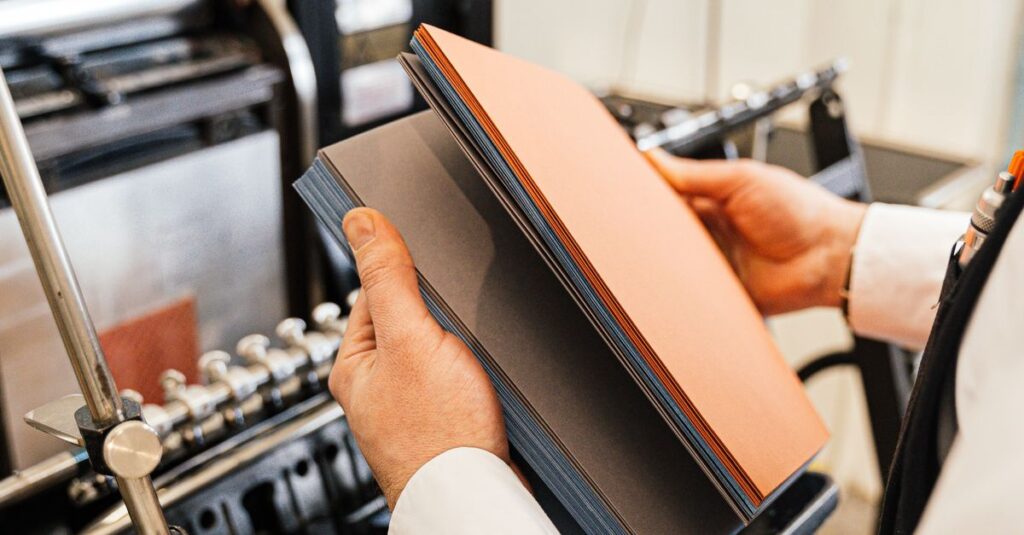
Think about a school notebook. It gets thrown around, stuffed in lockers, shoved into pencil cases. The cover isn’t just paper; it’s a first impression, a canvas for logos, a structural element. Without a good laminate layer, ink smudges. Moisture warps the cover. Corners fray. Lamination locks everything in place. It’s a clear plastic film, heat-sealed or bonded onto the cover paper. The result? Water resistance. Tear resistance. Scratch resistance. The colors underneath look more vibrant and, crucially, they stay that way.
I was talking to a procurement manager for a chain of coaching institutes last month — over a very quick phone call — and she said their biggest complaint used to be notebooks looking “used” before they were even half-filled. The lamination was the variable they hadn’t controlled. Changed everything. The silence after that realization had weight.
The Types You Need to Know (And Which One Fits Your Job)
Not all lamination is the same. Picking the wrong type is like using the wrong binding — it’ll work, but barely, and it’ll fail exactly when you don’t want it to. Here’s the breakdown.
First, you’ve got Matt Lamination. This is the non-glare finish. It feels smooth, almost soft to the touch. It gives a sophisticated, premium look. Perfect for corporate diaries, executive notebooks, or any product where you want readability without fingerprint smudges or light reflection. It’s subtle. Professional.
Then there’s Gloss Lamination. This is the classic shiny finish. It makes colors pop — literally makes them look brighter and more saturated. It’s durable and provides a great protective barrier. This is the go-to for school notebooks, bright children’s books, and products where you want visual impact. It’s tough, it’s vibrant, but it can show scratches more easily than matt.
There’s also Soft Touch Lamination. This one’s a bit more niche, but it’s incredible for high-end products. It has a velvety, suede-like feel. It’s expensive, but it screams quality. You’d use this for luxury diaries, premium branded merchandise, or special edition notebooks.
The question isn’t which is “best.” It’s which one serves the actual life of your specific notebook. A textbook cover needs different armor than a boardroom notepad. Most manufacturers I know, including us, keep both matt and gloss films ready to go because the job dictates the tool.
Why “Near Me” Matters More Than You Think
When you search “lamination services near me,” you’re probably thinking about logistics. And you should. Shipping flat, laminated covers is one thing. Shipping thousands of heavy, finished notebooks is a whole other cost. But location ties into something else: process integration.
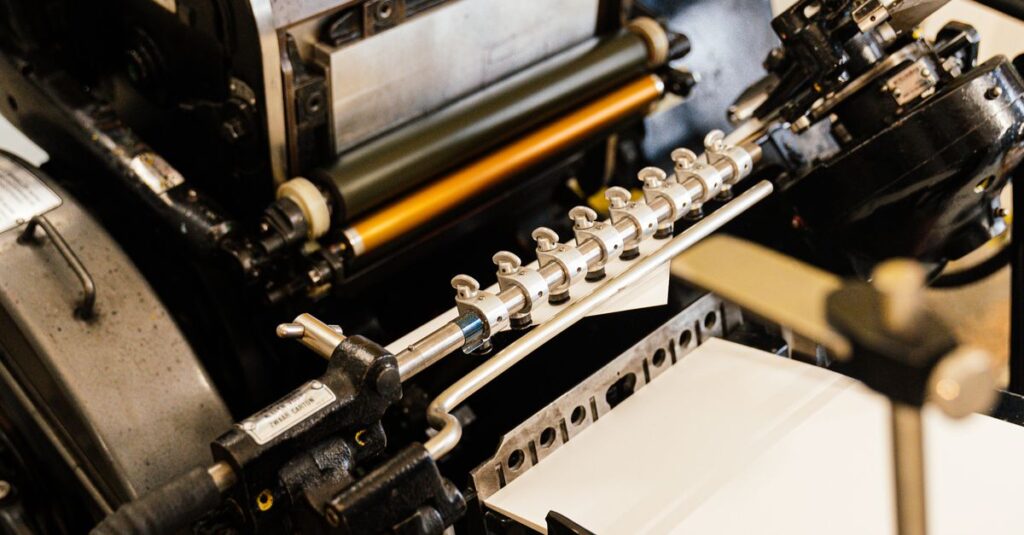
A lamination service that’s just a standalone shop might do great work on a single poster. But notebook manufacturing is a rhythm. It’s printing → trimming → laminating → curing → binding. If your lamination vendor is two states away, you’re adding days of transit, handling, and coordination between each step. The risk of damage or misalignment goes way up.
Finding a partner who does notebook manufacturing end-to-end, with lamination as a native step in their factory, changes the game. The paper comes off the press, goes straight to the laminating machine, then straight to the binding line. The quality control is continuous. The timeline shrinks from weeks to days. And you’re dealing with one point of responsibility, not three.
I’ve seen too many projects get tangled in the gap between the printer, the laminator, and the binder. The covers show up with the laminate slightly off-register, or with air bubbles because they were handled between stages. It’s a headache, honestly. Integration isn’t a luxury for bulk orders; it’s a necessity.
| Feature | Standalone Lamination Service | Integrated Notebook Manufacturer |
|---|---|---|
| Process Flow | Stop-and-start. You manage logistics between printing, lamination, and binding. | Seamless. Printing, laminating, and binding happen in one continuous line. |
| Quality Control | Checked at each separate stage, increasing risk of errors between stages. | Single, continuous QC process from paper to finished notebook. |
| Turnaround Time | Longer due to shipping and coordination between multiple vendors. | Significantly faster. Often days instead of weeks. |
| Cost Structure | Multiple quotes, plus hidden shipping and handling costs. | One consolidated quote. Often more cost-effective for bulk. |
| Problem Resolution | Potential for blame-shifting between printer, laminator, binder. | One point of accountability. Any issue is their issue to fix. |
| Best For | Small, one-off jobs or prototyping. | Bulk orders, school supplies, corporate diaries, repeat business. |
The Expert Insight on Durability (It’s Not Just the Film)
Expert Insight
I was reading an old trade journal once — one of those physical magazines that’s basically a relic now — and a production manager said something that stuck. He said, “Good lamination doesn’t start at the laminator. It starts at the paper mill.” I think about that all the time.
What he meant was this: the bond between the laminate film and the paper is everything. If the paper coating is inconsistent, or if the ink isn’t fully cured before it goes under the heat and pressure of the laminating roller, the film won’t adhere properly. You’ll get delamination. Bubbles. Peeling at the edges. The best laminating machine in the world can’t fix bad prep. The capability of the machine is irrelevant if what you feed it is wrong. That’s the part most buyers never see, but it’s the only part that actually determines if your notebook lasts.
A Real-Life Snapshot: Why This Stuff Actually Matters
Let me tell you about Rohan. He’s 42, runs procurement for a mid-sized IT company in Hyderabad. They order 5000 custom diaries every New Year for clients and staff. Two years ago, they switched to a cheaper, online-only printer to save 10%. The diaries looked fine at first. But by March, the covers were peeling at the corners. The laminate was separating from the paper in humid weather. They looked shabby. It embarrassed him to give them out. He said it subtly made their whole company feel less reliable. The cost saving wasn’t worth the brand damage. Now he’s obsessed with the production specs. He asks about paper grain, adhesive types, curing time. He’s not a printer; he’s a buyer who got burned. And honestly? Most people only learn this after the first failure.
What to Actually Look for in a Lamination Partner
So you’re evaluating “lamination services near me.” Beyond location and price, what questions do you ask? Here’s what I’d want to know.
First, ask about their machinery. Are they using solvent-based or solventless laminators? Solventless is more common now for paper products — it’s more environmentally friendly and doesn’t risk ink smudging. It’s a good sign if they’ve updated their kit in the last decade.
Second, ask for physical samples. Not just a swatch. Ask for a finished notebook that’s been through their full process. Test it. Bend the cover back. Run a fingernail across it. Leave a drop of water on it for a minute. Try to peel a corner. A good laminate holds firm. A bad one gives you a starting point.
Third, and this is the big one, ask about their experience with notebooks specifically. Laminating a thin poster is easy. Laminating a cover that’s then going to be scored, folded, and glued into a binding is a different skill. The tension settings on the machine have to be perfect, or the laminated cover won’t fold cleanly. It can crack. An experienced notebook manufacturer knows this dance by heart. A general print shop might not.
Look, the goal is a notebook that feels solid. A cover that doesn’t flex too much but doesn’t crack. A finish that endures. It’s a feel you recognize when you hold it. If a vendor can’t walk you through how they achieve that for a product that gets handled every single day, keep looking. Our whole approach is built around that kind of durability, because there’s no point in making something that doesn’t last.
Frequently Asked Questions
What is the standard lamination thickness for school notebooks?
For standard school notebooks and everyday use, a lamination film of 12 to 20 microns is typical. This provides a good balance of durability and flexibility. Thicker films (25+ microns) are used for heavy-duty products like account books or hard-use manuals, but they can make the cover stiffer and more prone to cracking on the spine if not handled correctly during binding.
Can you laminate already printed and bound notebooks?
Technically, maybe, but you really shouldn’t. Lamination requires heat and pressure applied to a flat sheet. Trying to laminate a finished, bound notebook is messy, often ruins the binding, and almost never gives a clean seal on the edges and spine. Proper lamination is always done on the flat cover sheets before they are folded and bound into the notebook block.
What’s the difference between lamination and vinyl coating?
Good question. Lamination bonds a discrete plastic film to the paper. Vinyl coating (or soft touch) is usually a liquid coating applied and cured, giving a more integrated, sometimes textured feel. Lamination is generally more protective and water-resistant. Vinyl coating can feel nicer but may be less durable against abrasion. For bulk school or corporate notebooks, lamination is the standard, reliable workhorse.
How does lamination affect the printing cost of custom notebooks?
It adds a cost, but it’s a necessary one for any professional product. Think of it as a percentage of the total cover printing cost — it can add anywhere from 15% to 30% to that line item. However, it prevents far more costly issues like reprints due to damaged shipments or unhappy customers receiving scuffed products. For bulk orders, it’s not an extra; it’s part of the core spec.
Is matt or gloss lamination more durable?
In terms of pure protective strength, they’re very similar if the same quality of film is used. The difference is in the wear pattern. Gloss lamination can show fine scratches more visibly under light. Matt lamination tends to hide these small scuffs better. So, while the underlying durability is comparable, matt often *looks* newer for longer in high-handling environments, which is a kind of durability in itself.
Wrapping This Up
Finding the right lamination service isn’t about finding the closest shop or the cheapest rate per sheet. It’s about finding a partner who understands that a notebook isn’t a poster. It’s a tool that gets used, abused, and judged. The lamination is its skin, its armor, and its first impression all at once.
The real takeaway? Don’t separate lamination from the rest of the manufacturing process. The best results come from integration — where the people running the laminator are talking to the people running the binder, and they’re all focused on making one solid product. That’s how you get notebooks that last a full school year, diaries that still look crisp at the December meeting, and a brand that feels dependable.
I don’t think there’s one perfect supplier for everyone. Probably there isn’t. But if you’ve read this far, you’re not just looking for a laminator — you’re looking for a guarantee that your investment in printing turns into a product that holds up. That’s the whole point. If you’re planning a bulk order and want to see how an integrated process works, it might be worth a quick conversation.