You’d Think Nobody Cares About a Lock and Key Anymore. You’d Be Wrong.
Here’s a picture: a sleek laptop, a tablet, a password manager, a secure cloud drive. Now, picture a physical diary with a small brass key. It feels almost quaint, right? Like a relic your parents might have used. But the data – and the requests we get every single month – tell a different story entirely. Procurement managers, HR heads, government officials – they keep asking for them. Because in a world of digital leaks and forgotten passwords, there’s a specific kind of comfort in a physical lock. You know exactly what’s secured, and you know exactly where it is. Right in your drawer. The privacy doesn’t feel abstract. It feels real.
This isn’t about nostalgia. Think about the actual use cases: an HR manager tracking sensitive personnel notes, a board member scribbling pre-meeting thoughts, a student council president keeping minutes. The information is low-tech but high-stakes. And there’s no ‘forgot password’ link. No ‘breach detected’ email three months later. Just a key. And if you lose it, well, that’s a problem you can hold in your hand. It focuses the mind in a way digital security simply doesn’t.
Anyway. Let’s talk about what a locking diary actually is these days, who still needs them badly, and what you should look for when ordering them in bulk for your institution. Because if you’re a procurement manager searching for this, you’re not looking for a cute gift shop item. You’re looking for a functional, durable, and – let’s be honest – cost-effective security tool. We’ve been making them for decades at Sri Rama Notebooks, and the demand hasn’t faded. It’s just gotten more specific.
What Is a Locking Diary Today? (Hint: It’s Not Just a Journal)
So, what are we really talking about? It’s a bound diary, usually hardcover for durability, with a built-in metal clasp and a lock mechanism. A small key – sometimes two – secures it. The core idea is simple: prevent casual flipping. It’s a physical barrier that says ‘this is private’ more loudly than a closed notebook ever could.
But the guts of it matter. The paper needs to be good quality – think 70-80 GSM so ink doesn’t bleed through and make everything a messy secret. The binding has to be robust. A perfect binding or reinforced stitched binding is key (no pun intended). A flimsy binding with a lock is just a frustrating box of loose pages waiting to happen. The lock itself? Usually a simple pin-tumbler mechanism. Not Fort Knox. It’s a deterrent, not an impenetrable vault. But it needs to reliably click shut and open without snapping the key. I’ve seen cheap ones where the clasp feels like it’s made of tin foil. Don’t order those.
A modern locking diary is a tool for intentional privacy. You don’t write your shopping list in it. You use it for the stuff that would cause a real headache if it were seen. And that delineation – this book for secret things, that book for everything else – creates a mental boundary that’s surprisingly powerful. It makes the writer more careful, more honest, maybe. Or at least more aware.
Right. So who actually uses these things?
The Professional Users Who Keep This Industry Alive
This is where it gets practical. The market isn’t teenagers, generally. It’s institutions and roles where discretion isn’t a luxury; it’s a job requirement. Let me run through the main ones – these are the people you’re buying for.
- Corporate HR & Senior Management: This is the big one. Notes on performance issues, succession planning, sensitive salary discussions, grievance records before they become formal. You can’t always type this stuff. The physical act of writing can help process complex human issues. But that page cannot be left open on a desk. The lock ensures it isn’t.
- Legal & Compliance Officers: Early case notes, client meeting impressions, off-the-record thoughts. Again, it’s the pre-digital stage. The place for thinking before anything becomes a formal, discoverable document. The lock here is less about colleagues and more about legal defensibility.
- Government & Defense Personnel: Certain levels require physical logs for specific procedures. Sometimes digital devices are prohibited in meetings or secure areas. A locked diary is an approved, non-electronic way to maintain a record. It’s about protocol.
- Educational Administrators: School principals, college deans. Student disciplinary matters, private parent conversations, staff conflicts. The information is highly sensitive and needs to be kept completely separate from general admin files.
- Board Members & Trustees: Pre-meeting strategizing, personal evaluations of CEO performance, confidential feedback on other board members. It’s the ultimate ‘for your eyes only’ tool at the highest levels.
I was talking to a procurement head for a large bank last year – over email, actually – and he put it simply: “We order 200 of these a year. It’s not a trend. It’s a piece of essential office equipment, like a shredder.” That stuck with me. A shredder destroys. A locking diary protects at the source.
A Quick Story
Meena, 48, is the Head of HR for a mid-sized tech firm in Hyderabad. She’s been doing this for fifteen years. On her desk: a laptop, a phone, a sleek monitor. In her top desk drawer, under some folders: a dark blue locking diary with a small key on her keychain. It’s where she jots her first impressions after an interview, notes on a tense mediation session before writing the official summary. “If I typed that stuff,” she told me once, “it would live on a drive somewhere. This lives here. When the issue is resolved, I sometimes tear the page out and shred it. It feels… finished.” The ritual is part of the process.
What to Look For When You’re Ordering in Bulk
If you’re a procurement manager sourcing these for your company or institution, you’re not buying a single cute journal. You’re buying a functional product in quantity. The priorities shift from ‘nice to have’ to ‘must work reliably.’ Here’s what actually matters. Forget the fancy descriptions.
- Durability Over Aesthetics: The cover material needs to withstand being thrown in a bag, pulled in and out of a drawer. Leatherette or quality hardbound covers are standard. The corners should be reinforced.
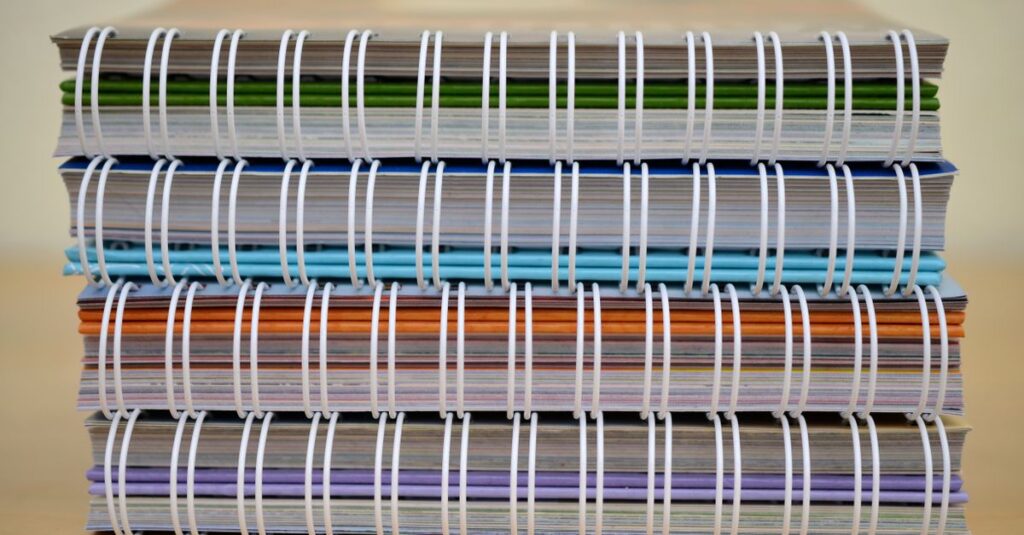
- Binding Integrity: This is non-negotiable. A spiral binding is a terrible idea for a locking diary – it can be forced. Perfect binding (glued) or stitched binding are the only real options. The book must lay flat when open, but the spine must be tough.
- Lock Mechanism Quality: The metal of the clasp and lock should feel substantial, not brittle. Ask the manufacturer about the mechanism. A simple, proven design is better than a complicated, fragile one. Always, always order extra keys – at least 2-3 per diary. People lose them. It’s a fact of life.
- Paper Quality (GSM): Don’t settle for cheap, see-through paper. 70 GSM minimum, 80 GSM is better. This ensures confidentiality works both ways – your writing doesn’t show through to the other side of the page.
- Customization Options: This is where a real manufacturer adds value. Can they hot foil stamp your company logo on the cover? Can they use your corporate colors? For bulk orders, this branding turns a generic security tool into a professional company asset. At Sri Rama Notebooks, this is a huge part of our corporate diary business.
The goal is to buy something that will last the year – or several years – without falling apart. Because a broken lock on a confidential diary is worse than no lock at all. It gives a false sense of security.
The Manufacturing Angle: How a Good One is Made
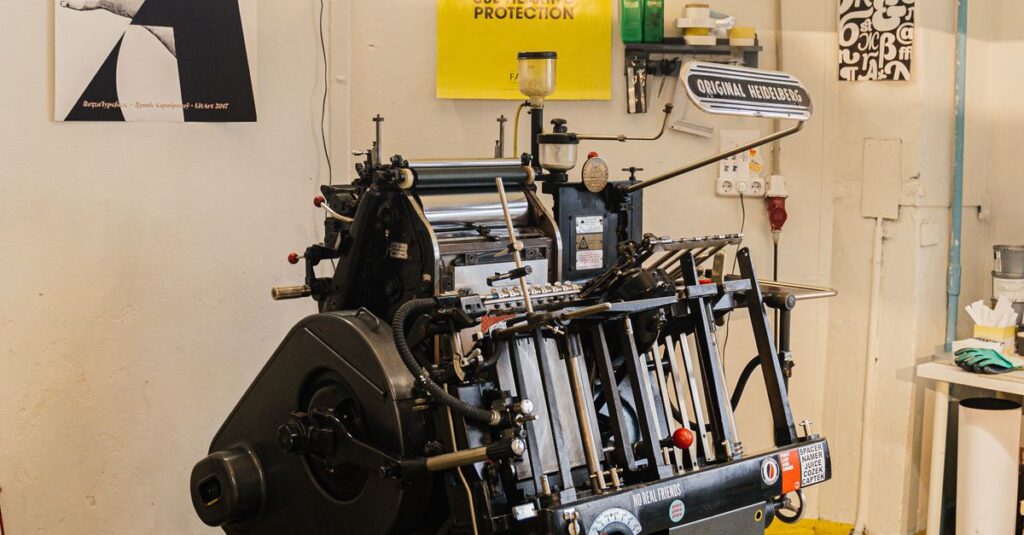
Let me pull back the curtain a bit, since we’re in the business of making these. The process isn’t magic, but attention to detail is everything. It starts with the cover board – it’s thicker than a standard notebook. Then you have the metal clasp, which is sourced separately and attached during the casing-in process. This is a skilled step; alignment is critical so the lock engages cleanly.
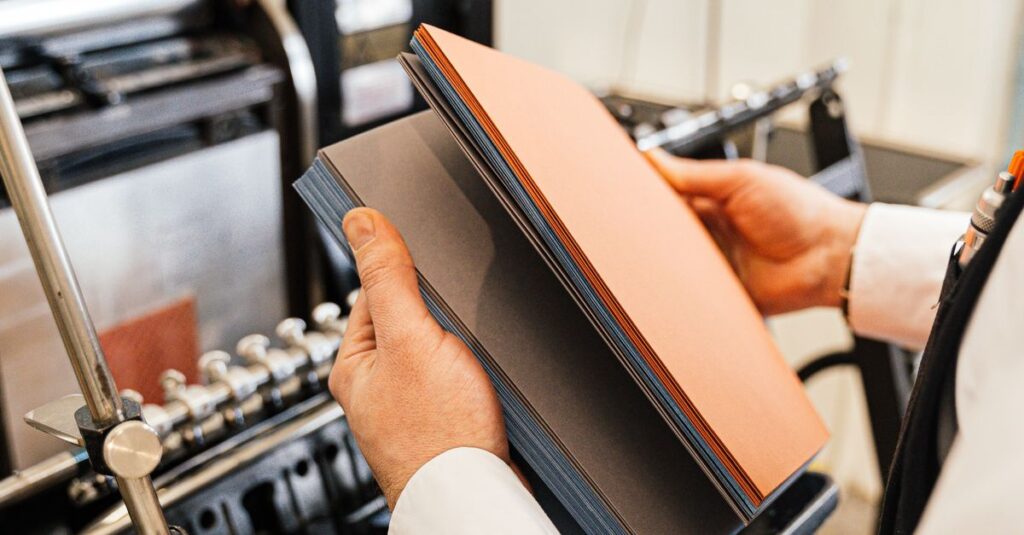
The inner pages are stitched into sections (signatures) first, then glued together into a solid text block. This block is then glued to the spine of the hard cover, with the clasp arms positioned perfectly. The lock mechanism is installed last. The keys – we usually source them from a specialist – are tested on every single diary. Sounds obvious, but you’d be surprised.
The biggest headache in manufacturing? Consistency. Making sure the 1,000th diary in a run locks as smoothly as the first one. And ensuring the extra keys for diary #450 work on diary #450, not on #449. It sounds minor until you’re the person with the wrong key. Our factory in Rajahmundry runs a quality check specifically for this – a person literally locks and unlocks every single diary before it’s packed. It’s the only way to be sure.
Expert Insight
I was reading a trade article a while back – I can’t remember where, maybe a procurement journal – and an analyst said something obvious that most people miss. They said the resurgence of interest in physical security tools like locking diaries often correlates directly with high-profile digital data breaches in an industry. When a finance company gets hacked, every competitor suddenly re-evaluates what ‘sensitive’ means. And they realize some information is so preliminary, so raw, that putting it on any network is the actual risk. The locked book isn’t a step backward. It’s a strategic sidestep. It exists outside the vulnerable system entirely. I don’t have a cleaner way to put it than that.
Comparison: Generic Locking Diary vs. Custom Corporate-Grade
| Feature | Generic/Retail Locking Diary | Custom Corporate-Grade Locking Diary |
|---|---|---|
| Cover Material | Thin leatherette, decorative finish | Thick, durable board with quality leatherette or custom-cloth covering |
| Binding | Often perfect binding of variable quality; can crack with heavy use | Reinforced stitched or high-quality perfect binding for daily desk use |
| Lock & Clasp | Lightweight metal, sometimes plastic components; prone to bending | Solid metal clasp and lock mechanism, stress-tested for repeated use |
| Paper Quality | Usually 60-70 GSM, may have ink bleed-through | 70-80 GSM writing paper, often with custom ruling (e.g., dated pages for a diary) |
| Customization | None or minimal (maybe a name stamp) | Full hot foil stamping of logo, custom cover color, branded endpapers, company text on page headers |
| Bulk Order Priority | Limited runs, inconsistent supply | Dedicated production line, guaranteed consistency across thousands of units |
| Key Management | One or two keys, no spares guaranteed | Multiple spare keys per unit, organized and packed for easy distribution |
Look, the table makes it pretty clear. For a personal gift, the generic one is fine. For issuing to 50 senior managers as part of their official toolkit? The corporate-grade option isn’t an ‘upgrade.’ It’s the only viable choice. The cost-per-unit is higher, but the failure rate – and the potential embarrassment of a broken lock – drops to near zero.
Why Do Companies Still Bother with Custom Printing?
Three things happen when you put a company logo on a locking diary. One, it stops being a personal item and becomes company property, which subtly reinforces its proper use. Two, it increases the perceived value – people tend to take better care of something that’s clearly branded and not a disposable stationery item. Three, and this is the practical bit, it makes procurement and asset tracking easier. It’s not just “a locked book”; it’s “the 2025 Executive Confidential Diary,” part number XYZ.
Custom printing for these isn’t about being flashy. It’s about integration into a professional environment. We can print internal codes on the cover, sequential numbers, even different colors for different departments (e.g., Legal gets black, HR gets navy). This level of custom notebook manufacturing is what turns a bulk stationery order into a tailored security solution. And honestly? Most large companies get this. The ones that don’t usually come back a year later asking for it.
Anyway. The question isn’t whether locking diaries are obsolete. It’s whether you’re buying the right kind for the right people.
Frequently Asked Questions
Can you really get a locking diary with a key manufactured in bulk?
Absolutely. In fact, that’s the primary way serious manufacturers like us operate. We don’t do ones and twos. We produce runs of hundreds or thousands for corporate, government, and institutional clients. The process is streamlined for volume, ensuring consistency in lock quality, binding, and paper across the entire order.
What paper quality (GSM) is best for a confidential locking diary?
Don’t go below 70 GSM. At that weight, the paper is opaque enough that writing won’t show through, which is a basic confidentiality must. For premium corporate diaries, 80 GSM is ideal – it feels substantial, handles fountain pen or gel ink without bleeding, and signals quality. It’s the difference between feeling secure and actually being secure on the page.
Is spiral binding okay for a locking diary?
No. I’ll be direct: it’s a bad idea. Spiral binding (wire-o or plastic coil) is inherently weak against prying. The covers can be bent back to access pages without ever touching the lock. For a true locking diary with a key, you need a solid binding like stitched or perfect binding, which creates a rigid text block that the lock actually protects.
How many extra keys should we order per diary?
At a minimum, order two extra keys per diary. One gets issued as the primary, one is a backup for the user, and the third is often held by a department admin or manager for emergency access. People lose small keys. Planning for it isn’t pessimistic; it’s professional.
Can we print our company logo and other details on the cover?
Yes, and you should. Custom hot foil stamping is the standard for corporate-grade locking diaries. It allows for crisp logos, text, and even serial numbers. This branding turns a generic product into a formal company asset, aids in distribution, and elevates the item’s perceived importance for the user.
Look, Here’s The Thing
The locking diary endures because it solves a specific, modern problem: the need for a completely offline, physically secure thinking space. It’s a tool for the raw, unformed thoughts that eventually become emails, reports, and decisions. It’s a privacy you can hold. For businesses ordering in bulk, the move isn’t to find the cheapest option. It’s to find the most reliable one. The one that won’t break, won’t bleed ink, and whose key will actually turn in the lock a year from now.
I don’t think the need for this kind of deliberate, tangible privacy is going away. If anything, as digital noise grows louder, the value of a silent, locked page might just grow. The question for a procurement manager isn’t “Do we need these?” It’s “Have we sourced the right ones?” Because there’s a world of difference between a diary that locks and a locking diary built for real work.
If you’re evaluating suppliers for a bulk order of corporate locking diaries and want to see what a manufacturer with four decades of experience actually produces, it’s worth having a conversation. We can walk you through paper samples, lock mechanisms, and customization options without the sales fluff. Just the specifics you need to make a decision.